
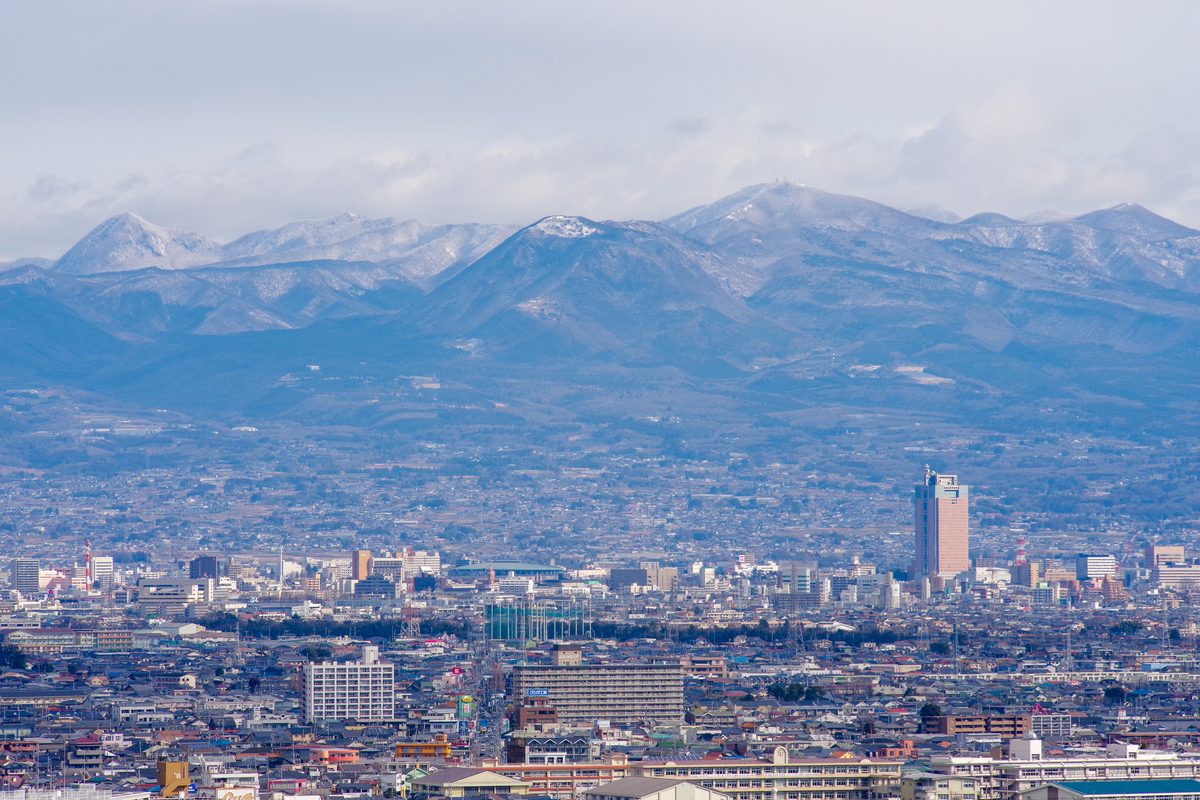
Mt Akagi
A broad volcanic mountain at 1,828m above the Kanto Plain with a caldera lake (Onuma) at the summit — one of Gunma's three famous mountains. The mountain is known for its extensive beech and oak forests that turn extraordinary gold and crimson in October, and for its connection to the legendary Akagi-san swordsman tradition in Japanese folklore.
Half day–full day
Free
Mountain accessible year-round; Akagi Visitor Center: 9:30–16:30 (closed Mon); lake facilities: Apr–Nov
October (foliage), July–August (summit walks)
Bus from Maebashi Station (JR Ryomo Line, 60 min)
Location
Why Visit
- 1
Onuma caldera lake at the summit — fishing for silver carp (funa) in summer, skating in winter
- 2
October beech forest colours rival Nikko — and with far fewer visitors
- 3
Akagi is one of Gunma's "Three Sacred Mountains" with ancient shrine at the summit
Local Tips
Mt Akagi's caldera contains two lakes — the larger Onuma Lake is circled by a pleasant 3.5km walking path. The Akagi Soba (local buckwheat noodles) restaurants clustered near the lake are excellent for lunch. Autumn foliage peaks mid-October and the lake views are outstanding. Only 90 minutes from Shinjuku by express — underused by Tokyo day-trippers.
Add to your AI itinerary
Let AI build a multi-day trip around this spot.
Advertisement
More in Gunma
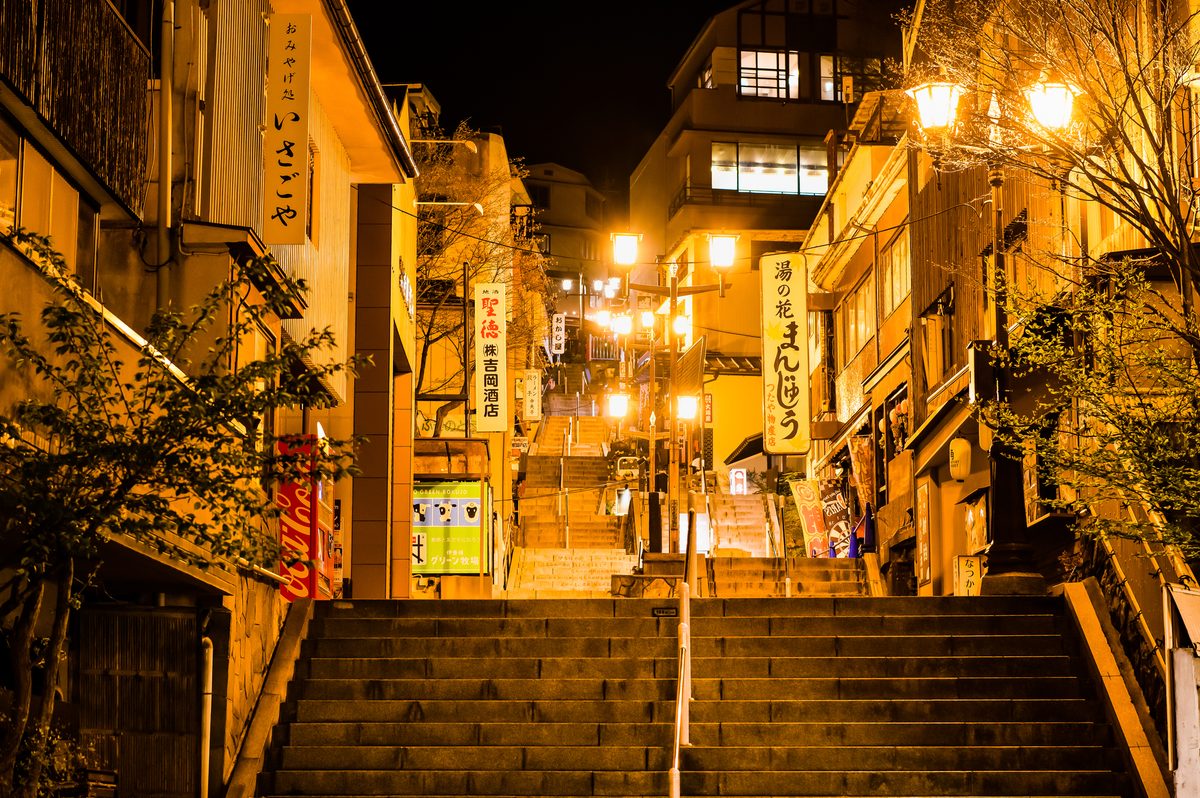
Ikaho Onsen
An ancient resort town built up a single stone staircase of 365 steps — each step flanked by traditional wooden inns, souvenir shops, and bathhouses. The brown iron-rich water (chakki-yu) has been praised since the Manyoshu (8th century) and stains baths and tiles a distinct dark orange. The town was a favourite retreat of writers and artists throughout the Meiji era.
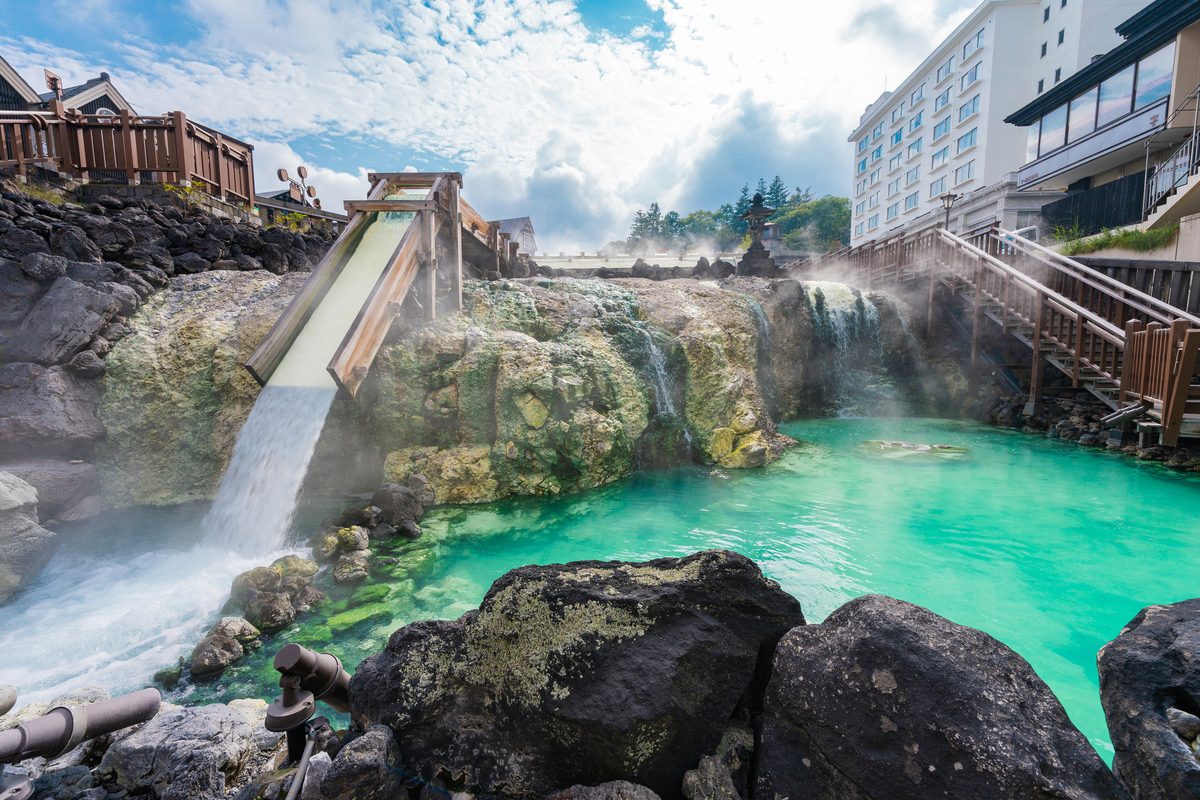
Kusatsu Onsen
Japan's most celebrated hot spring resort — producing over 32,000 litres of acidic sulphurous water per minute from its collective springs, centred on the iconic Yubatake (hot water field). The water is so acidic (pH 2.1) that it kills almost all bacteria, giving rise to the local saying "the only thing Kusatsu water can't cure is a broken heart." The Yubatake at night is extraordinary.
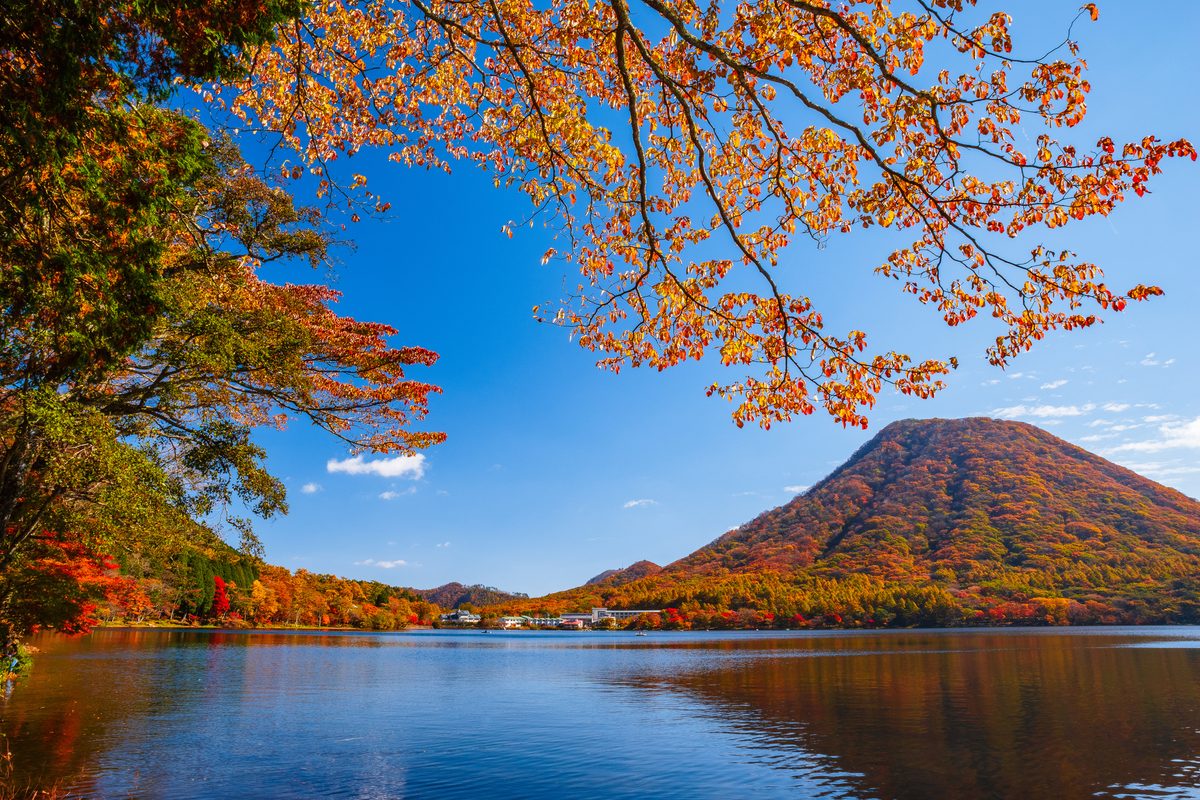
Lake Haruna
A caldera lake at 1,084 metres on the volcano Mt Haruna. The lake is famous for its winter ice fishing (smelt) when the surface freezes solid enough to walk on, its summer wakasagi fishing from boats, and the horse-drawn sleighs that cross the frozen surface in February.