
Osaka Travel Guide
Japan's kitchen and its most extroverted city. Osaka's food culture — takoyaki, okonomiyaki, kushikatsu, and the legendary Kuromon Market — is inseparable from its civic identity. The neon canyons of Dotonbori, the castle moat cycling paths, and the underground izakaya warrens of Hozenji Yokocho reward those who eat, drink, and wander without a fixed plan.
3 hidden gems in Osaka include insider locations, local tips, and full access details.
Hidden Gems in Osaka
Hand-picked spots off the tourist trail — all personally curated.
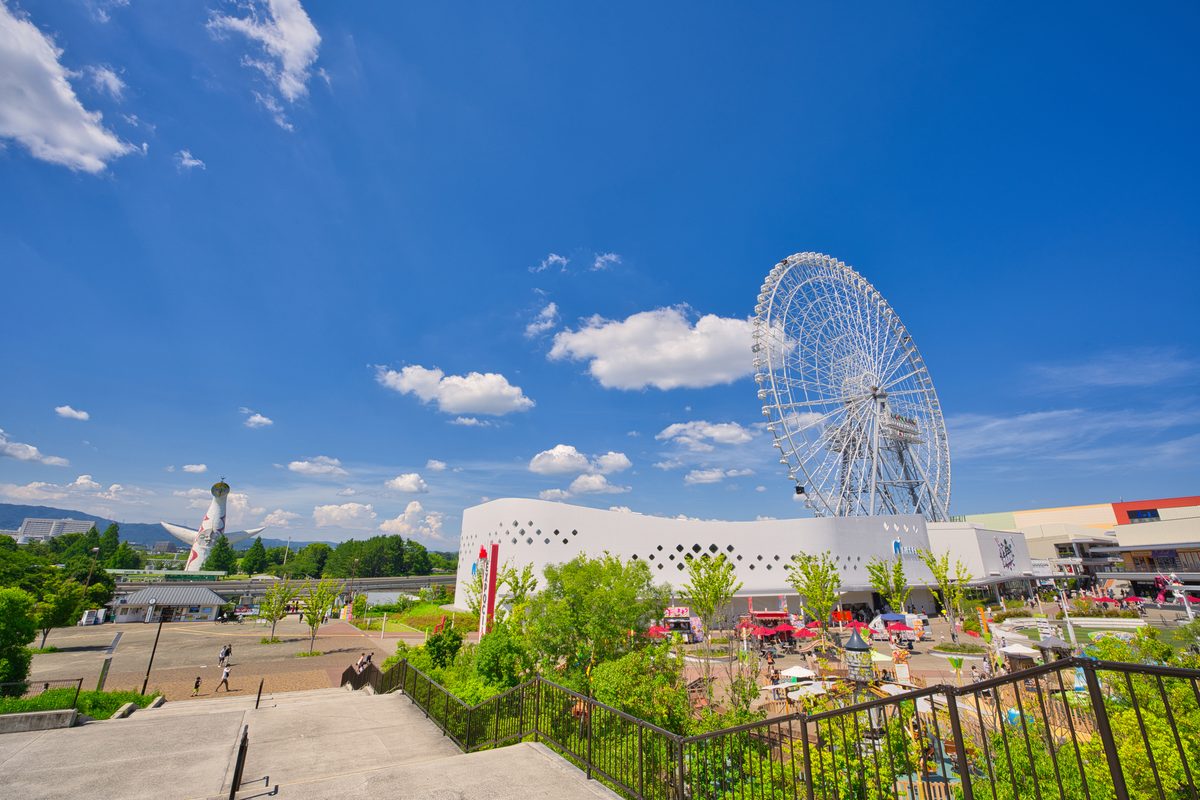
Expo '70 Commemorative Park
The grounds of the 1970 World Expo, preserved as a massive park around Taro Okamoto's Tower of the Sun — the most iconic sculpture in Japanese postwar art. The tower's interior, opened to the public in 2018, reveals three human-evolution murals covering every wall. Japan's finest rose garden and a Japanese garden complete the grounds.
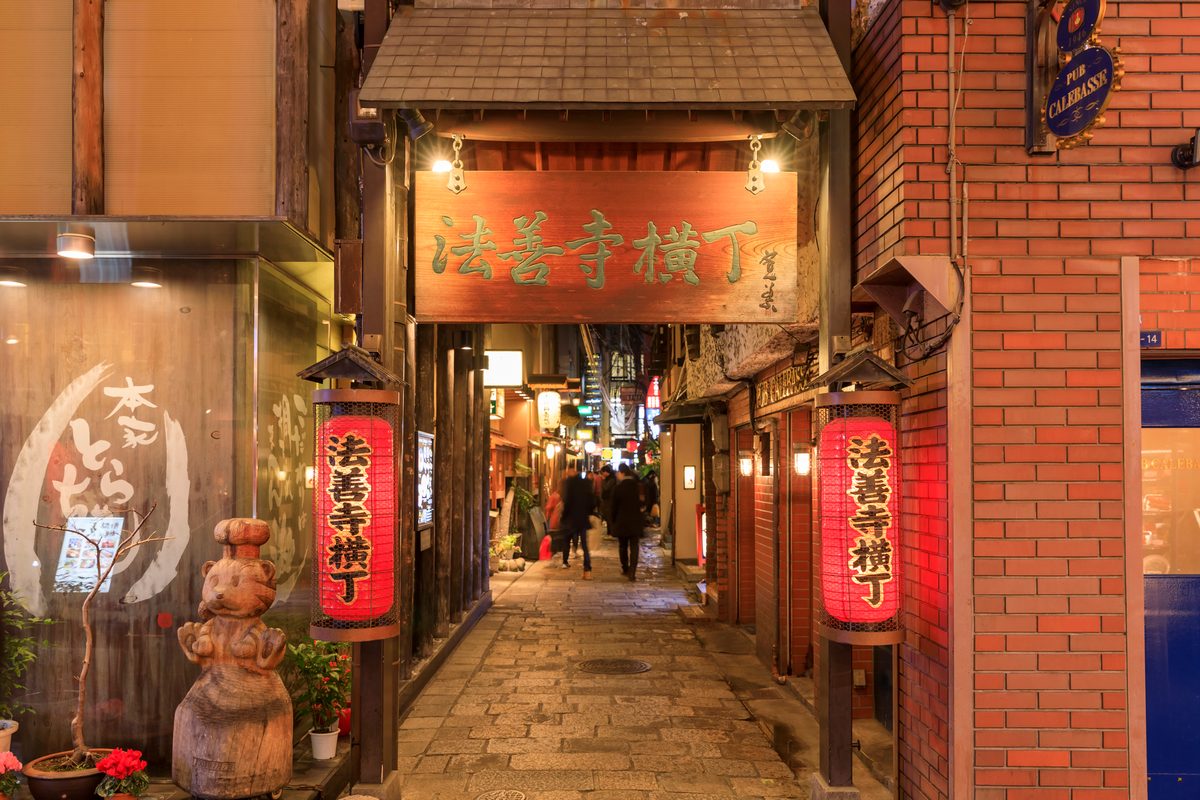
Hozenji Yokocho
A narrow stone-paved alley tucked behind the Dotonbori crowds, lined with intimate restaurants and presided over by a moss-draped Fudo Myo-o statue. Locals splash water on the statue for good luck, giving it its distinctive emerald coat. The alley feels untouched by tourism despite sitting metres from Namba.
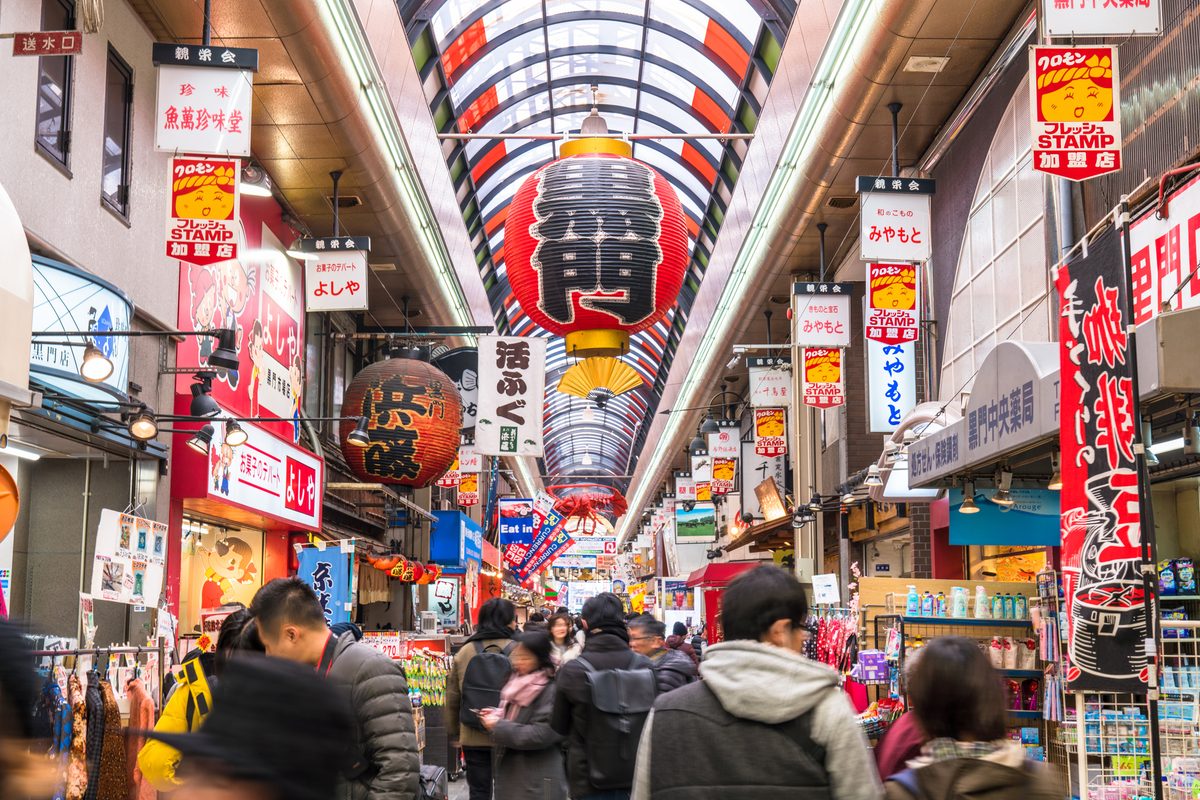
Kuromon Ichiba Market
A 580-metre covered arcade of 170 stalls that has supplied Osaka's restaurants and households for nearly 200 years. Known as "Osaka's Kitchen," it specialises in fresh seafood, Wagyu beef, and ready-to-eat bites. Arrive before 10am to see chefs doing their morning shopping.
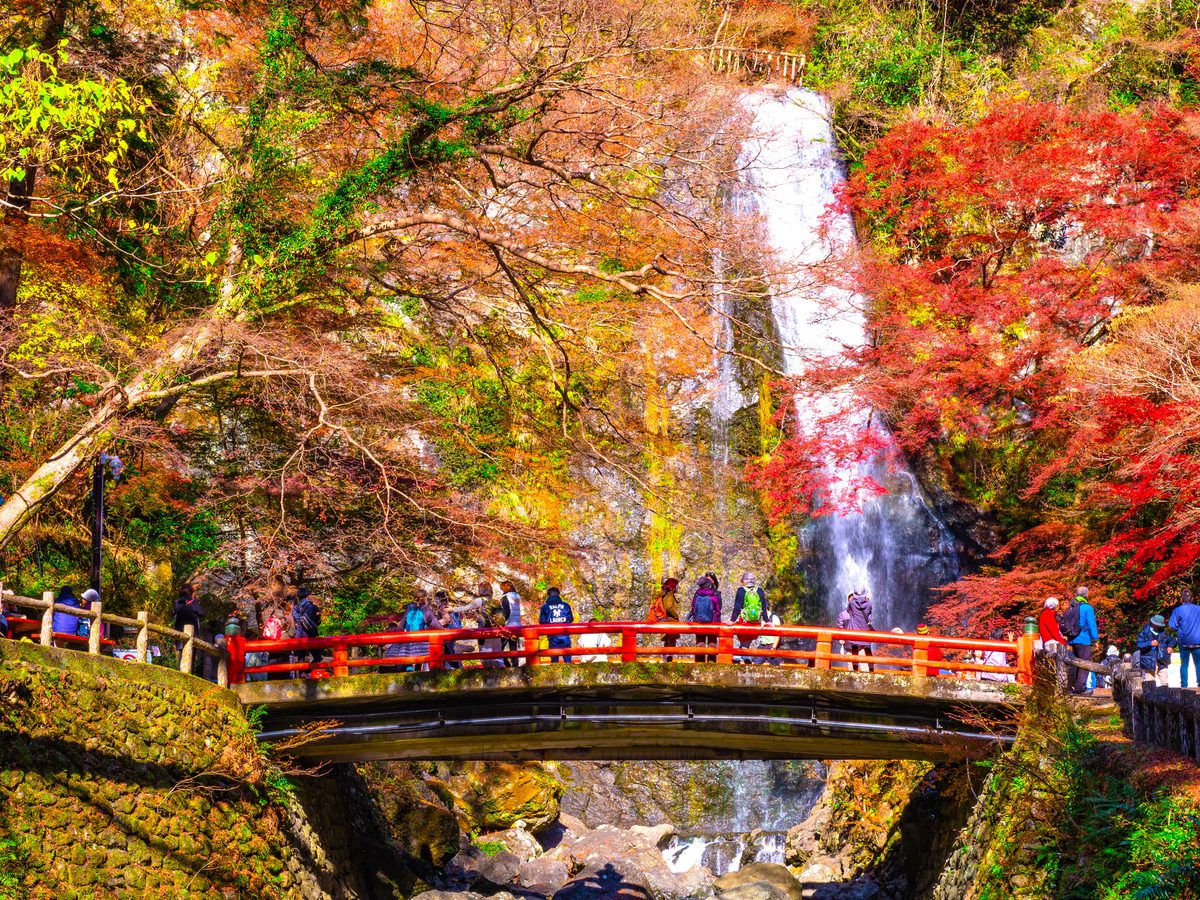
Minoo Waterfall
A 33-metre waterfall hidden at the end of a forested gorge barely 30 minutes from downtown Osaka. The 2.7km trail through Minoo Quasi-National Park passes ancient temple ruins and maple trees that turn scarlet in November. Deep-fried maple leaves (momiji tempura) are the local snack sold at stalls along the path.
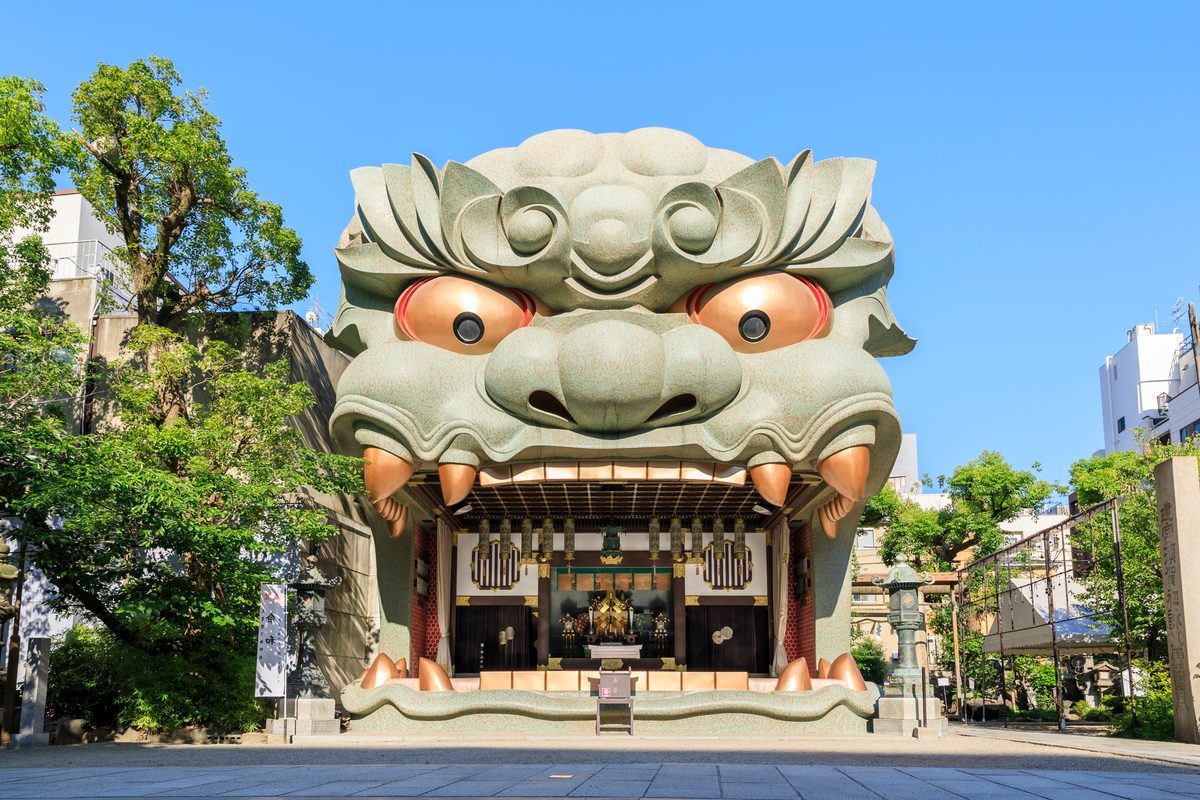
Namba Yasaka Shrine
Hidden in a quiet residential block minutes from Dotonbori, this shrine is famous for its enormous lion-head stage — a 12-metre demon face with gaping mouth used as an outdoor performance space. The contrast between the giant folkloric face and the quiet neighbourhood lane is quintessentially Osaka.
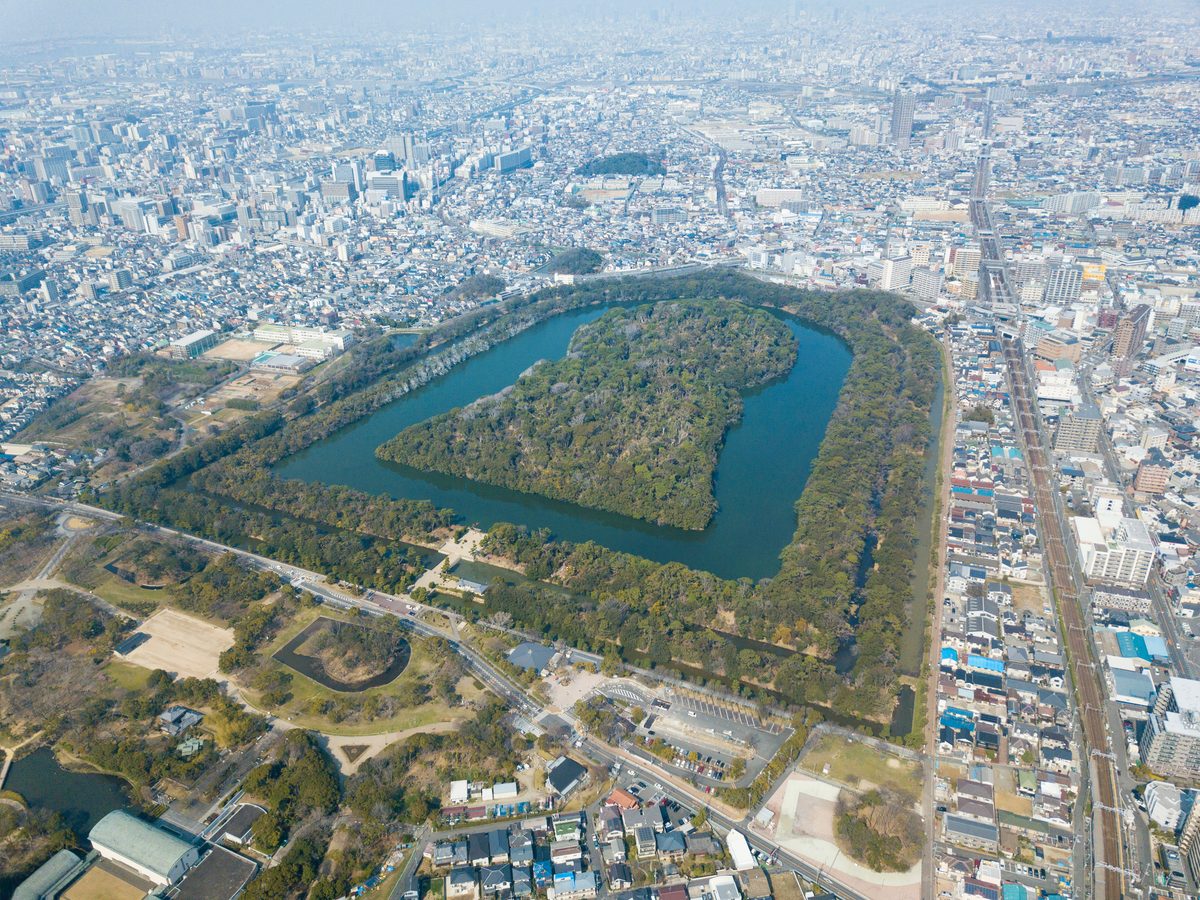
Sakai — Mozu Kofun Tombs (UNESCO)
The largest tomb in the world by area — the Daisen Kofun (burial mound of Emperor Nintoku) is 486 metres long, larger than the Great Pyramid of Giza by footprint. Designated UNESCO World Heritage in 2019, the keyhole-shaped moated mound is visible only from the air or from the surrounding green belt path.
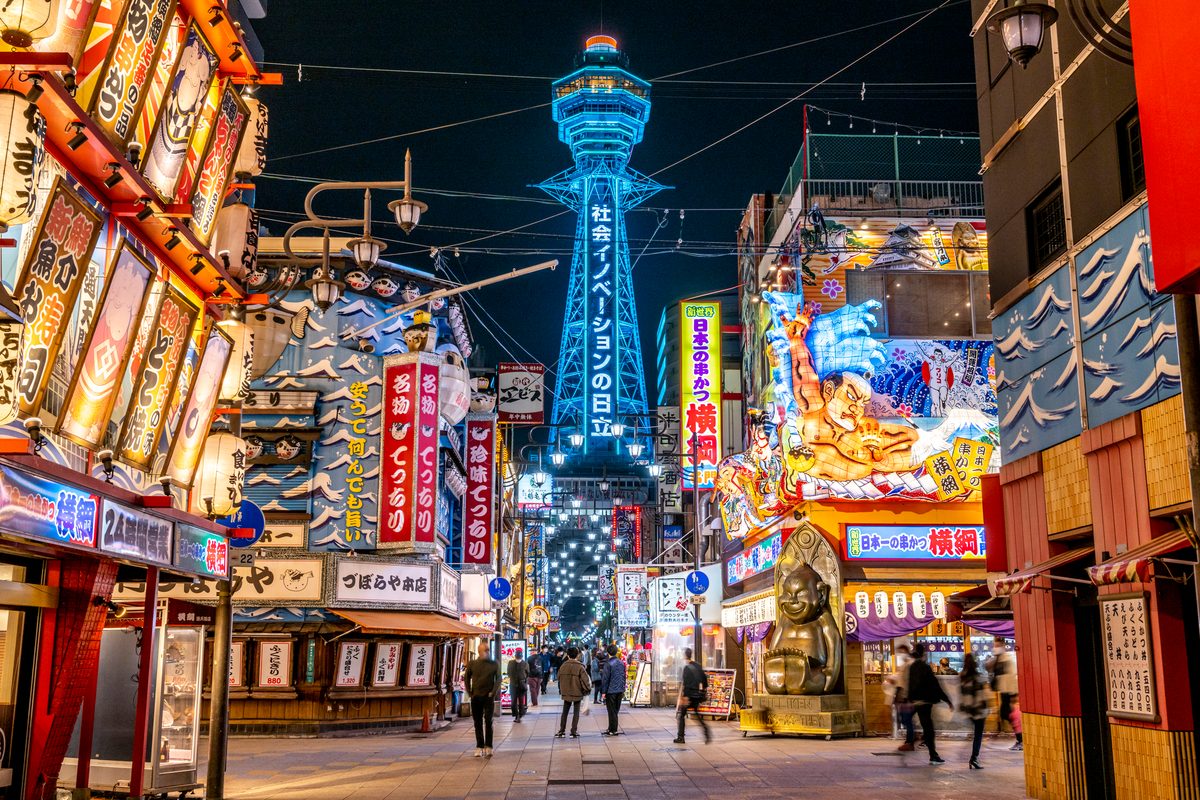
Shinsekai
Built in 1912 to mimic Paris and New York, Shinsekai fell into gentle decline and preserved its retro Showa-era atmosphere almost perfectly. Kushikatsu (skewered deep-fried food) was invented here, and the double-dip rule is sacred. The neighbourhood radiates working-class Osaka character.
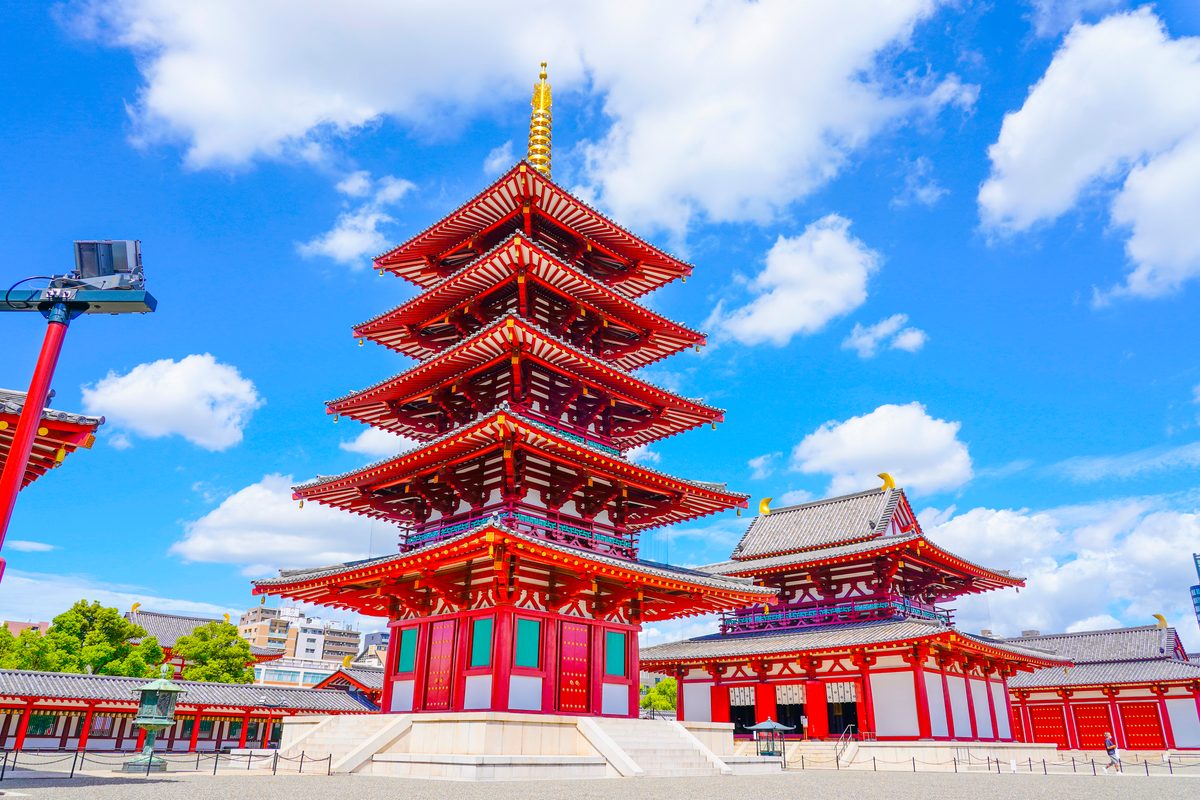
Shitennoji Temple
Japan's oldest officially administered temple, founded by Prince Shotoku in 593 CE — predating both Nara and Kyoto. The five-storey pagoda, outer gardens, and treasure house sit in the middle of Osaka city almost unnoticed by most tourists. The first Sunday flea market draws thousands of antique hunters each month.
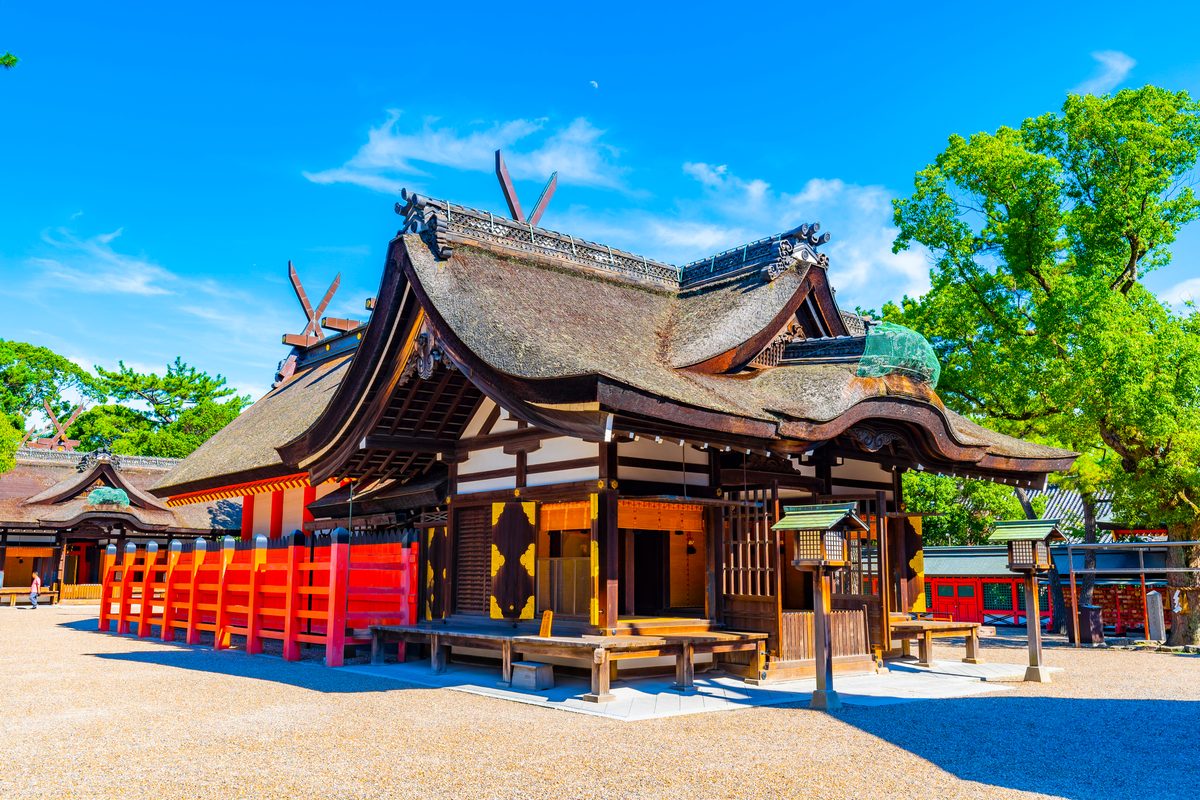
Sumiyoshi Taisha
Japan's oldest Shinto shrine predating Buddhism's arrival, and the prototype for all Sumiyoshi shrines nationwide. The iconic arched Taiko bridge over the reflecting pond requires a steep climb and is one of Osaka's most photographed scenes. The compound is strikingly calm despite its urban location.
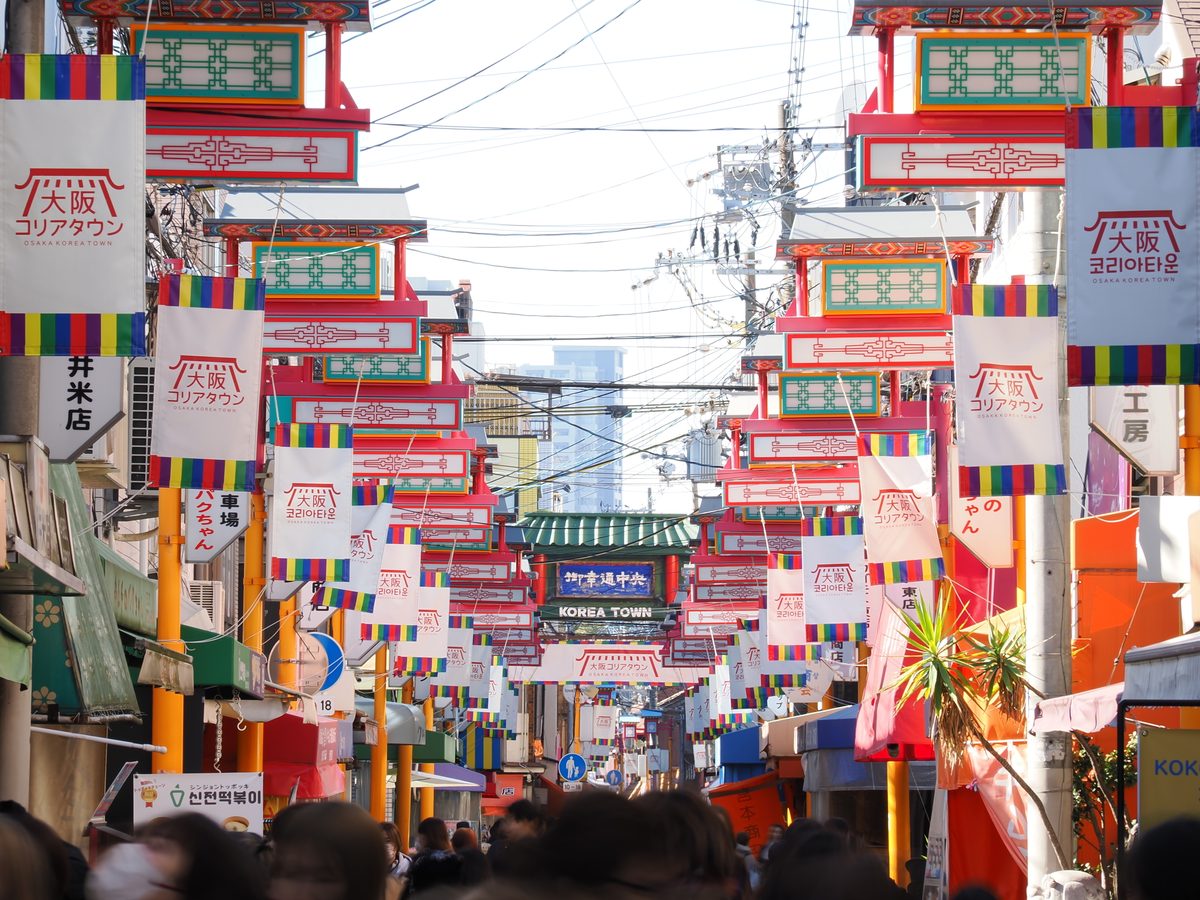
Tsuruhashi Koreatown
Japan's largest and oldest Korean market — a labyrinth of over 600 shops and stalls that has operated since the 1940s. The covered arcade smells of kimchi, grilling galbi, and Korean spices. It's the most authentic Korean food experience outside Korea, with families who have run the same stall for three generations.
Advertisement
When to Visit Osaka
Peak spots by season — ordered by best match.
More from Kansai
Other prefectures in the same region
Ready to visit Osaka?
Let AI build a personalized day-by-day itinerary based on your interests and travel style.
Create a Osaka Itinerary