
Hyogo Travel Guide
Kobe — Japan's most cosmopolitan port city — brings together French patisseries, a historic Chinatown, the Kitano Ijinkan foreign residences, and some of Japan's finest beef, all within sight of the Rokko mountains. Himeji Castle, arguably the country's most beautiful, stands an hour west; the famed sake breweries of Nada are between.
3 hidden gems in Hyogo include insider locations, local tips, and full access details.
Hidden Gems in Hyogo
Hand-picked spots off the tourist trail — all personally curated.
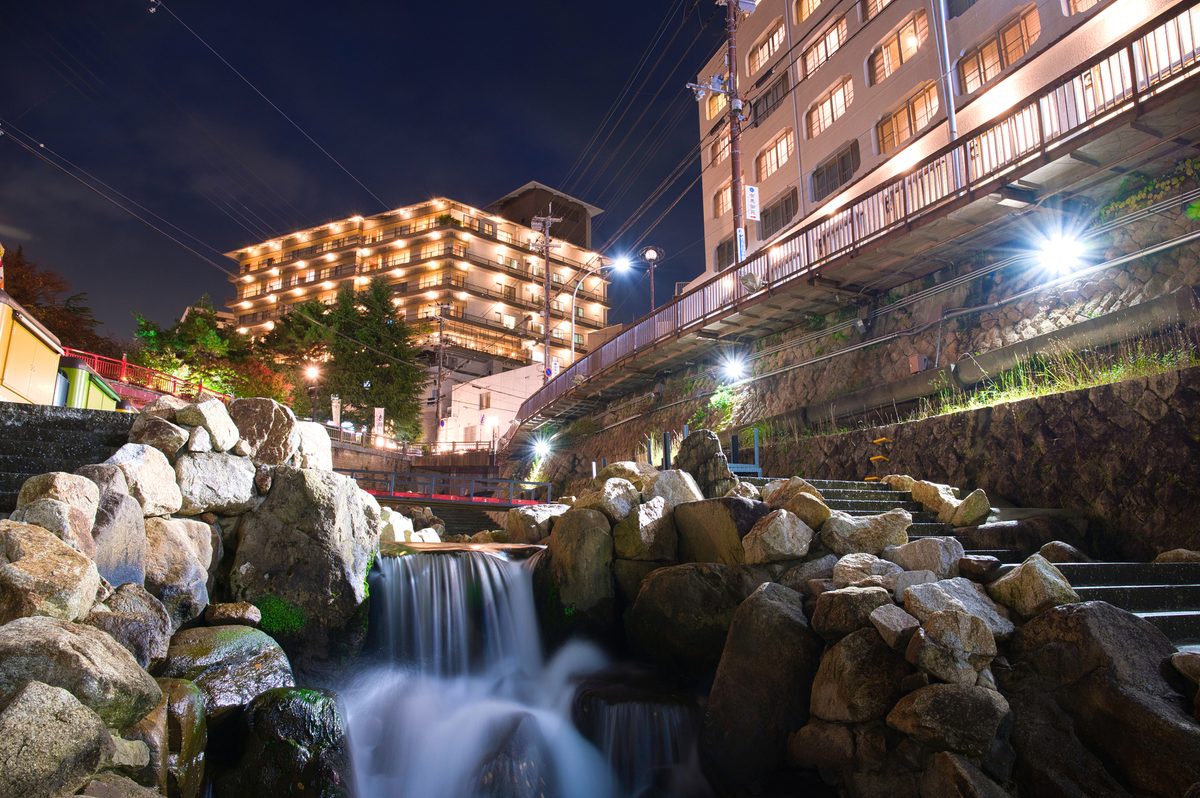
Arima Onsen
Japan's oldest recorded hot spring resort — mentioned in 8th-century chronicles and praised by Toyotomi Hideyoshi as his favourite retreat. The town has two unique spring types: Kinsen (golden-iron water that turns rusty on contact with air) and Ginsen (radium-bearing clear water). Both are found nowhere else in the region.
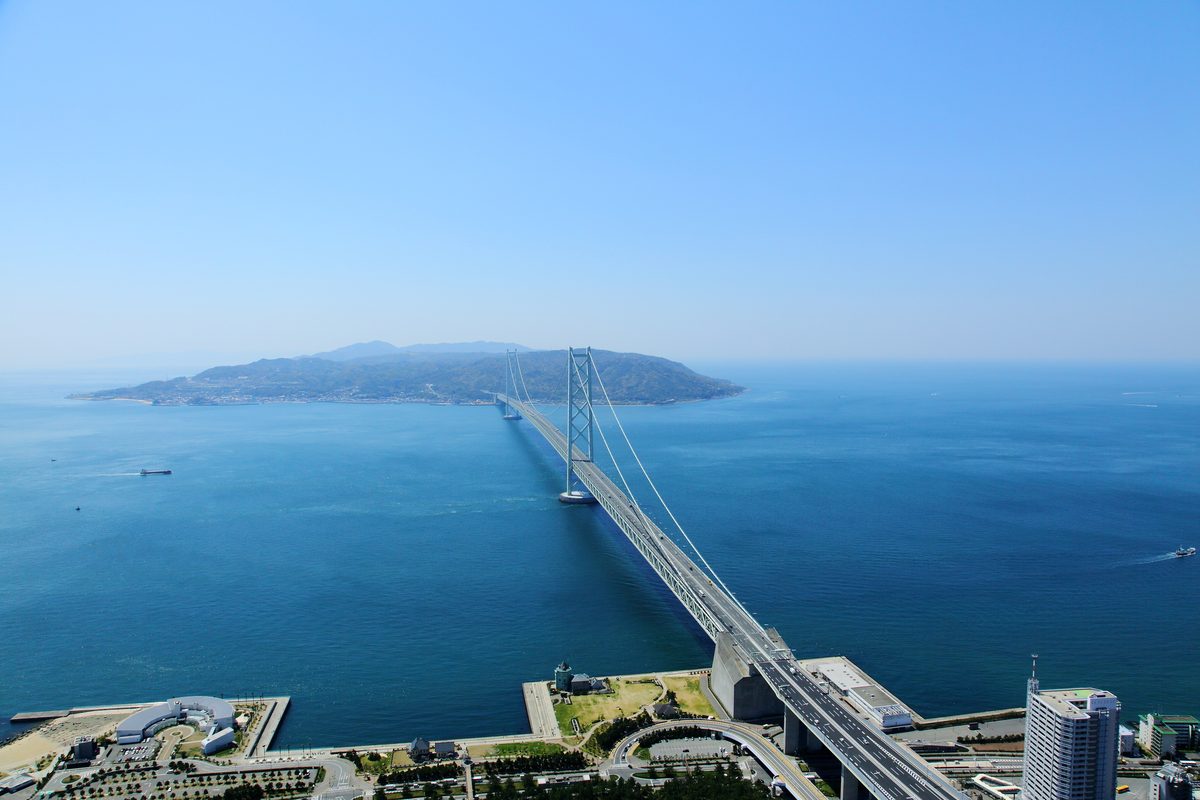
Awaji Island
Japan's first island according to Kojiki mythology and the birthplace of Awaji onions — the sweetest in Japan. The island sits between Osaka Bay and the Naruto Strait where powerful whirlpools form. The northern tip connects to Kobe via the Akashi Kaikyo Bridge (world's longest suspension bridge). The western coast has beaches and onsen resorts.
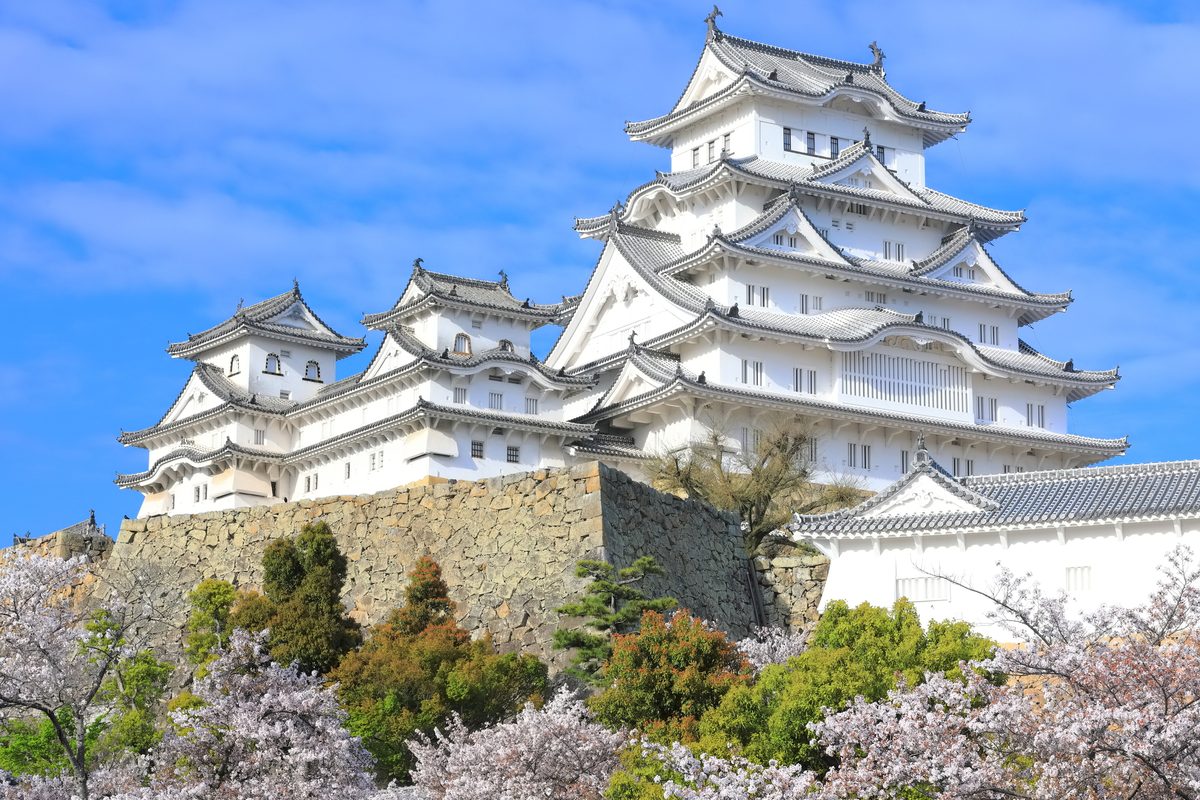
Himeji Castle
Japan's finest surviving feudal castle — a UNESCO World Heritage site nicknamed the "White Heron Castle" for its dazzling white plastered walls. Built in 1609 and never destroyed by war, earthquake, or fire, it stands exactly as it was 400 years ago. The six-storey keep and 83 connected buildings form the largest castle complex in Japan.
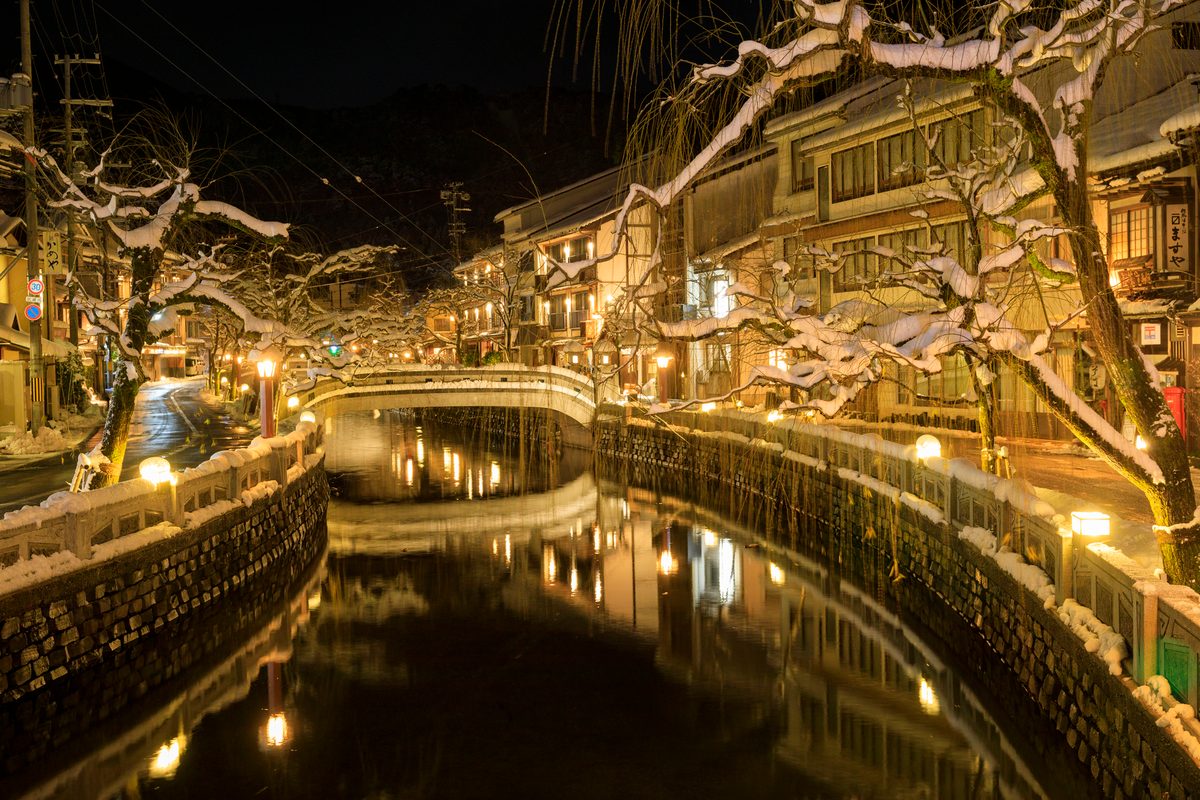
Kinosaki Onsen
A classic Tajima hot spring town where a willow-lined canal connects seven public bathhouses — each with a distinct architectural style and character. Guests wear yukata robes to walk between baths (soto-yu meguri), an Edo-period tradition still alive today. Snow crabs in winter make this one of Japan's finest ryokan destinations.
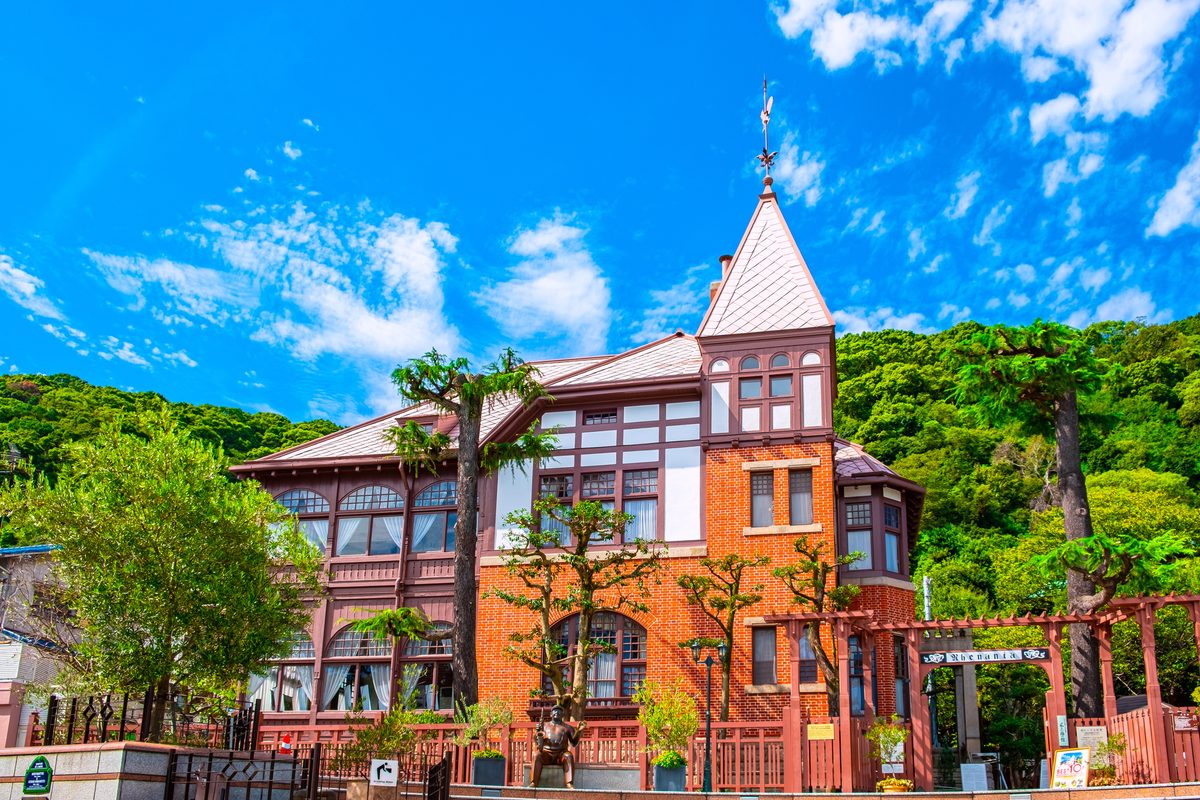
Kobe Kitano — Foreign Residences
The Kitano hillside district where foreign traders built Victorian, colonial, and art nouveau mansions after Kobe opened to the world in 1868. Twenty-three of these preserved ijinkan (foreign residences) are open as museums. The area is cosmopolitan and café-lined, with the finest Western architecture in Japan outside Yokohama.
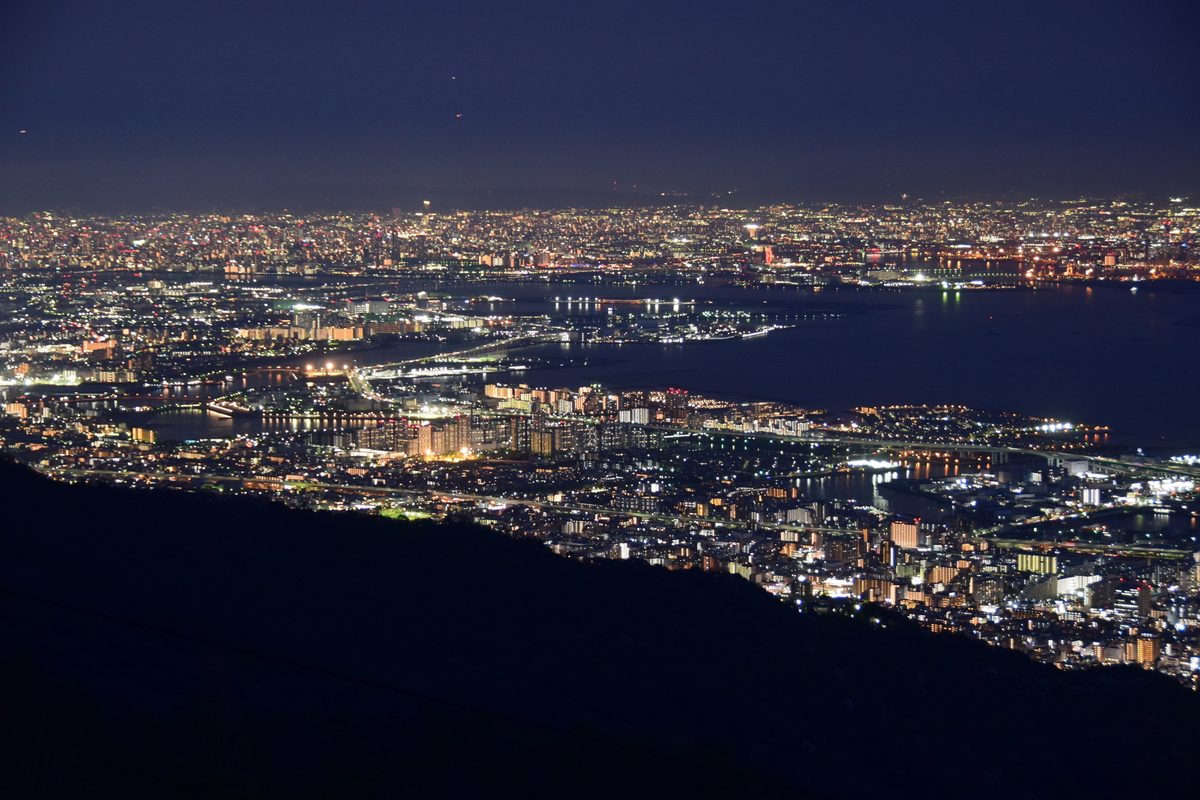
Mt Rokko
The mountain range directly behind Kobe, accessible by ropeway in 15 minutes, with sweeping Osaka Bay views from 932 metres. In winter the frozen trees are illuminated at night, and the Rokko Garden Terrace serves as Kobe's most famous sunset viewpoint. The mountain trail connects seven peaks in a full-day traverse.
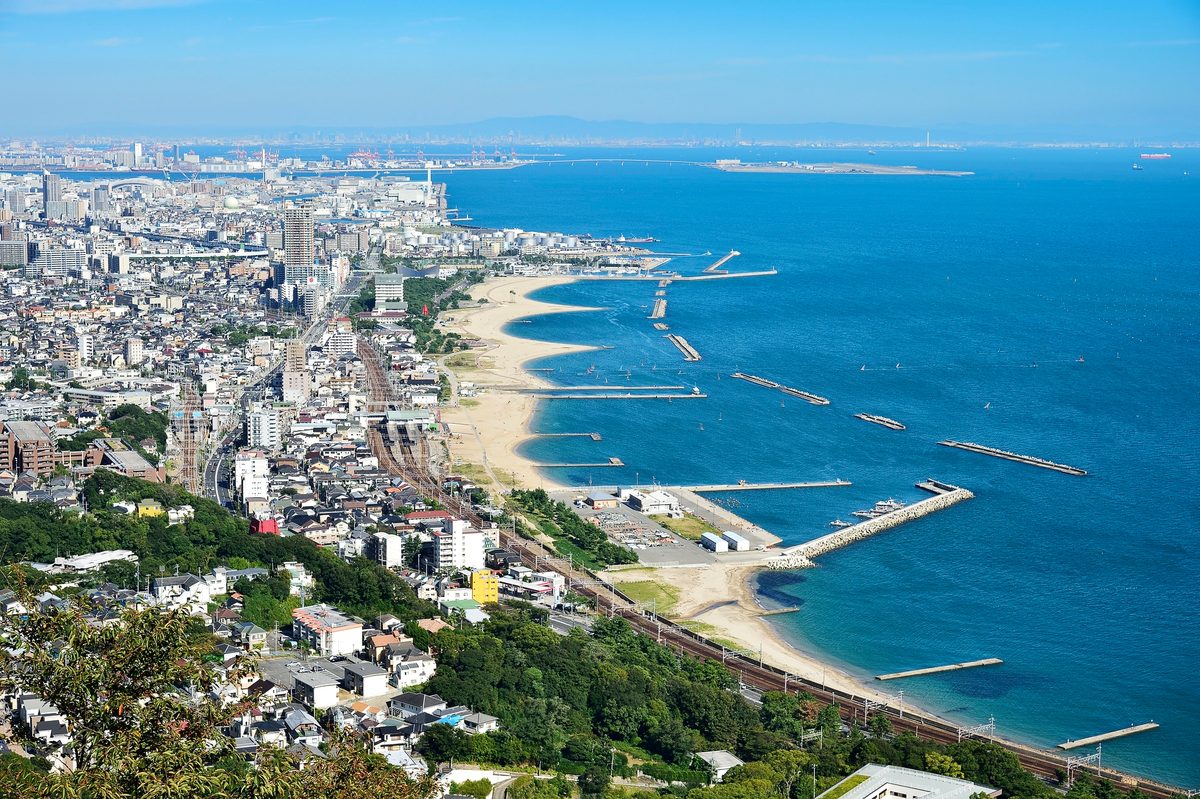
Suma Beach
The closest ocean beach to Osaka and Kobe — a famous site in classical Japanese poetry (Genji Monogatari) where Prince Genji lived in exile. The beach itself is white sand with a gentle slope ideal for swimming. The adjacent Suma-dera temple has been receiving visitors for 1,200 years, housing artifacts from the Genpei naval battle fought offshore.
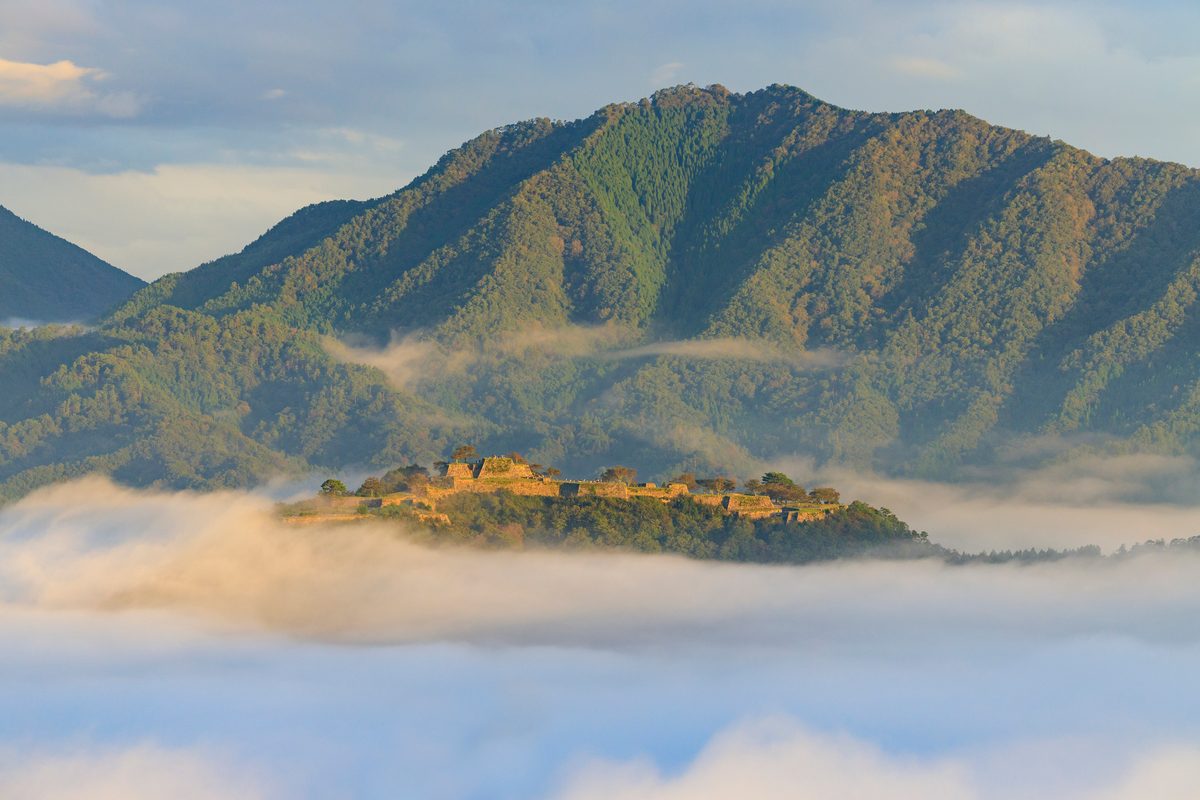
Takeda Castle Ruins
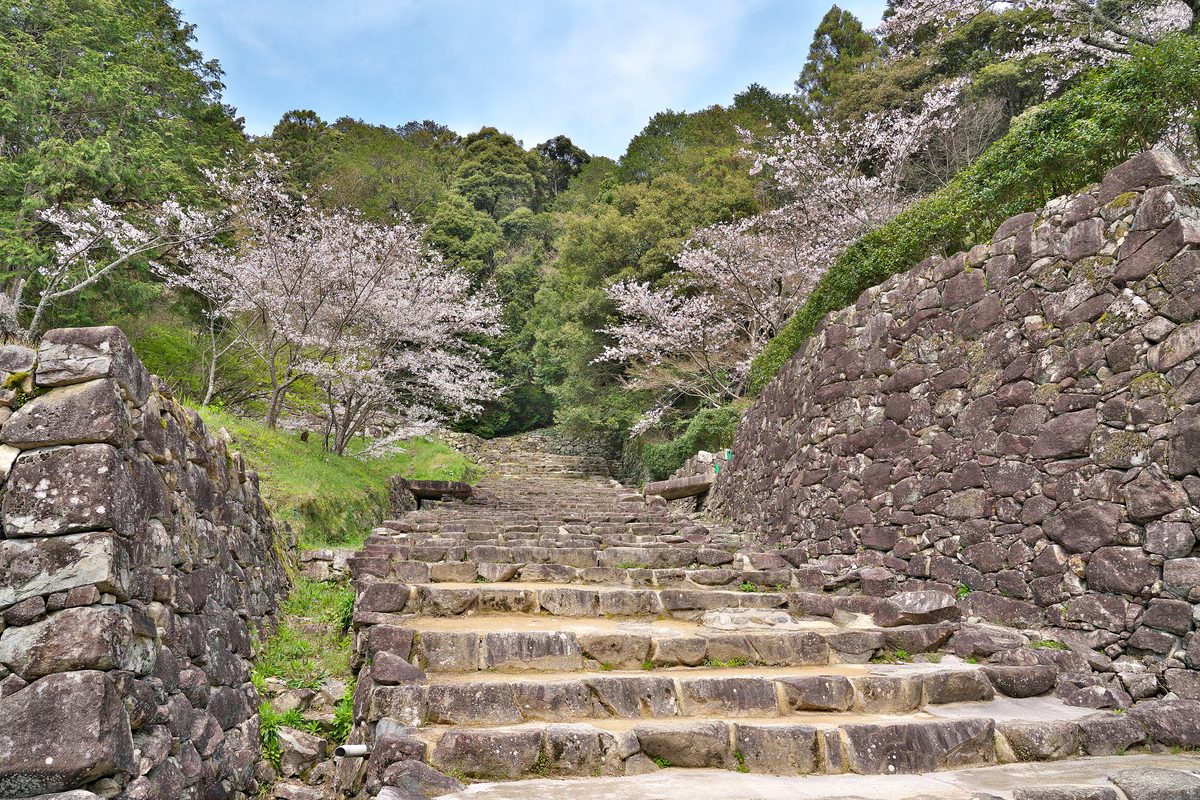
A 15th-century mountain castle whose stone foundations sit at 353 metres elevation, surrounded on autumn mornings by a sea of clouds that earns it the nickname "Japan's Machu Picchu." The ruins themselves are haunting without the clouds, with panoramic views of the Maruyama River valley. Predawn hikes are rewarded with the most dramatic mist.
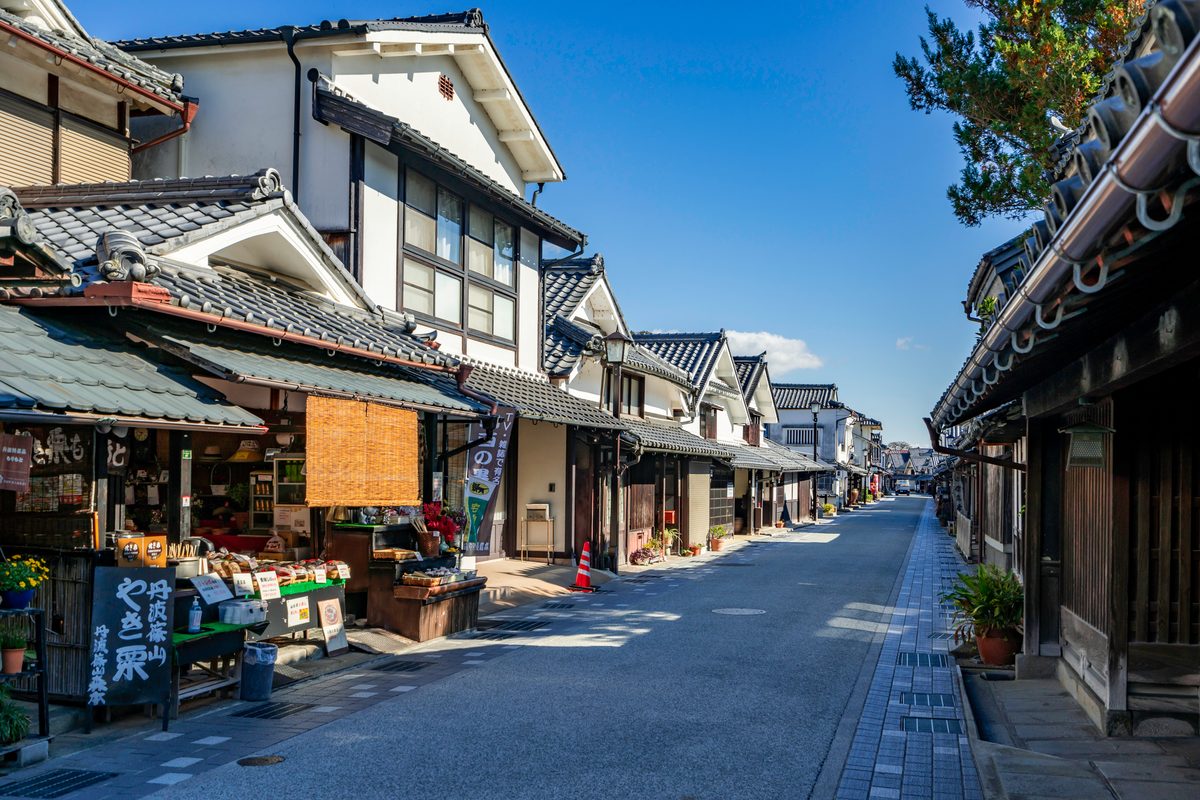
Tanba Sasayama
A compact castle town in the Tamba highlands known for three premium ingredients: Tamba black beans (kuromame), Tamba chestnuts (kuri), and Tamba Sasayama beef. The preserved merchant street (Nishimachi townscape) has 300-year-old earthen-walled buildings converted to cafes and galleries. Autumn harvest festivals draw food lovers from Osaka.
Advertisement
When to Visit Hyogo
Peak spots by season — ordered by best match.
More from Kansai
Other prefectures in the same region
Ready to visit Hyogo?
Let AI build a personalized day-by-day itinerary based on your interests and travel style.
Create a Hyogo Itinerary