
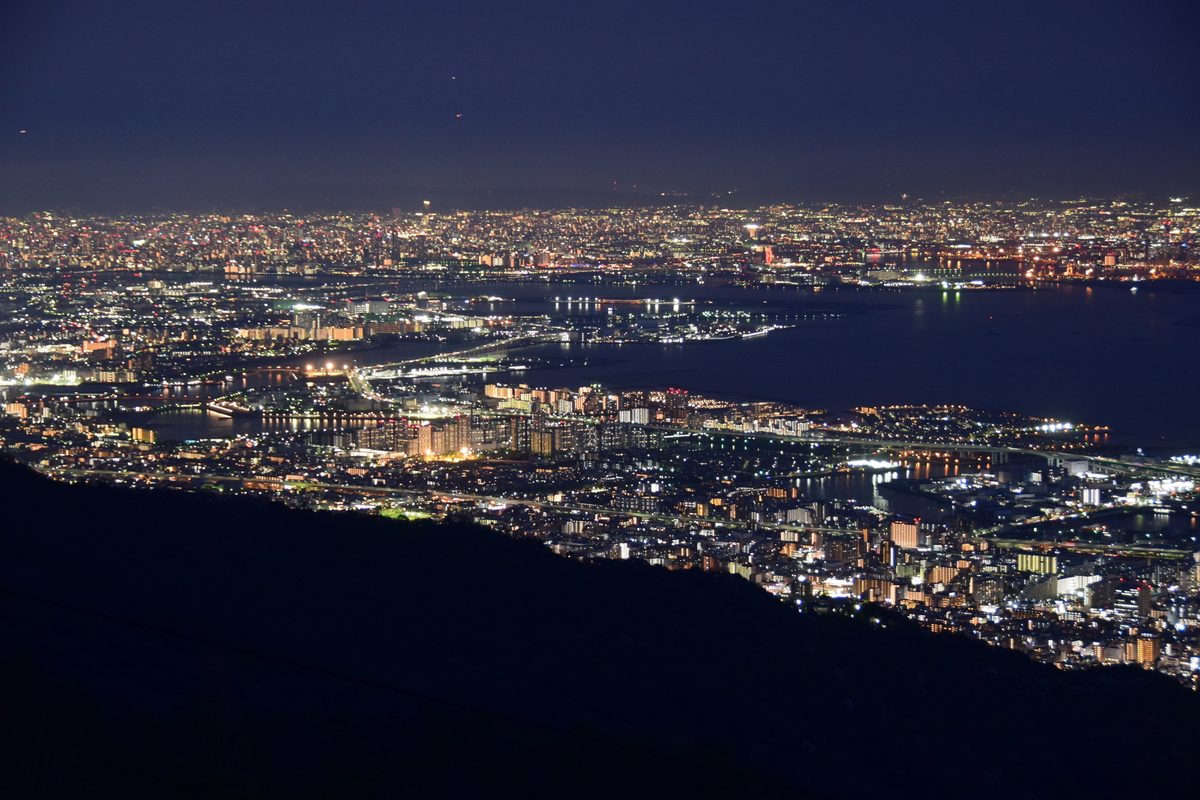
Mt Rokko
The mountain range directly behind Kobe, accessible by ropeway in 15 minutes, with sweeping Osaka Bay views from 932 metres. In winter the frozen trees are illuminated at night, and the Rokko Garden Terrace serves as Kobe's most famous sunset viewpoint. The mountain trail connects seven peaks in a full-day traverse.
2–3 hours
Rokko Cable round-trip ¥1,550 (adult), ¥780 (child); one-way also available. As of 2025
Mountain: year-round; Rokko Cable: 7:00–21:00 (approx. every 20–40 min); Arima Ropeway: connects to Arima Onsen.
Year-round (December–February for illumination)
Ropeway from Rokko-Sanjo Station bus terminal (15 min)
Location
Why Visit
- 1
Kobe's night view from Rokko — the "10-million dollar night view" paired with Osaka Bay panorama
- 2
Winter illumination (December–February) turns the frozen cedar trees into a blue-lit wonderland
- 3
The Rokko traverse trail (20km, 8 hours) crosses seven peaks above the city
Local Tips
The summit plateau has botanical gardens, an observatory, and a golf course — unusual for a mountain. The Kobe city panorama from the summit at night is outstanding. The cable car from Rokko Station connects to Arima Onsen via the ropeway on the other side — one of the most pleasant mountain-crossing day trips from Osaka or Kobe.
Add to your AI itinerary
Let AI build a multi-day trip around this spot.
Advertisement
More in Hyogo
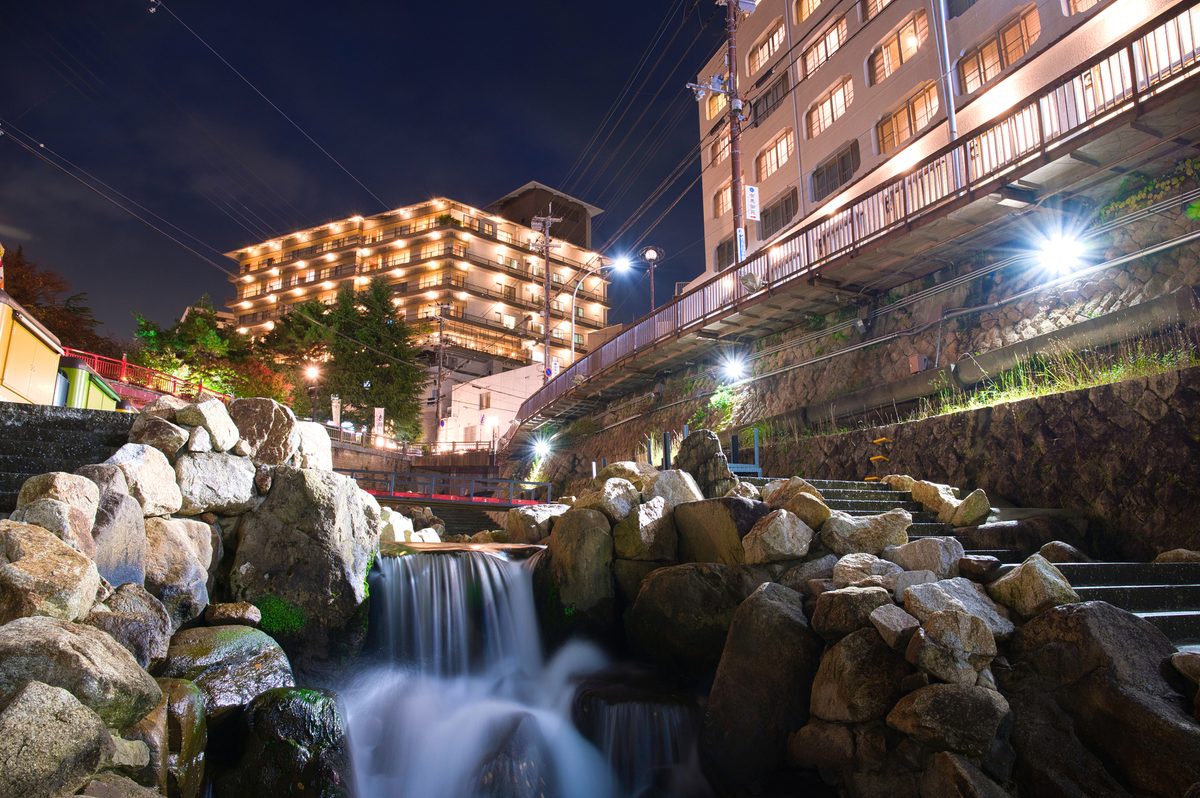
Arima Onsen
Japan's oldest recorded hot spring resort — mentioned in 8th-century chronicles and praised by Toyotomi Hideyoshi as his favourite retreat. The town has two unique spring types: Kinsen (golden-iron water that turns rusty on contact with air) and Ginsen (radium-bearing clear water). Both are found nowhere else in the region.
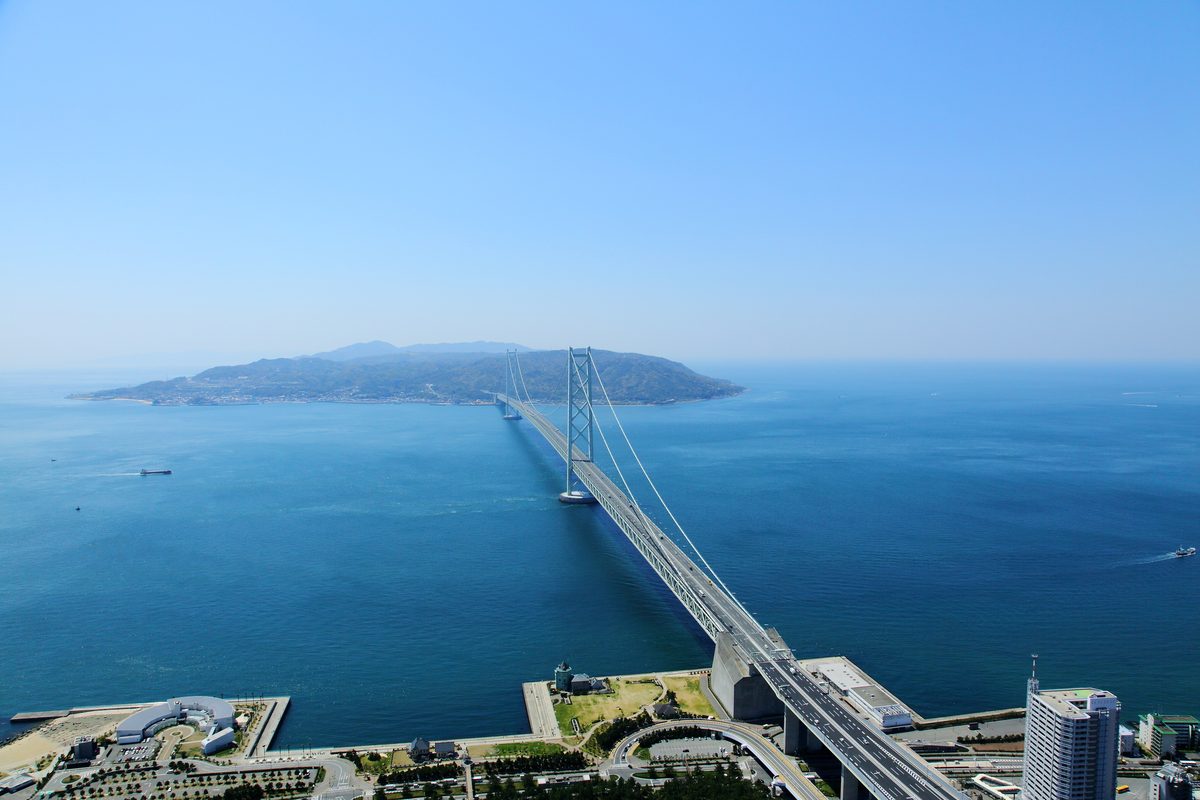
Awaji Island
Japan's first island according to Kojiki mythology and the birthplace of Awaji onions — the sweetest in Japan. The island sits between Osaka Bay and the Naruto Strait where powerful whirlpools form. The northern tip connects to Kobe via the Akashi Kaikyo Bridge (world's longest suspension bridge). The western coast has beaches and onsen resorts.
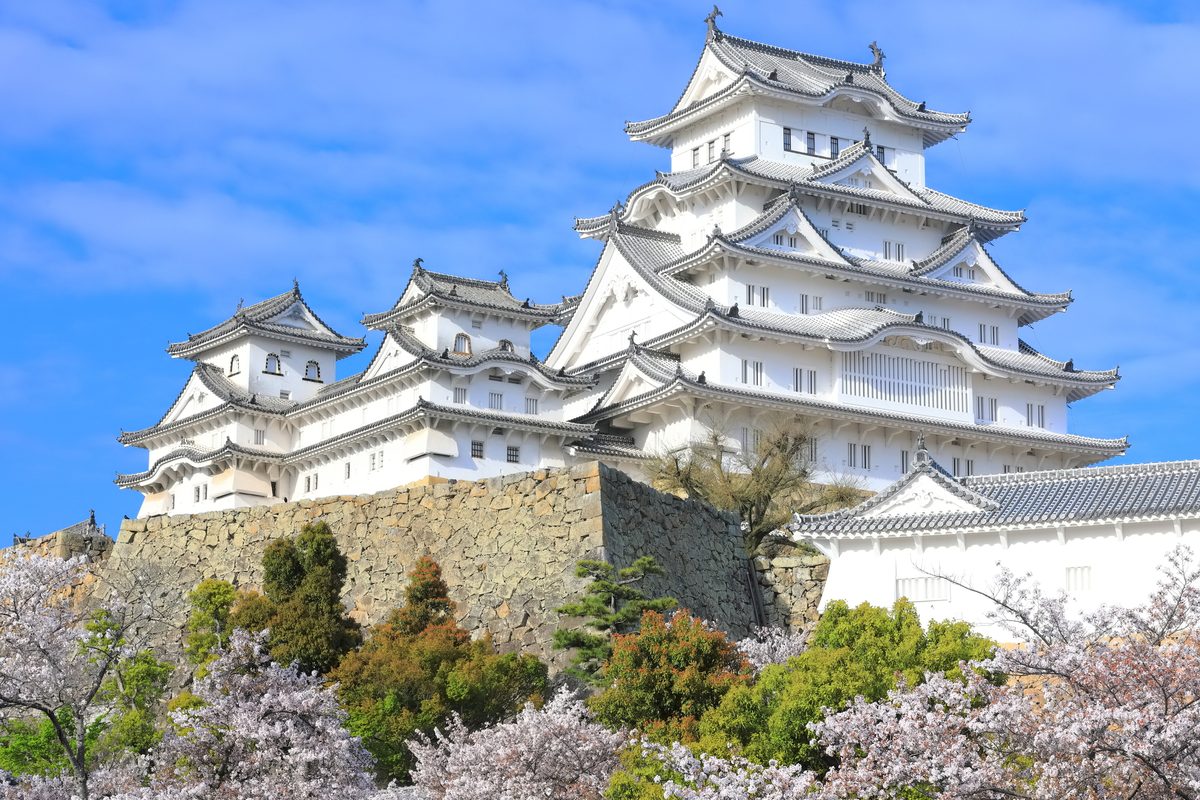
Himeji Castle
Japan's finest surviving feudal castle — a UNESCO World Heritage site nicknamed the "White Heron Castle" for its dazzling white plastered walls. Built in 1609 and never destroyed by war, earthquake, or fire, it stands exactly as it was 400 years ago. The six-storey keep and 83 connected buildings form the largest castle complex in Japan.