
Kyoto Travel Guide
The soul of traditional Japan and the country's cultural center for over a millennium. Kyoto's 17 UNESCO World Heritage sites — among them Kinkakuji, Fushimi Inari, and Ryoanji's stone garden — anchor a city where kaiseki cuisine, tea ceremony, Nishijin textiles, and machiya townhouses survive as living traditions. The depth that keeps drawing people back is real.
3 hidden gems in Kyoto include insider locations, local tips, and full access details.
Hidden Gems in Kyoto
Hand-picked spots off the tourist trail — all personally curated.
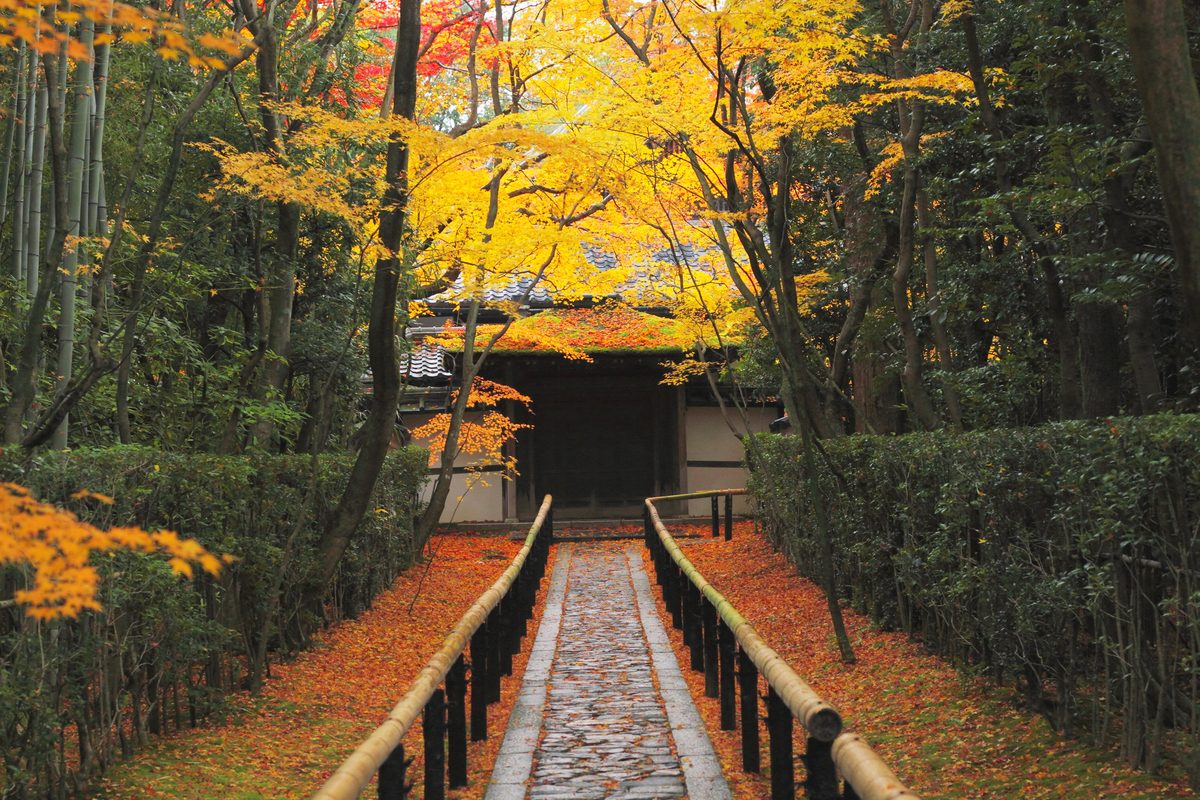
Daitoku-ji Temple Complex
A vast Zen complex of 22 sub-temples in northwestern Kyoto, most of which remain closed to the public. The handful that do open their gates reveal some of Japan's finest dry-landscape (karesansui) gardens — composed of raked gravel, moss, and carefully placed stones that reward slow, quiet contemplation.
Fushimi Sake District
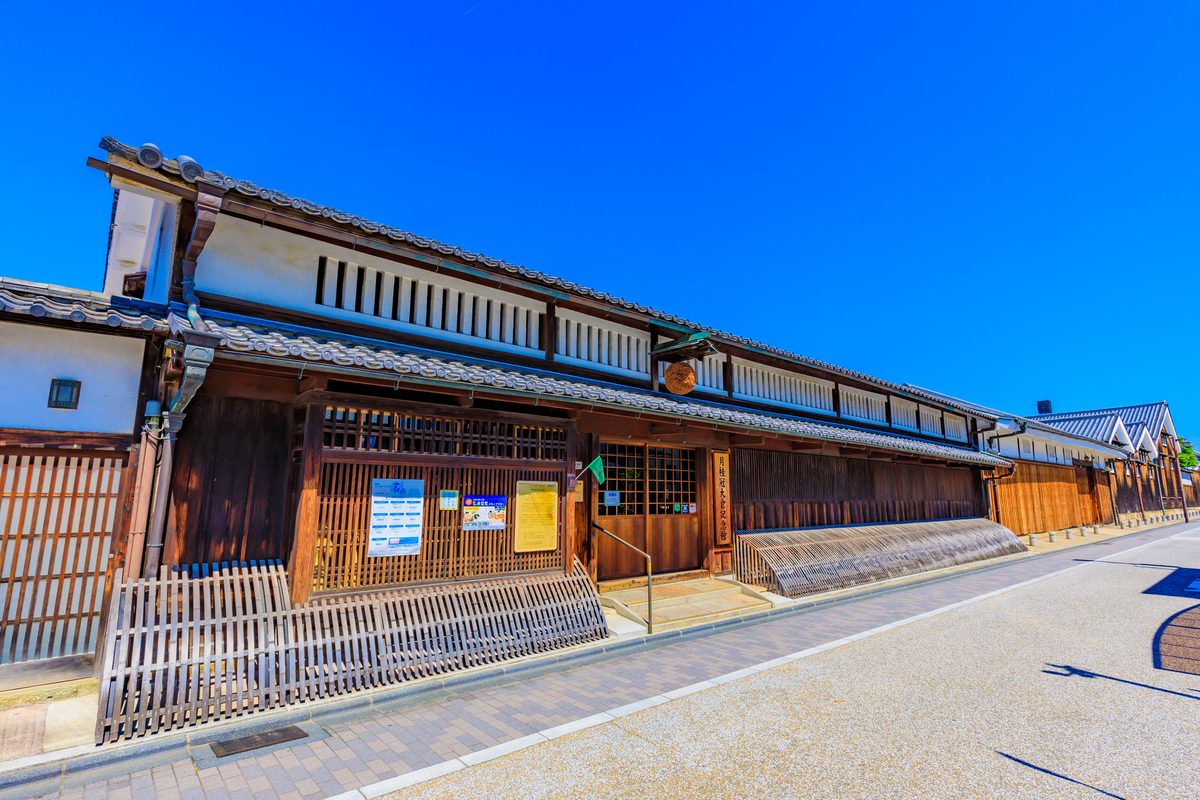
Southern Kyoto's Fushimi has brewed sake for over 400 years, fed by the exceptionally soft underground water from the Momoyama Hills. While tourists crowd Fushimi Inari's gates to the north, the old sake breweries along the willow-lined Fushimi canal remain remarkably peaceful and locals still visit sakagura for morning sake.
Honen-in
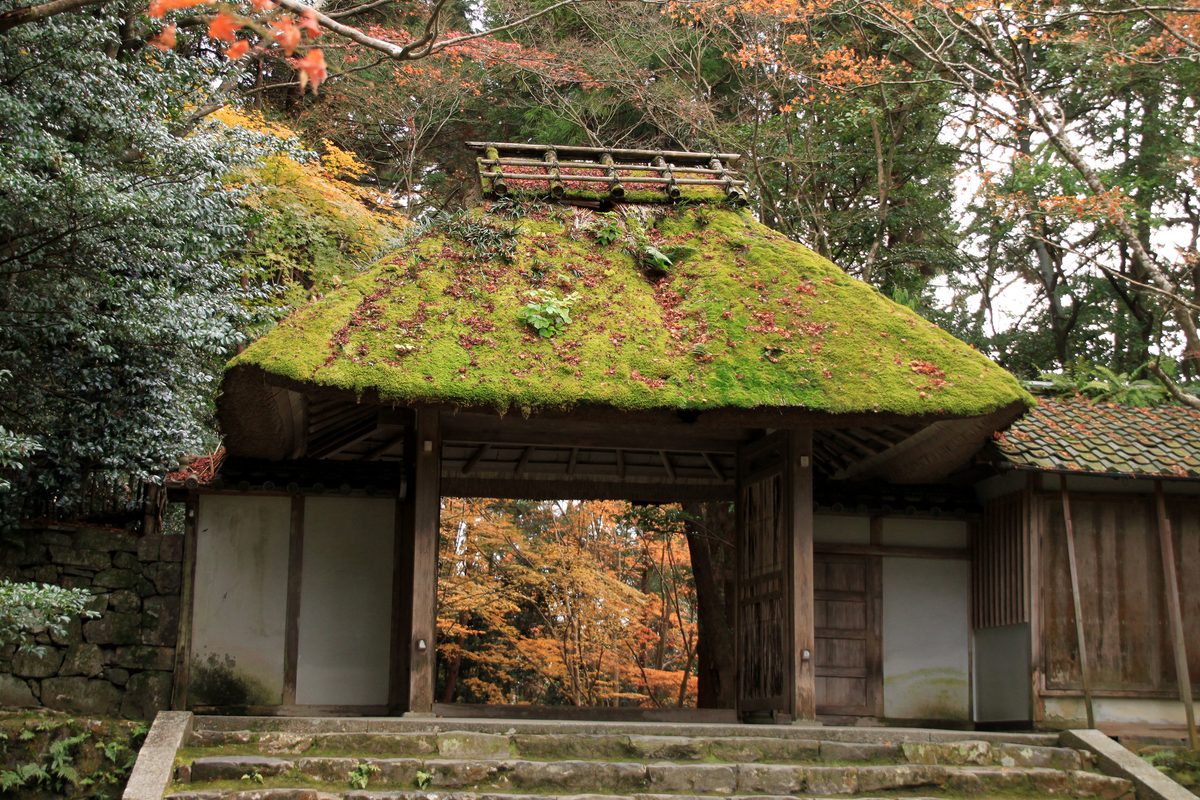
A hidden thatched-gate temple one minute off the Philosopher's Path that almost no tourists find despite its extraordinary beauty. Two sand mounds flanking the gate entrance are raked with seasonal patterns by the monks each week. The moss garden is kept deliberately cool and dark, and the grounds are free to enter.
Jonan-gu Shrine
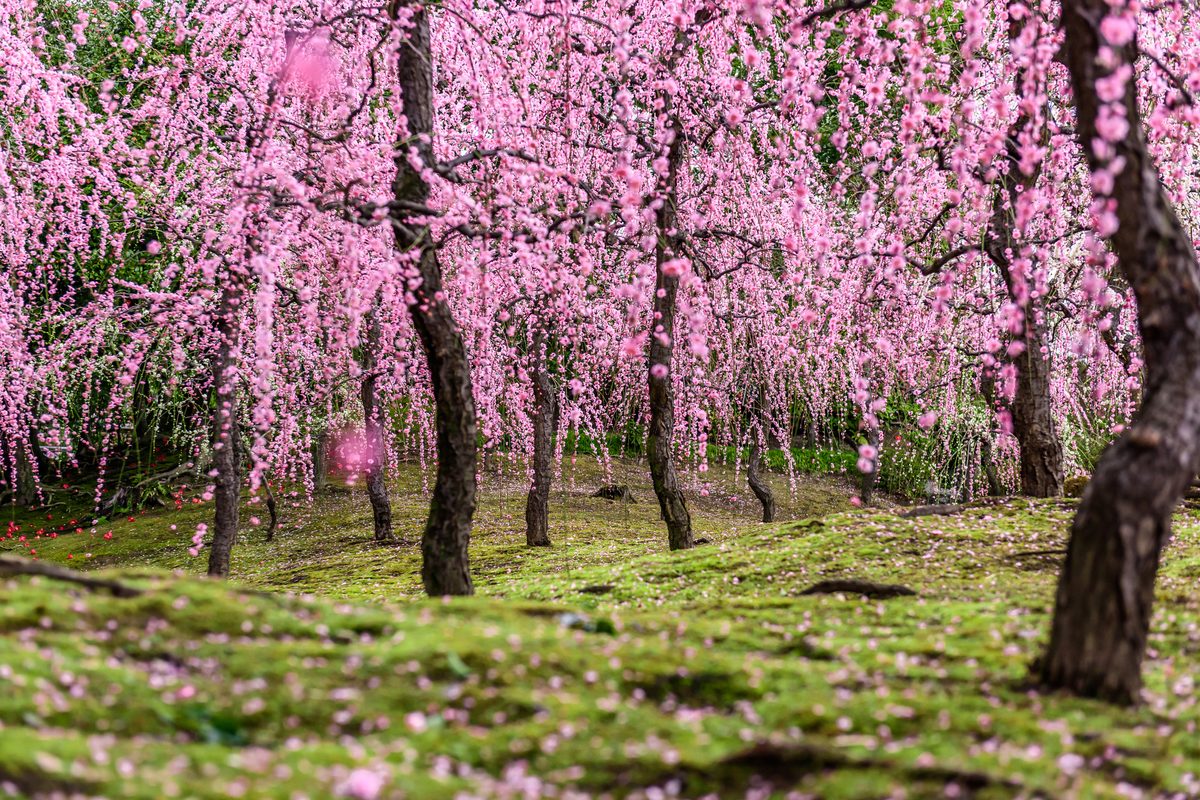
A serene Heian-era garden shrine in southern Kyoto, completely overlooked by the tourist circuit. The layered garden recreates the plant landscapes described in The Tale of Genji, transforming dramatically with each season — plum blossoms in February, wisteria in April, wild irises in summer.
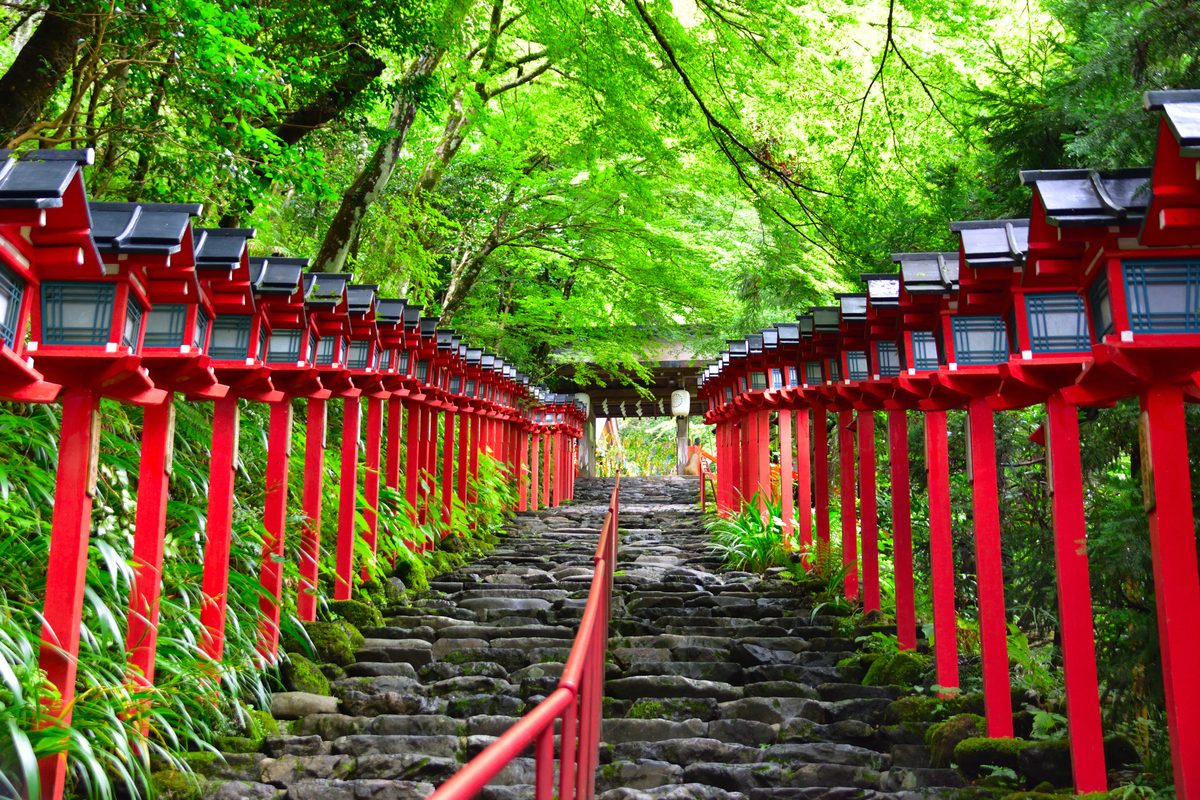
Kifune Shrine
Ascending through a cedar-forested mountain valley north of Kurama, Kifune Shrine is Kyoto's deity of water. The stone lantern-flanked approach through moss and ancient trees is one of Japan's most atmospheric shrine paths. In summer, restaurants suspend dining platforms over the mountain stream (kawadoko dining).
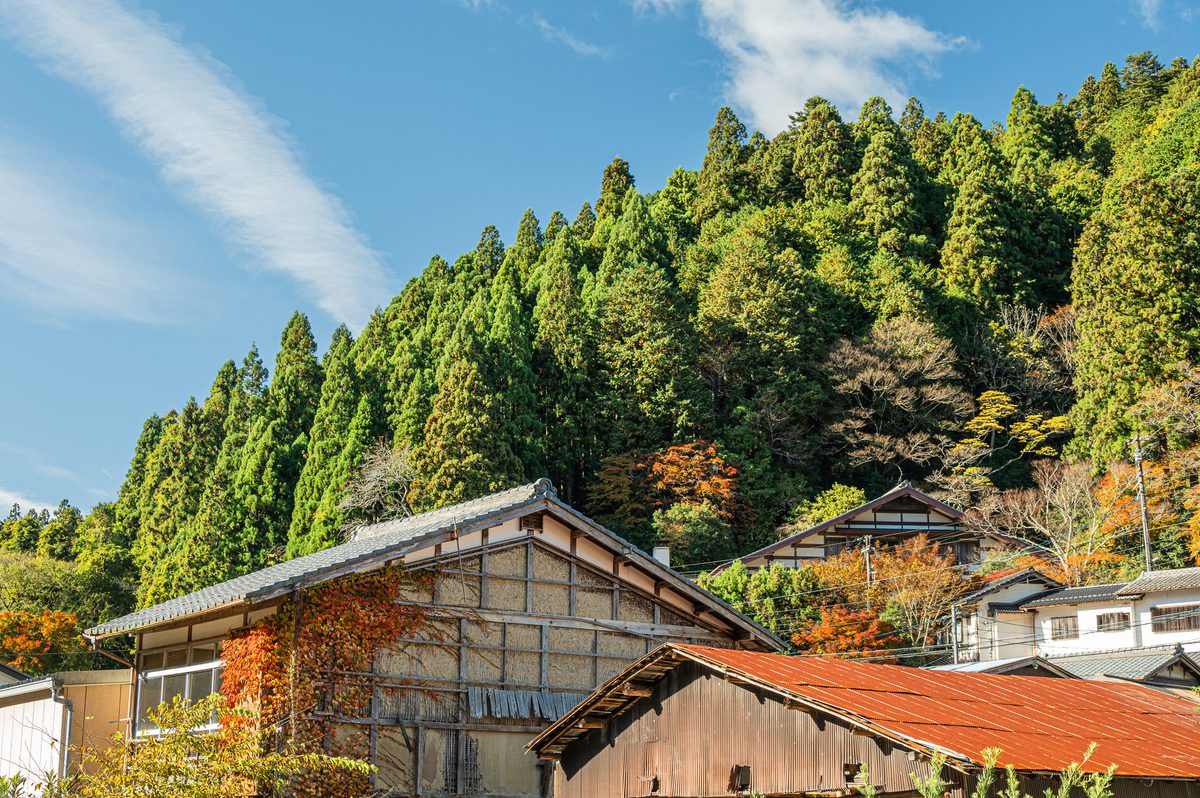
Kurama Village & Temple
A mountain village 30 minutes from central Kyoto that feels centuries removed. The steep cedar-forested trail to Kurama-dera temple rewards climbers with mountain air, ancient moss, and the option to descend through bamboo groves to the hot spring village of Kibune. A full-day mountain escape from the city.
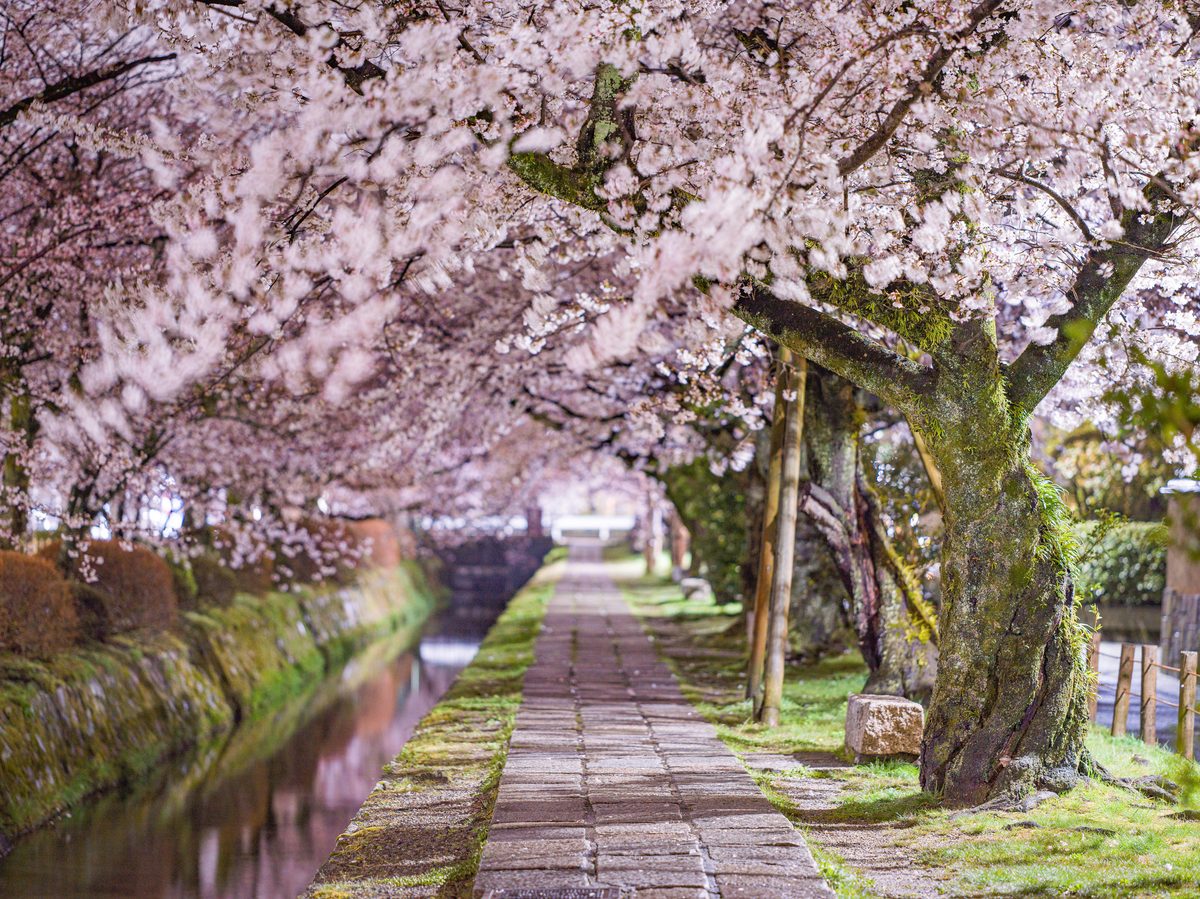
Philosopher's Path
A 2km canal-side walkway between Ginkakuji and Nanzenji, named after philosopher Nishida Kitaro who walked it daily. It connects eight major temples through an almost continuous canopy of cherry trees in spring and maple trees in autumn, passing quiet backstreet cafes and pottery studios.
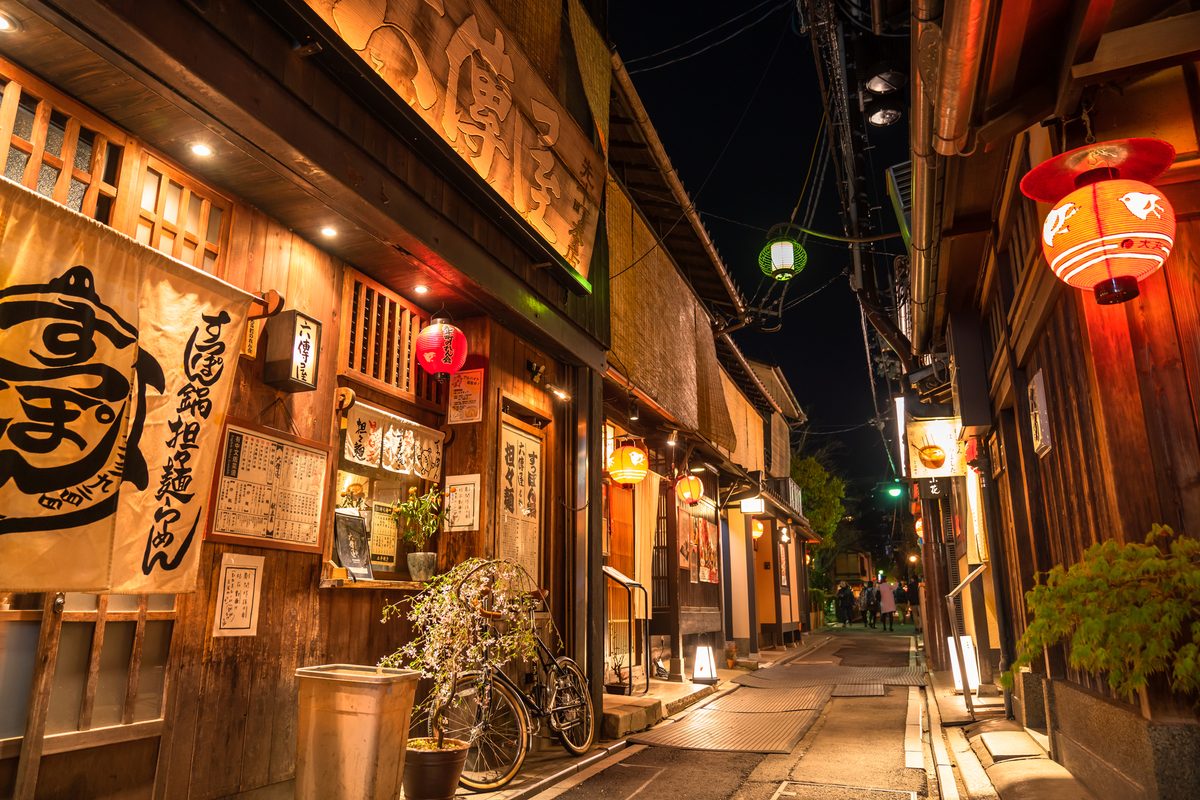
Pontocho
A single narrow lane running 500 metres between the Kamo River and Kiyamachi Street — Kyoto's most atmospheric dining corridor. In summer, restaurants extend wooden decks (kawayuka) over the river where diners eat in the breeze. The lane has no cars and no chain stores — only traditional restaurants and ochaya (geisha teahouses).
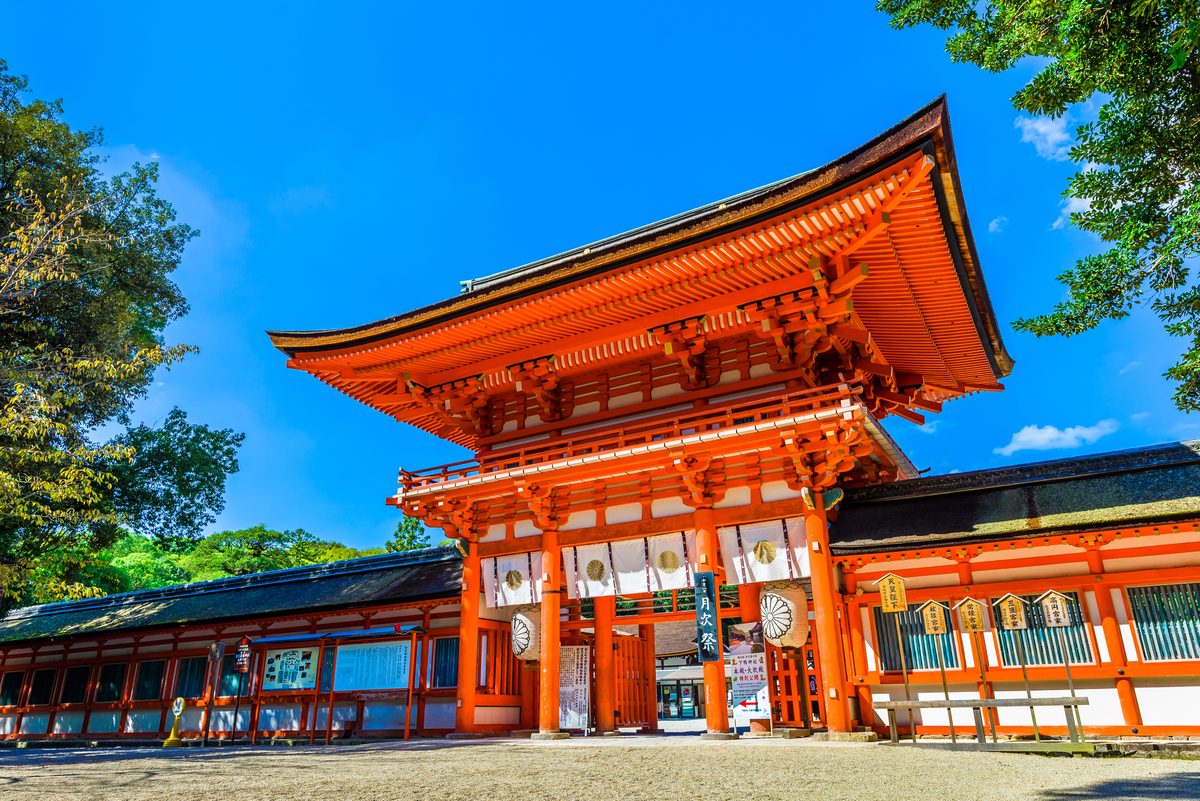
Shimogamo Shrine
One of Kyoto's oldest shrines (UNESCO), approached through the Tadasu no Mori — a primeval forest of 600-year-old trees untouched by the surrounding city. The forest path is far less crowded than the famous Fushimi Inari gates and gives a genuine sense of approaching an ancient sacred space. The shrine hosts the Aoi Festival in May.
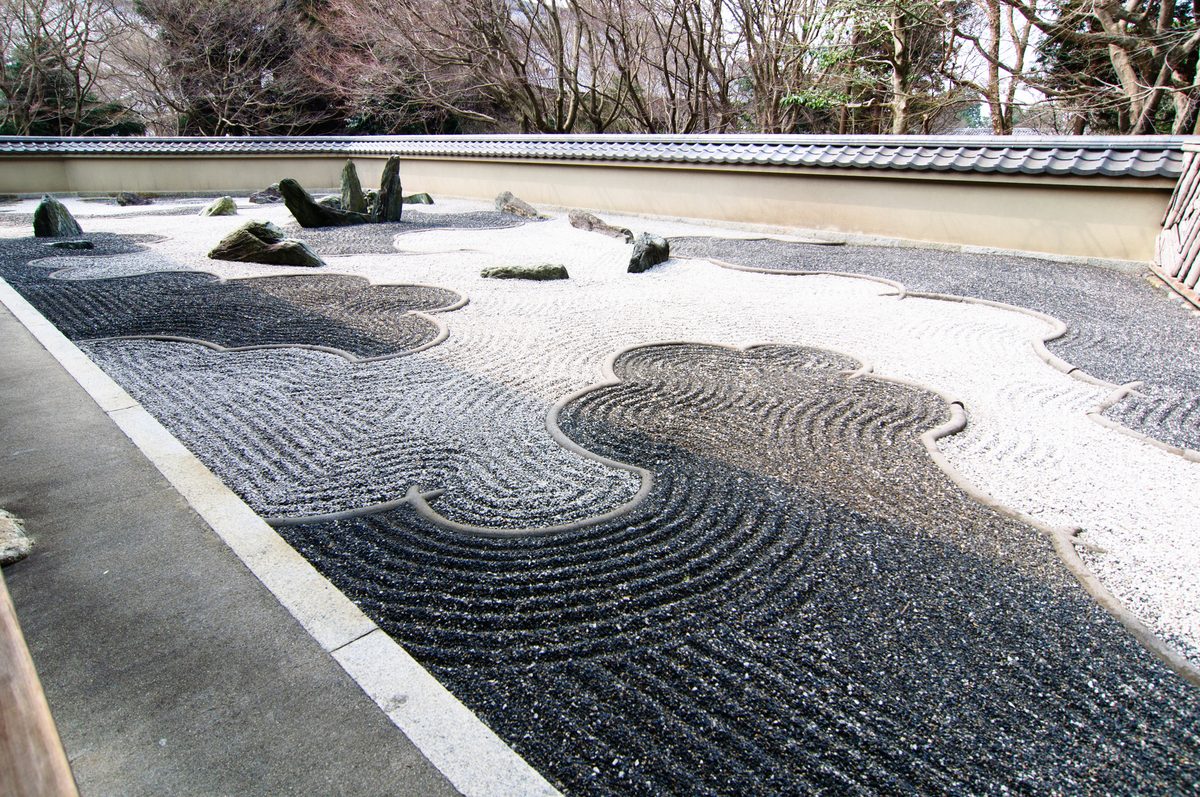
Tofukuji Garden
A Zen temple famous for Japan's most radical garden — the Hojo garden designed by Mirei Shigemori in 1939, featuring a stark chessboard pattern of moss and stone squares. The autumn foliage over the Tsutenkyo bridge rivals any in Kyoto. The temple sits at the southern end of the city and avoids the worst crowds.
Advertisement
When to Visit Kyoto
Peak spots by season — ordered by best match.
More from Kansai
Other prefectures in the same region
Ready to visit Kyoto?
Let AI build a personalized day-by-day itinerary based on your interests and travel style.
Create a Kyoto Itinerary