
Mie Travel Guide
Birthplace of Japan's spiritual life. Ise Jingu — the nation's most sacred Shinto shrine complex — anchors a prefecture that also contains the Kumano Kodo UNESCO pilgrimage routes, the pearl-diving ama women of Toba, and the remote sacred peaks of Odaigahara. Matsusaka beef, argued by some connoisseurs to rival Kobe, is the local table's crowning achievement.
Hidden Gems in Mie
Hand-picked spots off the tourist trail — all personally curated.
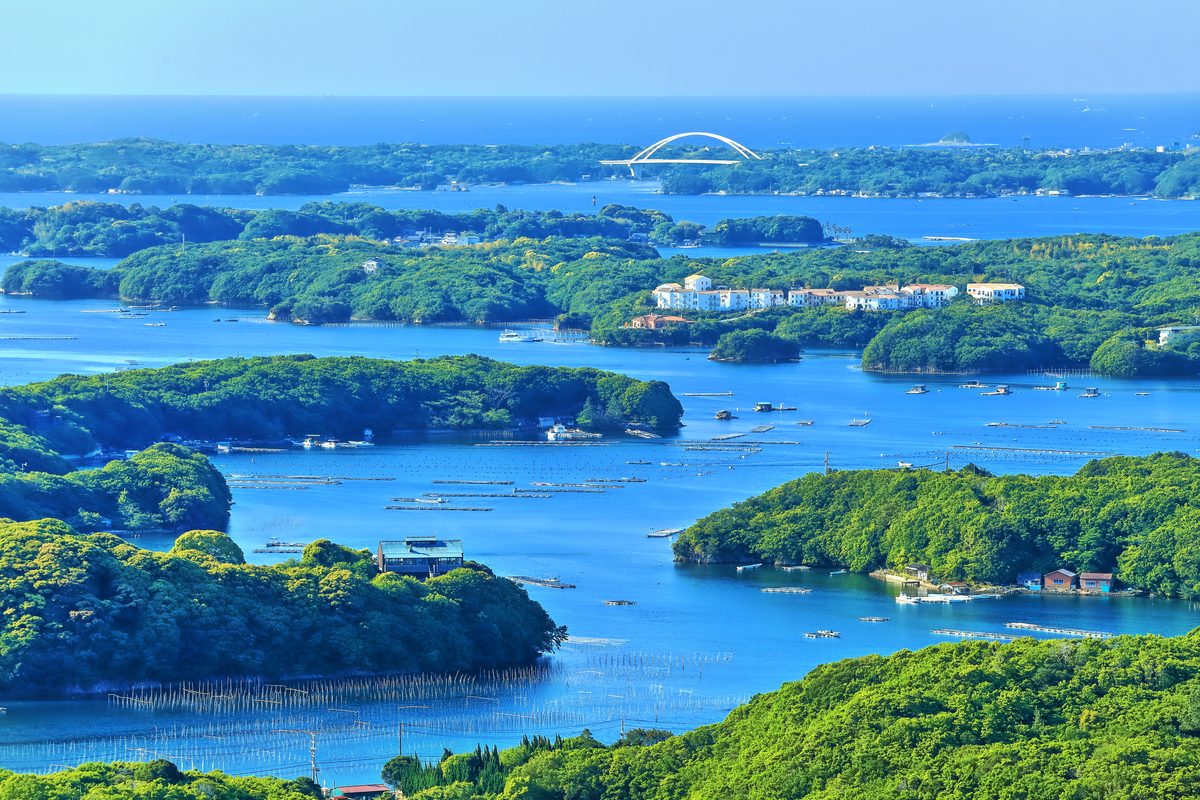
Ago Bay Pearl Farms
The sheltered, island-dotted bay where Mikimoto Kokichi cultivated the world's first cultured pearl in 1893, creating an industry that transformed Japan. Boat tours pass working pearl raft farms where akoya oysters still grow under the same conditions. Toba Aquarium beside the bay is Japan's largest and most scientifically serious.
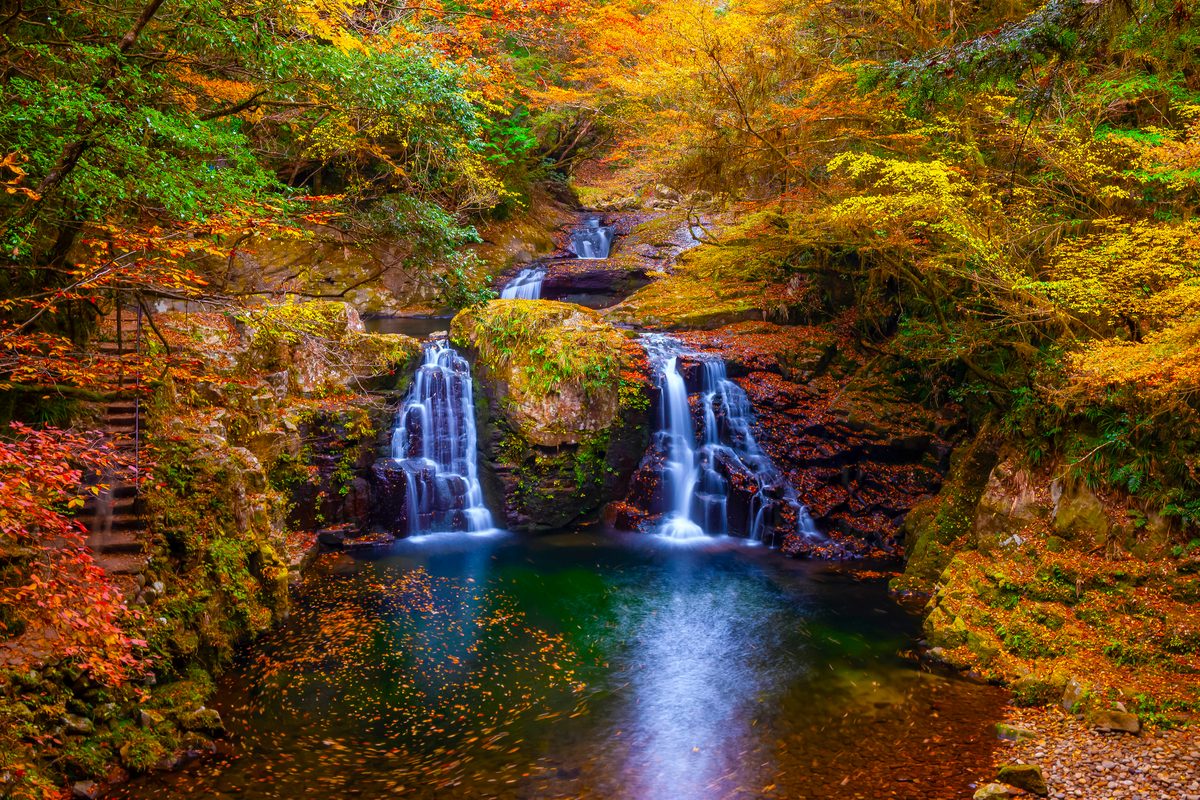
Akame 48 Waterfalls
A spectacular gorge hike through 4km of ancient forest passing 48 named waterfalls — from gentle veils to thundering drops. The trail is a designated area of natural monument, filled with giant ferns, giant salamanders (Japan's largest amphibian), and fireflies in early summer. The name "Akame" (red-eye) comes from the giant salamander's eyes.
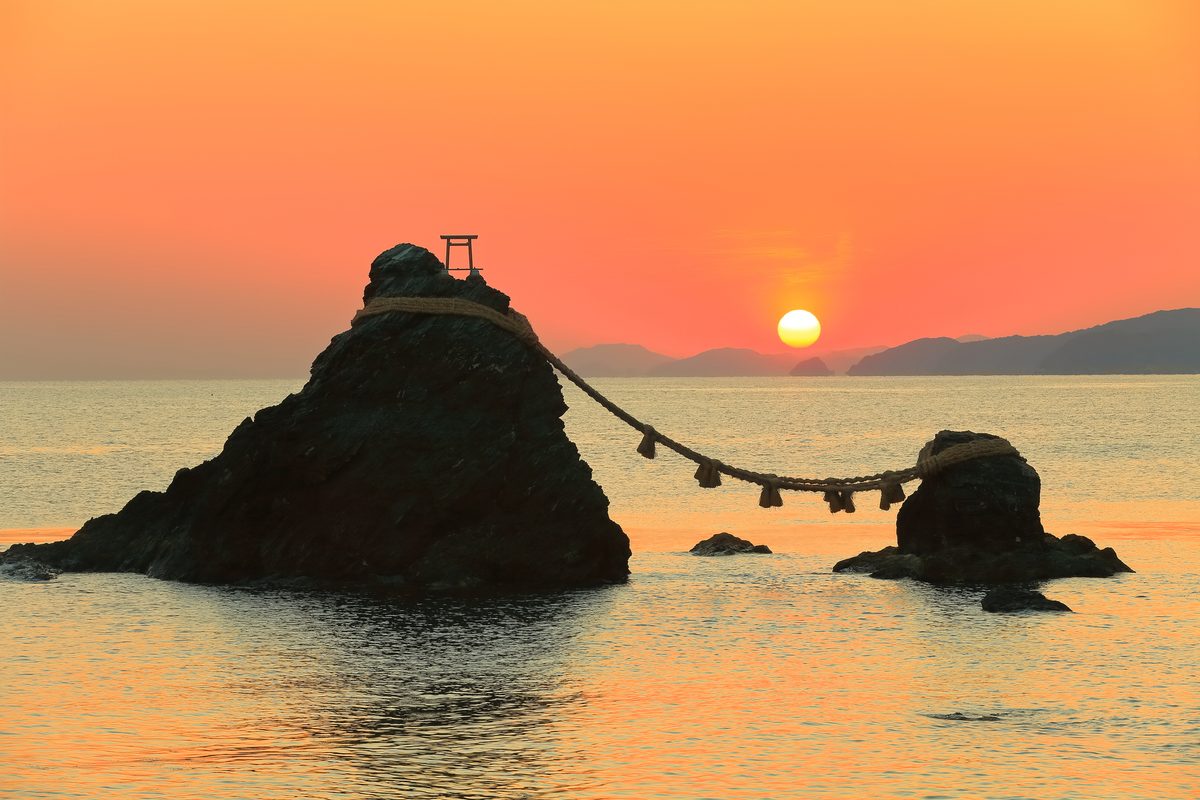
Futami Okitama Shrine & Meoto Iwa
A Shinto shrine on the coast where two sacred rocks — the "Married Couple Rocks" (Meoto Iwa) — are joined by a shimenawa rope renewed three times a year. The large rock enshrines Amaterasu and the small rock her husband — a symbol of marriage, partnership, and renewal. The sunrise between the rocks on the summer solstice is a famous ritual.
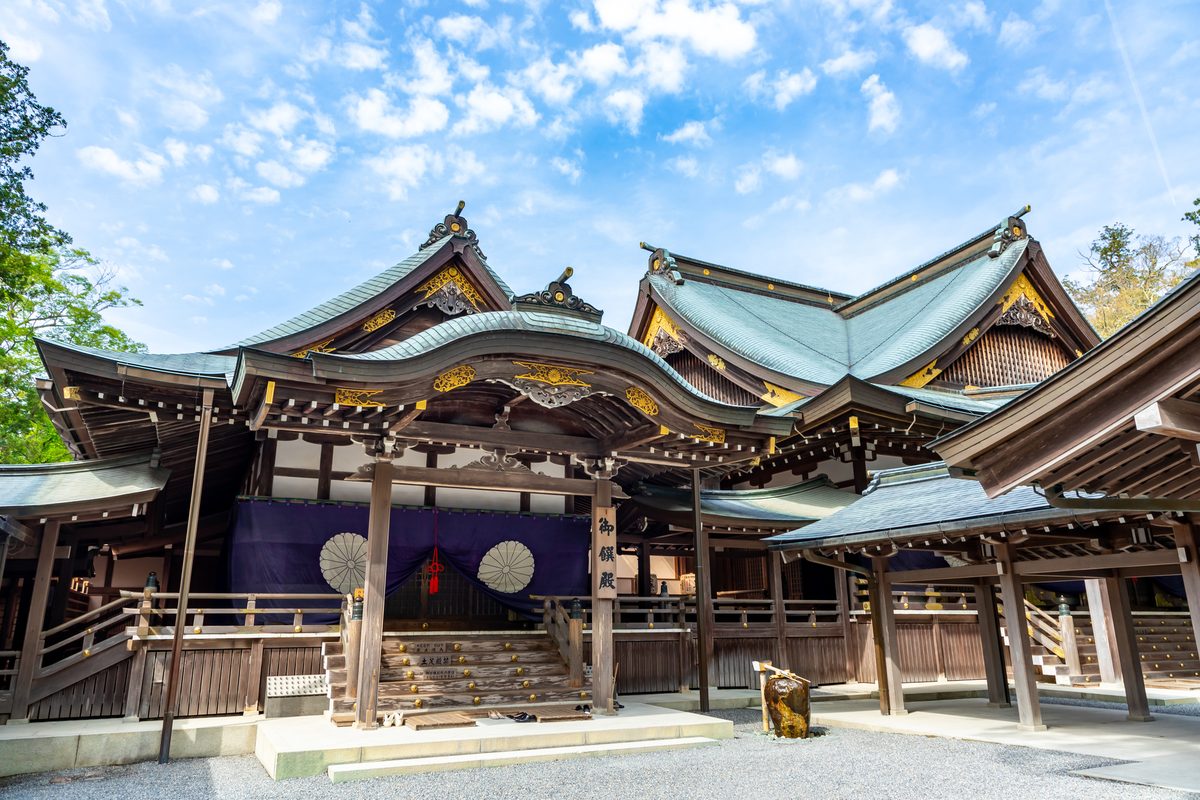
Ise Grand Shrine (Naiku)
Japan's most sacred Shinto site — the inner shrine (Naiku) enshrines Amaterasu, the sun goddess and ancestor of the imperial family. The shrine buildings are rebuilt from scratch every 20 years using ancient carpentry techniques (the 2013 ceremony was the 62nd rebuilding). No photographs are allowed inside the inner compound.
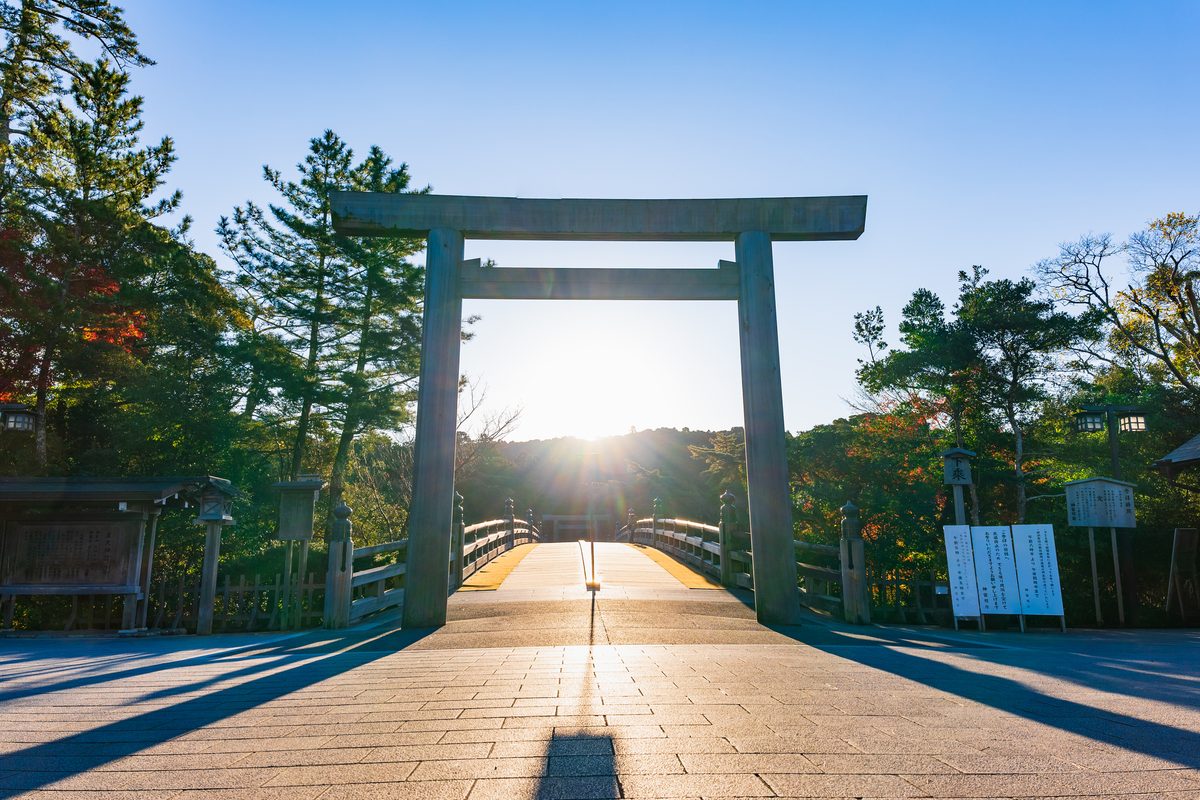
Ise Jingu
Japan's most sacred Shinto shrine complex, dedicated to the sun goddess Amaterasu and rebuilt in identical form every 20 years — a ritual of renewal (Shikinen Sengu) performed continuously since 690 AD. The approach through cedar forest and over the Uji Bridge creates a transition between worlds that even secular visitors find deeply moving.
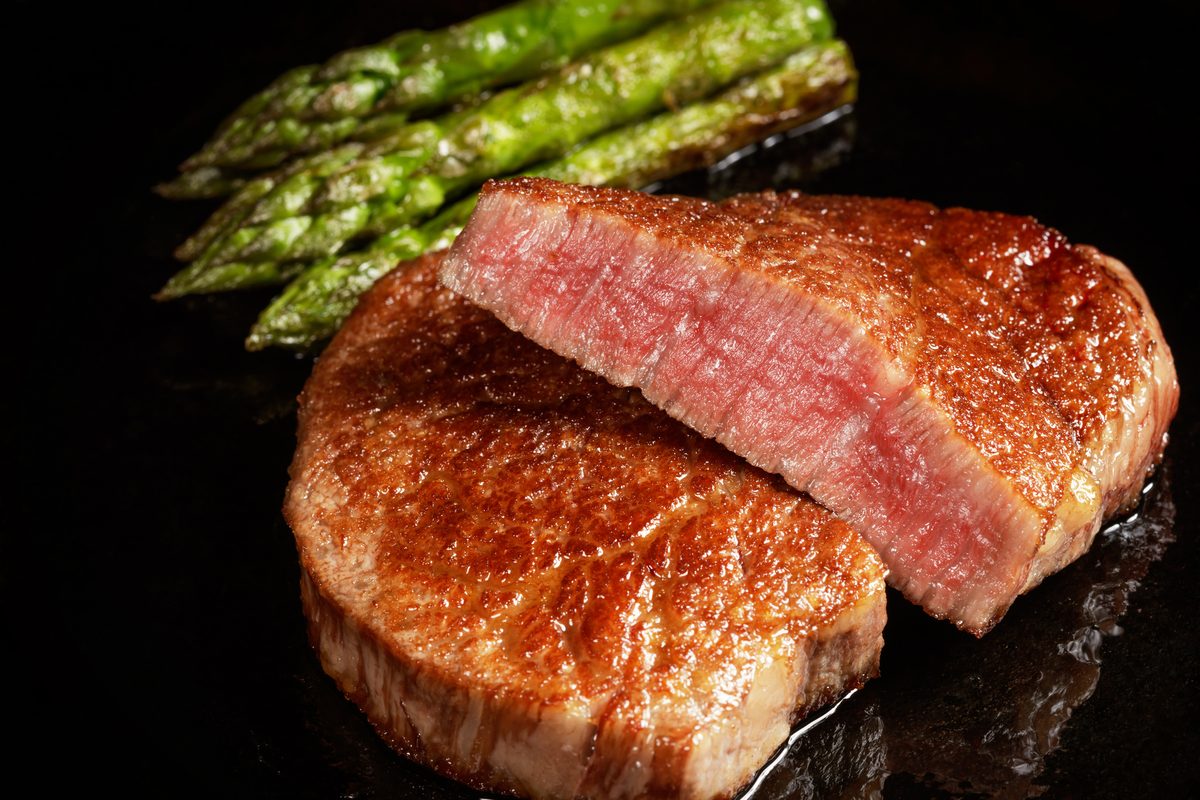
Matsusaka — Japan's Wagyu Capital
Matsusaka beef is widely considered Japan's finest wagyu — the cattle here receive beer, sake, and daily brushing massages. The preserved merchant townscape (Matsusaka-jo Castle ruins and old Mitsui Family Homestead) adds cultural depth to what is otherwise a serious food pilgrimage town. The beef is available as shabu-shabu, sukiyaki, and teppanyaki.
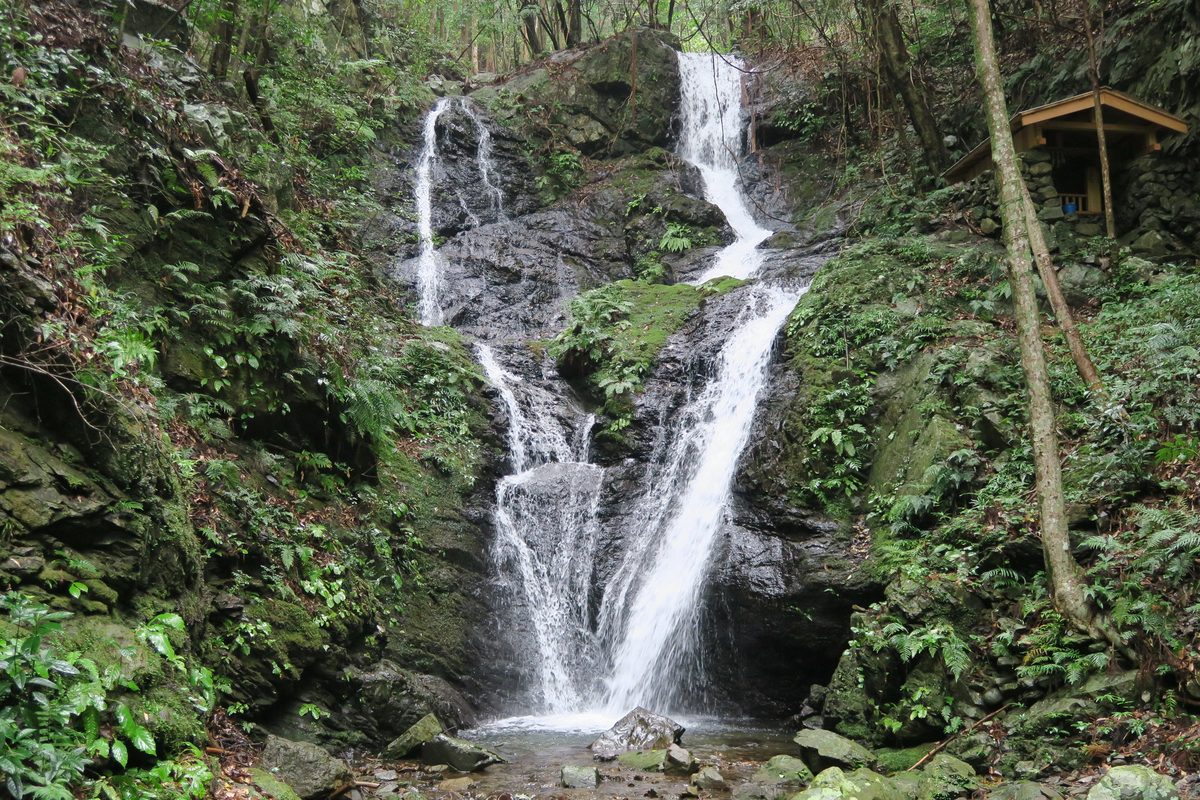
Odaki & Medaki Falls — Mifune Valley
A pair of sacred waterfalls in the deep cedar forests of Odai-cho — the male fall (Odaki, 60m) and female fall (Medaki, 30m) face each other across a moss-carpeted valley. Used for centuries as training grounds by ascetic Shugendo monks who stood under the falls in meditation. The area is part of the Yoshino-Kumano National Park.
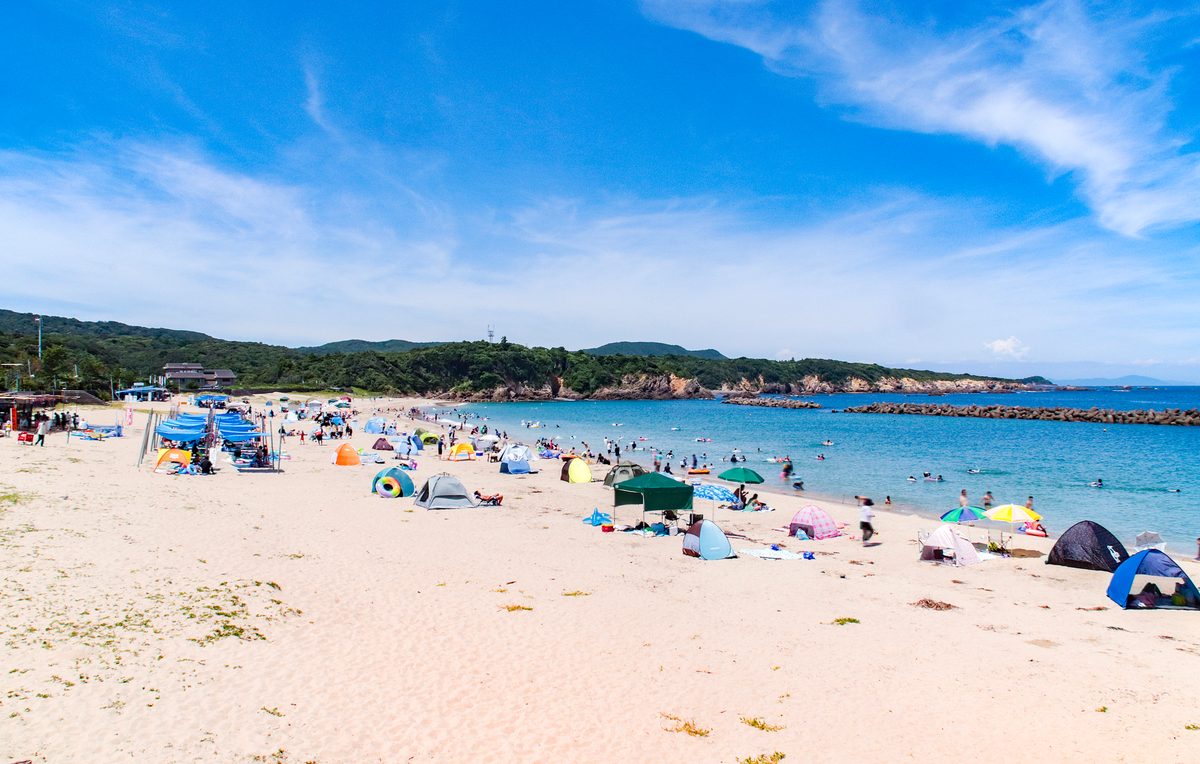
Osatsu — Last Ama Diving Village
The last working village of ama — Japan's traditional female free-divers who have harvested abalone, sea urchin, and pearls for 2,000 years. In Osatsu, over 60 active ama divers aged 25–80 dive without equipment to depths of 15 metres. The isobeya (warm-up huts) serve ama-cooked seafood meals directly after morning dives.
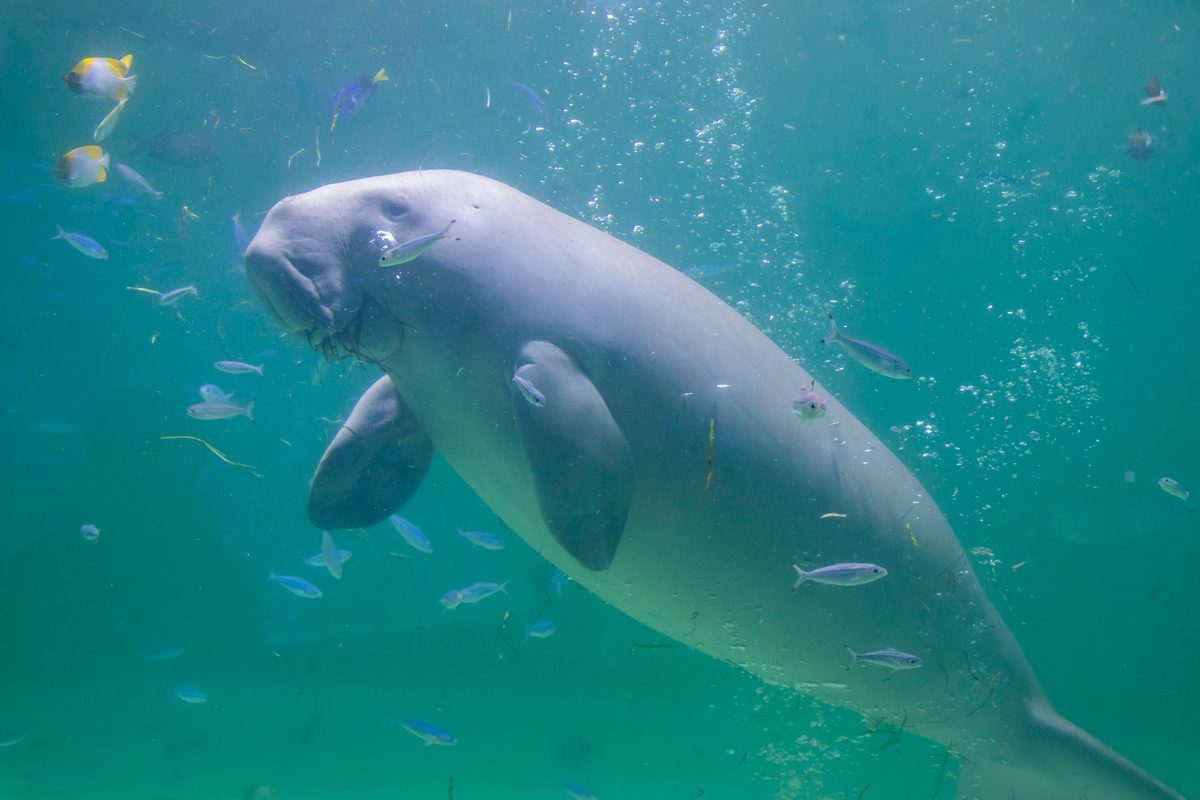
Toba Aquarium
Japan's most species-diverse aquarium — 1,200 species in 30 themed halls built around Toba Bay. The dugong (sea cow) exhibit is the only one in Japan outside Okinawa. The bay-side location allows live pearl diving demonstrations and ama diver performances, connecting the aquarium directly to the Mie fishing culture.
Advertisement
When to Visit Mie
Peak spots by season — ordered by best match.
More from Kansai
Other prefectures in the same region
Ready to visit Mie?
Let AI build a personalized day-by-day itinerary based on your interests and travel style.
Create a Mie Itinerary