
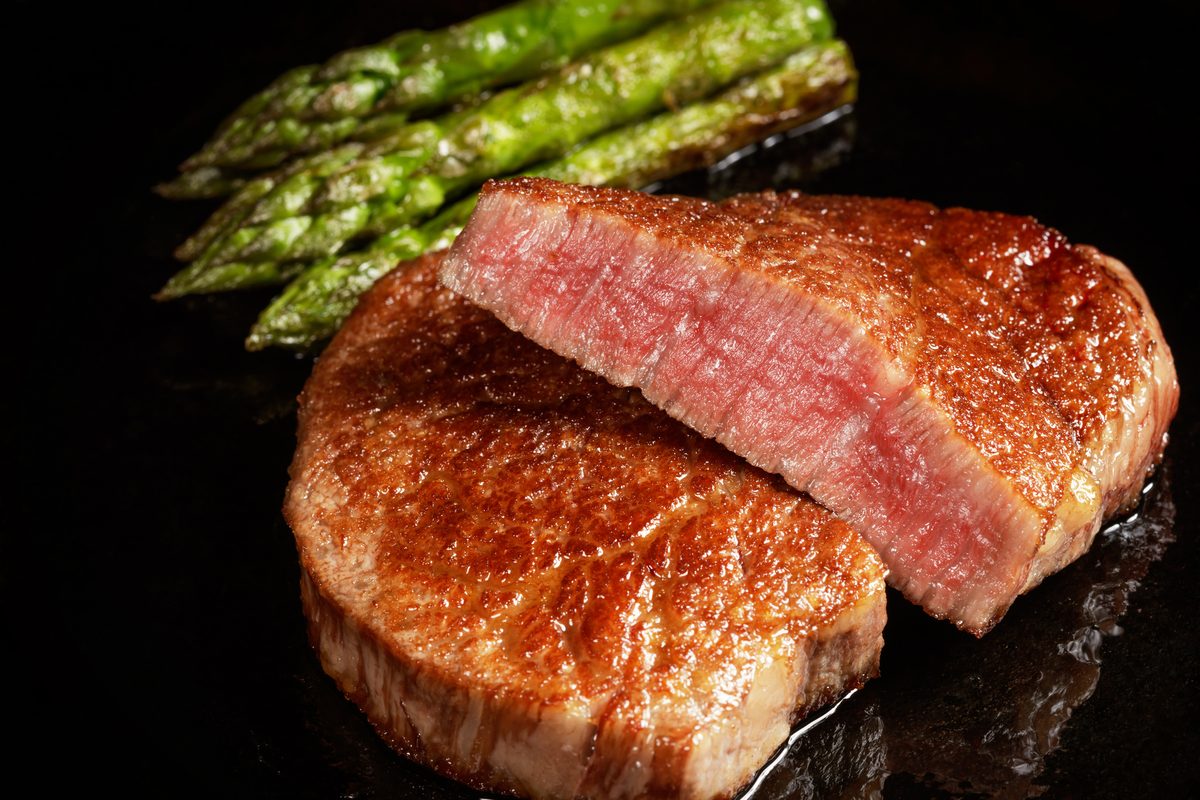
Matsusaka — Japan's Wagyu Capital
Matsusaka beef is widely considered Japan's finest wagyu — the cattle here receive beer, sake, and daily brushing massages. The preserved merchant townscape (Matsusaka-jo Castle ruins and old Mitsui Family Homestead) adds cultural depth to what is otherwise a serious food pilgrimage town. The beef is available as shabu-shabu, sukiyaki, and teppanyaki.
Half day
Free (restaurant costs vary)
City always accessible; wagyu restaurants: typically 11:00–14:00 and 17:00–21:00; book lunch in advance
Year-round
Matsusaka Station on JR Kisei Line / Kintetsu (40 min from Tsu)
Location
Why Visit
- 1
Matsusaka beef — competing with Kobe and Ohmi for Japan's finest wagyu title, with a devoted cult following
- 2
The cattle are brushed daily and given beer — the fat distribution is extraordinary
- 3
The old Mitsui Family Homestead in the castle ruins district is Japan's finest Edo merchant house
Local Tips
Matsusaka beef (Matsusaka-ushi) is considered by many Japan's finest wagyu — the cattle are raised on a strictly controlled diet including beer and massage. Wadakin restaurant (the most famous, since 1878) requires advance booking weeks ahead. Morino Koen (a farm with cattle viewing) and the old merchant district around Matsusaka Castle ruins add context.
Add to your AI itinerary
Let AI build a multi-day trip around this spot.
Advertisement
More in Mie
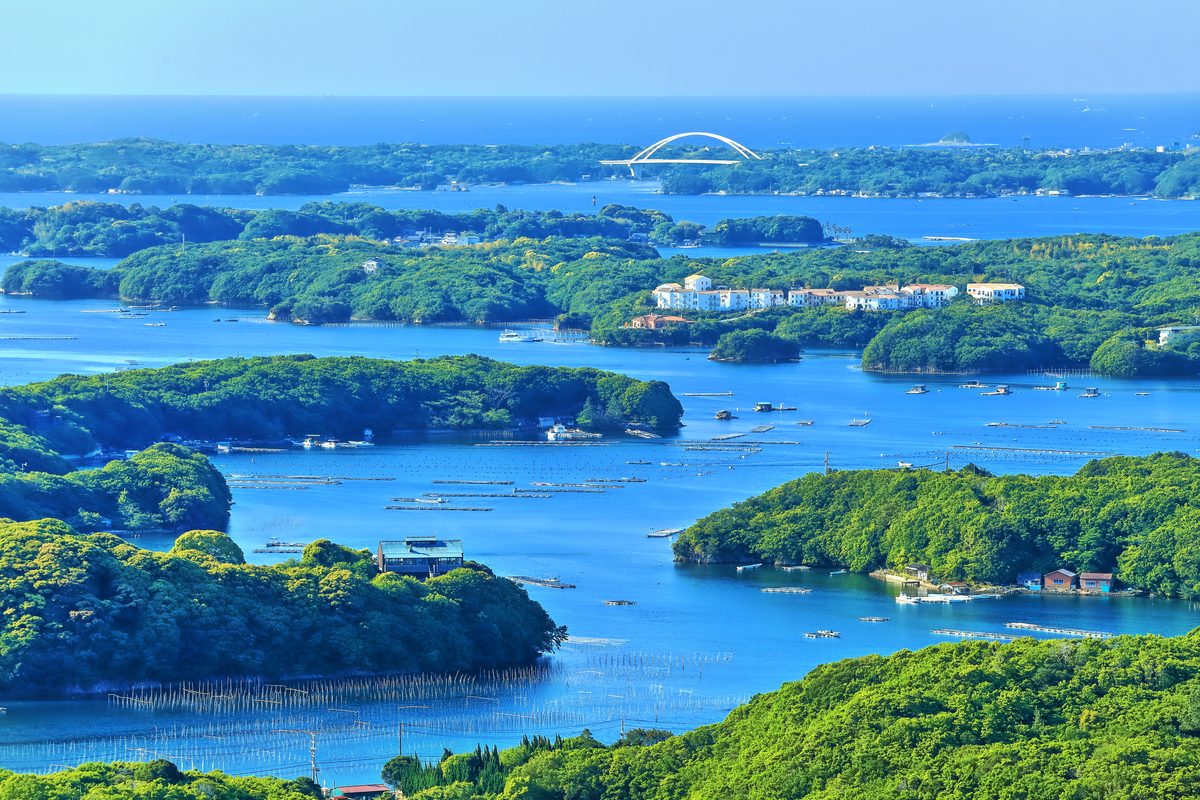
Ago Bay Pearl Farms
The sheltered, island-dotted bay where Mikimoto Kokichi cultivated the world's first cultured pearl in 1893, creating an industry that transformed Japan. Boat tours pass working pearl raft farms where akoya oysters still grow under the same conditions. Toba Aquarium beside the bay is Japan's largest and most scientifically serious.
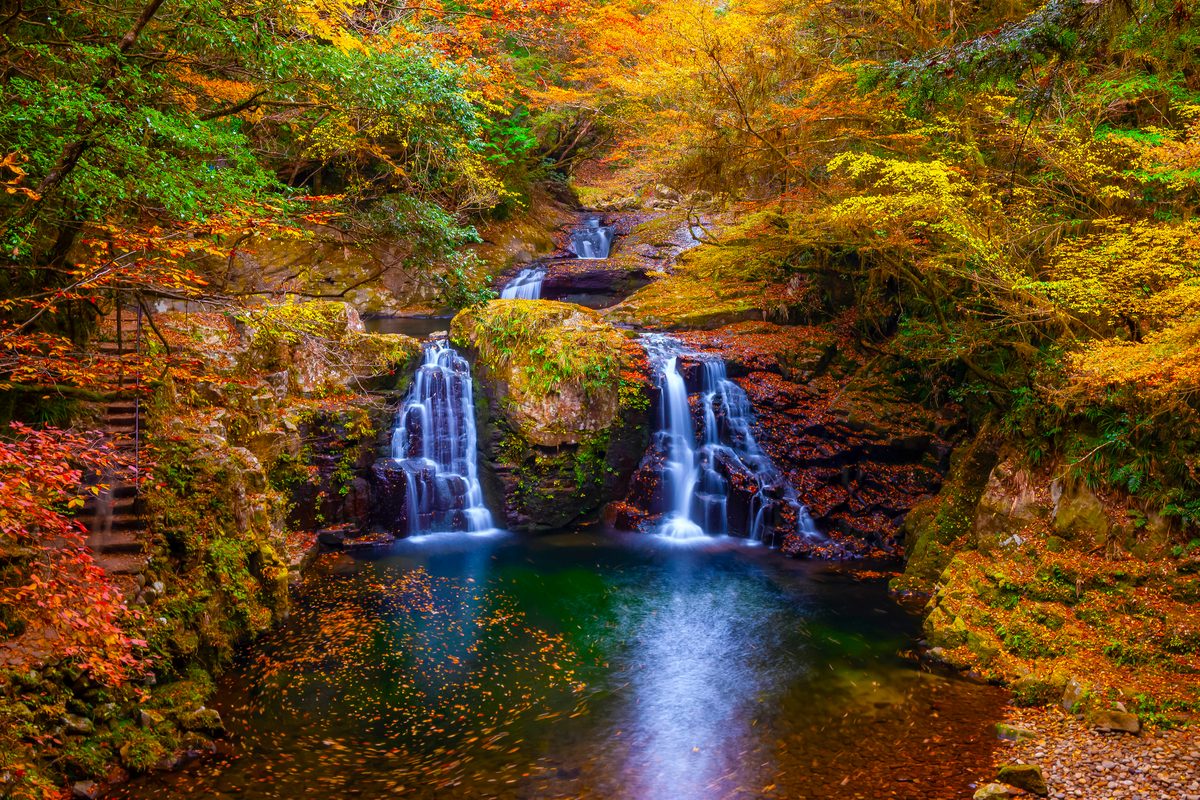
Akame 48 Waterfalls
A spectacular gorge hike through 4km of ancient forest passing 48 named waterfalls — from gentle veils to thundering drops. The trail is a designated area of natural monument, filled with giant ferns, giant salamanders (Japan's largest amphibian), and fireflies in early summer. The name "Akame" (red-eye) comes from the giant salamander's eyes.
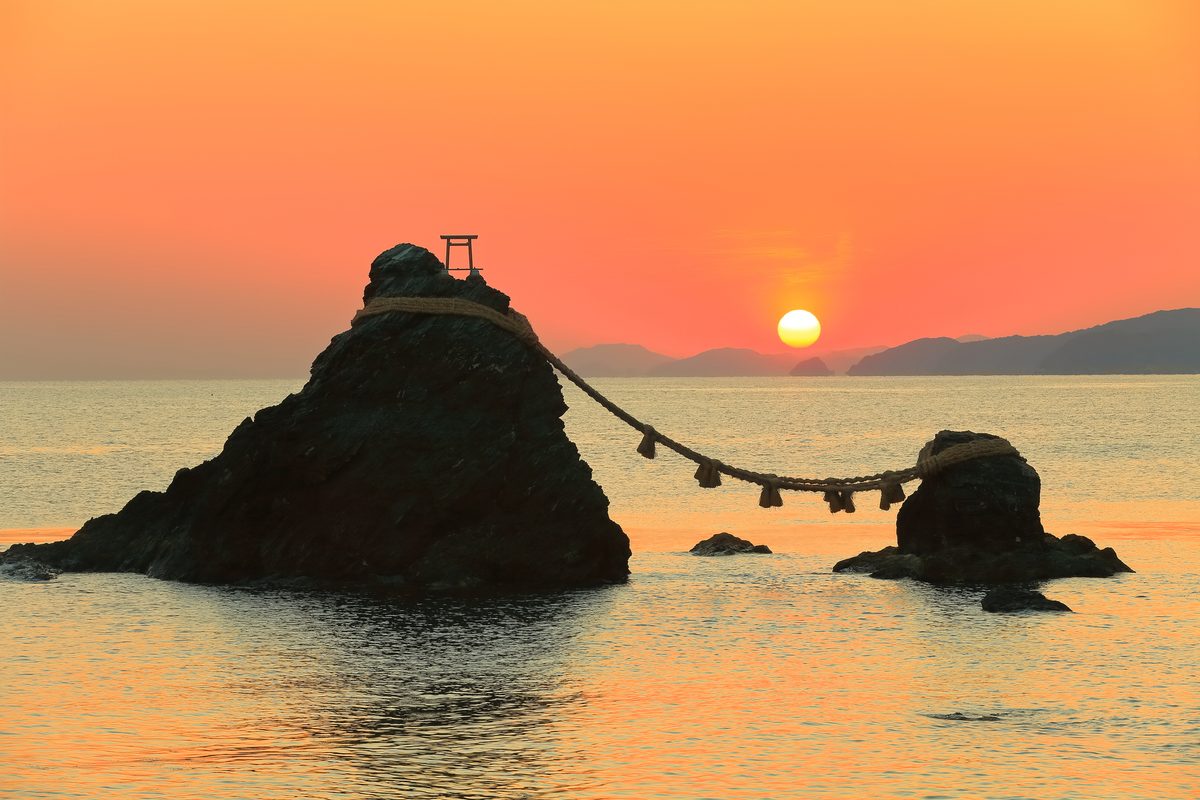
Futami Okitama Shrine & Meoto Iwa
A Shinto shrine on the coast where two sacred rocks — the "Married Couple Rocks" (Meoto Iwa) — are joined by a shimenawa rope renewed three times a year. The large rock enshrines Amaterasu and the small rock her husband — a symbol of marriage, partnership, and renewal. The sunrise between the rocks on the summer solstice is a famous ritual.