
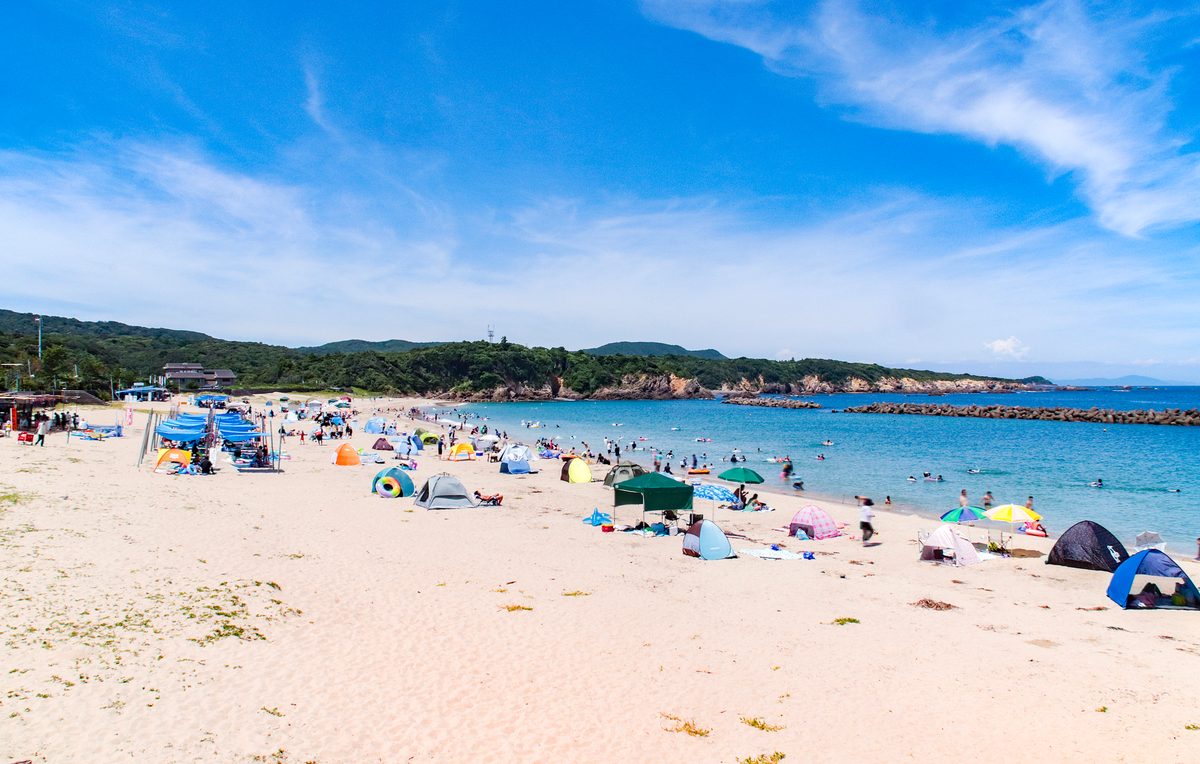
Osatsu — Last Ama Diving Village
The last working village of ama — Japan's traditional female free-divers who have harvested abalone, sea urchin, and pearls for 2,000 years. In Osatsu, over 60 active ama divers aged 25–80 dive without equipment to depths of 15 metres. The isobeya (warm-up huts) serve ama-cooked seafood meals directly after morning dives.
Half day
Free (meal ¥3,000–6,000)
Village accessible year-round; Hachiman Kamado ama dining: available year-round (reservation recommended)
May–September (diving season)
Bus from Toba Station (Kintetsu), approx. 35–45 min to Osatsu (Oosatsu / Ishigan-sama-mae)
Location
Why Visit
- 1
Over 60 active ama divers — the largest concentration remaining anywhere in Japan
- 2
The isobeya (diver's hut) serves grilled abalone, sea urchin, and shellfish cooked by the divers themselves
- 3
A 2,000-year-old tradition preserved only here — designated by Mie Prefecture as living cultural heritage
Local Tips
Osatsu is the most active ama (female free-diver) village remaining in Japan — the women dive for abalone, conch, and sea urchin without oxygen tanks. The Hachiman Kamado experience lets visitors eat a meal cooked by ama divers in a traditional seafood hut (isobeyaki style). Reserve the meal well in advance. The nearest ama dive observation is from the port dock at low tide.
Add to your AI itinerary
Let AI build a multi-day trip around this spot.
Advertisement
More in Mie
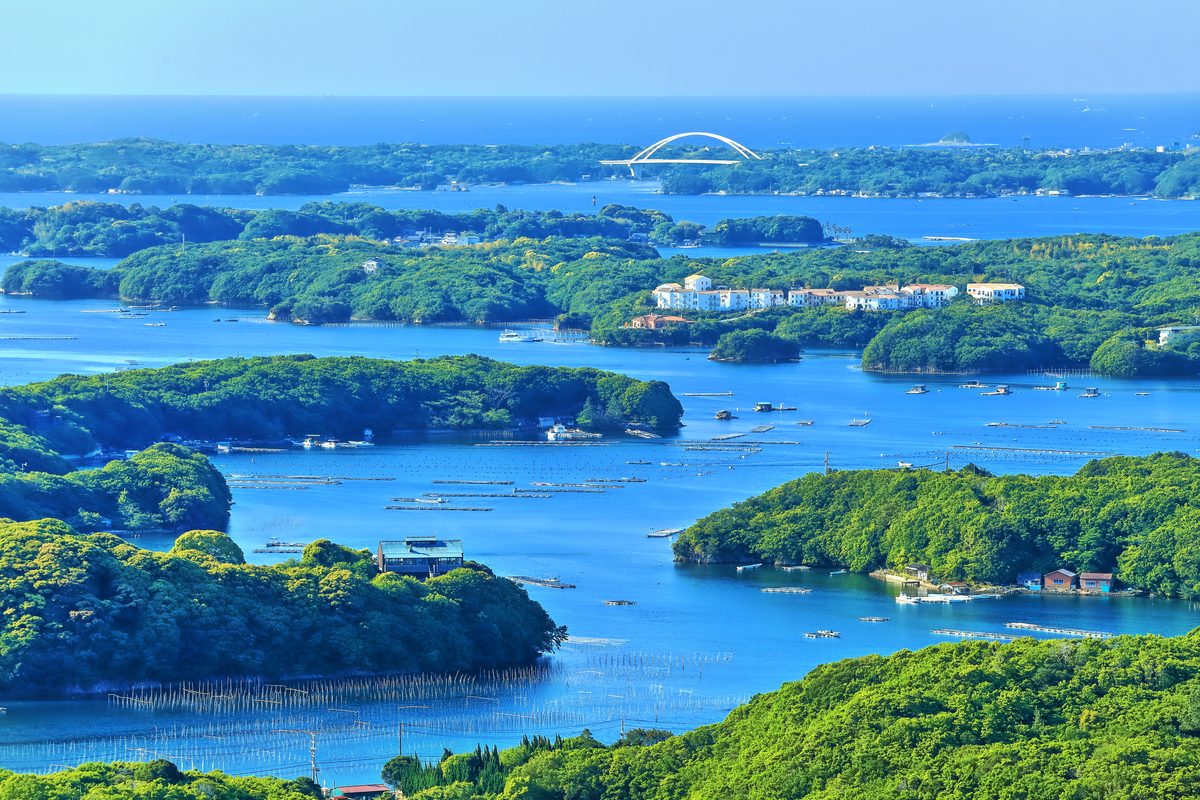
Ago Bay Pearl Farms
The sheltered, island-dotted bay where Mikimoto Kokichi cultivated the world's first cultured pearl in 1893, creating an industry that transformed Japan. Boat tours pass working pearl raft farms where akoya oysters still grow under the same conditions. Toba Aquarium beside the bay is Japan's largest and most scientifically serious.
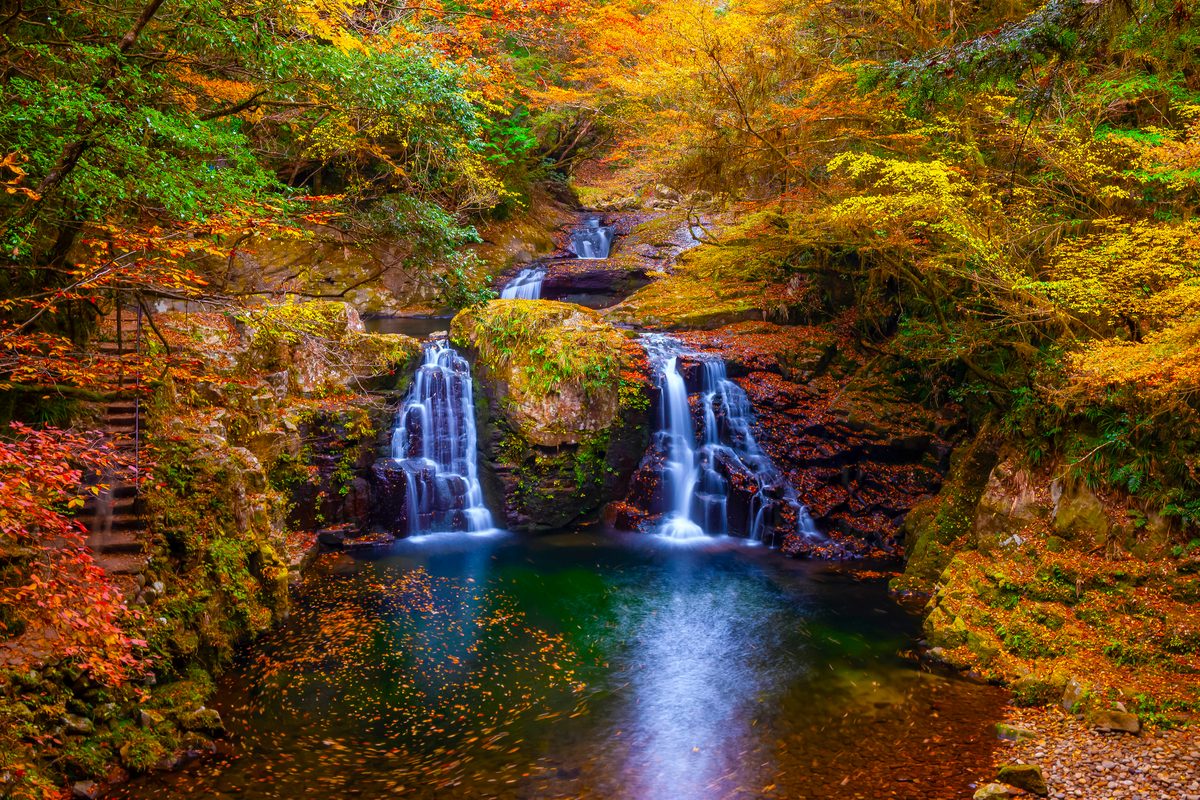
Akame 48 Waterfalls
A spectacular gorge hike through 4km of ancient forest passing 48 named waterfalls — from gentle veils to thundering drops. The trail is a designated area of natural monument, filled with giant ferns, giant salamanders (Japan's largest amphibian), and fireflies in early summer. The name "Akame" (red-eye) comes from the giant salamander's eyes.
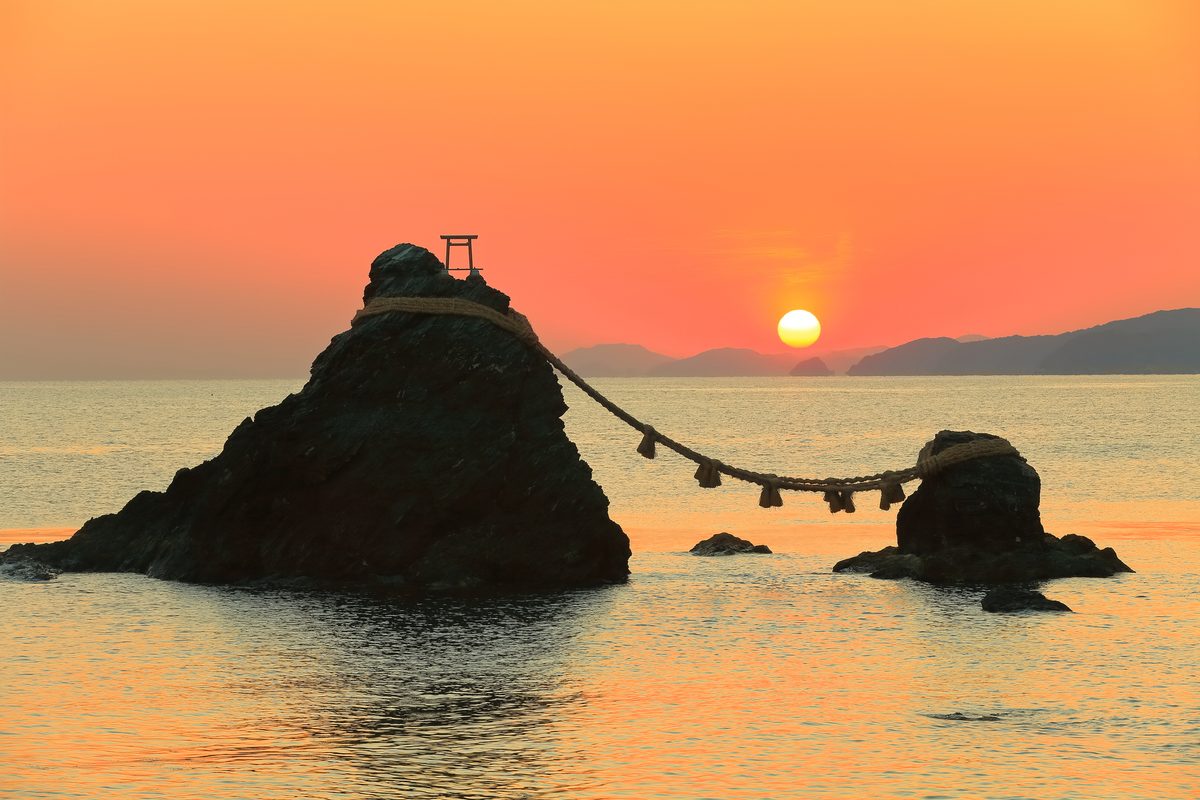
Futami Okitama Shrine & Meoto Iwa
A Shinto shrine on the coast where two sacred rocks — the "Married Couple Rocks" (Meoto Iwa) — are joined by a shimenawa rope renewed three times a year. The large rock enshrines Amaterasu and the small rock her husband — a symbol of marriage, partnership, and renewal. The sunrise between the rocks on the summer solstice is a famous ritual.