
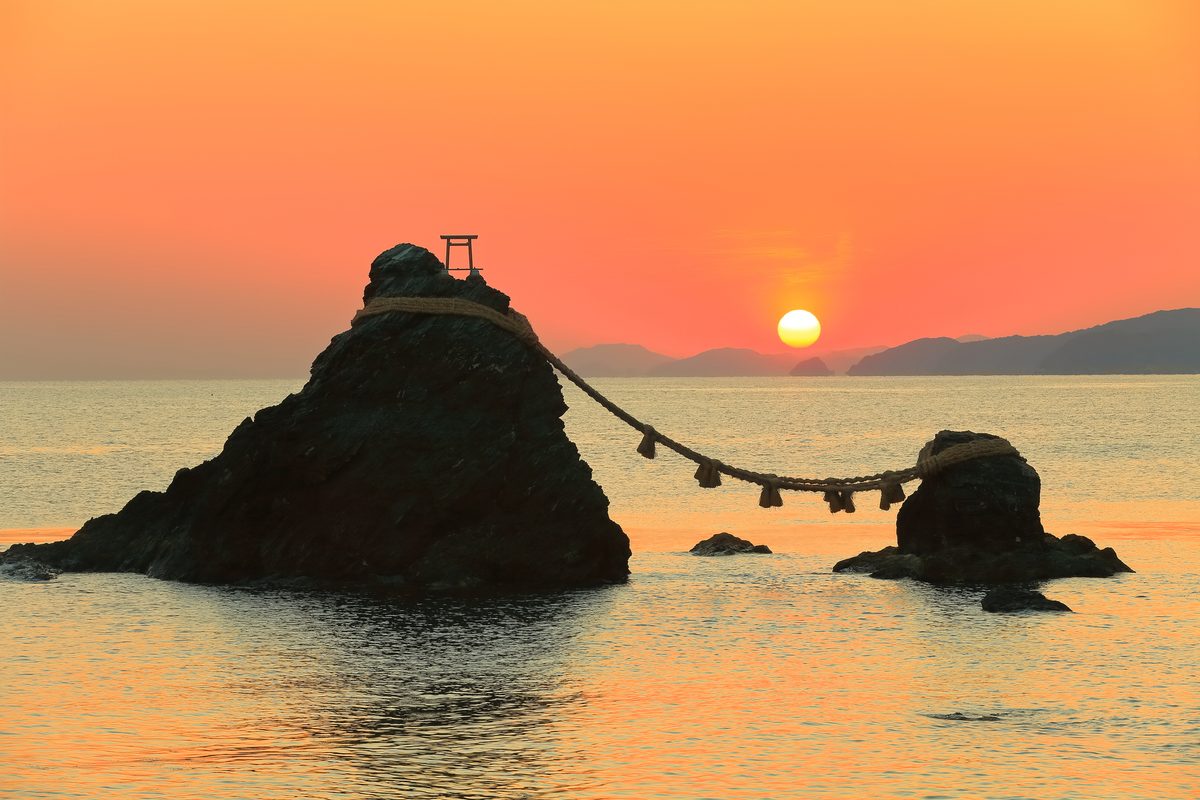
Futami Okitama Shrine & Meoto Iwa
A Shinto shrine on the coast where two sacred rocks — the "Married Couple Rocks" (Meoto Iwa) — are joined by a shimenawa rope renewed three times a year. The large rock enshrines Amaterasu and the small rock her husband — a symbol of marriage, partnership, and renewal. The sunrise between the rocks on the summer solstice is a famous ritual.
30–60 min
Free
Shrine: 5:00–sunset; rocks always visible from the shore
Year-round (summer solstice sunrise is special)
Futaminoura Station on JR Sangu Line (10 min from Iseshi)
Location
Why Visit
- 1
Meoto Iwa — the "Married Couple Rocks" joined by a 35-metre shimenawa rope weighing over a tonne, replaced in ceremony each May, September, and December
- 2
Summer solstice sunrise rises directly between the two rocks — photographed for thousands of years
- 3
The shrine is attended by hundreds of frog statues — frogs (kaeru) signify "returning" and safe travels
Local Tips
The wedded rocks are joined by a hemp rope (shimenawa) renewed three times a year in ceremony. Summer solstice sunrise (around June 21) aligns perfectly between the rocks — a spectacular and popular event. The shrine is a required stop for pilgrims heading to Ise Grand Shrine, 15 minutes away by train.
Add to your AI itinerary
Let AI build a multi-day trip around this spot.
Advertisement
More in Mie
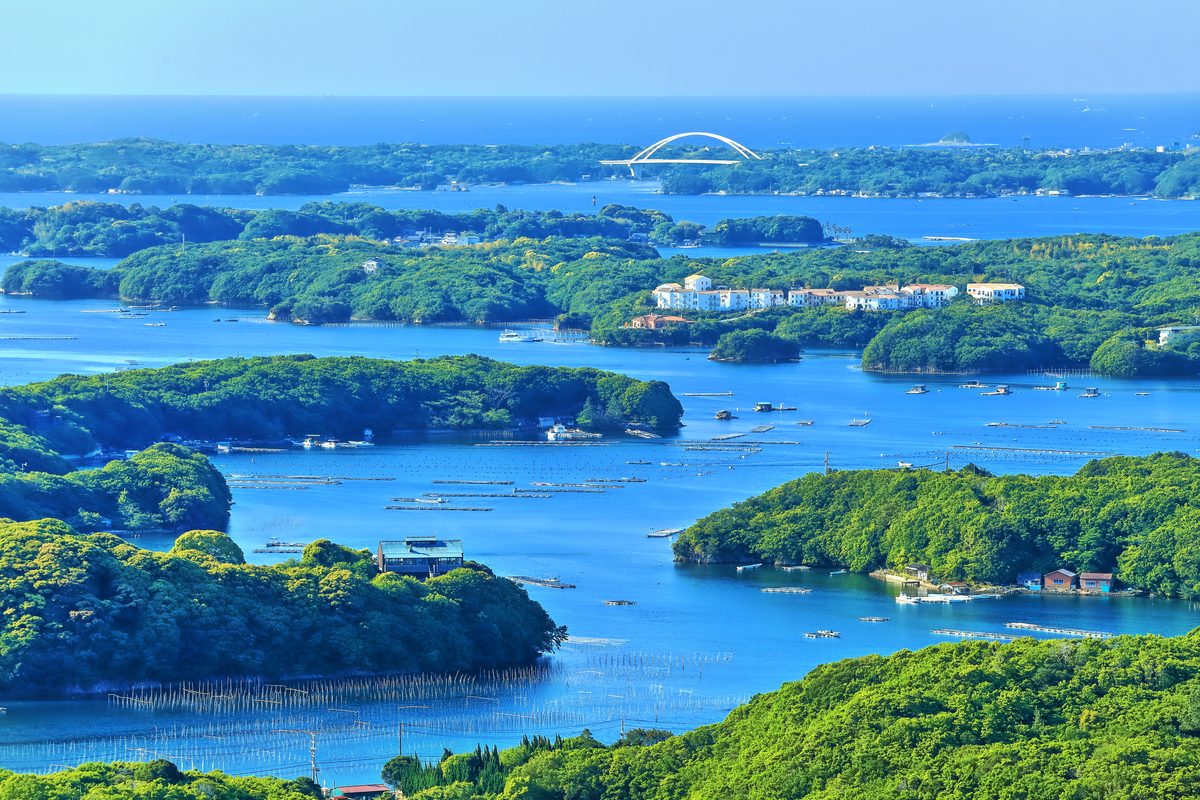
Ago Bay Pearl Farms
The sheltered, island-dotted bay where Mikimoto Kokichi cultivated the world's first cultured pearl in 1893, creating an industry that transformed Japan. Boat tours pass working pearl raft farms where akoya oysters still grow under the same conditions. Toba Aquarium beside the bay is Japan's largest and most scientifically serious.
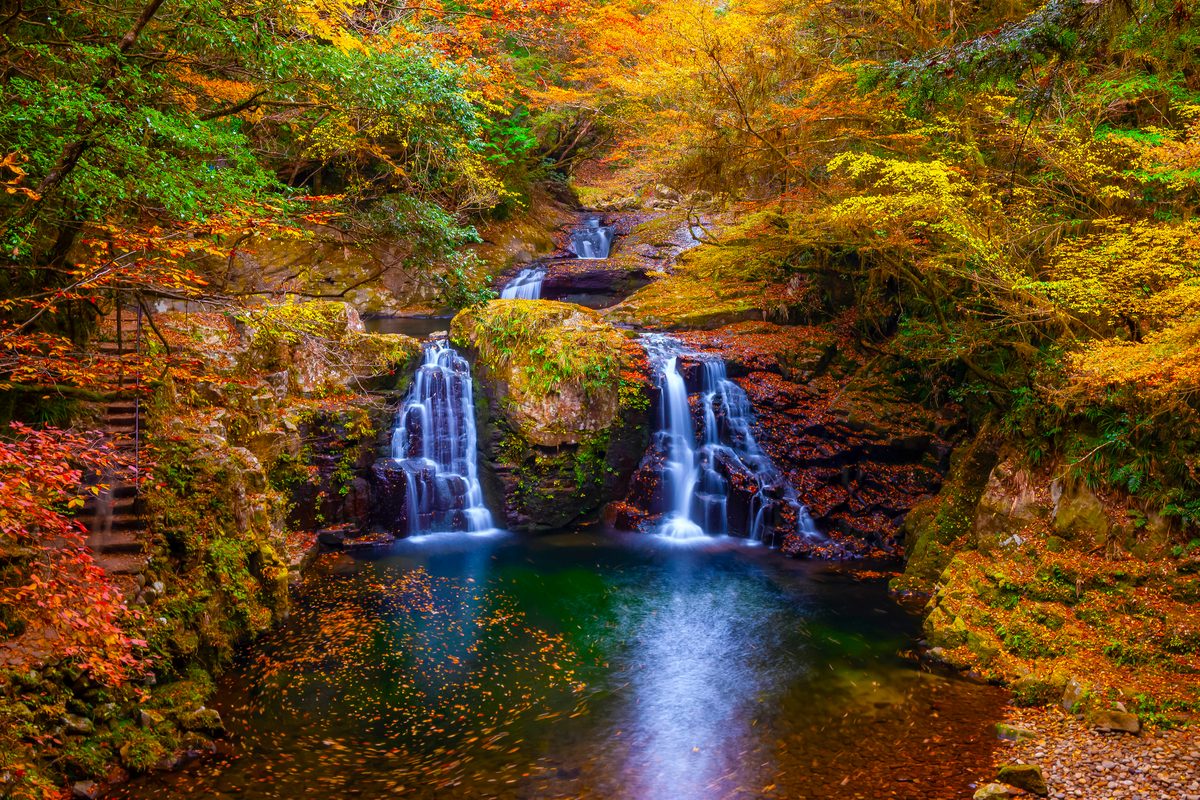
Akame 48 Waterfalls
A spectacular gorge hike through 4km of ancient forest passing 48 named waterfalls — from gentle veils to thundering drops. The trail is a designated area of natural monument, filled with giant ferns, giant salamanders (Japan's largest amphibian), and fireflies in early summer. The name "Akame" (red-eye) comes from the giant salamander's eyes.
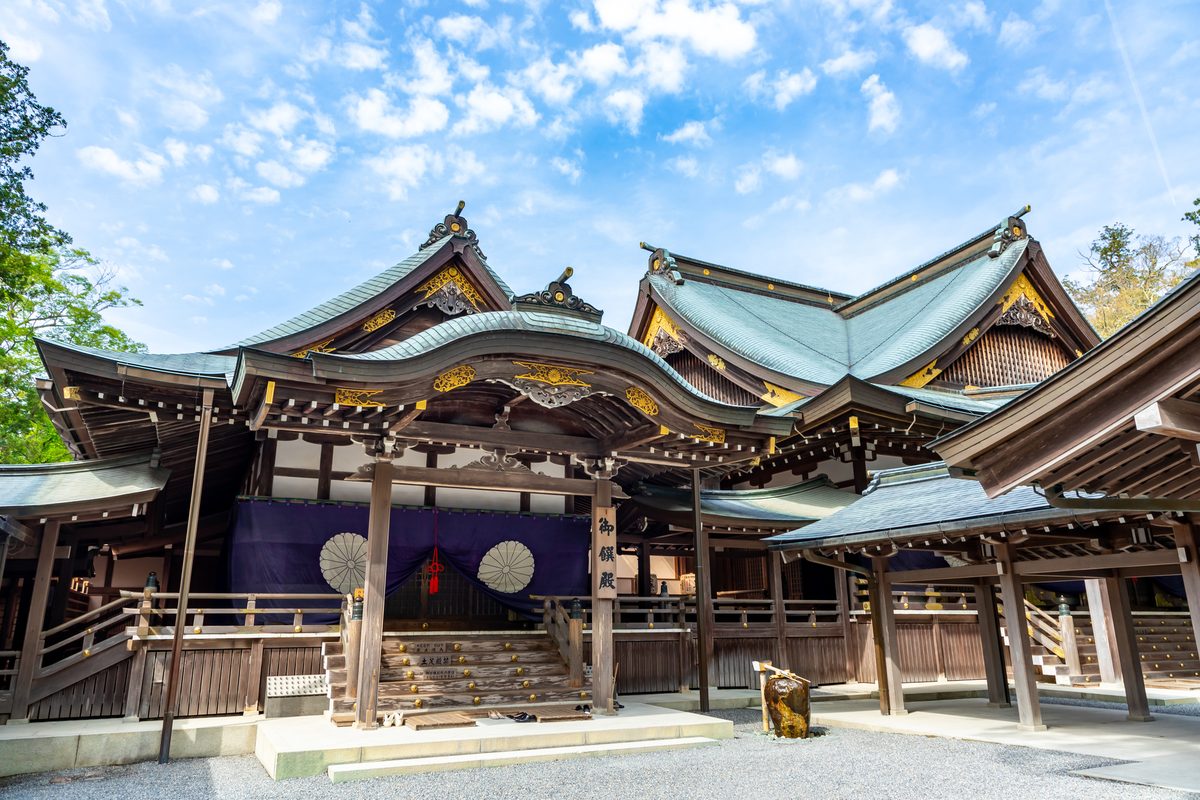
Ise Grand Shrine (Naiku)
Japan's most sacred Shinto site — the inner shrine (Naiku) enshrines Amaterasu, the sun goddess and ancestor of the imperial family. The shrine buildings are rebuilt from scratch every 20 years using ancient carpentry techniques (the 2013 ceremony was the 62nd rebuilding). No photographs are allowed inside the inner compound.