
Shiga Travel Guide
Wrapping around Lake Biwa — Japan's largest lake by far — Shiga offers a reflective, unhurried counterpoint to the Kyoto crowds just over the hill. Hikone Castle is among Japan's 12 original surviving castles, and the Omi merchant heritage has left handsome preserved townscapes in Omihachiman and Nagahama.
Hidden Gems in Shiga
Hand-picked spots off the tourist trail — all personally curated.
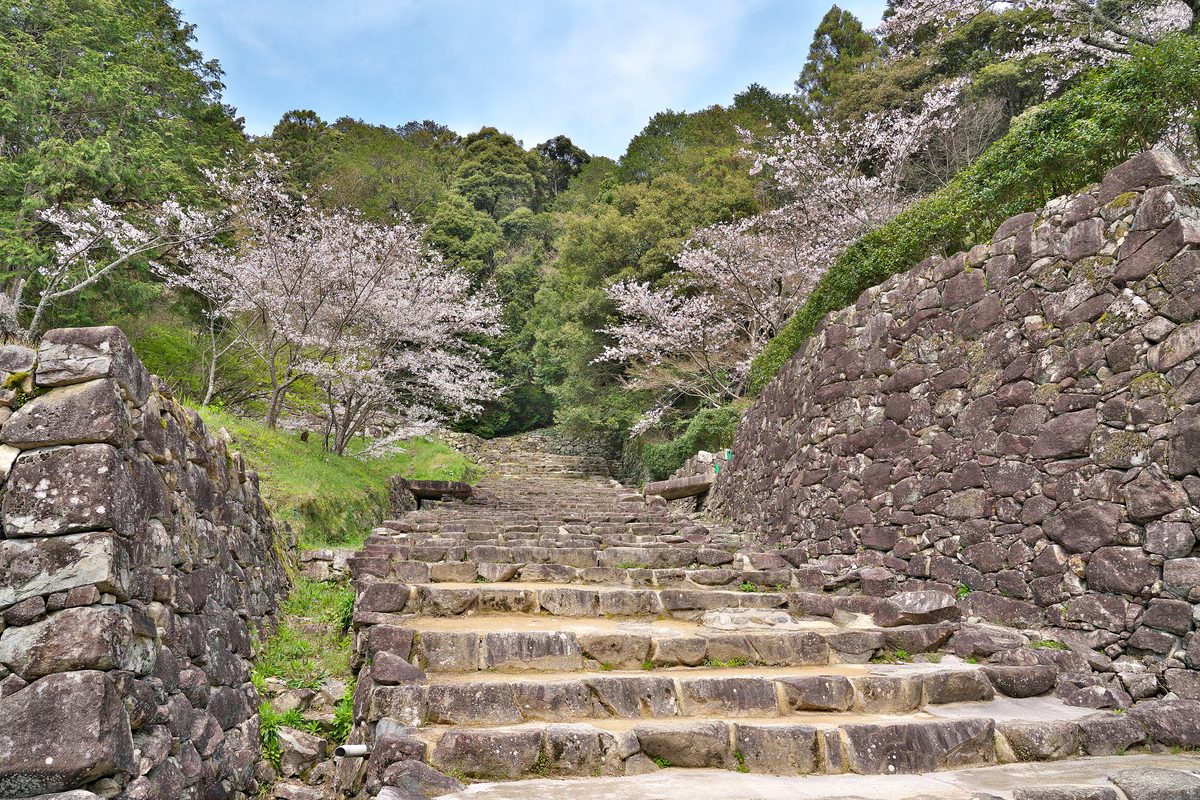
Azuchi Castle Ruins
The ruins of Oda Nobunaga's revolutionary castle (1576–1582) — the first Japanese castle built with a seven-storey keep as a symbol of political power rather than pure defence. Destroyed after Nobunaga's assassination, only the stone foundations survive, climbing 198 metres above Lake Biwa. The panoramic views explain exactly why Nobunaga built here.
Chikubushima Island
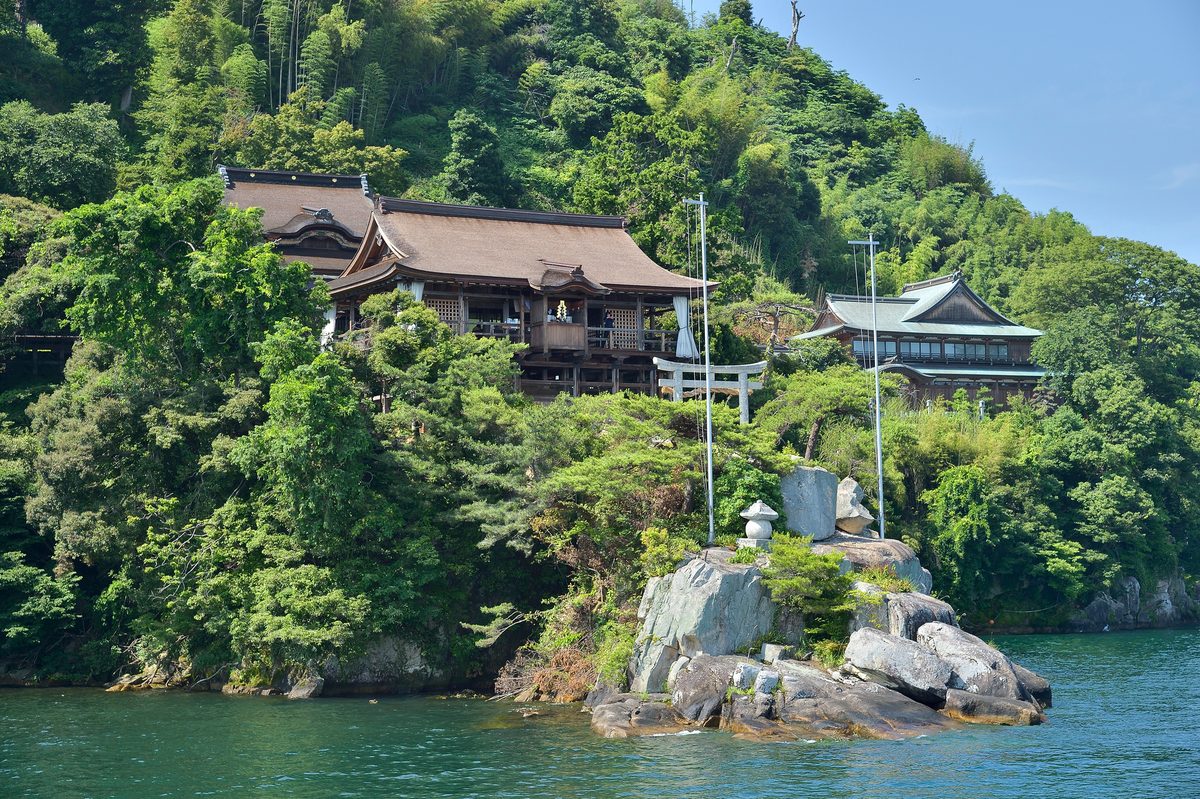
A sacred island in Lake Biwa accessible only by boat — one of Japan's three major powerspot islands. The Hogonji temple and Tsukubusuma shrine share the tiny forested island, and throwing earthenware rings (kawa-rake) through the torii gate from a clifftop is a famous ritual for wish-granting. Cormorant fishing operates from the island in summer.
Hikone Castle
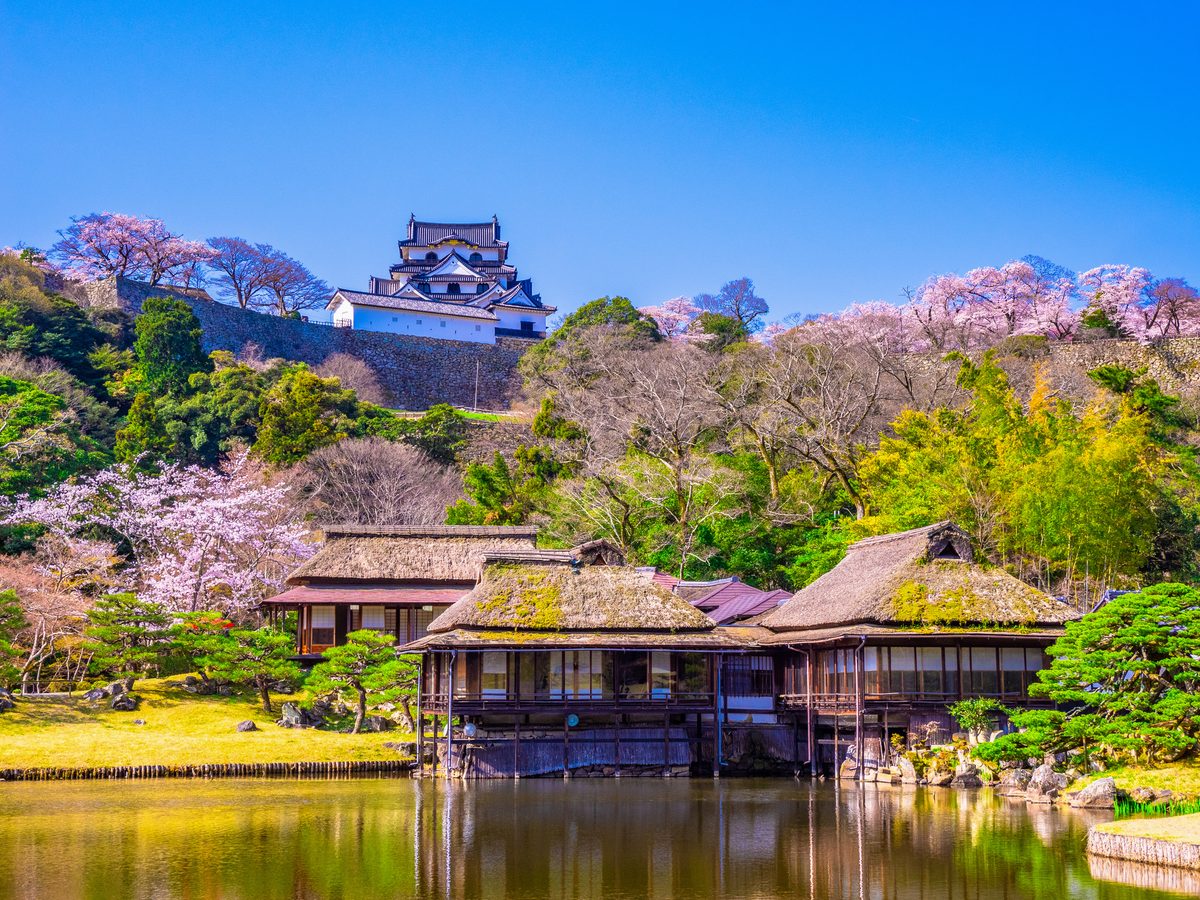
One of only five Japanese castles rated National Treasure — its three-storey keep is the original 1622 structure, never reconstructed. The castle sits on a hill above Lake Biwa with one of Japan's finest castle garden (Genkyuen) below, where the reflection of the keep on the pond creates a classical painting. 1,100 cherry trees surround the moats.
Hiyoshi Taisha
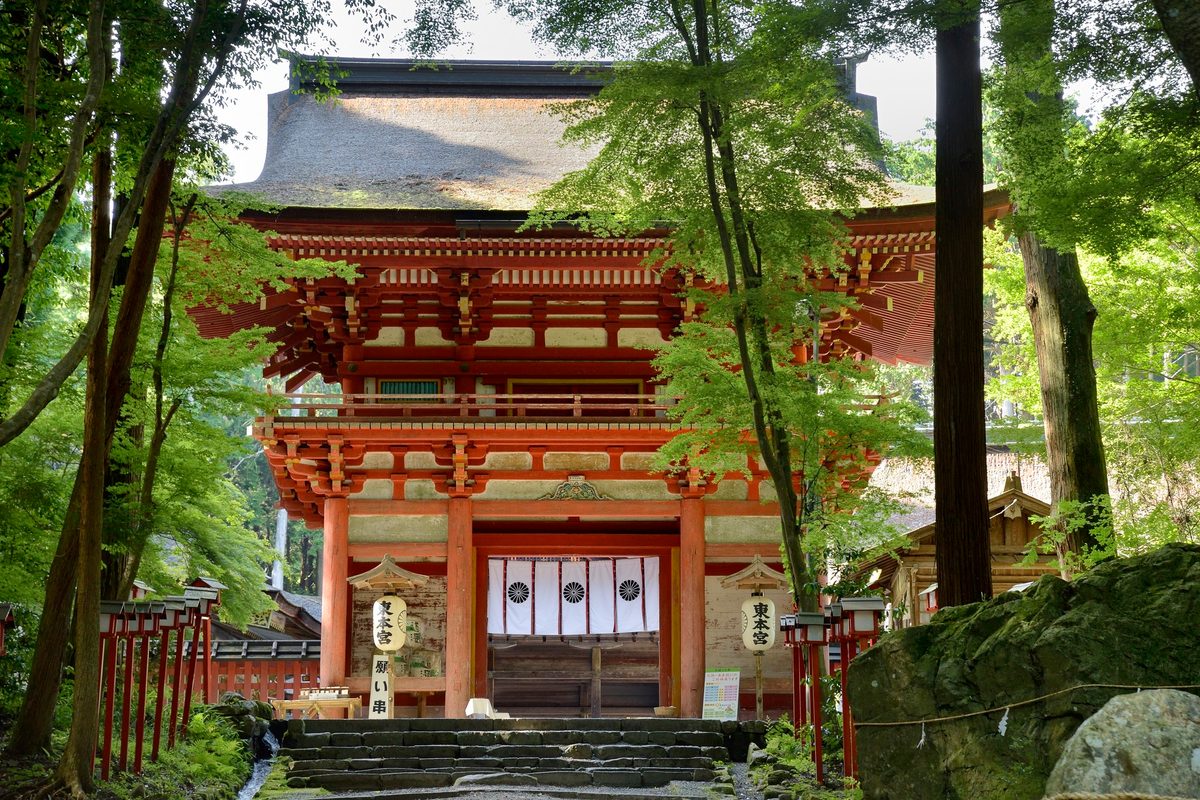
The head shrine of over 3,800 Hiyoshi and Sanno shrines across Japan, nestled at the base of Mt Hiei. Founded before recorded history and rebuilt by Enryakuji's monks to guard Kyoto's northeastern demon gate. The unique "Hiyoshi torii" (a two-legged gate with a triangular third leg) is found only here.
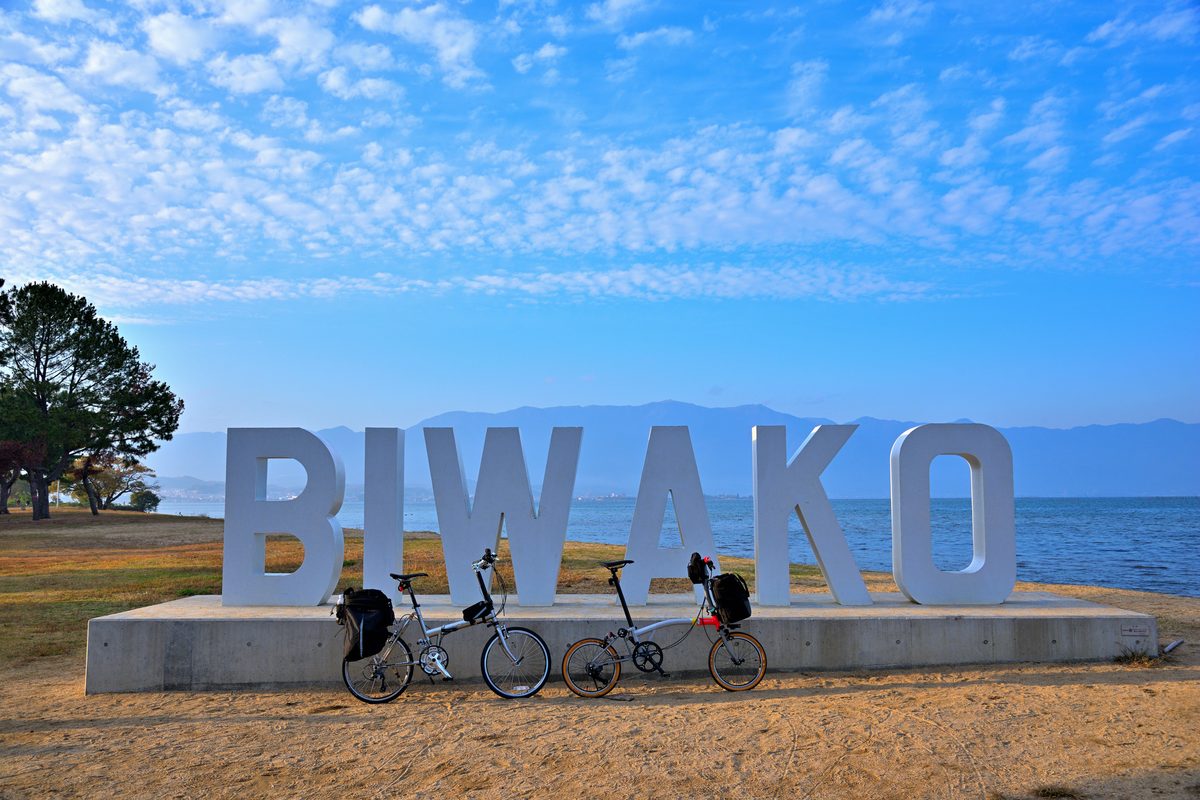
Lake Biwa Cycling Route (Biwako Cycling Road)
Japan's most popular cycling route — a 180km perimeter loop of Japan's largest lake (Biwako), typically completed in two days. Dedicated cycling paths pass reed beds, old post towns, castle ruins, and fishermen's huts along the shore. The southern section is flat and ideal for half-day rides from Kyoto.
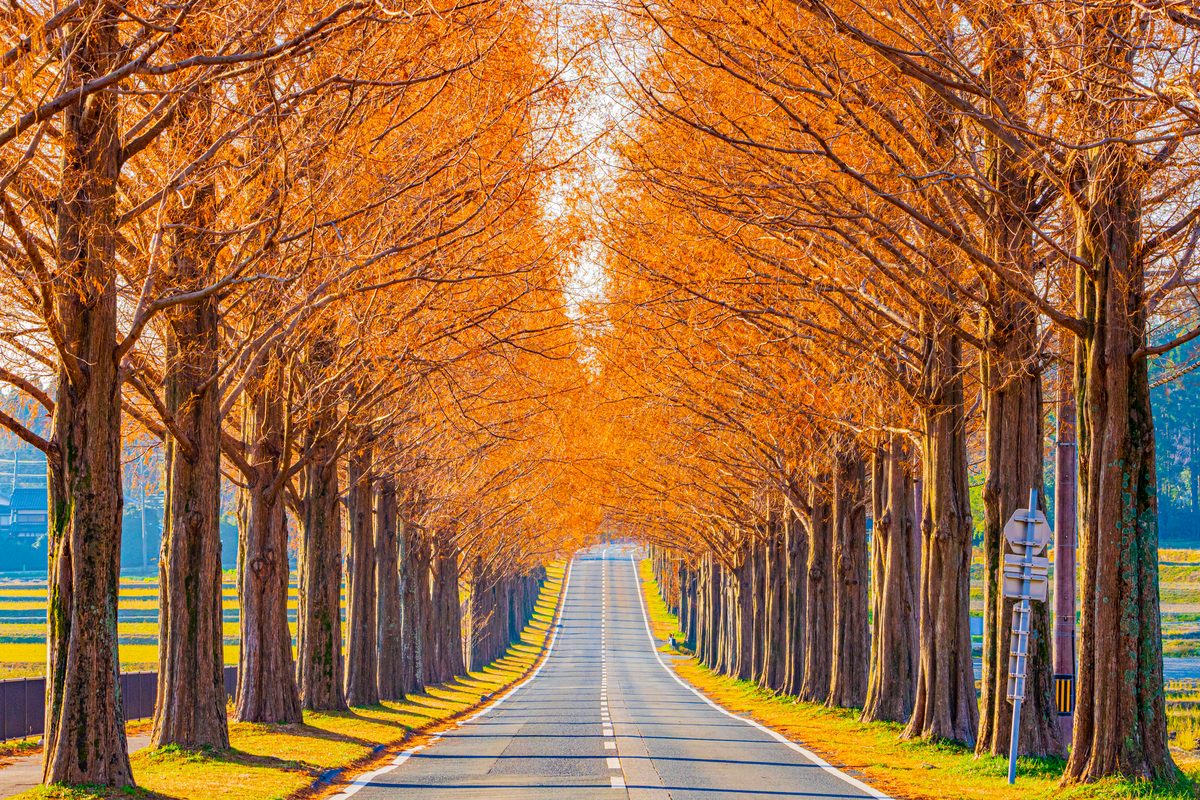
Metasequoia Avenue
A 2.4km avenue of 500 metasequoia trees lining a ruler-straight rural road in the Makino highlands near Lake Biwa. The trees create a cathedral-like tunnel in every season: fresh green in spring, dense shade in summer, golden-red in November, and snowy silhouettes in December. Selected as one of Japan's top 100 roads.
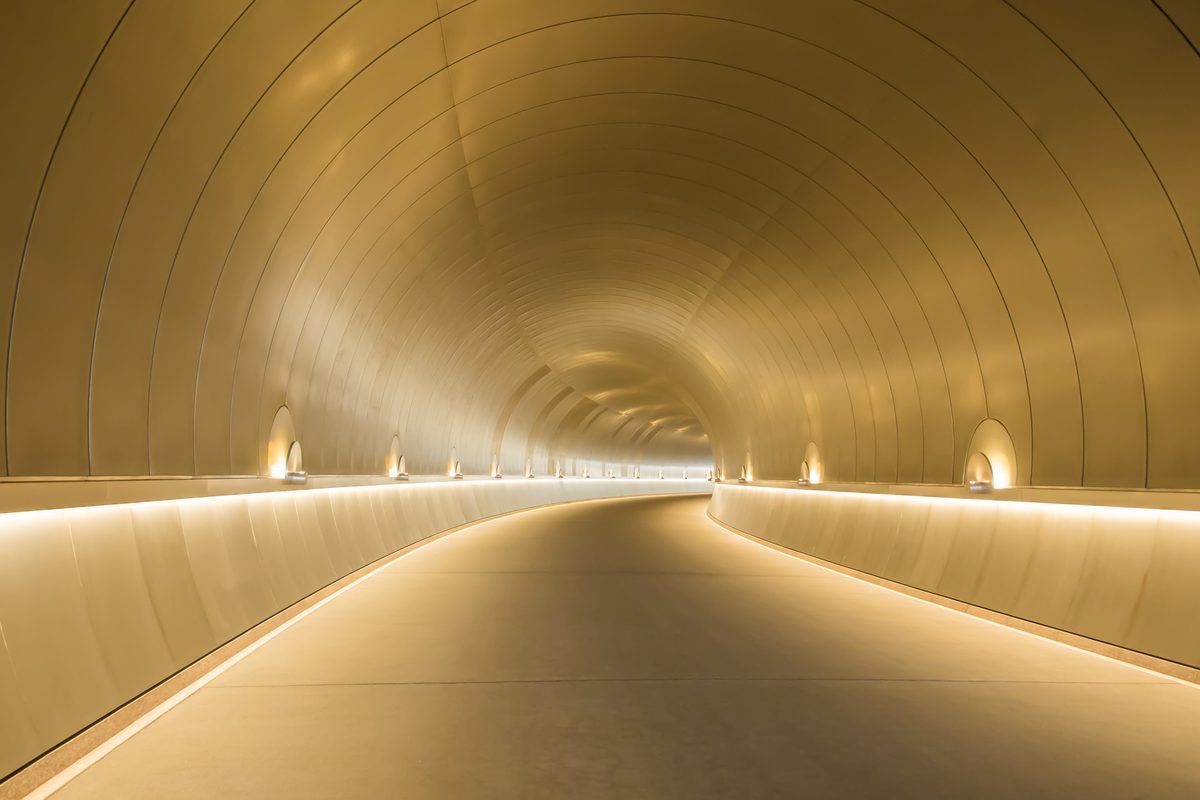
Miho Museum
An extraordinary museum by I.M. Pei embedded inside a mountain in the Shigaraki hills — reached by a long underground tunnel and suspension bridge. The collection of ancient Egyptian, Persian, Greek, and Japanese treasures rivals major city museums. The tunnel entry experience, emerging to a glass building framing mountain sky, is unforgettable.
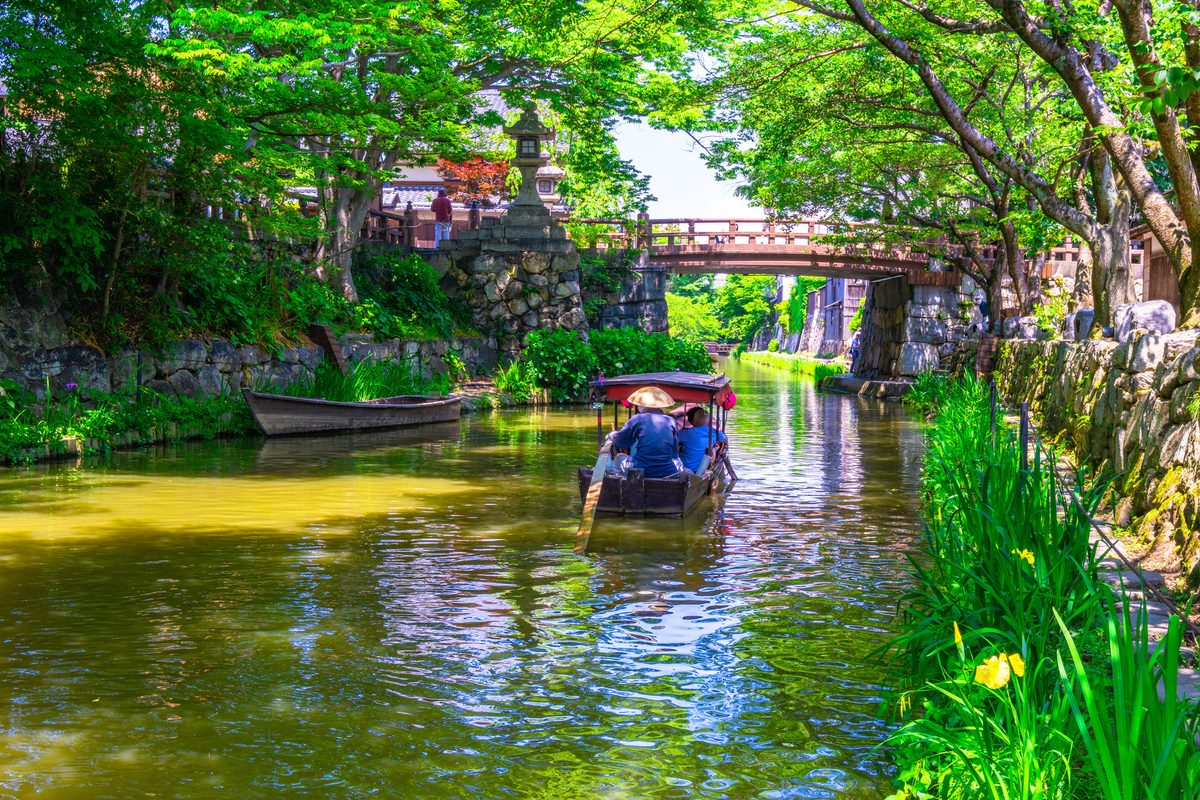
Omi-Hachiman Canal Town
A canal-laced merchant town on the eastern shore of Lake Biwa that thrived from the 16th century through travelling Omi merchants. The preserved Hachimanbori canal district, with its willow-draped stone walls, has been used as a film location for period dramas so frequently that it has a dedicated "eiga mura" section.
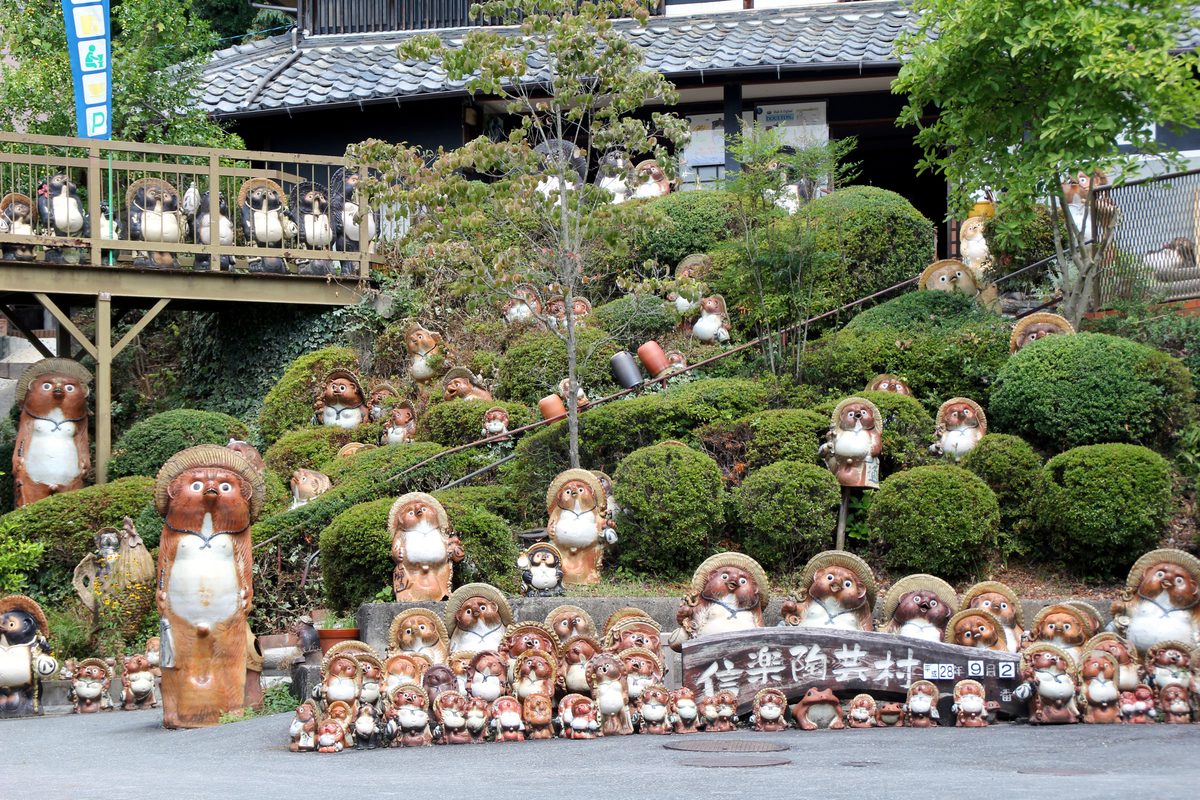
Shigaraki Pottery Village
One of Japan's Six Ancient Kilns — Shigaraki pottery has been produced for 1,200 years and is famous for its natural ash glaze and warm clay body. The village is lined with kiln workshops and galleries, and tanuki (raccoon dog) figurines from Shigaraki are the iconic lucky charms displayed outside almost every Japanese shop.
Advertisement
When to Visit Shiga
Peak spots by season — ordered by best match.
More from Kansai
Other prefectures in the same region
Ready to visit Shiga?
Let AI build a personalized day-by-day itinerary based on your interests and travel style.
Create a Shiga Itinerary