
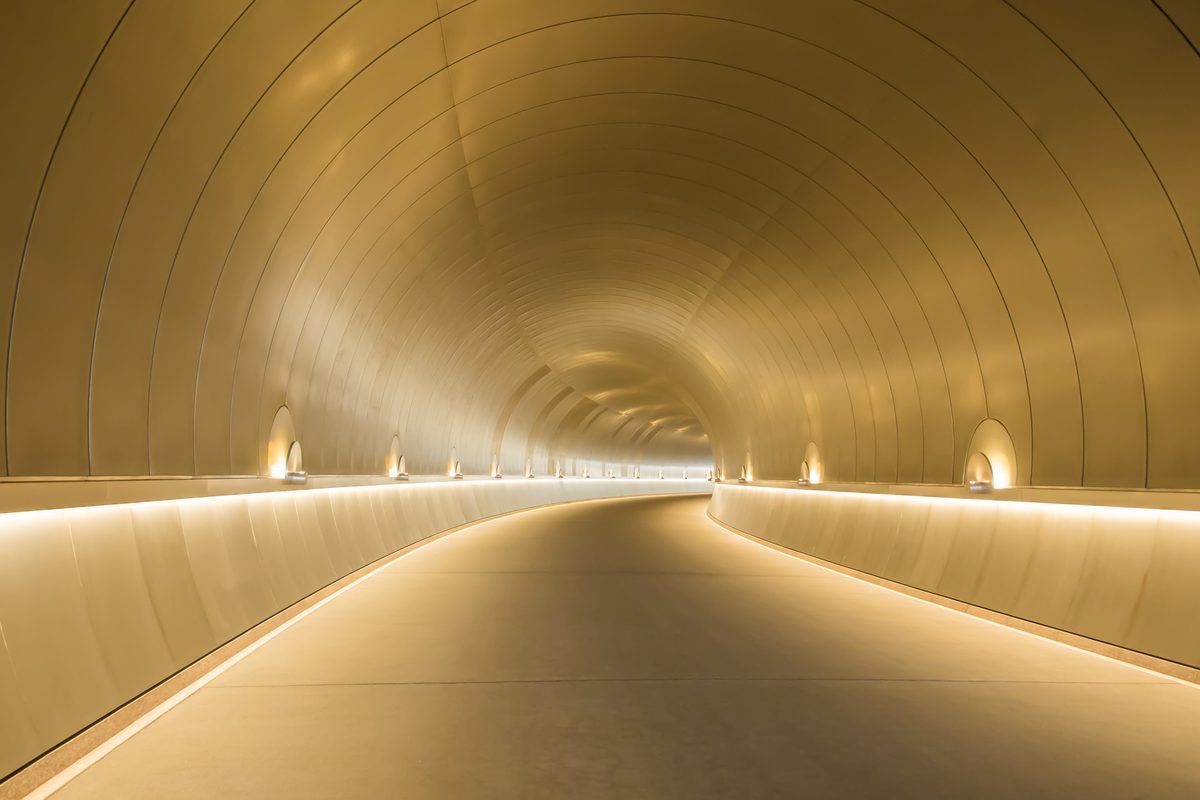
Miho Museum
An extraordinary museum by I.M. Pei embedded inside a mountain in the Shigaraki hills — reached by a long underground tunnel and suspension bridge. The collection of ancient Egyptian, Persian, Greek, and Japanese treasures rivals major city museums. The tunnel entry experience, emerging to a glass building framing mountain sky, is unforgettable.
2–3 hours
¥1,300
10:00–17:00 (last entry 16:00); closed Mon; advance reservation required in some seasons
Year-round (closed mid-December to mid-March)
Bus from Ishiyama Station (JR, about 50 min to museum); or Shigaraki Station on Shigaraki Kogen Railway (from Kibukawa, JR Kusatsu Line), then bus about 20 min (during opening seasons only). Check calendar for bus operation
Location
Why Visit
- 1
Designed by I.M. Pei and embedded inside a mountain — the entry tunnel and bridge are as important as the art
- 2
Ancient Egyptian, Mesopotamian, Greek, and Silk Road artifacts alongside Japanese antiquities
- 3
Surrounded by Shigaraki hills — the autumn foliage outside the glass walls becomes part of the exhibit
Local Tips
Designed by I.M. Pei in a forest valley, accessible via a long tunnel and bridge — the approach is the introduction. The collection (Egyptian, Greek, Roman, and Asian antiquities) is outstanding. Surrounded by Shigaraki ceramic region — combine with Shigaraki traditional kilns for a full Shiga cultural day.
Add to your AI itinerary
Let AI build a multi-day trip around this spot.
Advertisement
More in Shiga
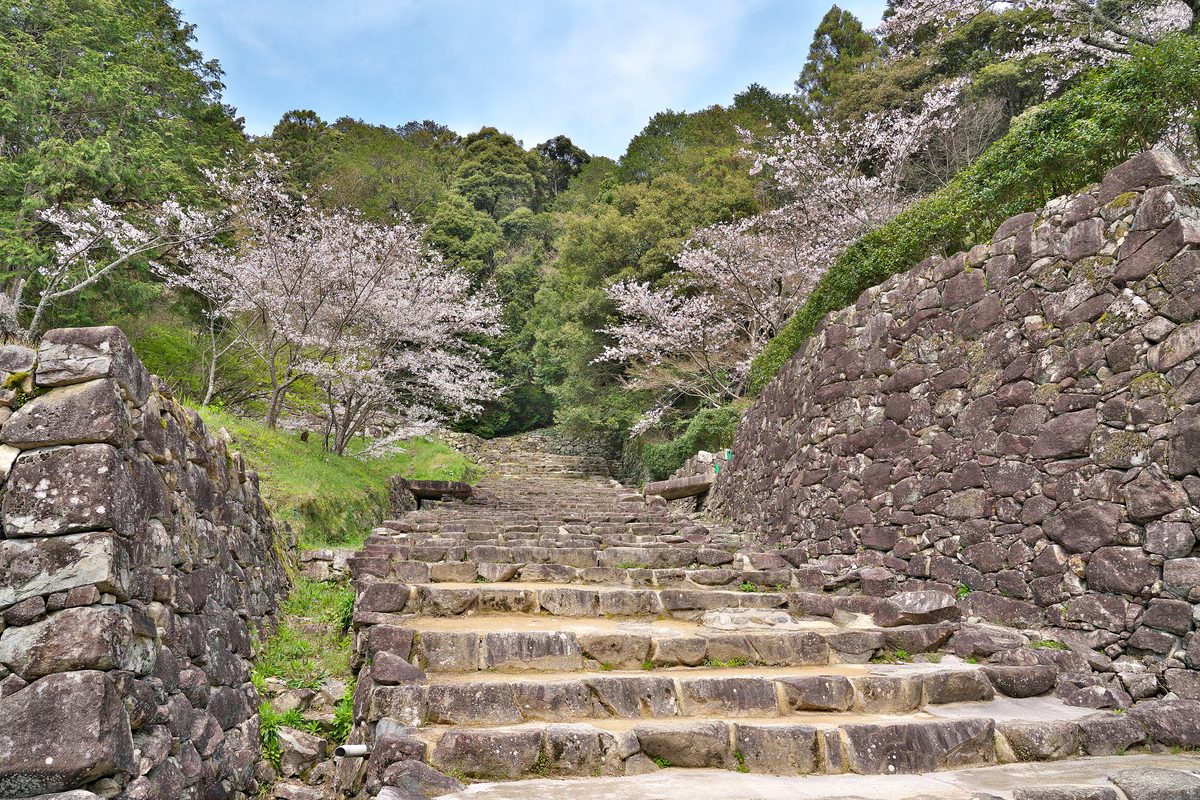
Azuchi Castle Ruins
The ruins of Oda Nobunaga's revolutionary castle (1576–1582) — the first Japanese castle built with a seven-storey keep as a symbol of political power rather than pure defence. Destroyed after Nobunaga's assassination, only the stone foundations survive, climbing 198 metres above Lake Biwa. The panoramic views explain exactly why Nobunaga built here.
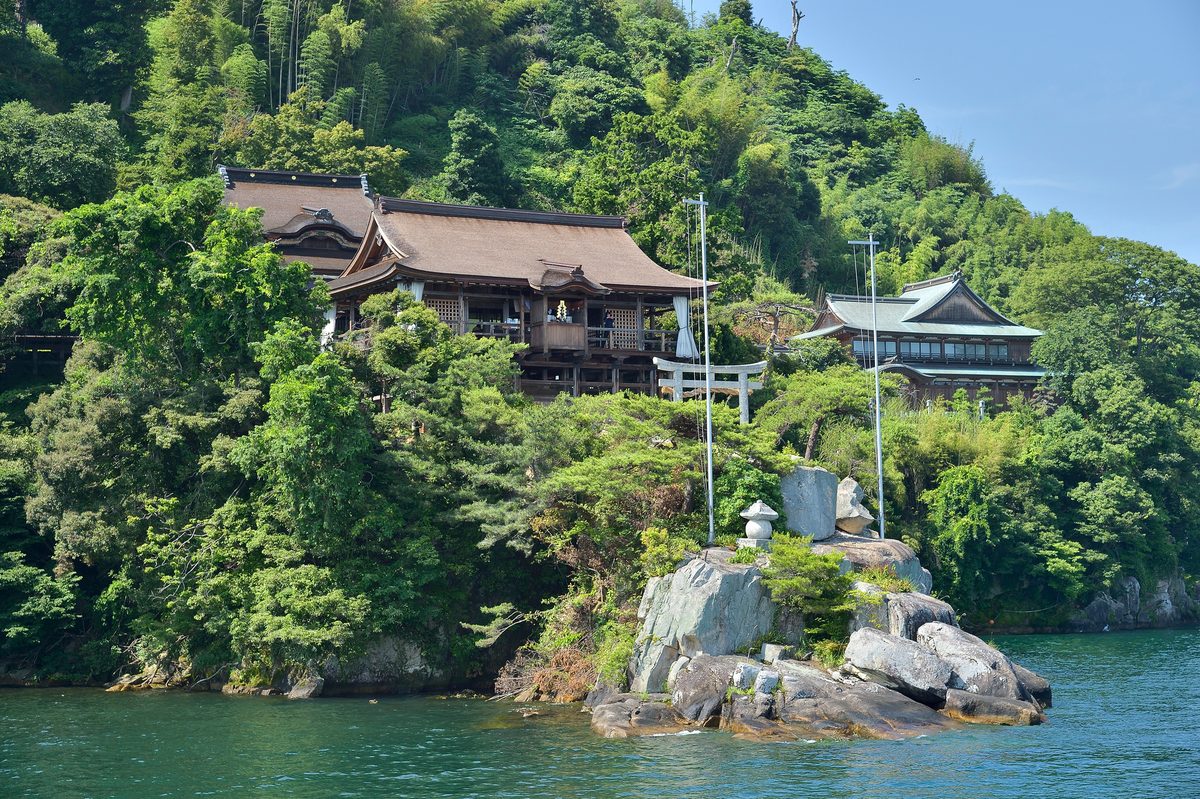
Chikubushima Island
A sacred island in Lake Biwa accessible only by boat — one of Japan's three major powerspot islands. The Hogonji temple and Tsukubusuma shrine share the tiny forested island, and throwing earthenware rings (kawa-rake) through the torii gate from a clifftop is a famous ritual for wish-granting. Cormorant fishing operates from the island in summer.
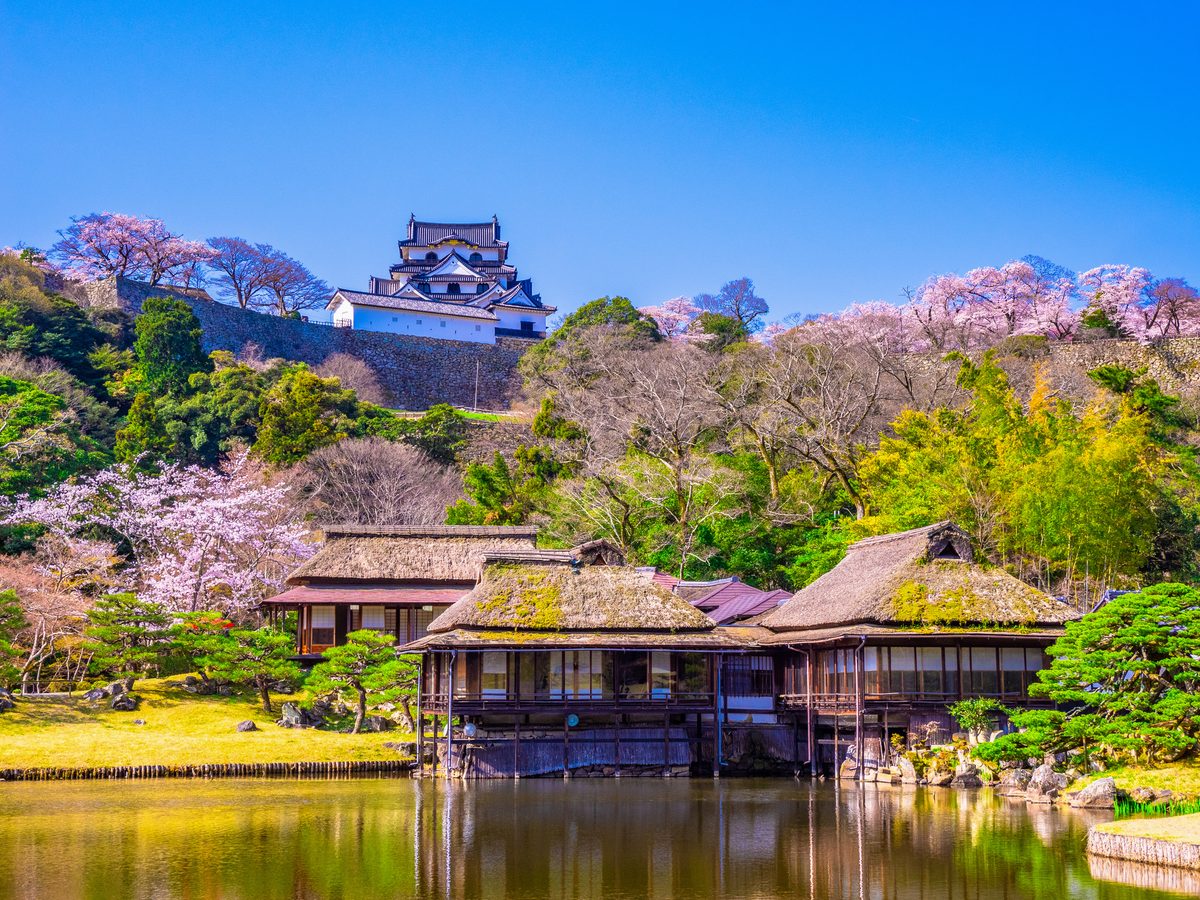
Hikone Castle
One of only five Japanese castles rated National Treasure — its three-storey keep is the original 1622 structure, never reconstructed. The castle sits on a hill above Lake Biwa with one of Japan's finest castle garden (Genkyuen) below, where the reflection of the keep on the pond creates a classical painting. 1,100 cherry trees surround the moats.