
Wakayama Travel Guide
The spiritual south of the Kinki region. Mount Koya (Koyasan), a monastery-village at 800 metres, is where Shingon Buddhism was born and where pilgrims still sleep in temples centuries old. The Kumano Kodo trail network — UNESCO-listed alongside the Camino de Santiago — winds through ancient cedar and moss down to Nachi waterfall, Japan's tallest.
Hidden Gems in Wakayama
Hand-picked spots off the tourist trail — all personally curated.
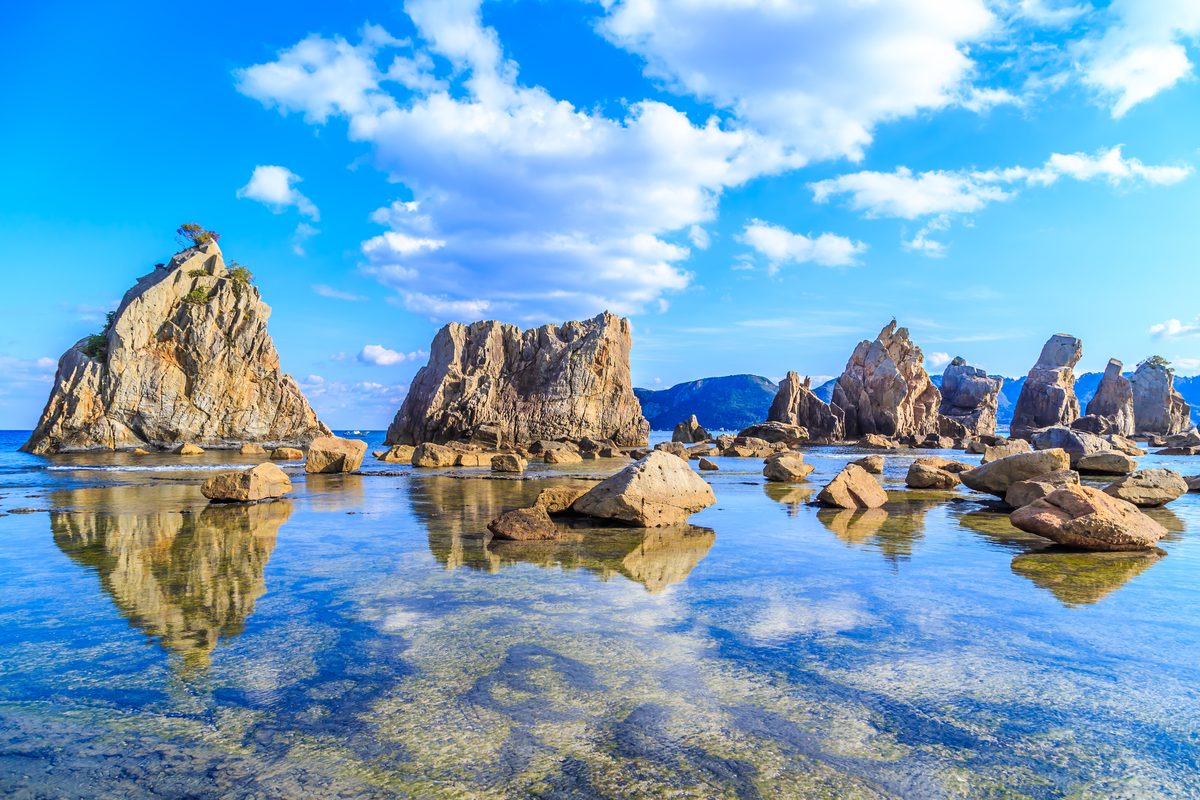
Hashigui Rocks
A row of 40 eroded basalt sea stacks stretching 850 metres into the Pacific — named "bridge piles" because legend says the Buddhist monk En no Gyoja tried to build a bridge to Oshima Island overnight and the cocks crowed before it was finished. The rocks form a near-perfect line at low tide and are spectacular at sunrise.
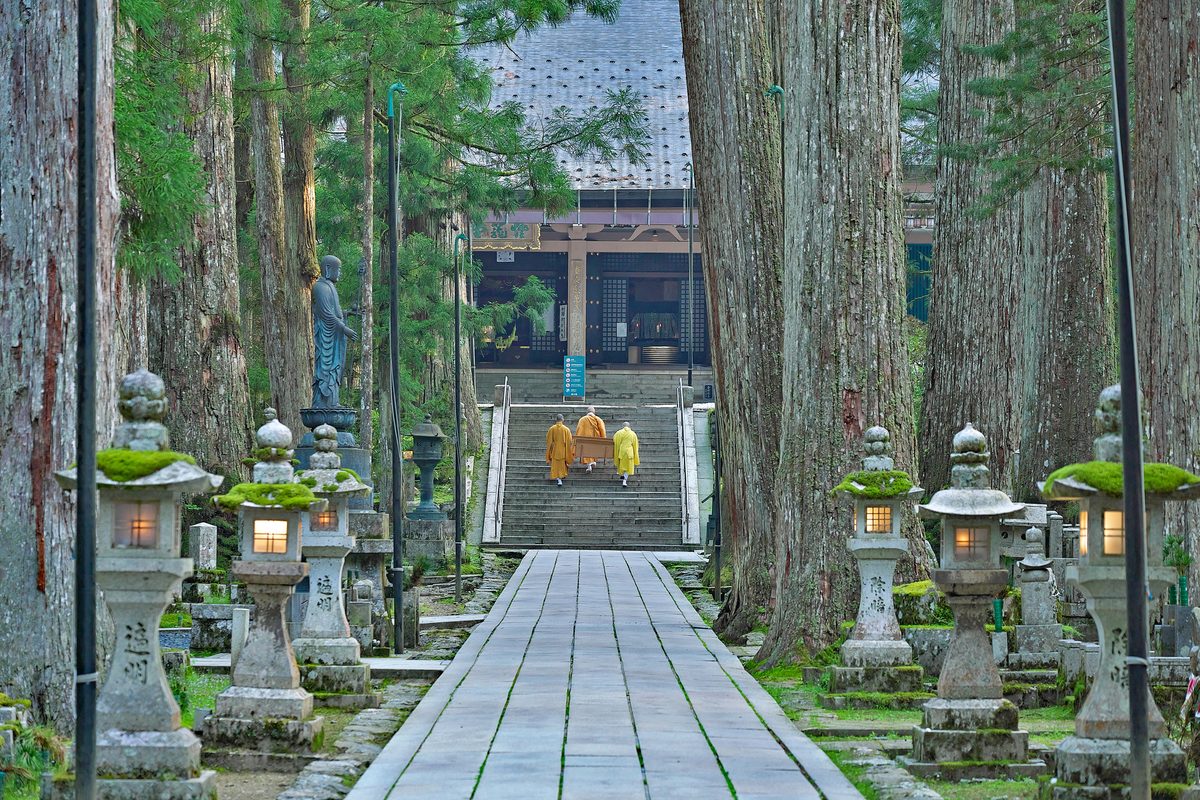
Koyasan — Mount Koya
Japan's most sacred mountain — the headquarters of Shingon Buddhism, founded by Kobo Daishi (Kukai) in 816 CE. Over 100 temples cover the mountaintop plateau, and the Okunoin cemetery contains over 200,000 tombstones beneath 1,000-year-old cedar trees. Staying overnight at a shukubo (temple lodging) for vegetarian monks'meals is transformative.
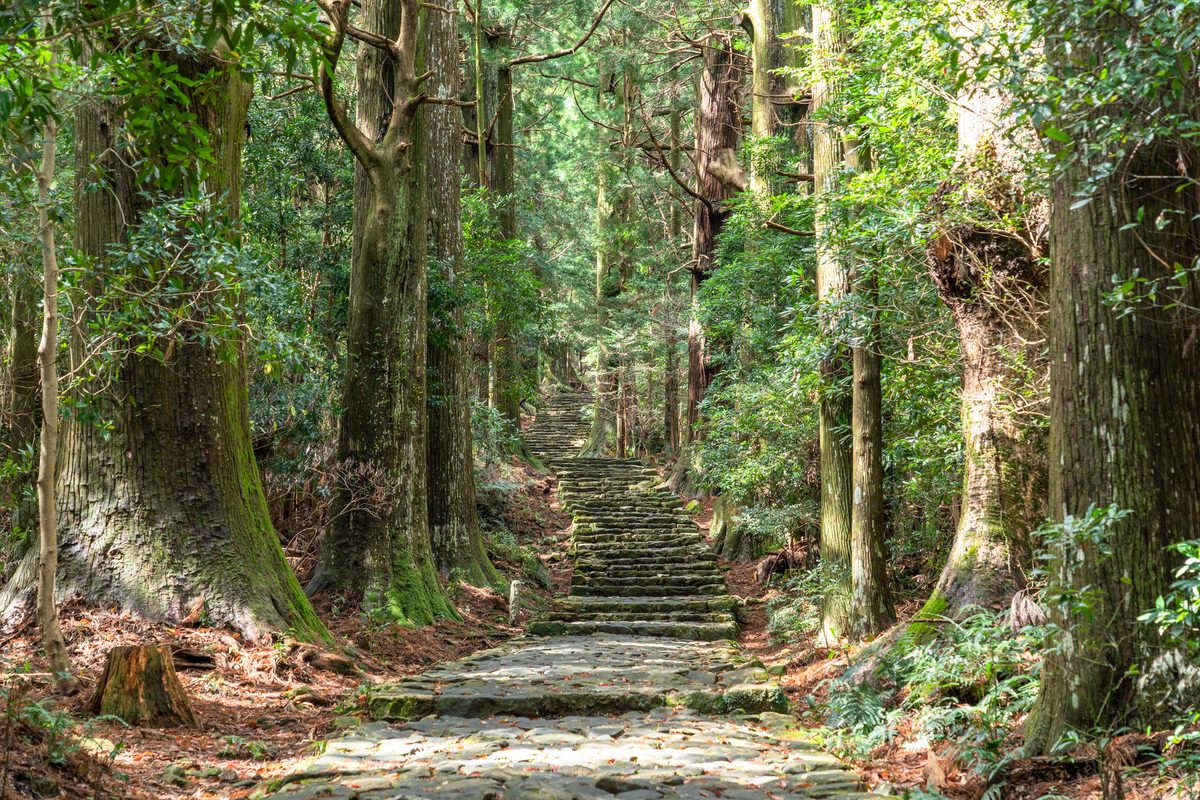
Kumano Kodo Pilgrimage Trail
One of the world's only two dual-listed UNESCO pilgrimage routes (the other being the Camino de Santiago). The Nakahechi route through cedar forests and mountain passes to the three Kumano Grand Shrines has been walked by emperors, monks, and ordinary pilgrims for 1,200 years. Two days of walking from Tanabe to the Hongu shrine is transformative.
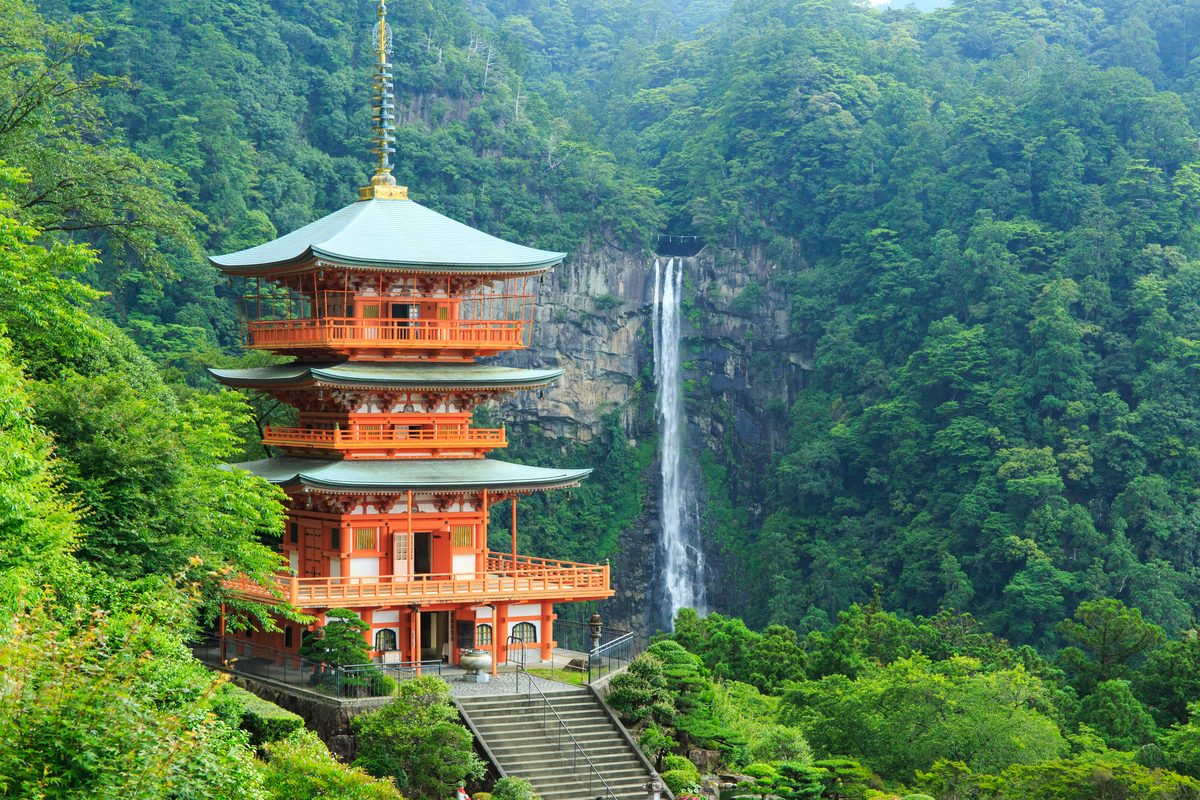
Nachi Falls
Japan's tallest single-drop waterfall at 133 metres — a UNESCO World Heritage site as part of the Kumano pilgrimage. The Kumano Nachi Taisha shrine and three-storey vermilion pagoda frame the waterfall perfectly in photographs. The falls have been worshipped as a deity for over 1,000 years and are still an active religious site.
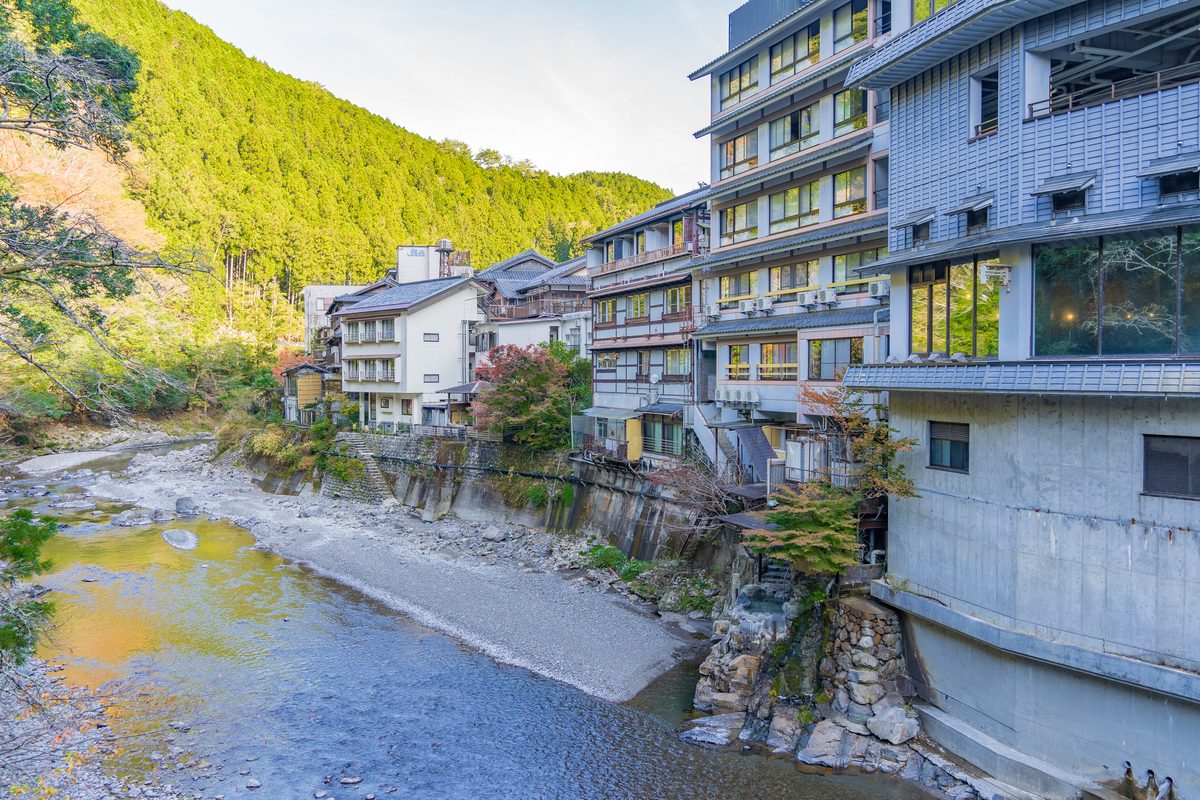
Ryujin Onsen
One of Japan's three great beauty-enhancing hot springs (bijin-no-yu), hidden in a deep river valley 2 hours from Osaka. Alkaline water so silky it reportedly gave Lady Nijoin beautiful skin — she was consort to Emperor Toba in the 12th century. The gorge turns scarlet in autumn and the small village has been unchanged for centuries.
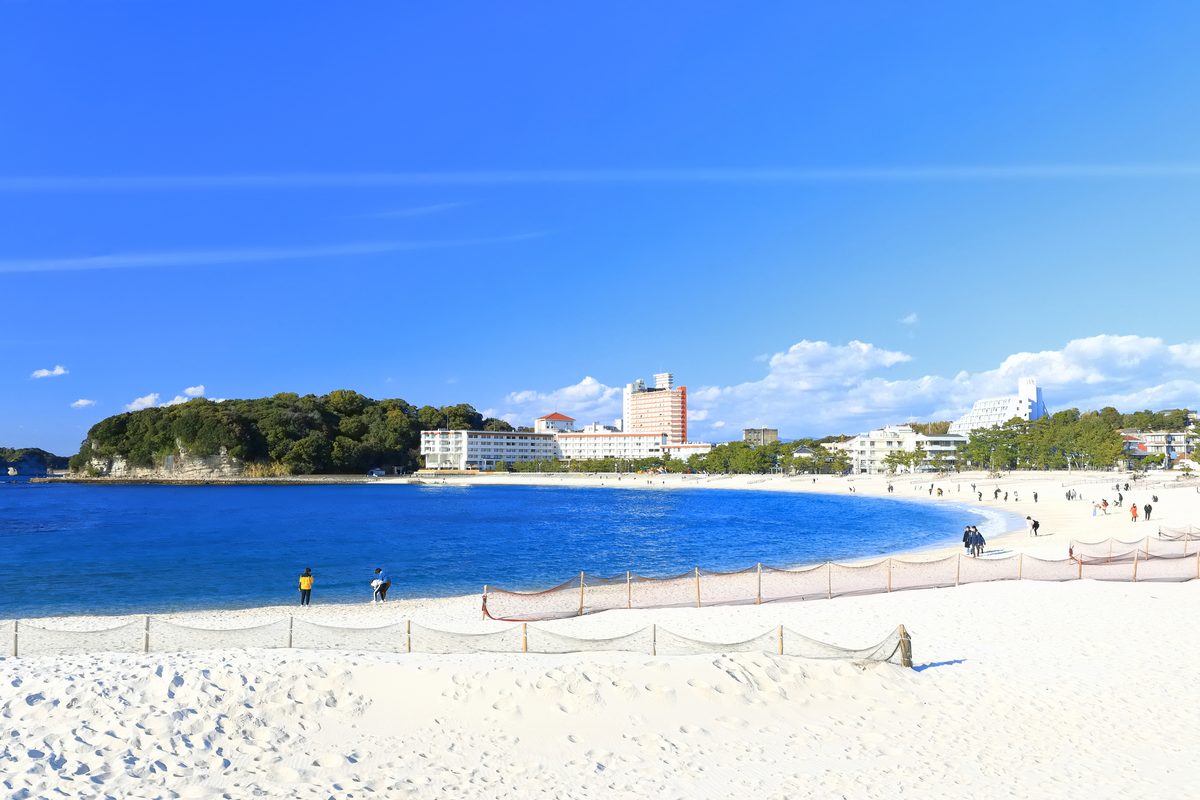
Shirahama Beach
Kansai's most beautiful white sand beach — Shirahama means "white beach" and the quartz-sand shore lives up to the name. The resort town has offshore hot spring water piped into beachfront baths. Cliff coastline walks to Sandanbeki (the Sea Cave Cliffs) and Senjojiki (Rock Terrace) frame the Pacific dramatically.
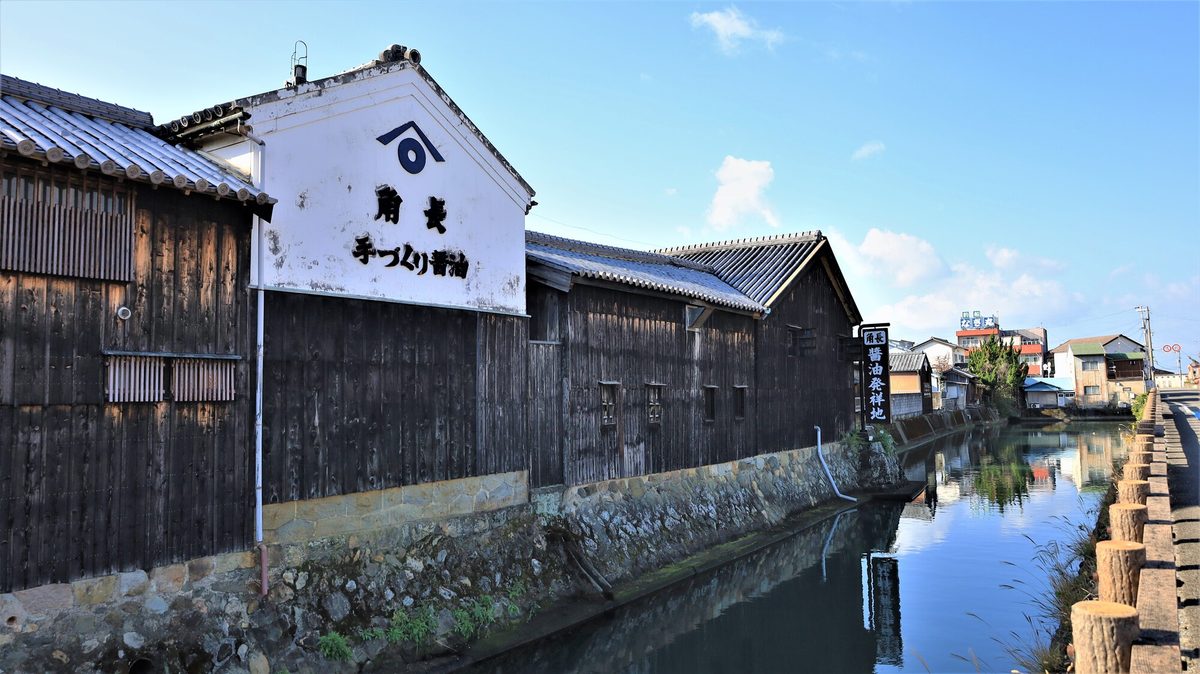
Yuasa — Birthplace of Soy Sauce
The town where Japanese soy sauce was born in 1254 — a monk returning from China brought back miso, and the liquid that drained off became tamari, which evolved into shoyu. The preserved brewer's townscape (Yuasa Shoyu Streets) has working 100-year-old brewery buildings open for tours and tastings.
Advertisement
When to Visit Wakayama
Peak spots by season — ordered by best match.
More from Kansai
Other prefectures in the same region
Ready to visit Wakayama?
Let AI build a personalized day-by-day itinerary based on your interests and travel style.
Create a Wakayama Itinerary