
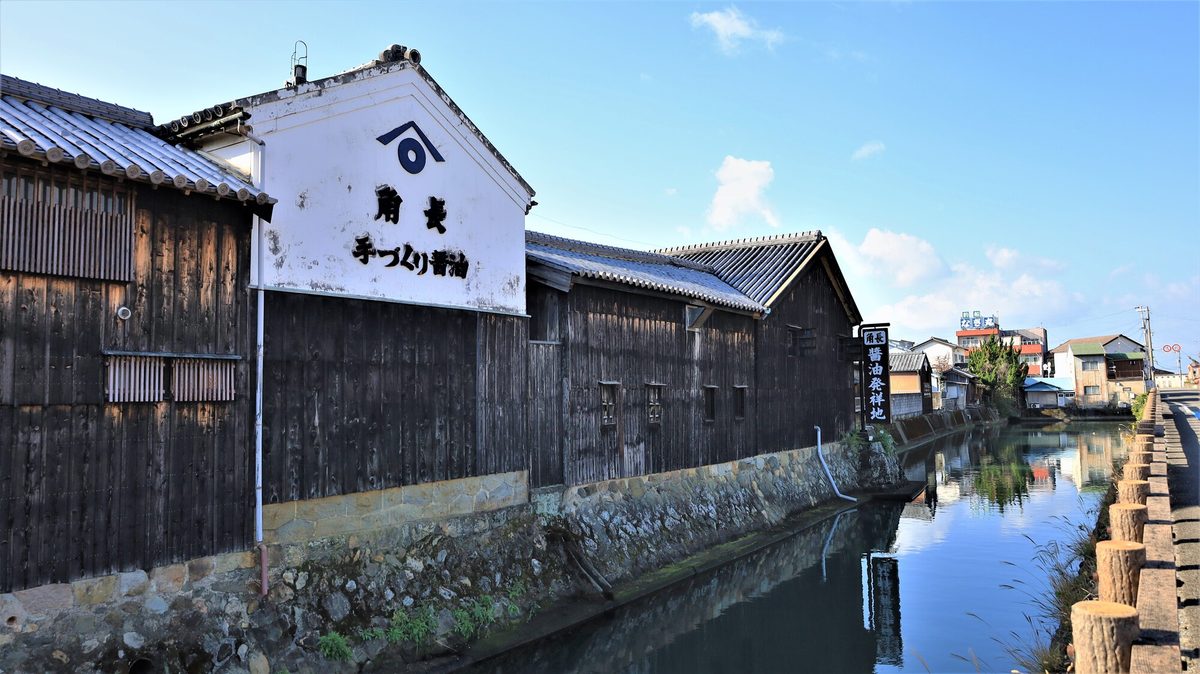
Yuasa — Birthplace of Soy Sauce
The town where Japanese soy sauce was born in 1254 — a monk returning from China brought back miso, and the liquid that drained off became tamari, which evolved into shoyu. The preserved brewer's townscape (Yuasa Shoyu Streets) has working 100-year-old brewery buildings open for tours and tastings.
1.5–2 hours
Free (brewery tour ¥500)
Shops and breweries 9:00–17:00; some closed Wed
Year-round
Yuasa Station on JR Kisei Line (1h 20m from Osaka)
Location
Why Visit
- 1
The actual birthplace of Japanese soy sauce — the 1254 origin story is documented and celebrated
- 2
Kadocho Soy Sauce has been brewing on the same street for over 450 years in original wooden vats
- 3
Tastings of shoyu ice cream, shoyu caramel, and shoyu-marinated fish are sold along the townscape
Local Tips
Yuasa is the birthplace of Japanese soy sauce (13th century). The old townscape of "namako-kabe" plastered walls is a National Preservation District. Try hands-on soy sauce making at Kadocho brewery (booking required). Many shops sell aged tamari at fair prices.
Add to your AI itinerary
Let AI build a multi-day trip around this spot.
Advertisement
More in Wakayama
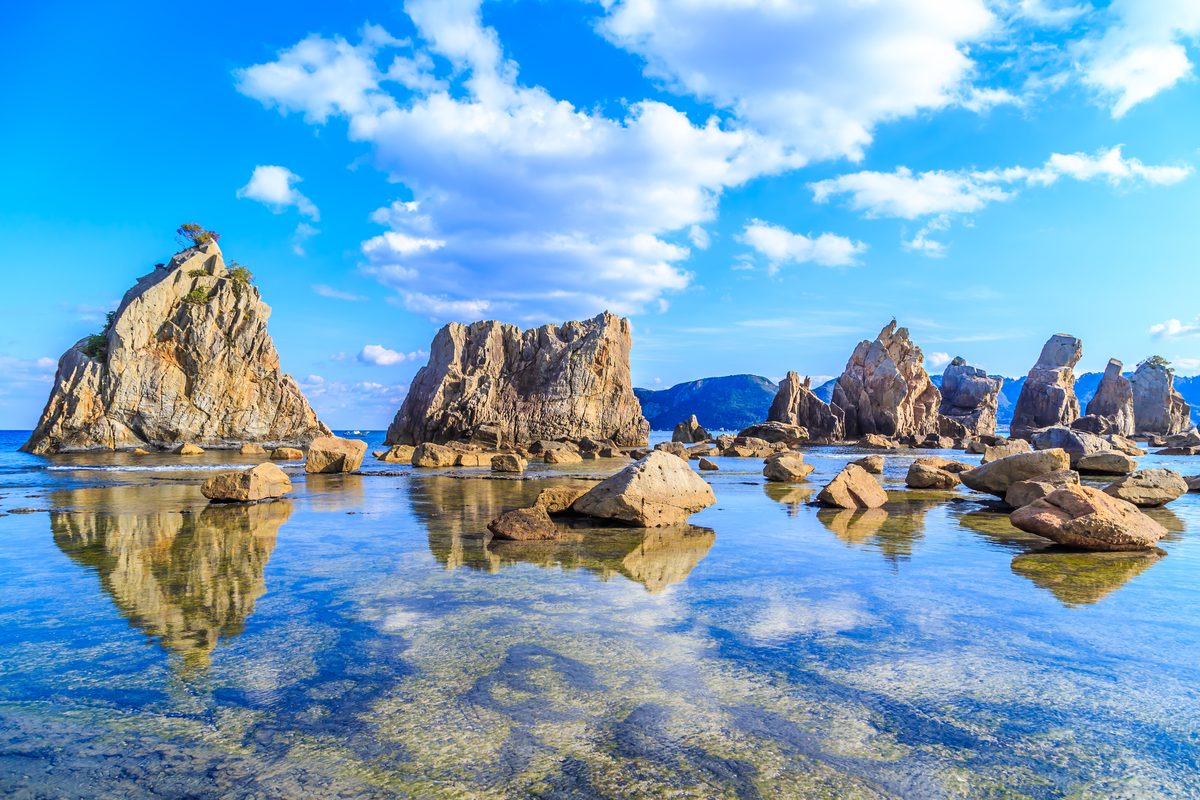
Hashigui Rocks
A row of 40 eroded basalt sea stacks stretching 850 metres into the Pacific — named "bridge piles" because legend says the Buddhist monk En no Gyoja tried to build a bridge to Oshima Island overnight and the cocks crowed before it was finished. The rocks form a near-perfect line at low tide and are spectacular at sunrise.
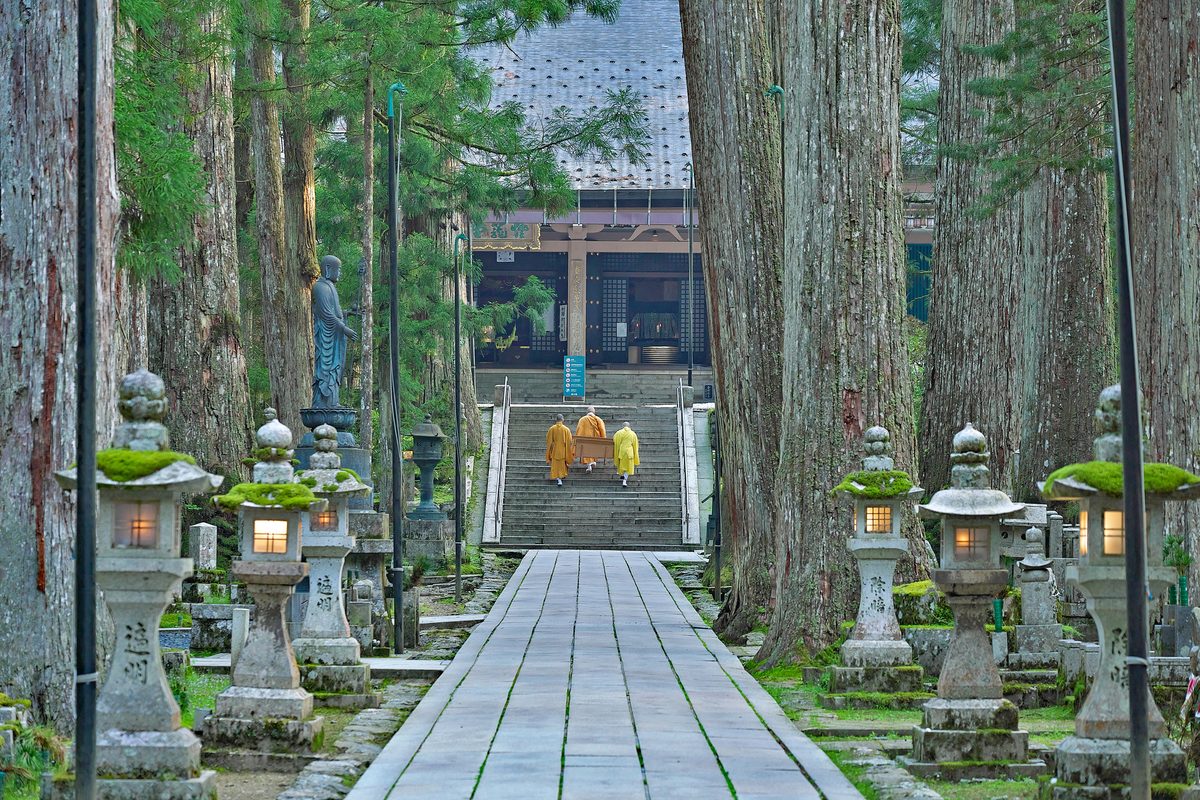
Koyasan — Mount Koya
Japan's most sacred mountain — the headquarters of Shingon Buddhism, founded by Kobo Daishi (Kukai) in 816 CE. Over 100 temples cover the mountaintop plateau, and the Okunoin cemetery contains over 200,000 tombstones beneath 1,000-year-old cedar trees. Staying overnight at a shukubo (temple lodging) for vegetarian monks'meals is transformative.
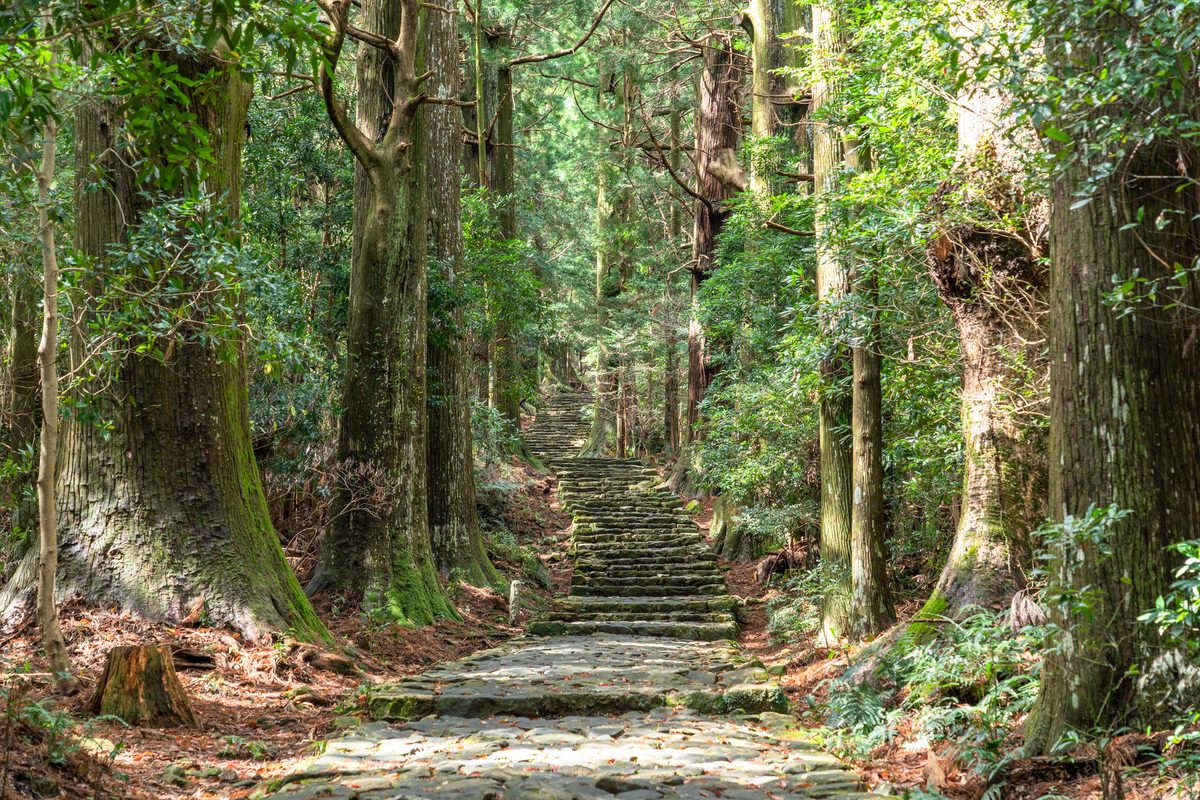
Kumano Kodo Pilgrimage Trail
One of the world's only two dual-listed UNESCO pilgrimage routes (the other being the Camino de Santiago). The Nakahechi route through cedar forests and mountain passes to the three Kumano Grand Shrines has been walked by emperors, monks, and ordinary pilgrims for 1,200 years. Two days of walking from Tanabe to the Hongu shrine is transformative.