
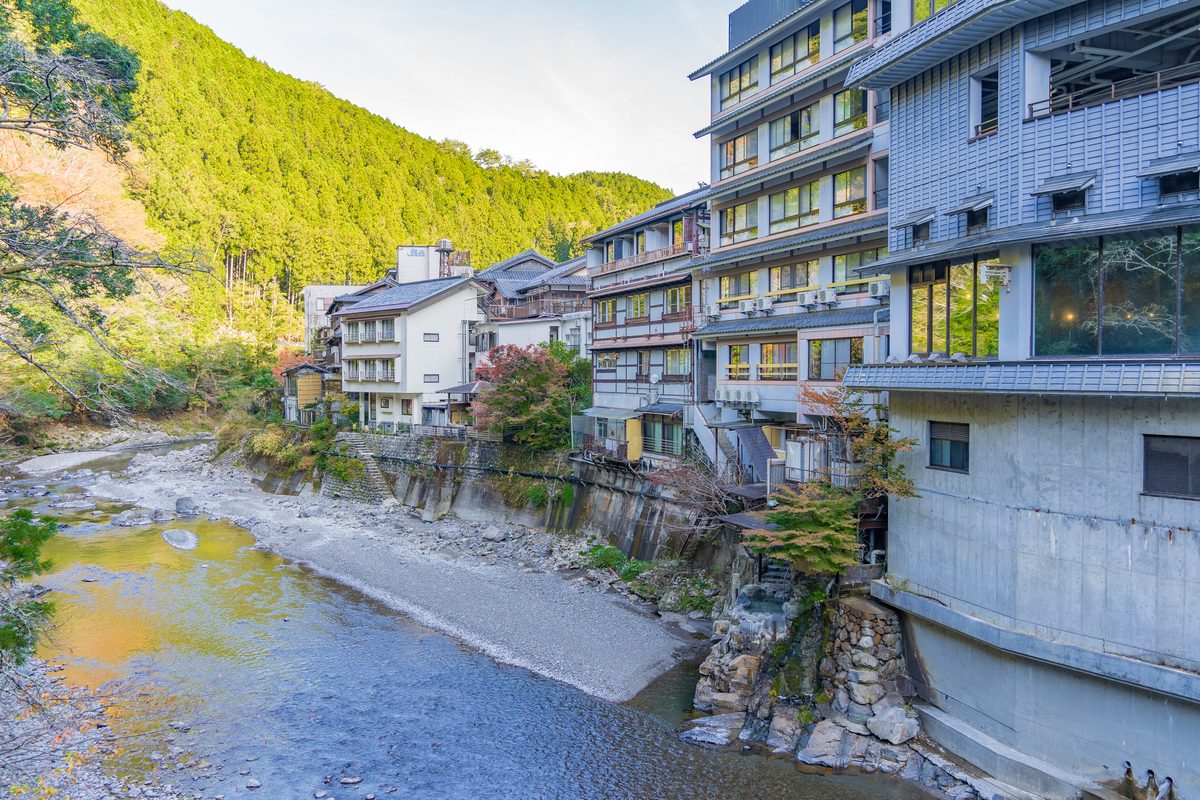
Ryujin Onsen
One of Japan's three great beauty-enhancing hot springs (bijin-no-yu), hidden in a deep river valley 2 hours from Osaka. Alkaline water so silky it reportedly gave Lady Nijoin beautiful skin — she was consort to Emperor Toba in the 12th century. The gorge turns scarlet in autumn and the small village has been unchanged for centuries.
1 day recommended
Day bath from ¥800 (public bath Ryujin Onsen Motoyu); some inns ¥800–1,000
Day bath: typically 10:00–15:00; Kami-no-yu and Shimo-no-Yu public baths: 6:00–21:00
Year-round (October–November for foliage)
Bus from JR Kii-Tanabe Station (90 min)
Location
Why Visit
- 1
One of Japan's three great bijin-no-yu (beautiful-skin waters) — recorded since the 12th century
- 2
The riverside Kazenoyu facility has an outdoor bath directly over the Hidakagawa River
- 3
Autumn foliage in the gorge (late October) is among the finest in Kansai
Local Tips
One of Japan's three great hot springs (along with Arima and Kusatsu) by traditional ranking. The water is a strong, slightly cloudy bicarbonate spring said to be excellent for skin. The remote mountain valley setting on the Hidaka River makes the drive here part of the experience. Combine with Nachi Falls and Kumano Hongu Taisha on the Kumano Kodo.
Add to your AI itinerary
Let AI build a multi-day trip around this spot.
Advertisement
More in Wakayama
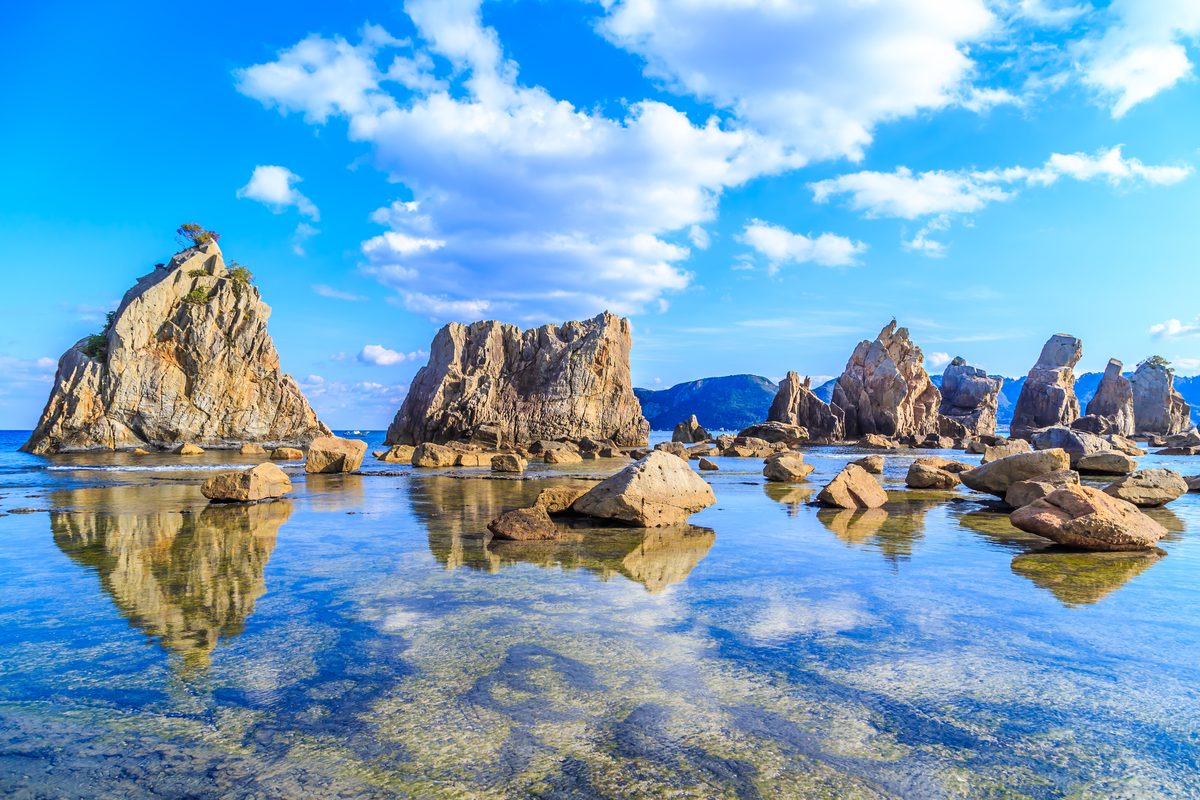
Hashigui Rocks
A row of 40 eroded basalt sea stacks stretching 850 metres into the Pacific — named "bridge piles" because legend says the Buddhist monk En no Gyoja tried to build a bridge to Oshima Island overnight and the cocks crowed before it was finished. The rocks form a near-perfect line at low tide and are spectacular at sunrise.
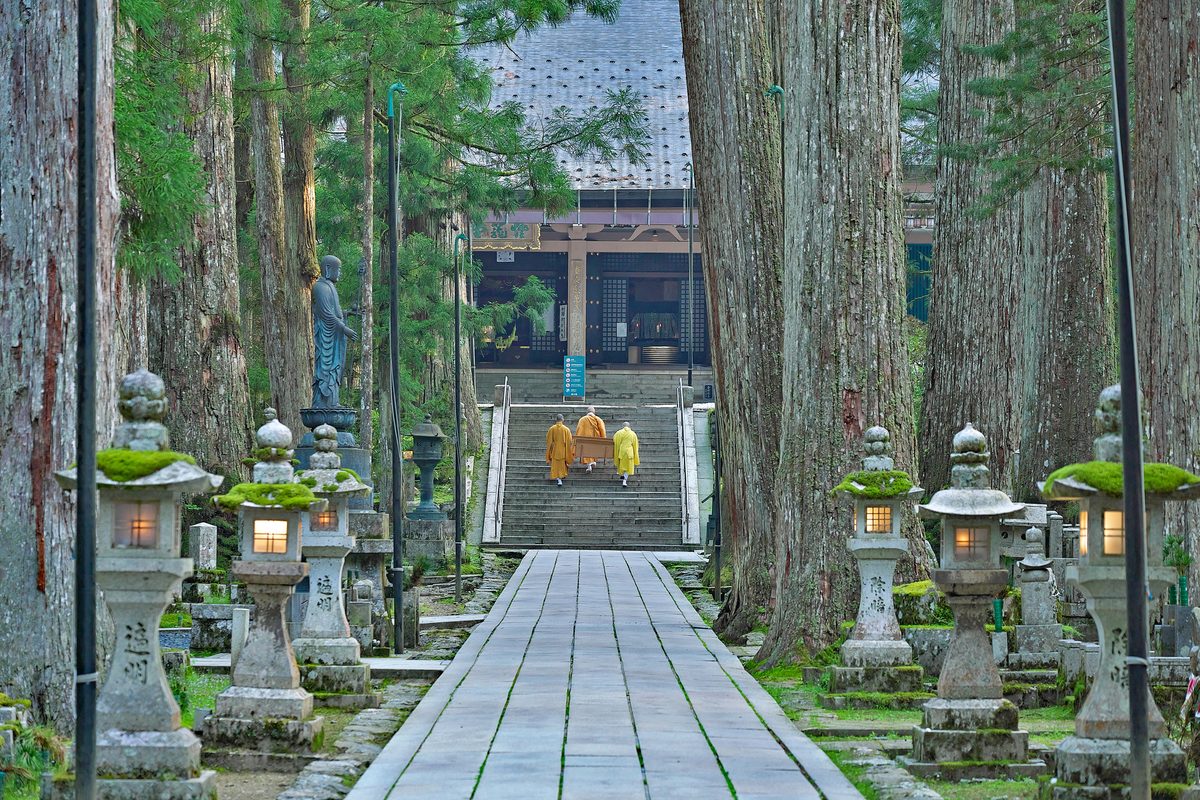
Koyasan — Mount Koya
Japan's most sacred mountain — the headquarters of Shingon Buddhism, founded by Kobo Daishi (Kukai) in 816 CE. Over 100 temples cover the mountaintop plateau, and the Okunoin cemetery contains over 200,000 tombstones beneath 1,000-year-old cedar trees. Staying overnight at a shukubo (temple lodging) for vegetarian monks'meals is transformative.
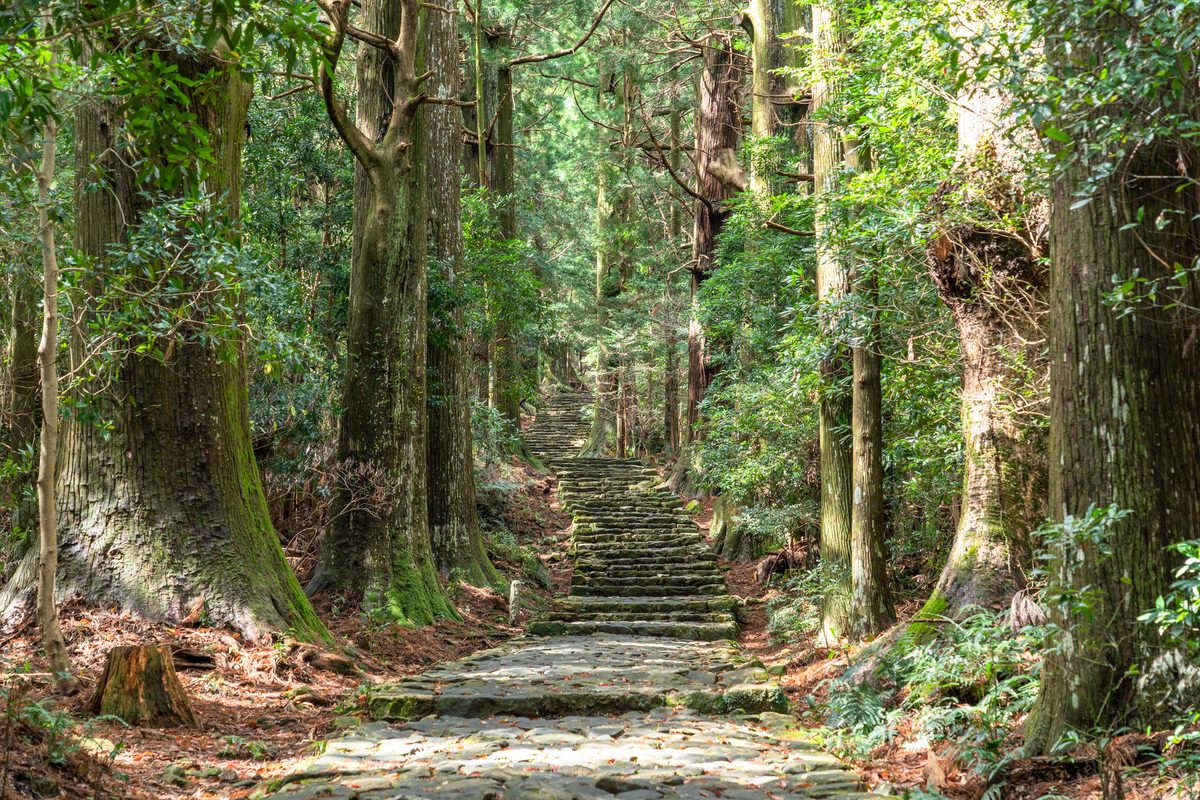
Kumano Kodo Pilgrimage Trail
One of the world's only two dual-listed UNESCO pilgrimage routes (the other being the Camino de Santiago). The Nakahechi route through cedar forests and mountain passes to the three Kumano Grand Shrines has been walked by emperors, monks, and ordinary pilgrims for 1,200 years. Two days of walking from Tanabe to the Hongu shrine is transformative.