
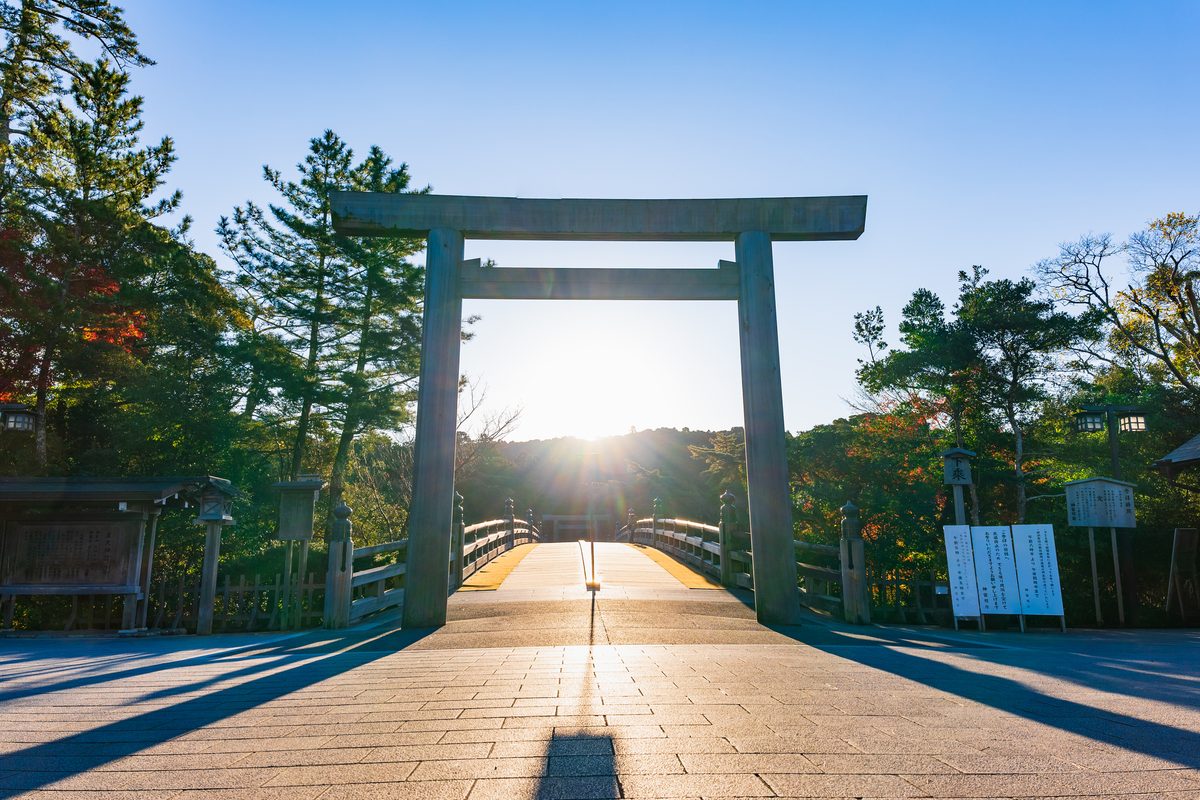
Ise Jingu
Japan's most sacred Shinto shrine complex, dedicated to the sun goddess Amaterasu and rebuilt in identical form every 20 years — a ritual of renewal (Shikinen Sengu) performed continuously since 690 AD. The approach through cedar forest and over the Uji Bridge creates a transition between worlds that even secular visitors find deeply moving.
2–4 hours
Free
Inner Shrine (Naiku): 5:00–18:00 (closes 17:00 Oct–Dec, Mar); Outer Shrine (Geku): opens 30 min before sunrise
Year-round (early morning visits least crowded)
90 min from Nagoya by Kintetsu Limited Express
Location
Why Visit
- 1
The shrine buildings are rebuilt identically every 20 years — the current structures were completed in 2013
- 2
The inner sanctuary (Naiku) is approached via a 300-year-old cedar forest that filters sound and light
- 3
Oharai-machi traditional street beside the shrine has excellent Ise udon, akafuku mochi, and matcha
Local Tips
Japan's most sacred site — visit Geku (outer shrine) first, then take the bus to Naiku (inner shrine). No photography past the first torii gate. Okage-yokocho, the traditional shopping street near Naiku, is the best place for akafuku mochi (red bean rice cake), the local specialty. Allow half a day for both shrines.
Add to your AI itinerary
Let AI build a multi-day trip around this spot.
Advertisement
More in Mie
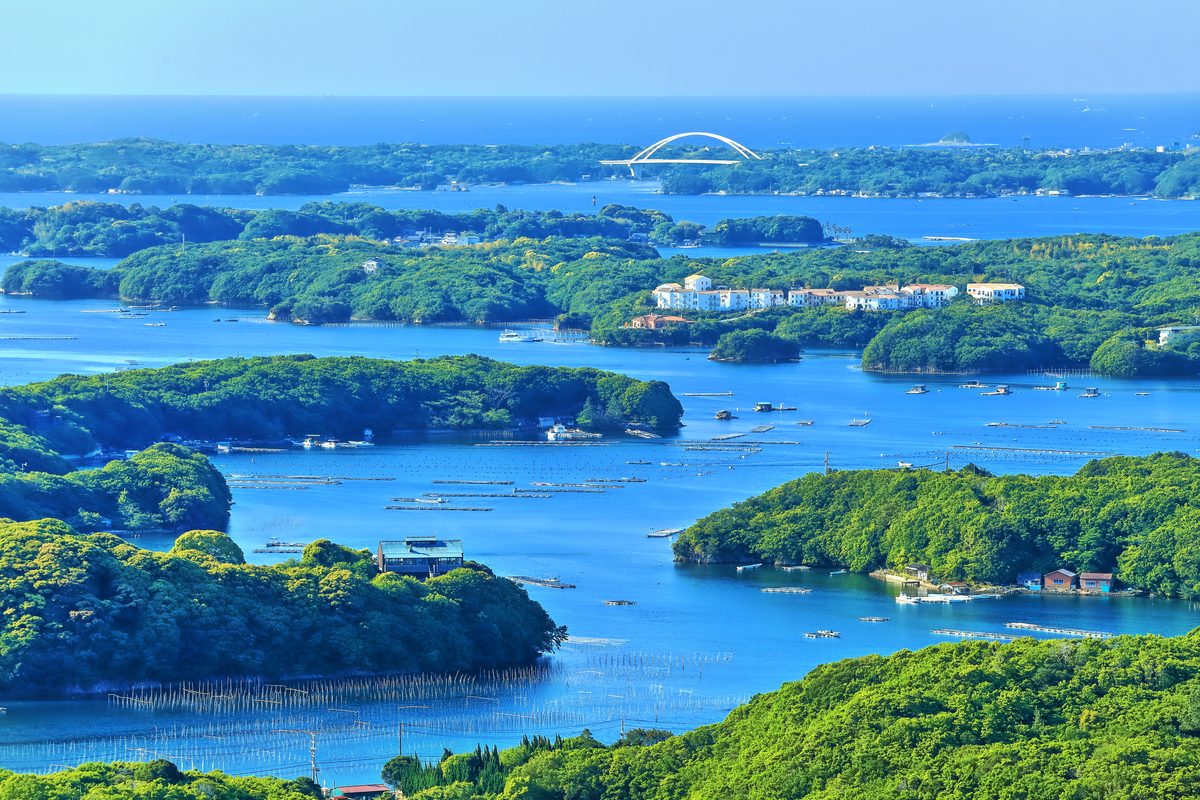
Ago Bay Pearl Farms
The sheltered, island-dotted bay where Mikimoto Kokichi cultivated the world's first cultured pearl in 1893, creating an industry that transformed Japan. Boat tours pass working pearl raft farms where akoya oysters still grow under the same conditions. Toba Aquarium beside the bay is Japan's largest and most scientifically serious.
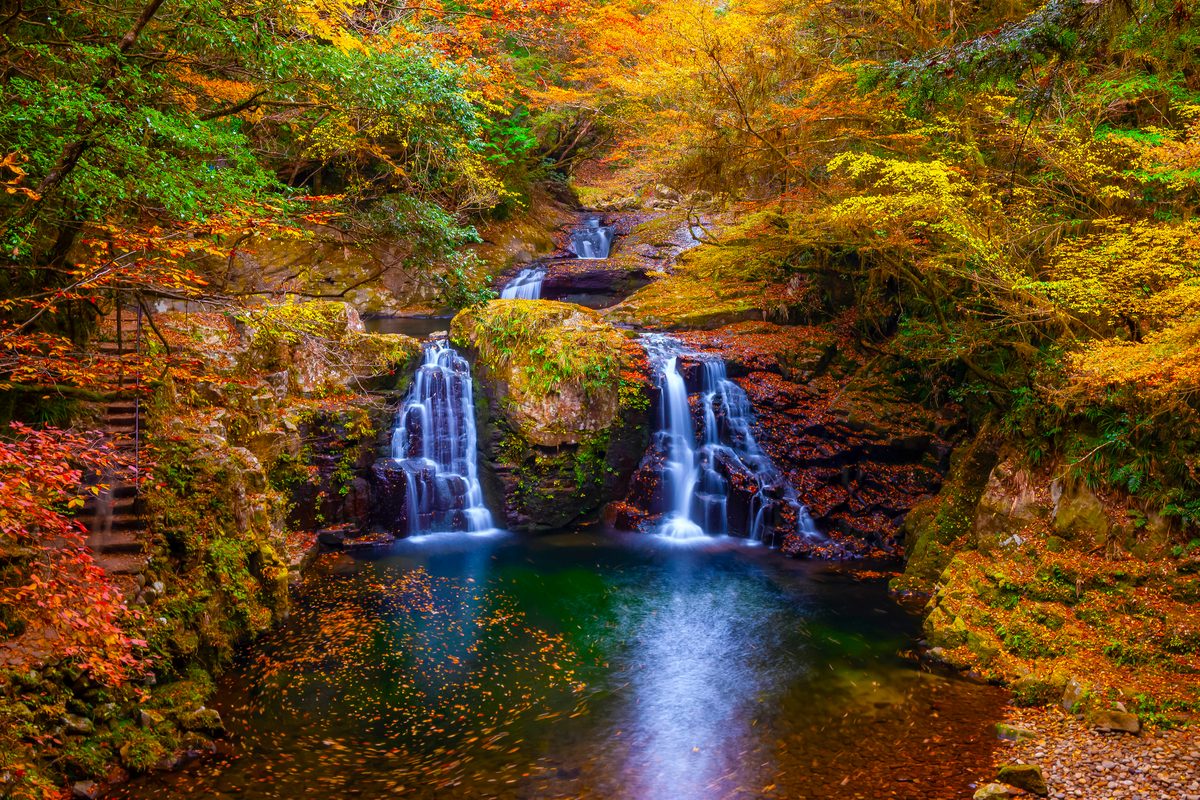
Akame 48 Waterfalls
A spectacular gorge hike through 4km of ancient forest passing 48 named waterfalls — from gentle veils to thundering drops. The trail is a designated area of natural monument, filled with giant ferns, giant salamanders (Japan's largest amphibian), and fireflies in early summer. The name "Akame" (red-eye) comes from the giant salamander's eyes.
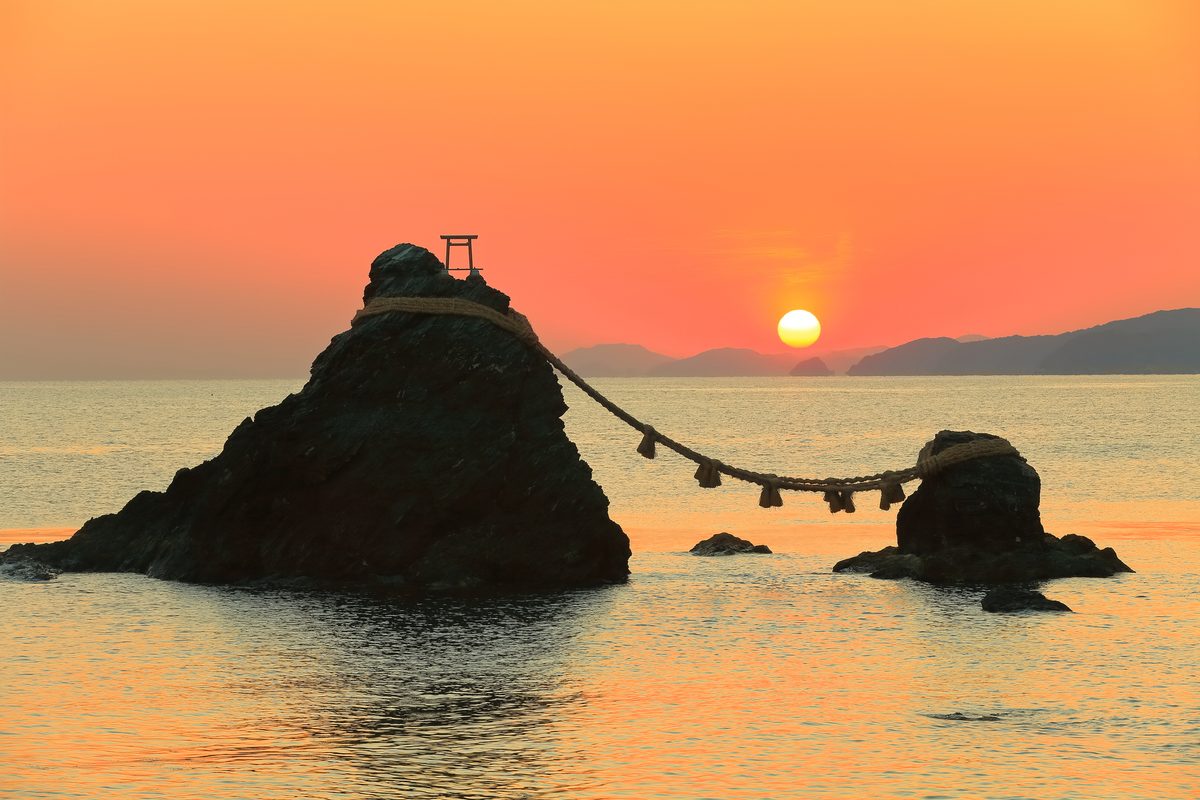
Futami Okitama Shrine & Meoto Iwa
A Shinto shrine on the coast where two sacred rocks — the "Married Couple Rocks" (Meoto Iwa) — are joined by a shimenawa rope renewed three times a year. The large rock enshrines Amaterasu and the small rock her husband — a symbol of marriage, partnership, and renewal. The sunrise between the rocks on the summer solstice is a famous ritual.