
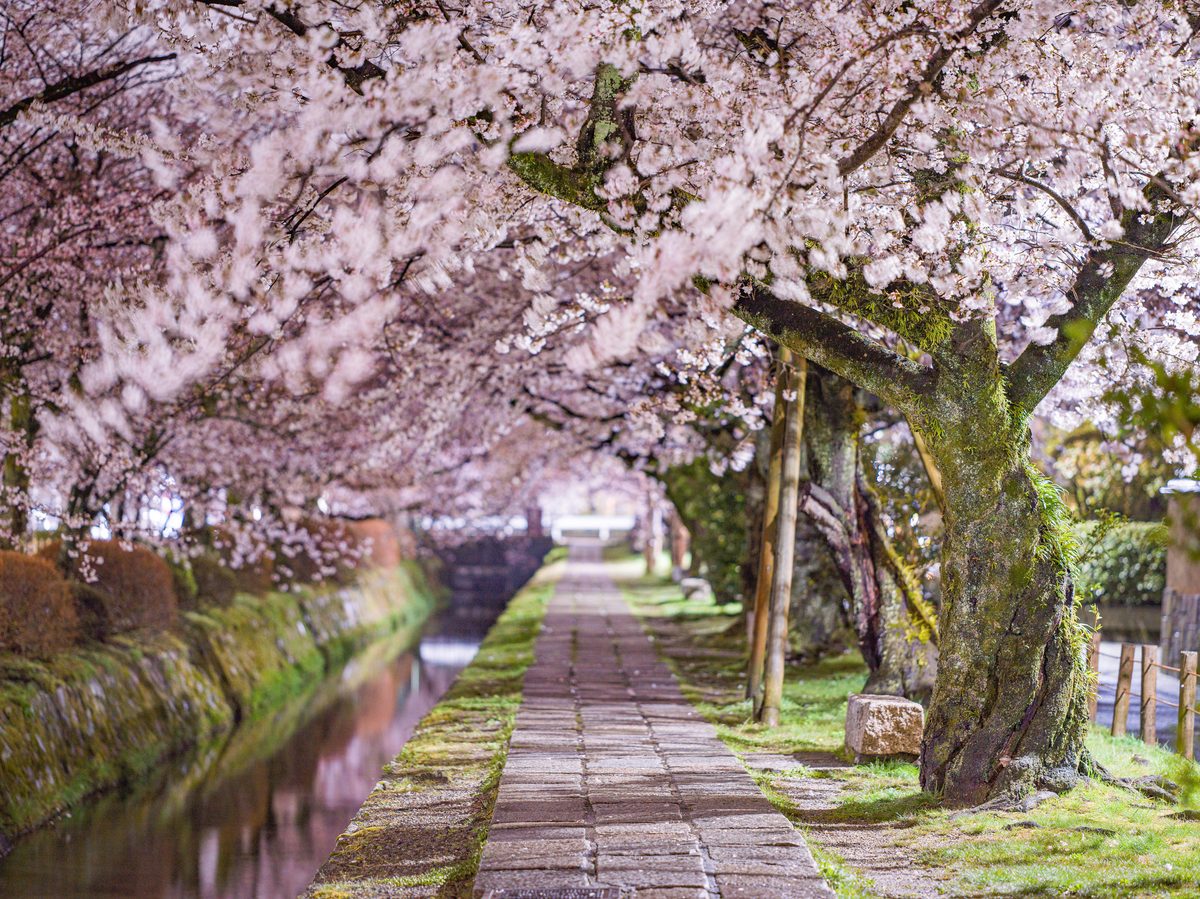
Philosopher's Path
A 2km canal-side walkway between Ginkakuji and Nanzenji, named after philosopher Nishida Kitaro who walked it daily. It connects eight major temples through an almost continuous canopy of cherry trees in spring and maple trees in autumn, passing quiet backstreet cafes and pottery studios.
1.5–2 hours
Free
Always open (outdoor path)
Late March–early April (cherry), November (maples)
Ginkakuji-michi bus stop (from Kyoto Station, 40 min)
Location
Why Visit
- 1
Named after Kyoto philosopher Nishida Kitaro who walked here contemplating his work each morning
- 2
The canal is lined with 400 cherry trees — Kyoto's most romantic blossom walk
- 3
The path connects Ginkakuji, Nanzenji, Eikan-do, and five other major temples in a single stroll
Local Tips
The 2km stone-paved canal path between Nanzenji and Ginkakuji is lined with cherry trees (late March peak) that make it one of Kyoto's most beautiful spring walks. Visit at 7am before the tourist shops open and you'll have the path largely to yourself. The cafes along the path are pleasant for a coffee stop. Honen-in temple is a hidden gem just off the path.
Add to your AI itinerary
Let AI build a multi-day trip around this spot.
Advertisement
More in Kyoto
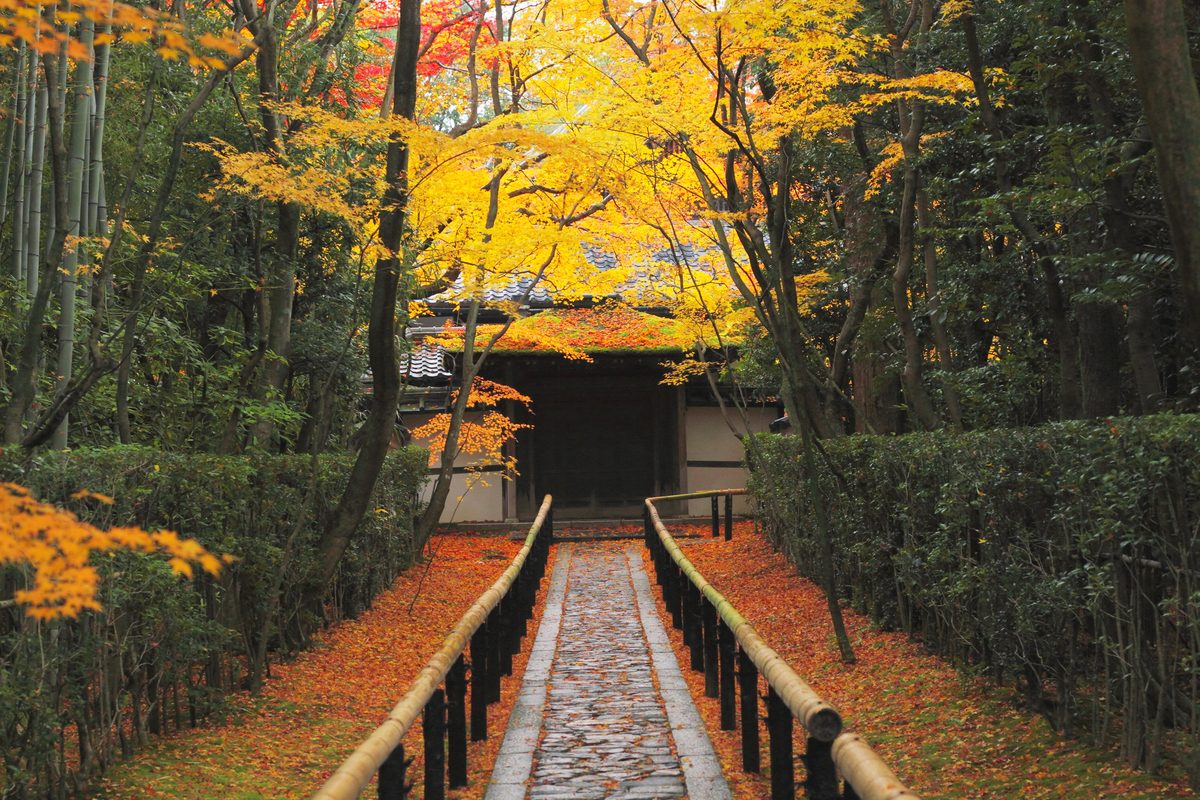
Daitoku-ji Temple Complex
A vast Zen complex of 22 sub-temples in northwestern Kyoto, most of which remain closed to the public. The handful that do open their gates reveal some of Japan's finest dry-landscape (karesansui) gardens — composed of raked gravel, moss, and carefully placed stones that reward slow, quiet contemplation.
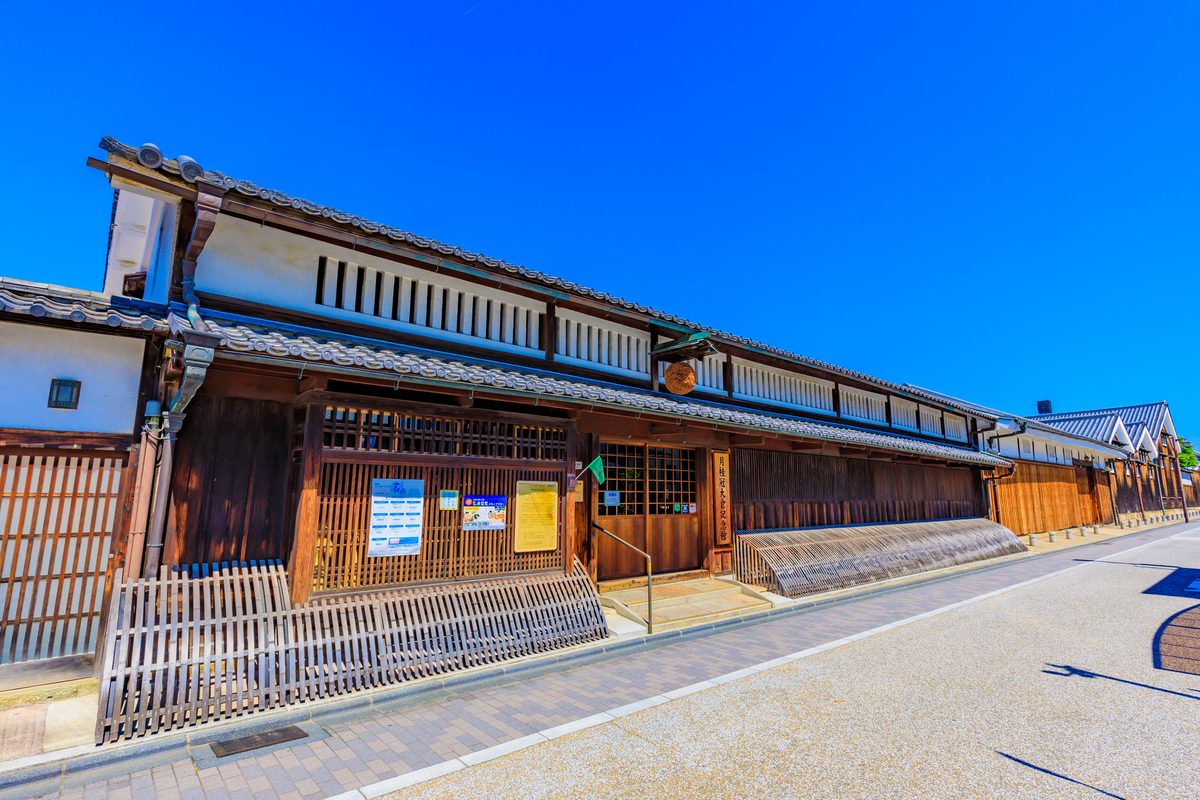
Fushimi Sake District
Southern Kyoto's Fushimi has brewed sake for over 400 years, fed by the exceptionally soft underground water from the Momoyama Hills. While tourists crowd Fushimi Inari's gates to the north, the old sake breweries along the willow-lined Fushimi canal remain remarkably peaceful and locals still visit sakagura for morning sake.
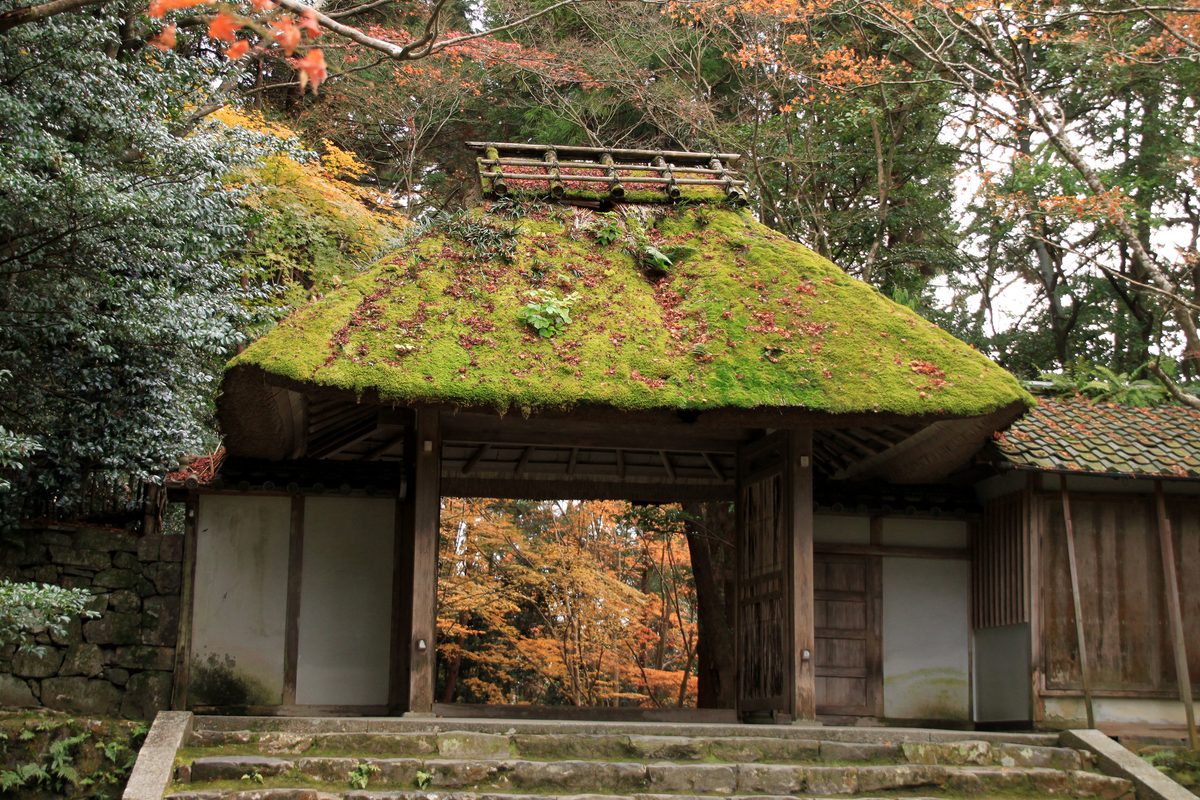
Honen-in
A hidden thatched-gate temple one minute off the Philosopher's Path that almost no tourists find despite its extraordinary beauty. Two sand mounds flanking the gate entrance are raked with seasonal patterns by the monks each week. The moss garden is kept deliberately cool and dark, and the grounds are free to enter.