
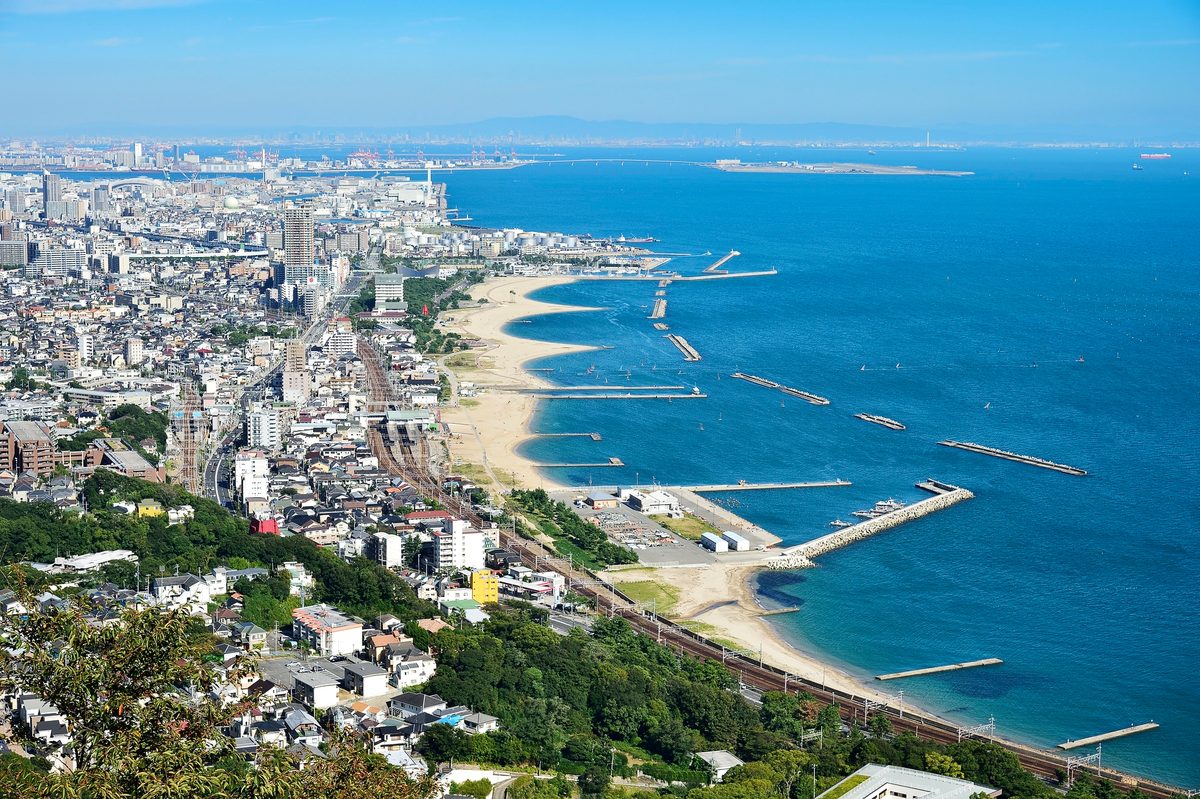
Suma Beach
The closest ocean beach to Osaka and Kobe — a famous site in classical Japanese poetry (Genji Monogatari) where Prince Genji lived in exile. The beach itself is white sand with a gentle slope ideal for swimming. The adjacent Suma-dera temple has been receiving visitors for 1,200 years, housing artifacts from the Genpei naval battle fought offshore.
2–3 hours
Free (beach)
Beach: always open; facilities May–Sep
July–August (beach), Year-round (temple)
Suma Station on JR Sanyo Line (30 min from Osaka)
Location
Why Visit
- 1
Featured in The Tale of Genji — Prince Genji's place of exile, immortalised in 11th-century literature
- 2
The adjacent Suma-dera houses a flute said to have belonged to Taira no Atsumori from the 1184 sea battle
- 3
Sandy beach with free swimming July–August, just 30 min from Osaka
Local Tips
The beach where the Tale of Genji's protagonist went into exile has a melancholy literary atmosphere. Akashi Kaikyo Bridge (the world's longest suspension bridge) is visible to the west. The beach itself is good for swimming and less crowded than Shonan beaches near Tokyo. Suma Rikyu Park above the beach has excellent cherry blossoms in April.
Add to your AI itinerary
Let AI build a multi-day trip around this spot.
Advertisement
More in Hyogo
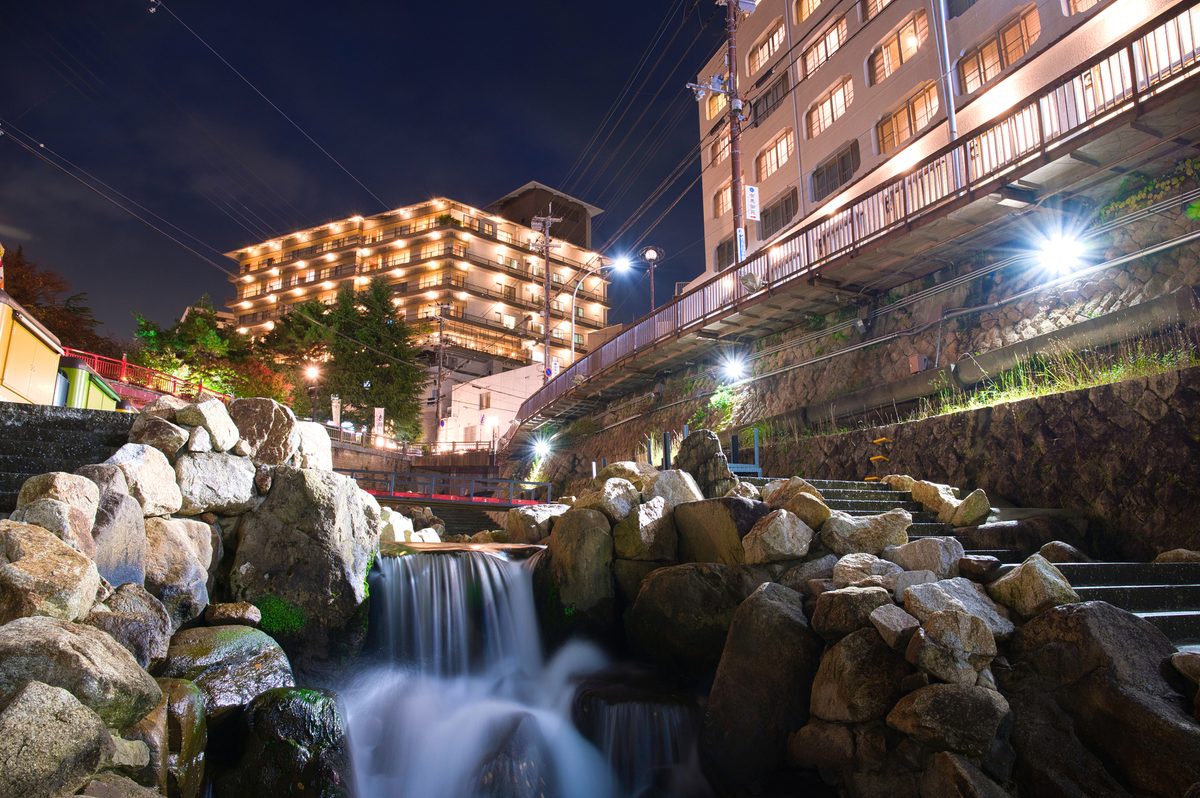
Arima Onsen
Japan's oldest recorded hot spring resort — mentioned in 8th-century chronicles and praised by Toyotomi Hideyoshi as his favourite retreat. The town has two unique spring types: Kinsen (golden-iron water that turns rusty on contact with air) and Ginsen (radium-bearing clear water). Both are found nowhere else in the region.
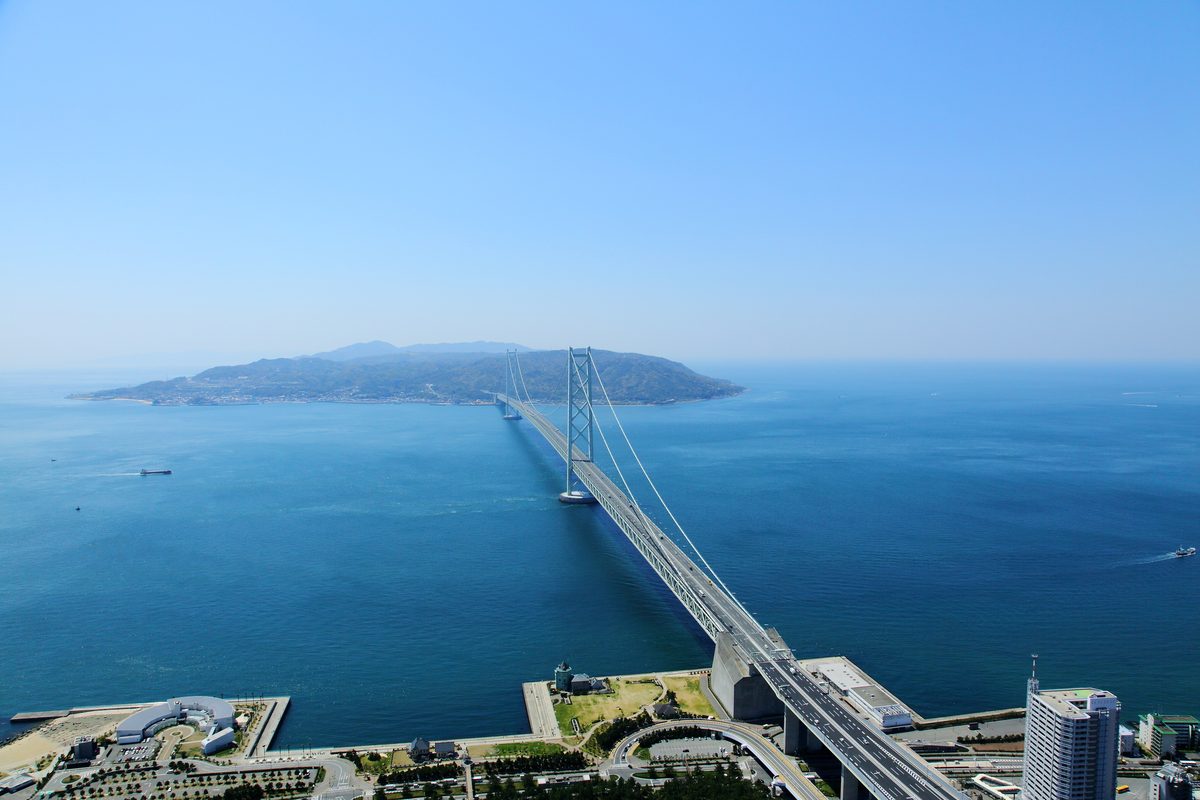
Awaji Island
Japan's first island according to Kojiki mythology and the birthplace of Awaji onions — the sweetest in Japan. The island sits between Osaka Bay and the Naruto Strait where powerful whirlpools form. The northern tip connects to Kobe via the Akashi Kaikyo Bridge (world's longest suspension bridge). The western coast has beaches and onsen resorts.
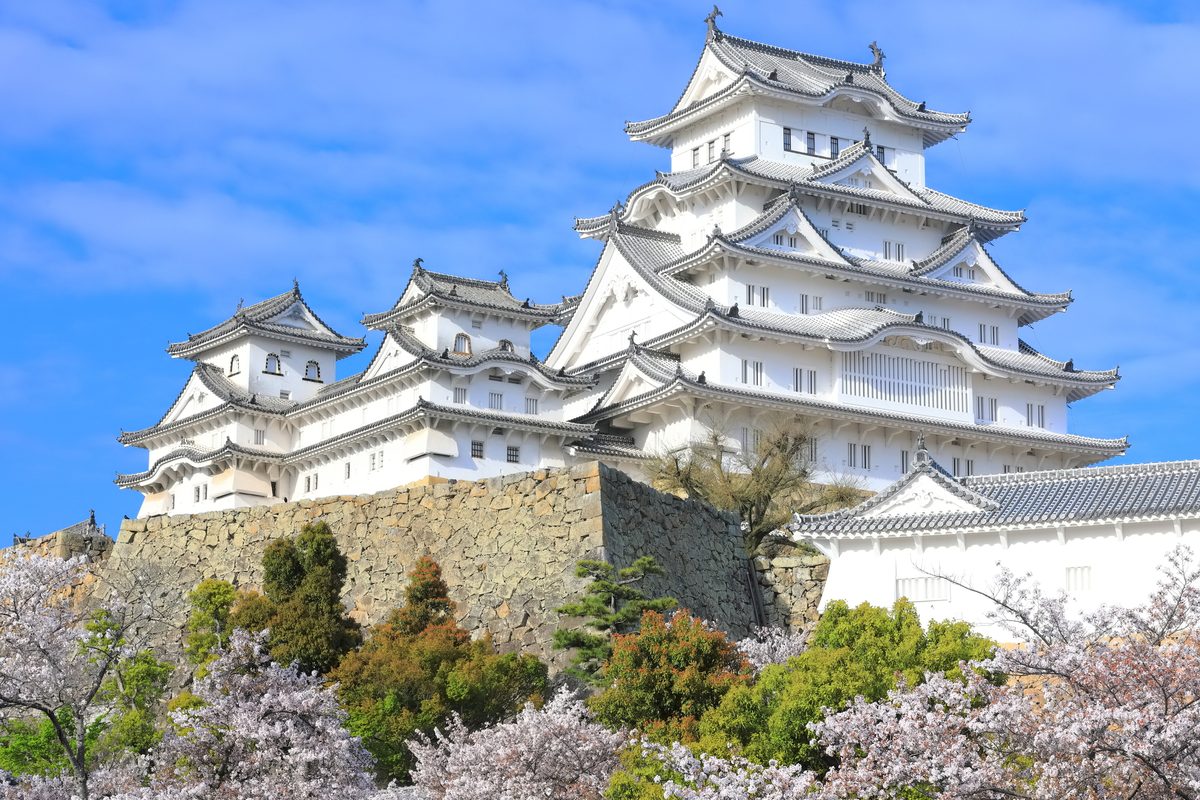
Himeji Castle
Japan's finest surviving feudal castle — a UNESCO World Heritage site nicknamed the "White Heron Castle" for its dazzling white plastered walls. Built in 1609 and never destroyed by war, earthquake, or fire, it stands exactly as it was 400 years ago. The six-storey keep and 83 connected buildings form the largest castle complex in Japan.