
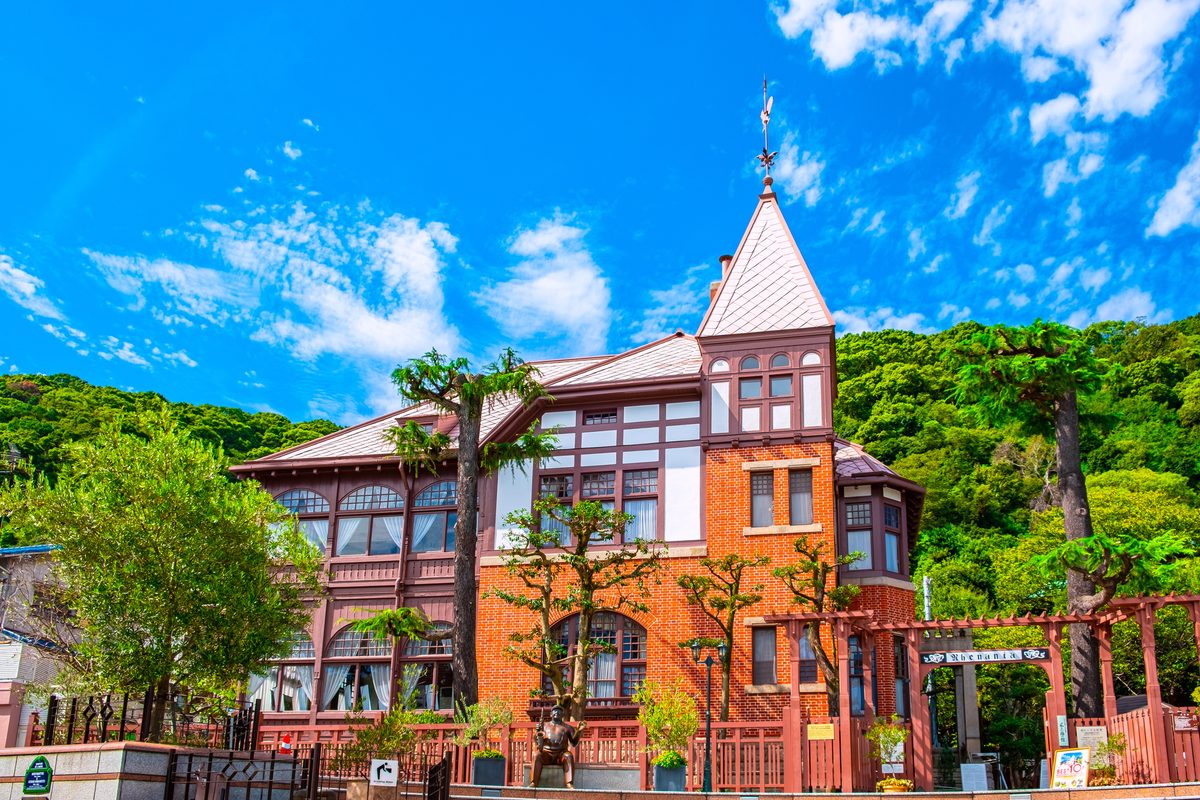
Kobe Kitano — Foreign Residences
The Kitano hillside district where foreign traders built Victorian, colonial, and art nouveau mansions after Kobe opened to the world in 1868. Twenty-three of these preserved ijinkan (foreign residences) are open as museums. The area is cosmopolitan and café-lined, with the finest Western architecture in Japan outside Yokohama.
2–3 hours
Each house ¥500 (combo tickets available)
District always accessible; individual ijinkan: e.g. Weathercock House 9:00–17:00 (closed 3rd Tue); hours vary by house.
Year-round
20 min walk from Sannomiya Station
Location
Why Visit
- 1
23 preserved ijinkan (foreign-style residences) spanning Victorian, Wilhelmine, and colonial styles
- 2
The Weathercock House and Moegi House are National Designated Important Cultural Properties
- 3
Kobe's international character — Chinese, American, British, Danish houses all on the same street
Local Tips
The foreign residences (ijinkan) tell the story of Kobe as Japan's most cosmopolitan Meiji-era port. The Weathercock House and the English House are the most interesting interiors. The hilltop location gives good views over Kobe harbour and Port Island. Kobe beef at a teppanyaki restaurant in the Kitano area is the natural way to complete the visit.
Add to your AI itinerary
Let AI build a multi-day trip around this spot.
Advertisement
More in Hyogo
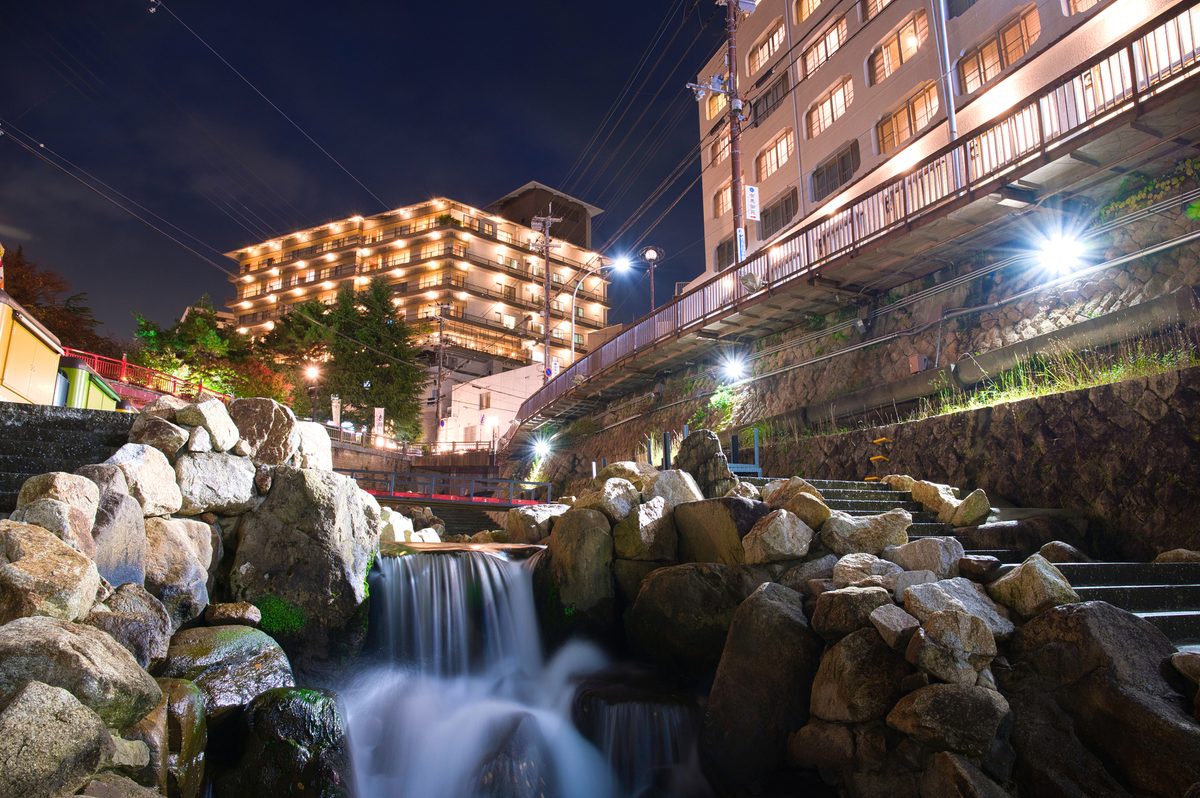
Arima Onsen
Japan's oldest recorded hot spring resort — mentioned in 8th-century chronicles and praised by Toyotomi Hideyoshi as his favourite retreat. The town has two unique spring types: Kinsen (golden-iron water that turns rusty on contact with air) and Ginsen (radium-bearing clear water). Both are found nowhere else in the region.
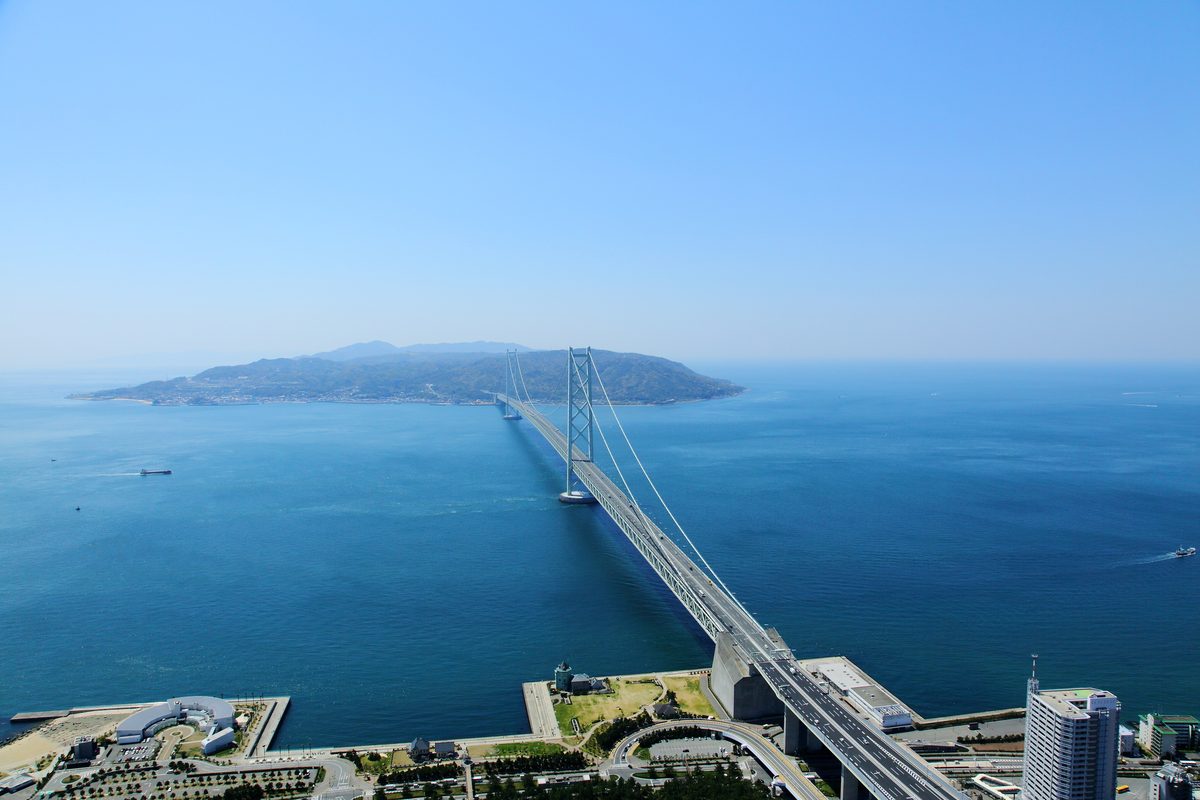
Awaji Island
Japan's first island according to Kojiki mythology and the birthplace of Awaji onions — the sweetest in Japan. The island sits between Osaka Bay and the Naruto Strait where powerful whirlpools form. The northern tip connects to Kobe via the Akashi Kaikyo Bridge (world's longest suspension bridge). The western coast has beaches and onsen resorts.
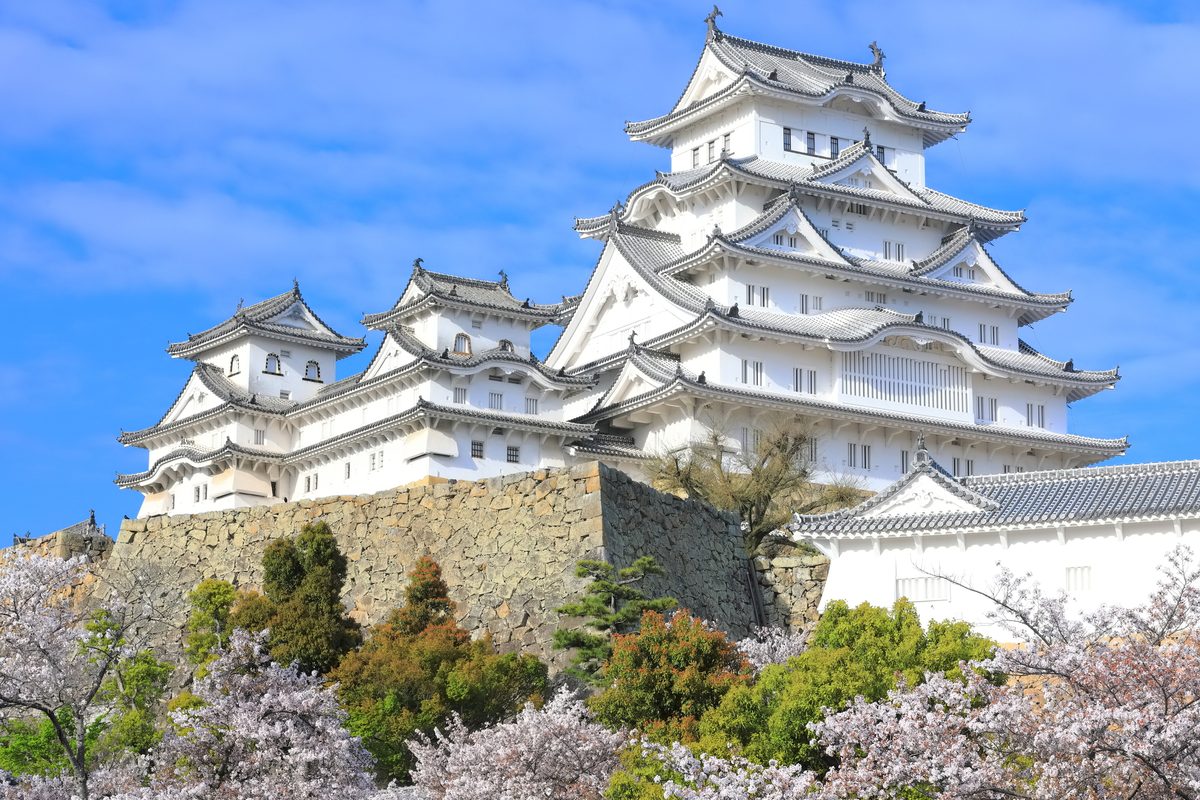
Himeji Castle
Japan's finest surviving feudal castle — a UNESCO World Heritage site nicknamed the "White Heron Castle" for its dazzling white plastered walls. Built in 1609 and never destroyed by war, earthquake, or fire, it stands exactly as it was 400 years ago. The six-storey keep and 83 connected buildings form the largest castle complex in Japan.