
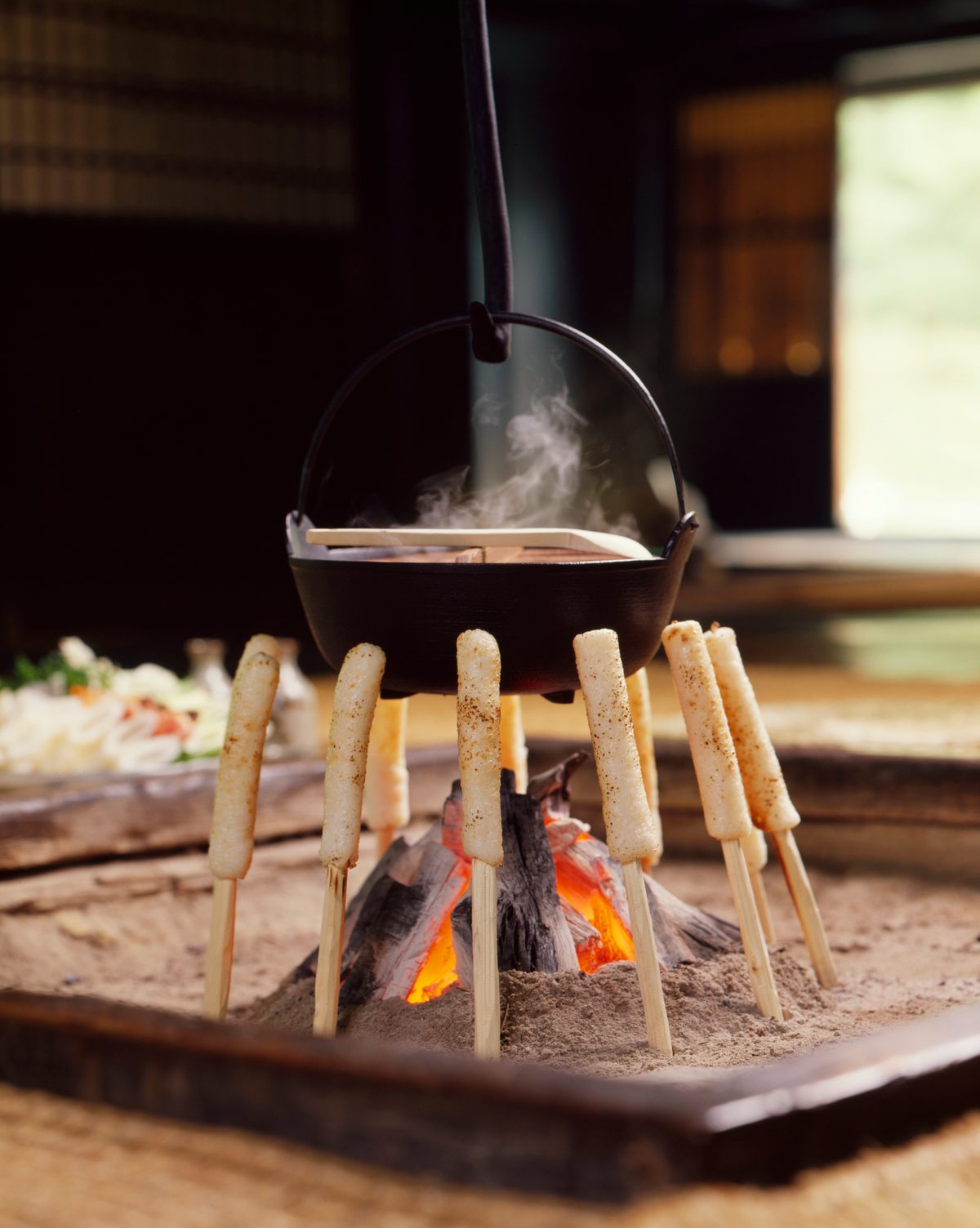
Kiritanpo — Akita's Hearth Dish
Kiritanpo is Akita's most beloved regional dish — cylindrical rice cakes made by wrapping cooked rice around cedar skewers, grilling them over charcoal, then simmering in a richly flavoured chicken broth with burdock root, maitake mushrooms, and green onions. The result is a warming, deeply comforting nabe (hot pot) that has sustained people through Akita's long, cold winters for centuries. Originally a hunters' mountain food, kiritanpo nabe is now the defining dish of the prefecture and is available throughout Akita city from autumn through spring.
1–2 hours
¥1,500–¥3,000 per person (set meal)
11:30–14:00, 17:00–22:00 (varies by restaurant)
October–March (peak season; available year-round at specialist restaurants)
5–10 minute walk from Akita Station. Several dedicated kiritanpo restaurants are clustered in the Omachi and Naka-dori areas of central Akita.
Location
Why Visit
- 1
Rice cakes grilled on cedar skewers then simmered in rich chicken and dashi broth.
- 2
Akita's most iconic local dish, with roots in mountain hunters' cuisine.
- 3
Served with burdock, maitake mushrooms, and green onions for deep umami flavour.
- 4
Many restaurants near Akita Station offer kiritanpo nabe sets from ¥1,500.
Local Tips
Order the full nabe set rather than a single skewer to appreciate the dish properly. Restaurants get busy on autumn and winter evenings — reserve ahead. The grilled skewer (miso-dare variety) sold at markets is also delicious as a street snack.
Add to your AI itinerary
Let AI build a multi-day trip around this spot.
Advertisement
More in Akita
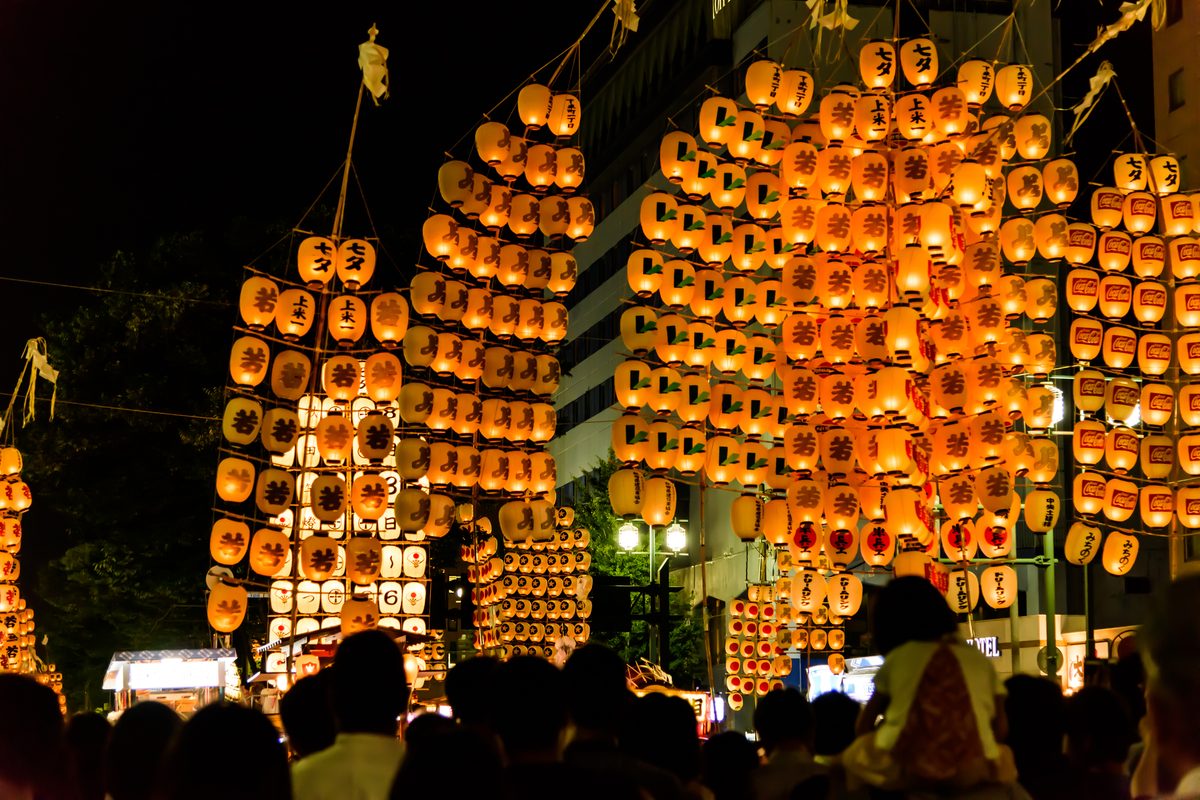
Akita Kanto Festival
The Akita Kanto Festival, held every August, is one of the great summer festivals of Tohoku and a designated Important Intangible Folk Cultural Property of Japan. Performers balance towering bamboo poles hung with dozens of glowing paper lanterns — some poles reaching 12 metres and weighing 50 kilograms — on their foreheads, shoulders, lower backs, and even hips. The sight of thousands of lanterns swaying against the night sky is genuinely breathtaking. Each evening, the main boulevard fills with performers and spectators, and the collective skill on display has been refined over 270 years.
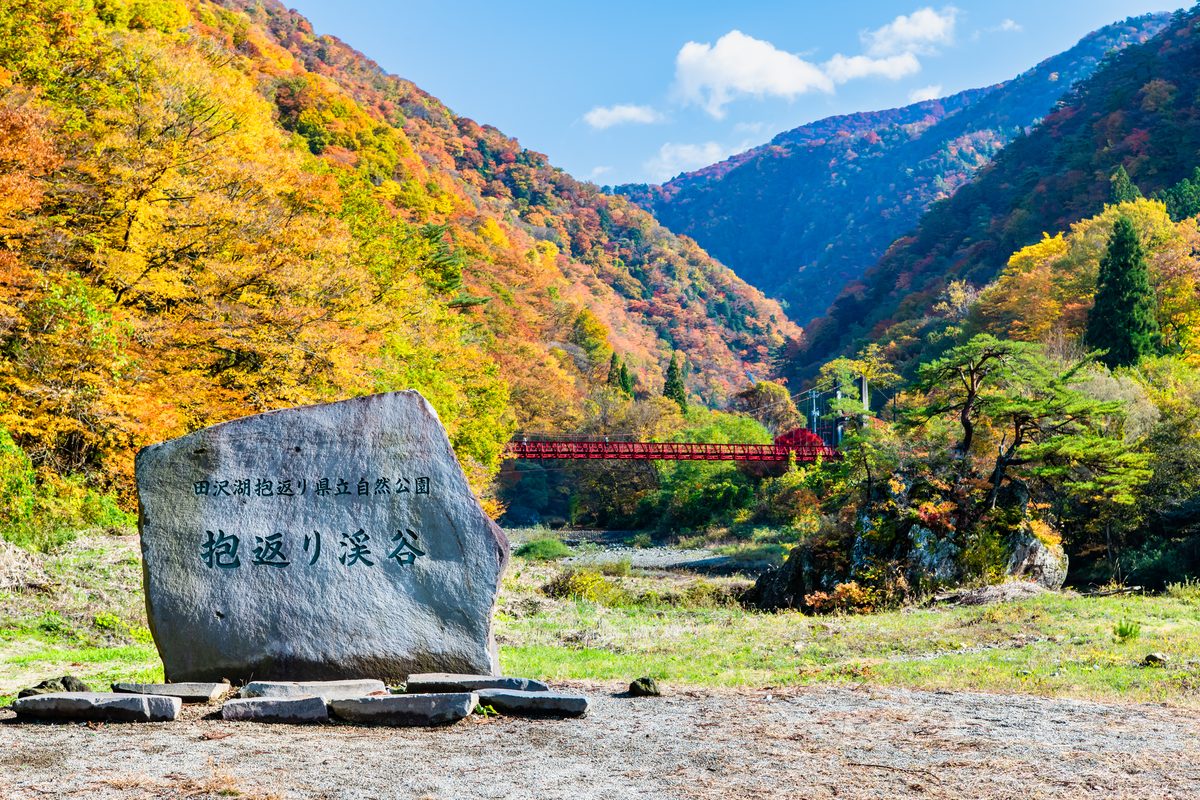
Dakigaeri Gorge
"Hold me and turn around" gorge — a narrow granite canyon so tight that hikers must press against the rockface to pass. The emerald river reflects maple, beech and Japanese cedar creating tunnels of colour in autumn.
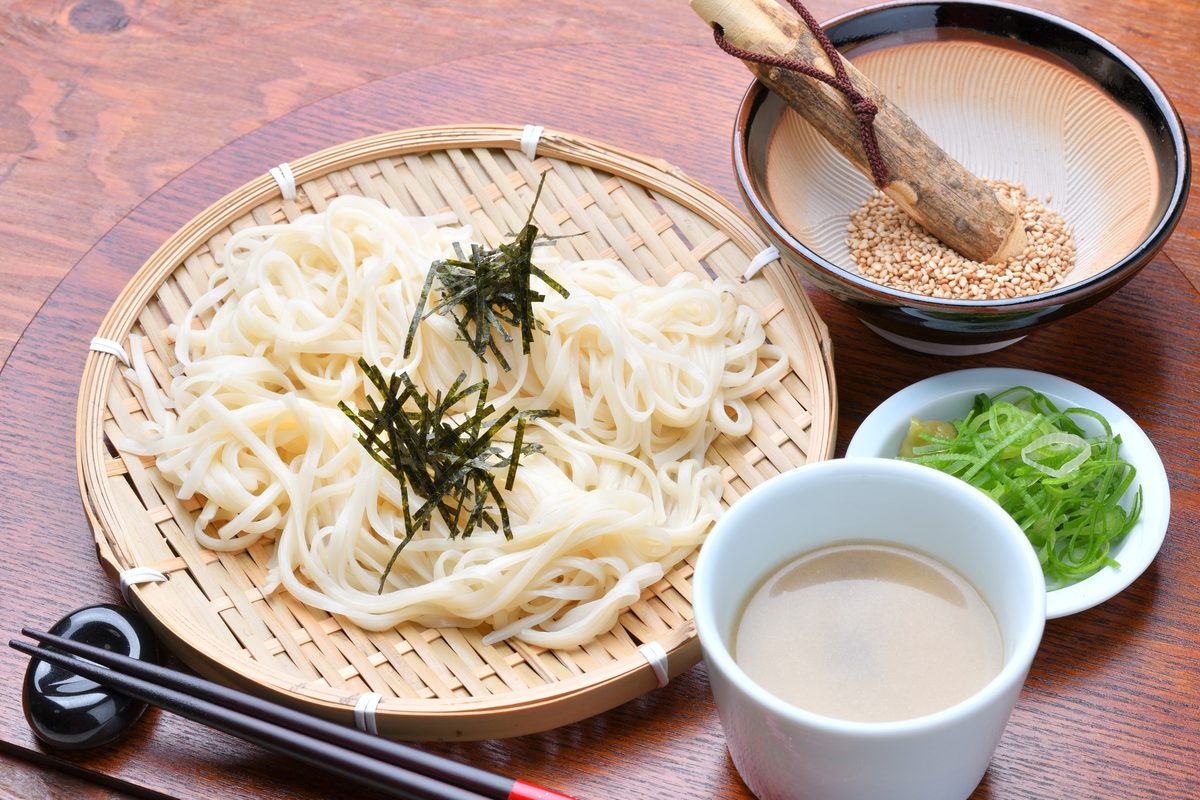
Inaniwa Udon — Silken Noodles of Akita
Inaniwa udon, produced in the small village of Inaniwa in southern Akita, is one of Japan's three great udon styles and has been made by hand using the same technique for over 350 years. Unlike the thick, chewy udon of Kagawa, Inaniwa noodles are thin, flat, and silky smooth, with a delicate bite that feels almost refined. The noodles are hand-stretched and dried over several days without machines. Eating them in their home region — hot in a light dashi broth or chilled in summer — is a markedly different experience from packaged versions sold elsewhere in Japan.