
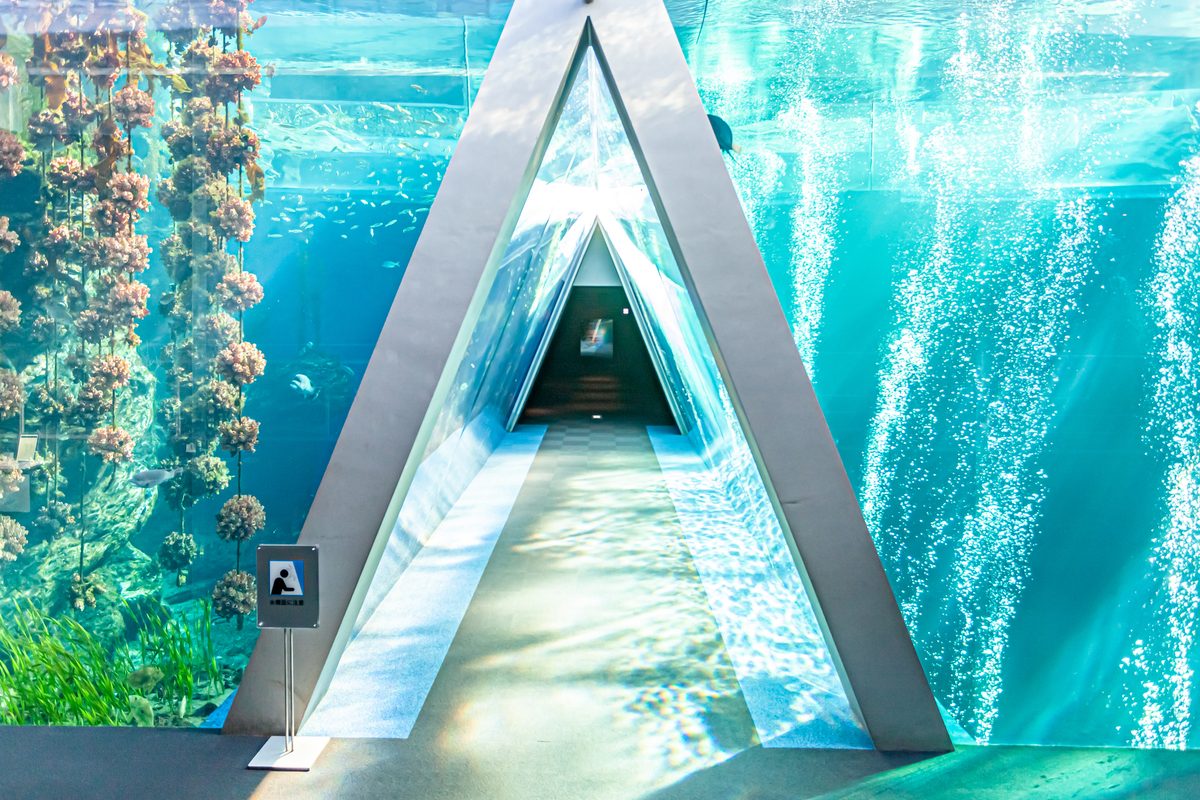
Aquamarine Fukushima
Aquamarine Fukushima is one of Japan's most conceptually distinctive aquariums, built around the theme of the Kuroshio and Oyashio ocean currents that collide off the Fukushima coast, creating one of the world's most biologically rich seas. The centrepiece is a vast tunnel tank through which visitors walk beneath schools of tuna, rays, and sharks. Unlike conventional aquariums, Aquamarine also incorporates rice paddy exhibits, river ecosystems, and a beachside outdoor zone, reflecting the connection between land and sea that defines the Hamadori coast. Hands-on programs include touch pools, fishing experiences, and behind-the-scenes tours, making it one of the most engaging aquariums in Tohoku.
2–4 hours
¥1,850 (adults), ¥900 (elementary to high school students); preschool children free
9:00–17:30 (Mar 21–Nov 30), 9:00–17:00 (Dec 1–Mar 20); last entry 1 hour before closing; open year-round
Year-round
By car: approximately 20 minutes from Iwaki Yumoto IC, or about 10 minutes from Iwaki Izumi IC via Onahama Road. By public transport: from JR Izumi Station, take a local bus to Aeon Mall Iwaki-Onahama (about 15 minutes), then walk about 5 minutes.
Location
Why Visit
- 1
Built around the Kuroshio-Oyashio collision — one of the world's richest ocean ecosystems.
- 2
Walk-through tunnel tank with tuna, rays, and open-ocean sharks overhead.
- 3
Unusual exhibits connecting river, rice paddy, and sea ecosystems.
- 4
Hands-on programs including touch pools, fishing experiences, and backyard tours.
Local Tips
Parking is shared with nearby commercial facilities and can become very crowded during Golden Week and summer, so public transport is recommended at peak times.
Add to your AI itinerary
Let AI build a multi-day trip around this spot.
Advertisement
More in Fukushima
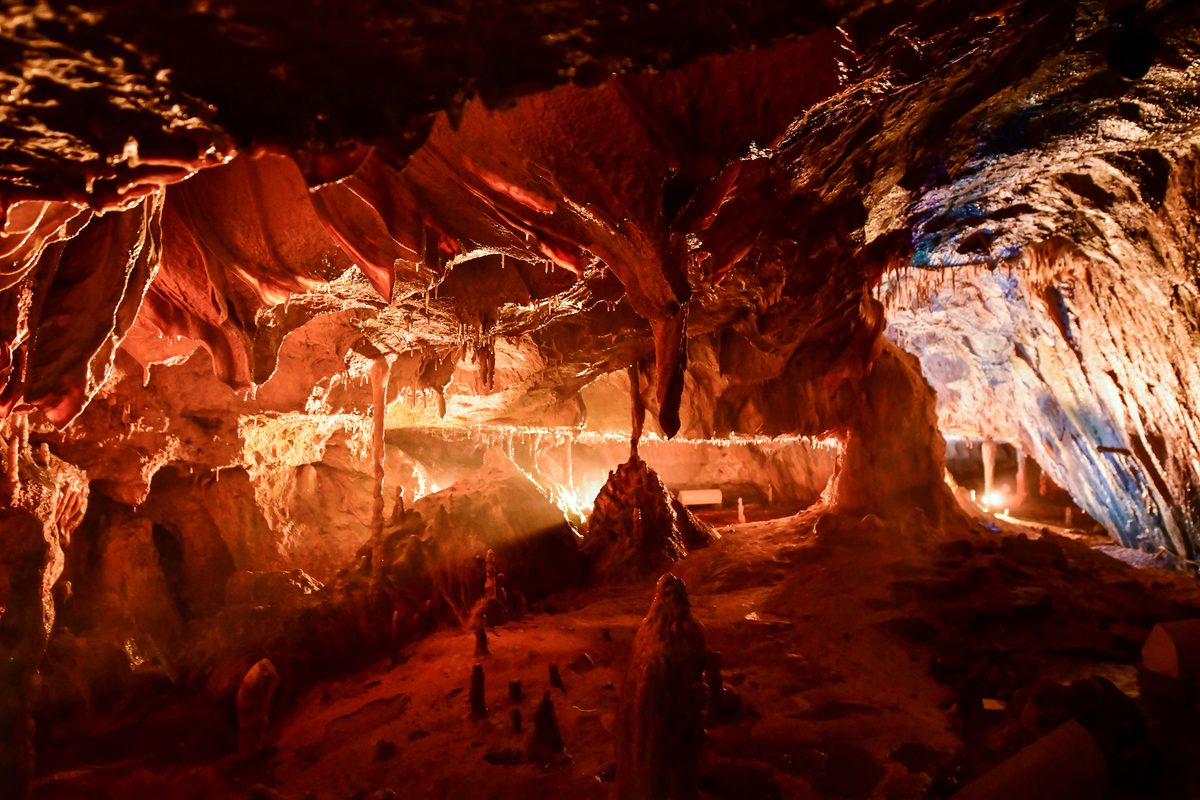
Abukuma Cave
Abukuma Cave is one of the largest limestone caverns in eastern Japan, formed over 80 million years and stretching more than 3 kilometres beneath the hills of central Fukushima. Approximately 600 metres are open to the public along a well-lit standard course, where stalactites, stalagmites, and flowstone formations of extraordinary delicacy fill illuminated chambers. An additional adventure course — requiring a helmet and crawling through narrow passages — takes visitors into sections rarely seen in Japanese show caves. The cave maintains a year-round temperature of around 15°C, making it refreshingly cool in summer and pleasantly mild in winter.
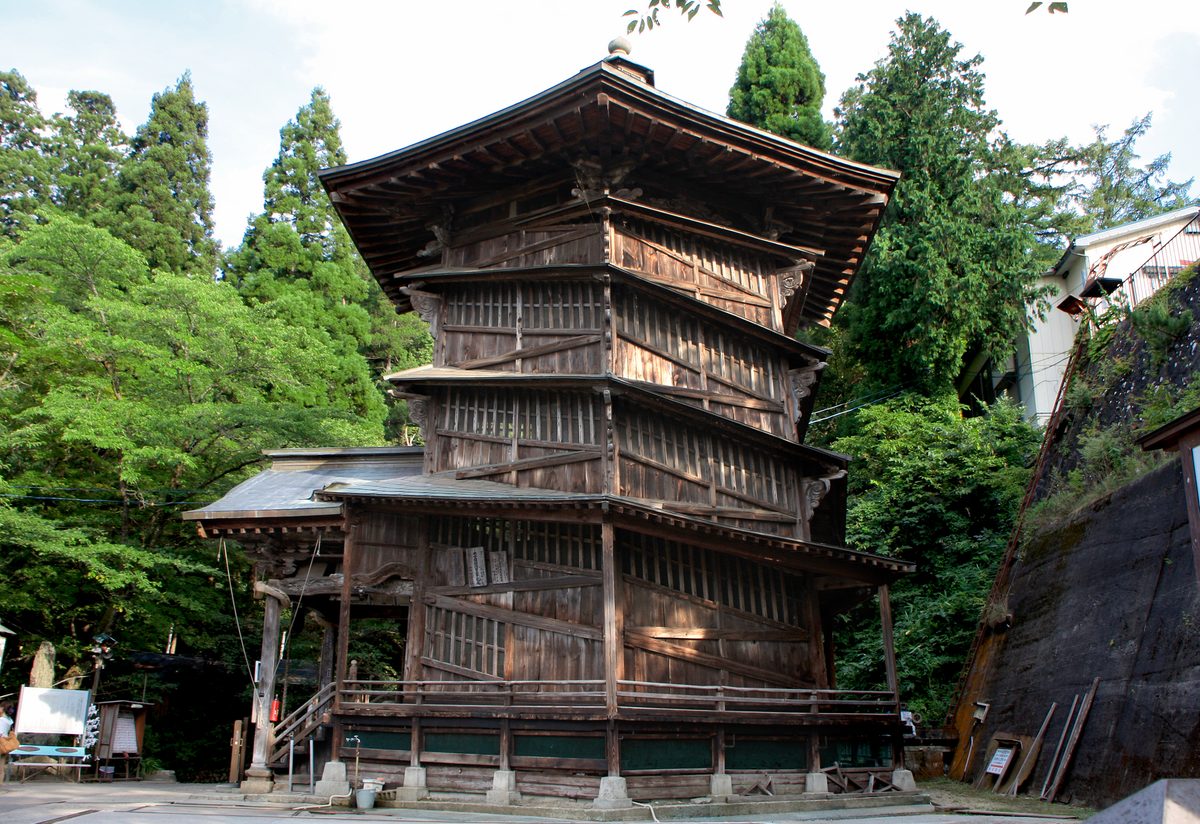
Aizu Sazaedo
A unique double-helix wooden temple built in 1796 whose ascending and descending ramps spiral around a central axis without ever crossing — 33 Kannon statues line the route, allowing a complete pilgrimage without retracing steps.
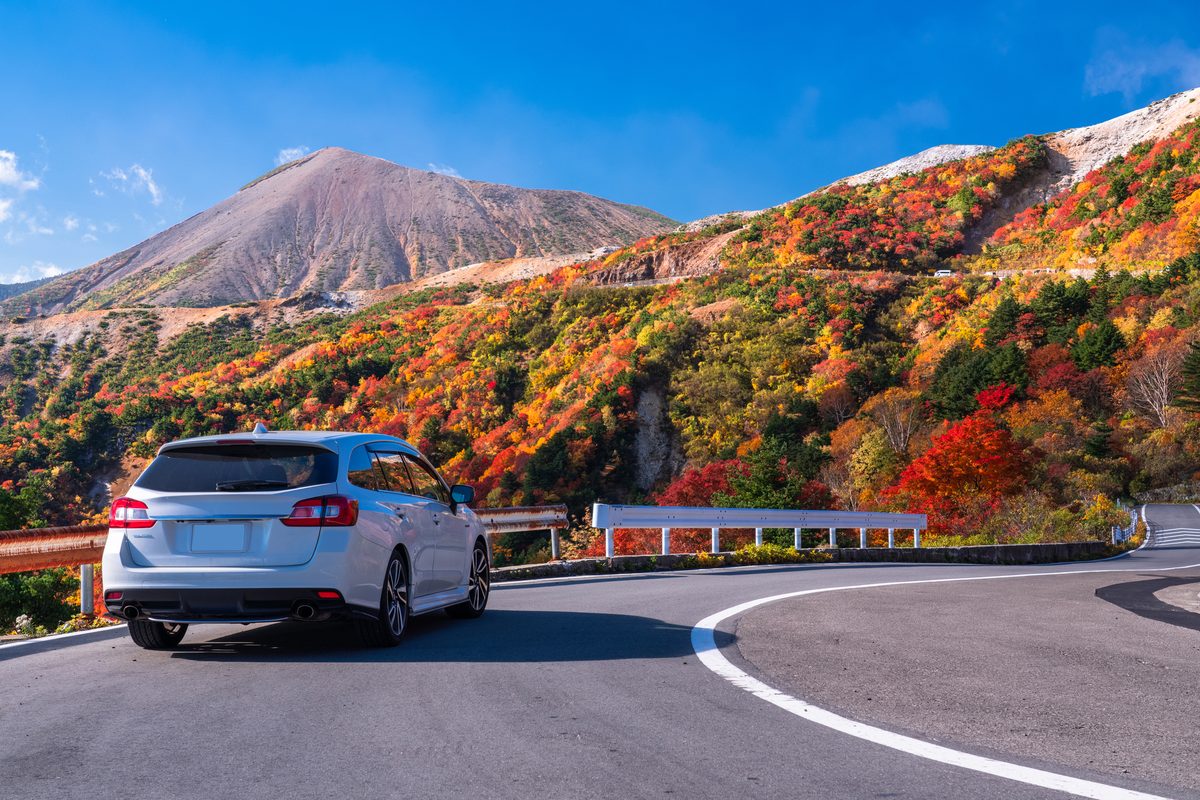
Bandai-Azuma Skyline
The Bandai-Azuma Skyline is a 29-kilometre mountain road crossing the Azuma volcanic range at over 1,600 metres, connecting Fukushima city with the Bandai plateau. The drive passes through landscapes that shift dramatically with the seasons: in early spring, walls of snow several metres high line the freshly opened road; in summer, volcanic vents at Jododaira emit sulphurous steam beside hiking trails; and in autumn, the entire mountainside erupts in one of Tohoku's finest displays of red and gold foliage. The road is closed in winter, making the spring opening — typically in late April — one of the most anticipated events of the Fukushima outdoor calendar.