
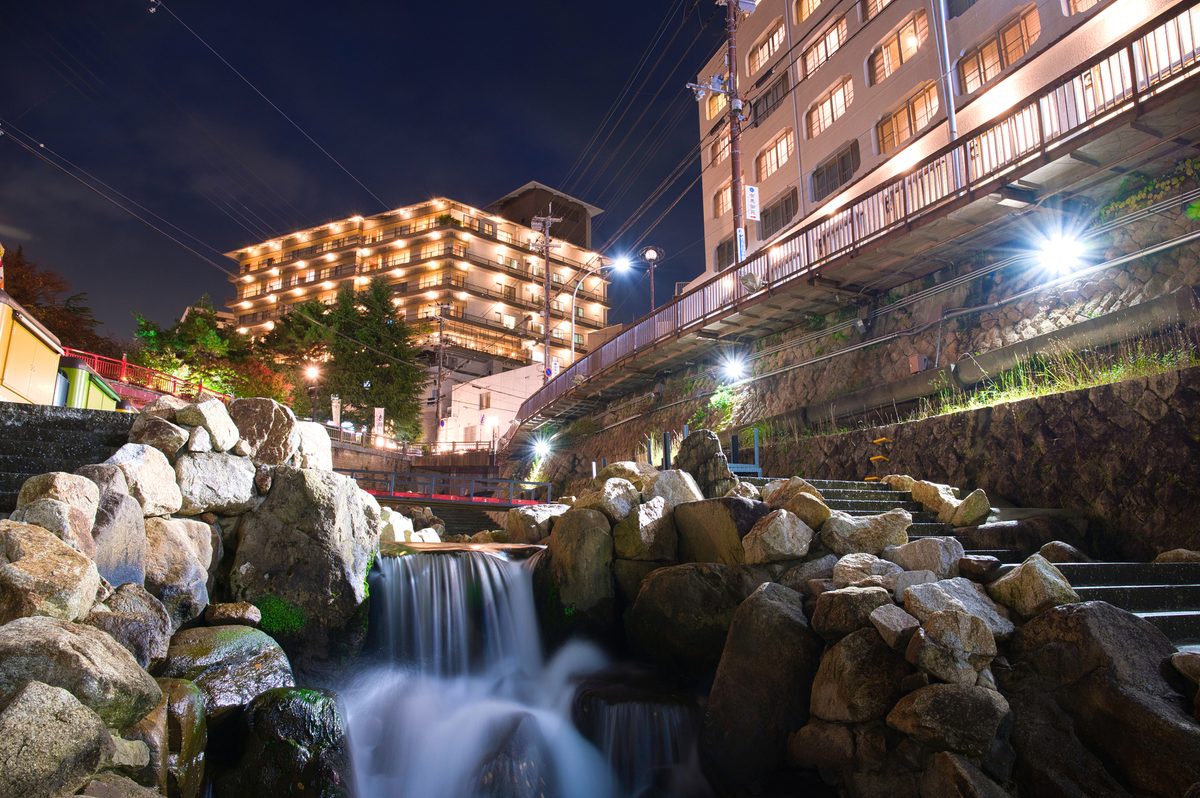
Arima Onsen
Japan's oldest recorded hot spring resort — mentioned in 8th-century chronicles and praised by Toyotomi Hideyoshi as his favourite retreat. The town has two unique spring types: Kinsen (golden-iron water that turns rusty on contact with air) and Ginsen (radium-bearing clear water). Both are found nowhere else in the region.
1 day recommended
Day baths from ¥650
Day bath: typically 8:00–22:00 (varies by facility); Kinsen (Kin-no-Yu): 8:00–22:00, closed 2nd & 4th Tue; Ginsen (Gin-no-Yu): 9:00–21:00, closed 1st & 3rd Tue.
Year-round
Arima Onsen Station on Kobe Electric Railway (40 min from Sannomiya)
Location
Why Visit
- 1
Japan's oldest recorded onsen town — written records from the 8th century
- 2
Two unique spring types: Kinsen (rust-orange iron water) and Ginsen (clear radium water) found nowhere else
- 3
Toyotomi Hideyoshi bathed here 11 documented times — the teahouse he used survives
Local Tips
Arima has two distinct spring types: Kinsen (gold, iron-rich, reddish) and Ginsen (silver, clear). Try both for very different experiences. Extremely crowded on weekends — weekday morning arrivals get much better access to the narrow lanes.
Add to your AI itinerary
Let AI build a multi-day trip around this spot.
Advertisement
More in Hyogo
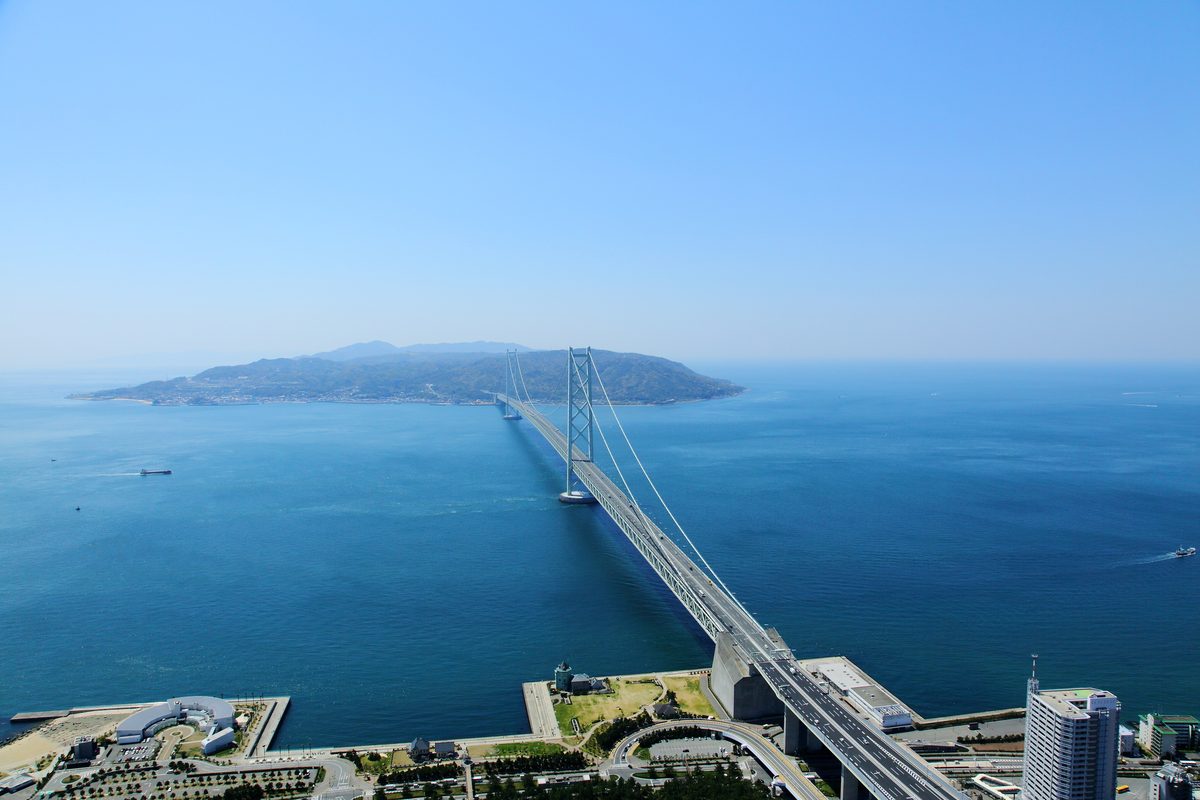
Awaji Island
Japan's first island according to Kojiki mythology and the birthplace of Awaji onions — the sweetest in Japan. The island sits between Osaka Bay and the Naruto Strait where powerful whirlpools form. The northern tip connects to Kobe via the Akashi Kaikyo Bridge (world's longest suspension bridge). The western coast has beaches and onsen resorts.
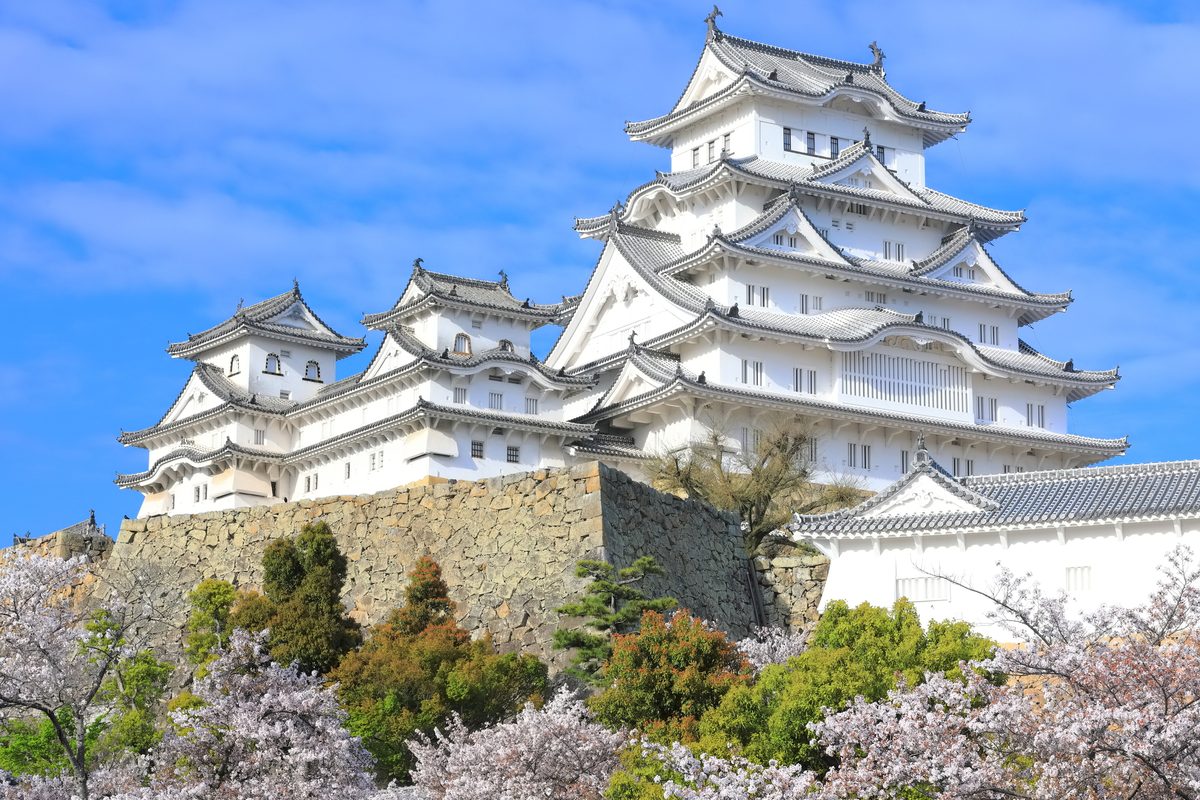
Himeji Castle
Japan's finest surviving feudal castle — a UNESCO World Heritage site nicknamed the "White Heron Castle" for its dazzling white plastered walls. Built in 1609 and never destroyed by war, earthquake, or fire, it stands exactly as it was 400 years ago. The six-storey keep and 83 connected buildings form the largest castle complex in Japan.
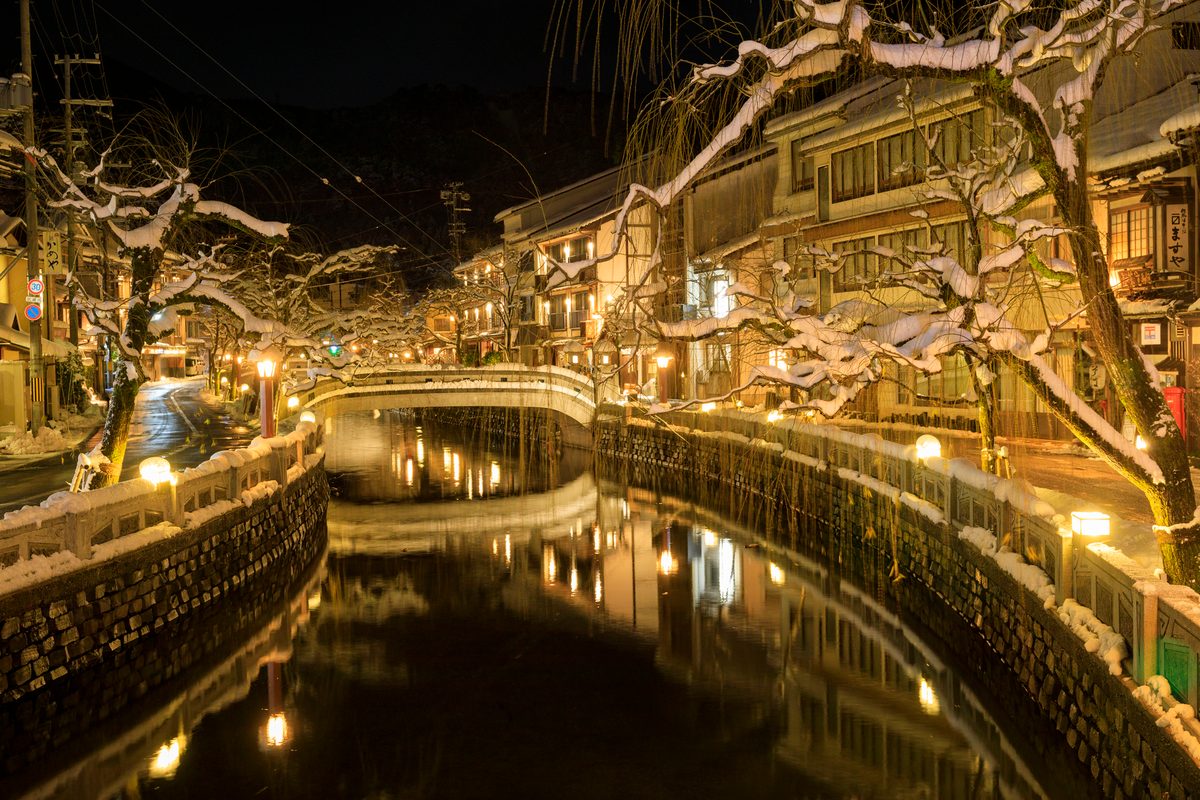
Kinosaki Onsen
A classic Tajima hot spring town where a willow-lined canal connects seven public bathhouses — each with a distinct architectural style and character. Guests wear yukata robes to walk between baths (soto-yu meguri), an Edo-period tradition still alive today. Snow crabs in winter make this one of Japan's finest ryokan destinations.