
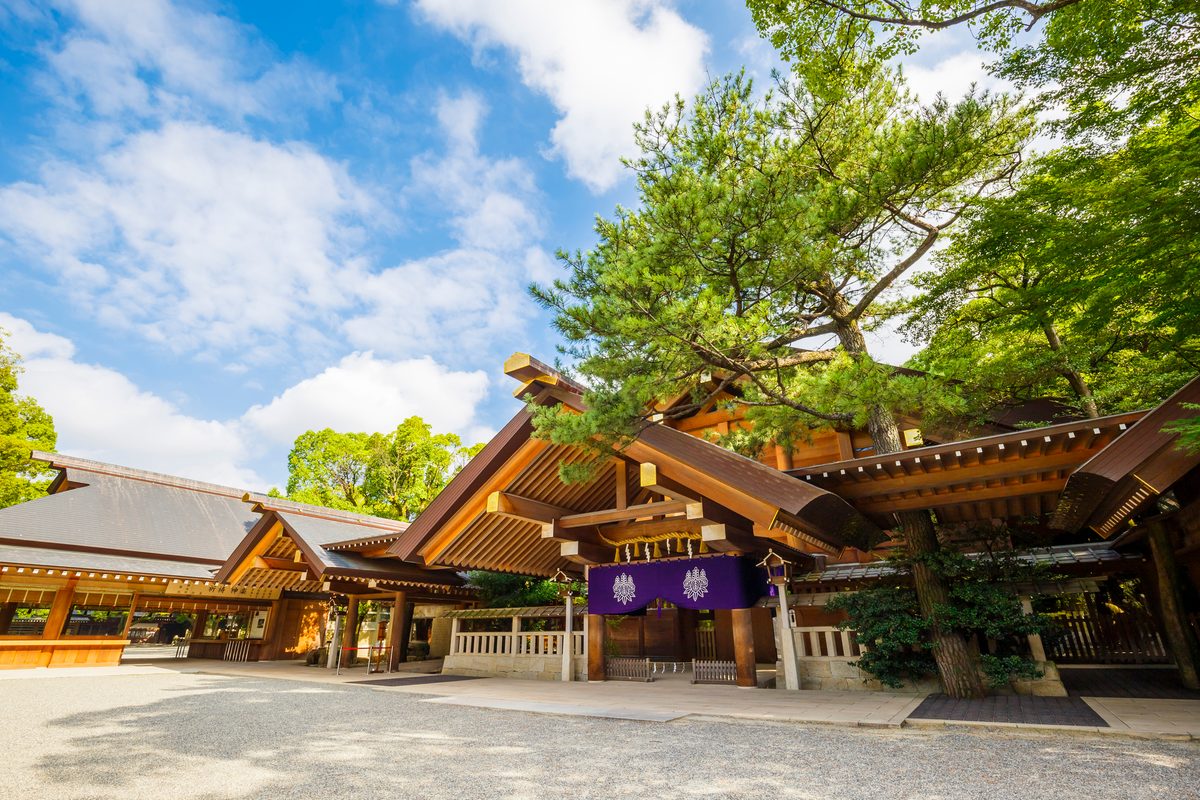
Atsuta Jingu
One of Japan's two most sacred Shinto shrines, Atsuta houses the Kusanagi-no-Tsurugi sword — one of the three Imperial Treasures of Japan. The 200,000-square-metre forested grounds feel ancient and serene, with massive camphor trees said to have been planted by Kobo Daishi over 1,200 years ago.
1–1.5 hours
Free
Shrine grounds: 24 hours; inner shrine: 5:00–19:00; Treasure Hall: 9:00–16:30, closed last Wed–Thu of each month and Dec 25–31
Year-round
7 min walk from Jingu-Nishi Station (Meijo Line)
Location
Why Visit
- 1
Enshrines the legendary Kusanagi sword — one of the three Imperial Treasures of Japan
- 2
Over 1,000 years old and visited by over 9 million people each New Year
- 3
A forested oasis inside the city with giant camphor trees towering over stone-paved paths
Local Tips
One of Japan's most sacred shrines, second only to Ise. Walk the full perimeter path through ancient camphor trees — far less visited than the main hall. The Hitsumabushi (grilled eel over rice) restaurants near the south gate are a Nagoya culinary pilgrimage.
Add to your AI itinerary
Let AI build a multi-day trip around this spot.
Advertisement
More in Aichi
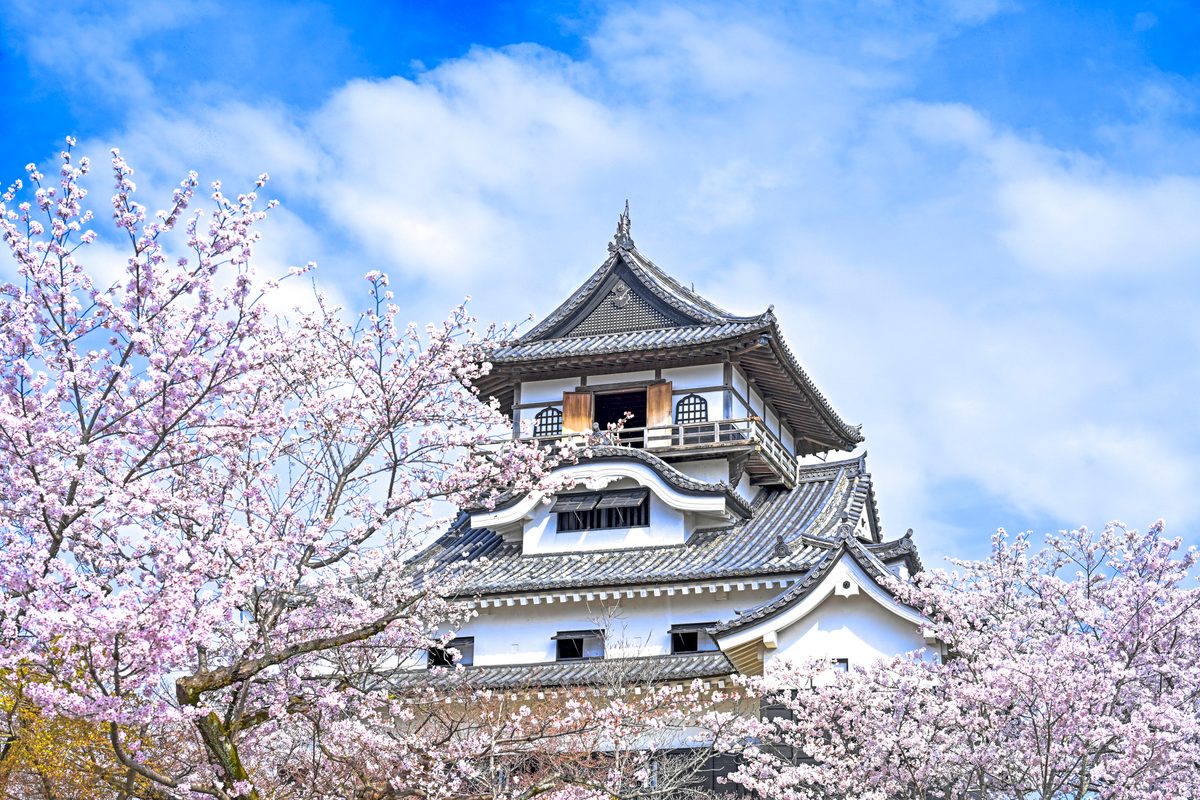
Inuyama Castle
Japan's oldest existing castle (1537) and the only one historically owned by a private individual until 2004. It perches dramatically on a cliff above the Kiso River, offering views unchanged for centuries. The unpainted natural wood interior and veranda on the top floor feel genuinely ancient.
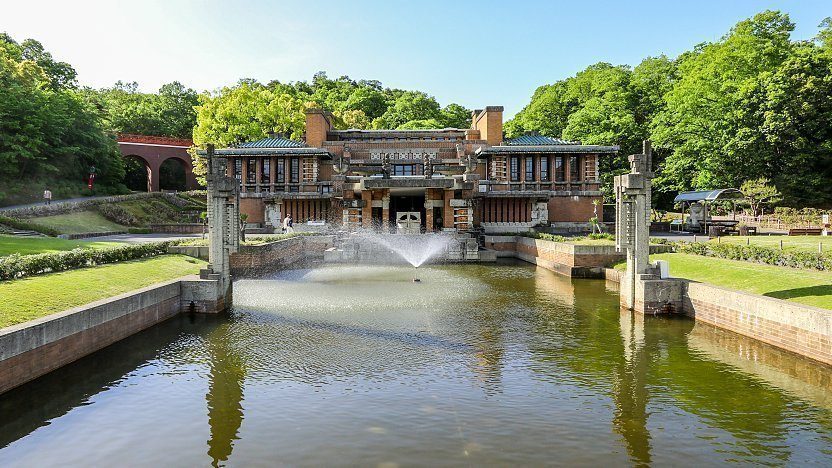
Meiji Mura Open Air Museum
A sprawling hillside park preserving 67 original Meiji-era (1868–1912) buildings relocated from across Japan — government offices, a Frank Lloyd Wright imperial hotel lobby, lighthouses, and kabuki theatres. One of the most unique museums in Japan, offering a full day's walk through the architectural past.
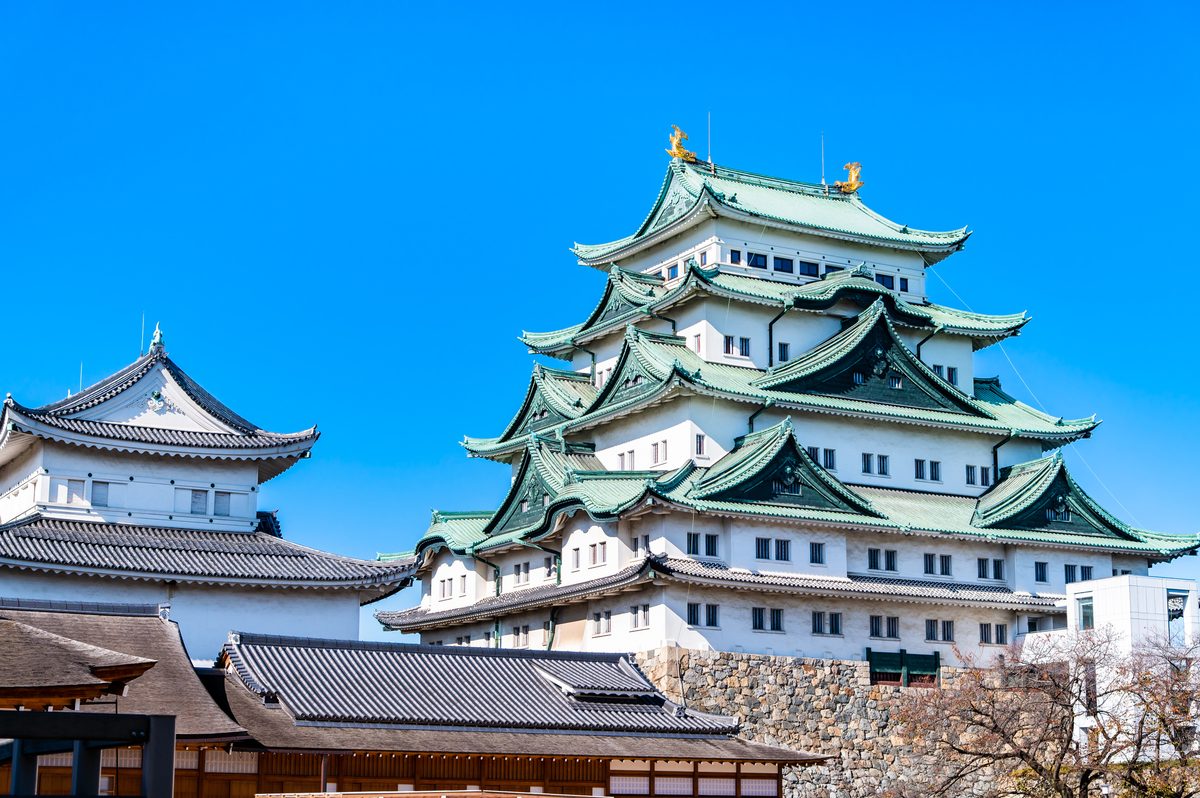
Nagoya Castle
One of Japan's most iconic feudal castles, built by Tokugawa Ieyasu in 1612 as a symbol of shogunal power. Its golden pair of shachihoko (tiger-headed carp) ornaments atop the keep are synonymous with Nagoya. The recently reconstructed Honmaru Palace inside the grounds features lavish painted interiors.