
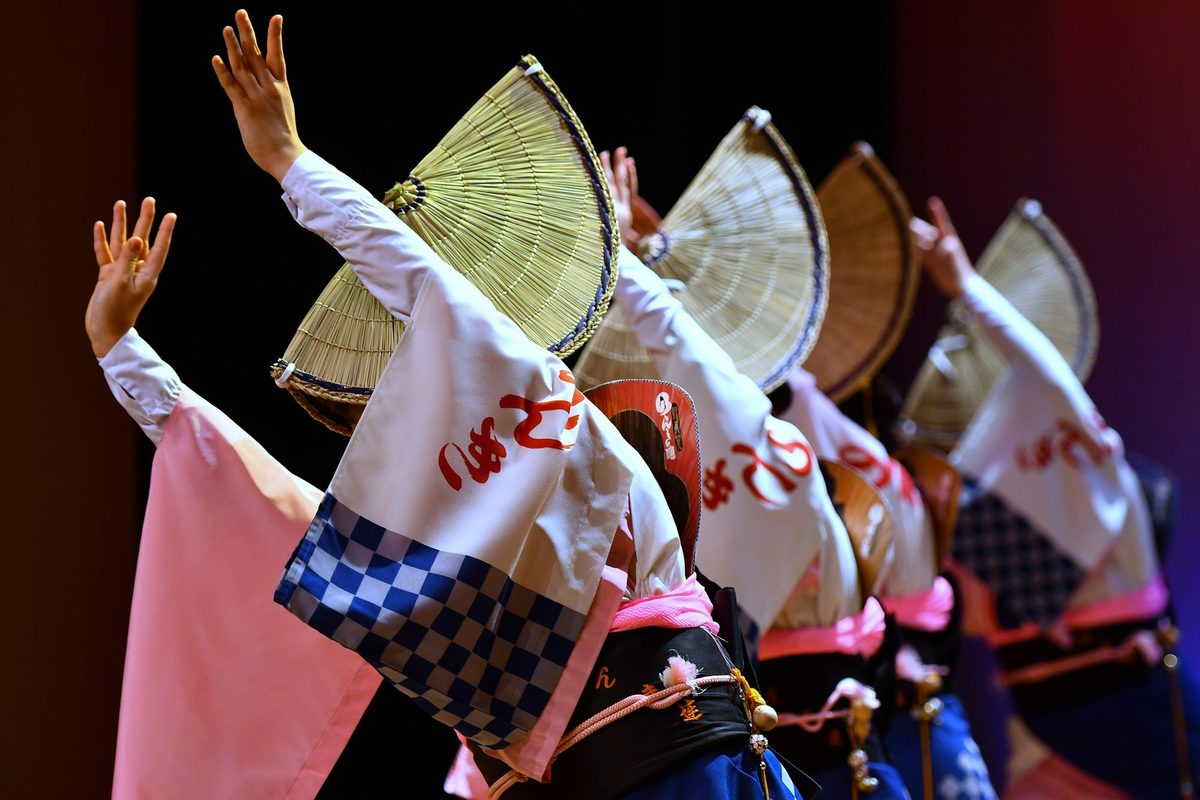
Awa Odori Hall
Year-round performances of Awa Odori — Japan's most energetic traditional dance festival. Originally improvised by drunken celebrants 400 years ago, it evolved into a form so precise that practitioners train for decades.
2–3 hours
Day performance (resident troupe) ¥1,300 (adult), ¥700 (child); evening performance (resident) ¥800, (guest troupe) ¥1,000 (adult). Museum separate. Check official site for current prices
Hall: 9:00–20:00 (9:00–18:00 Dec 21–27, Jan 2–11). Dance shows: 11:00, 14:00, 15:00, 16:00 (day), 20:00 (night). Museum: 9:00–17:00 (last entry 16:45). Closed 2nd Wed Feb/Jun/Sep/Dec, Dec 28–Jan 1.
Year-round (main festival August 12–15)
10 min walk from Tokushima station
Location
Why Visit
- 1
The nightly performance has audience participation in the second half — no skill required
- 2
Professional troupes wear full costume and perform at full speed — the drumming is extraordinary
- 3
Rooftop observation deck overlooks the Shinmachi River
Local Tips
The evening show (8pm) is the most atmospheric, with audience participation encouraged. The actual Awa Odori Festival in August (12–15th) takes over the entire city — book accommodation months ahead. The hall lets visitors try the distinctive stepping dance movement — lean into it.
Add to your AI itinerary
Let AI build a multi-day trip around this spot.
Advertisement
More in Tokushima
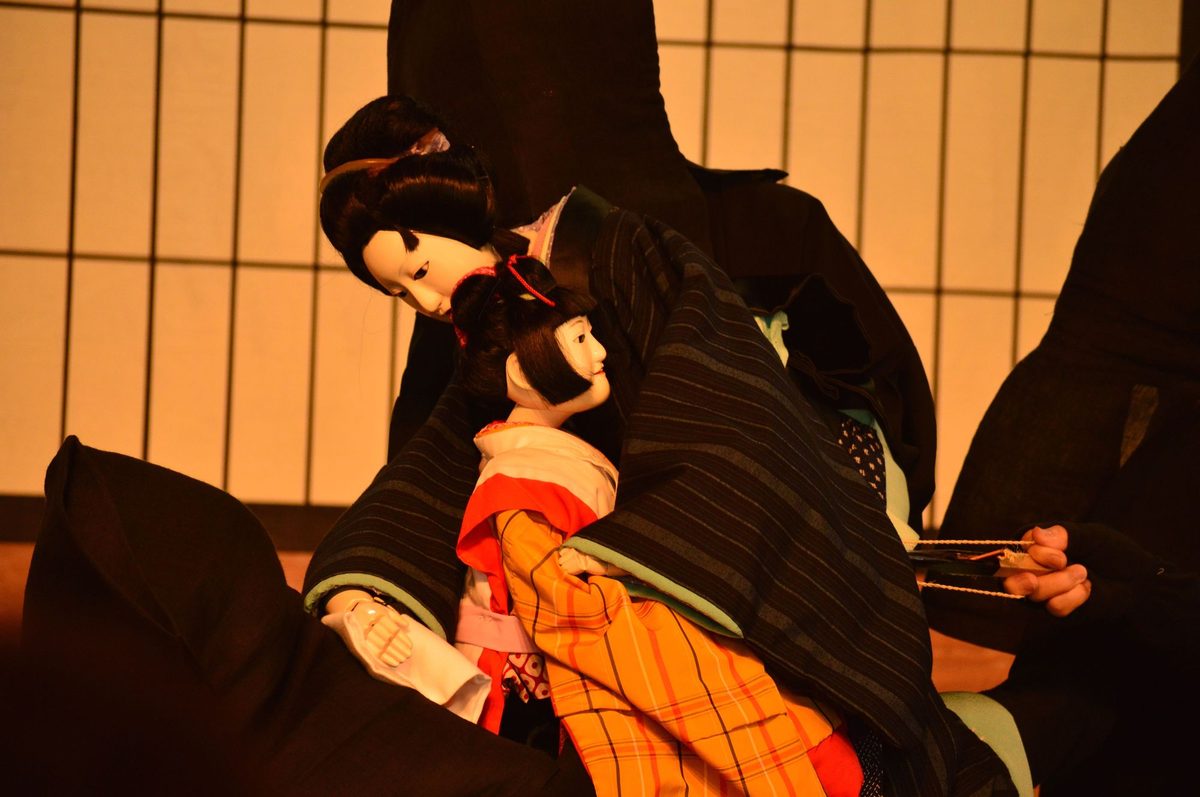
Awa Jurobe Yashiki
This former residence and puppet-theater complex is one of Tokushima's flagship places to experience Awa ningyo joruri, the prefecture's signature traditional performing art. Daily performances and strong cultural recognition make it a long-established sightseeing stop.
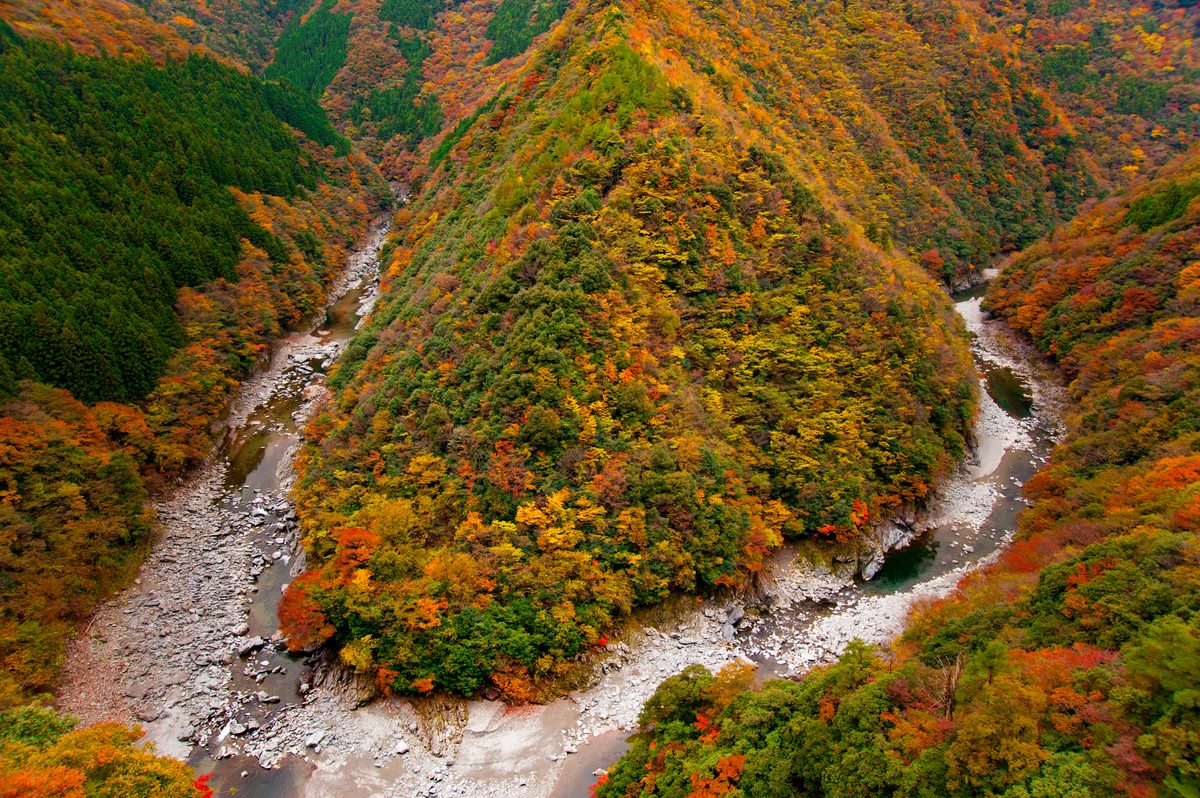
Iya Valley
Japan's deepest gorge — a remote mountain valley where the Iya River has cut 200m through limestone. Samurai from the defeated Heike clan fled here in 1185 and rebuilt a civilization in the cliffs.
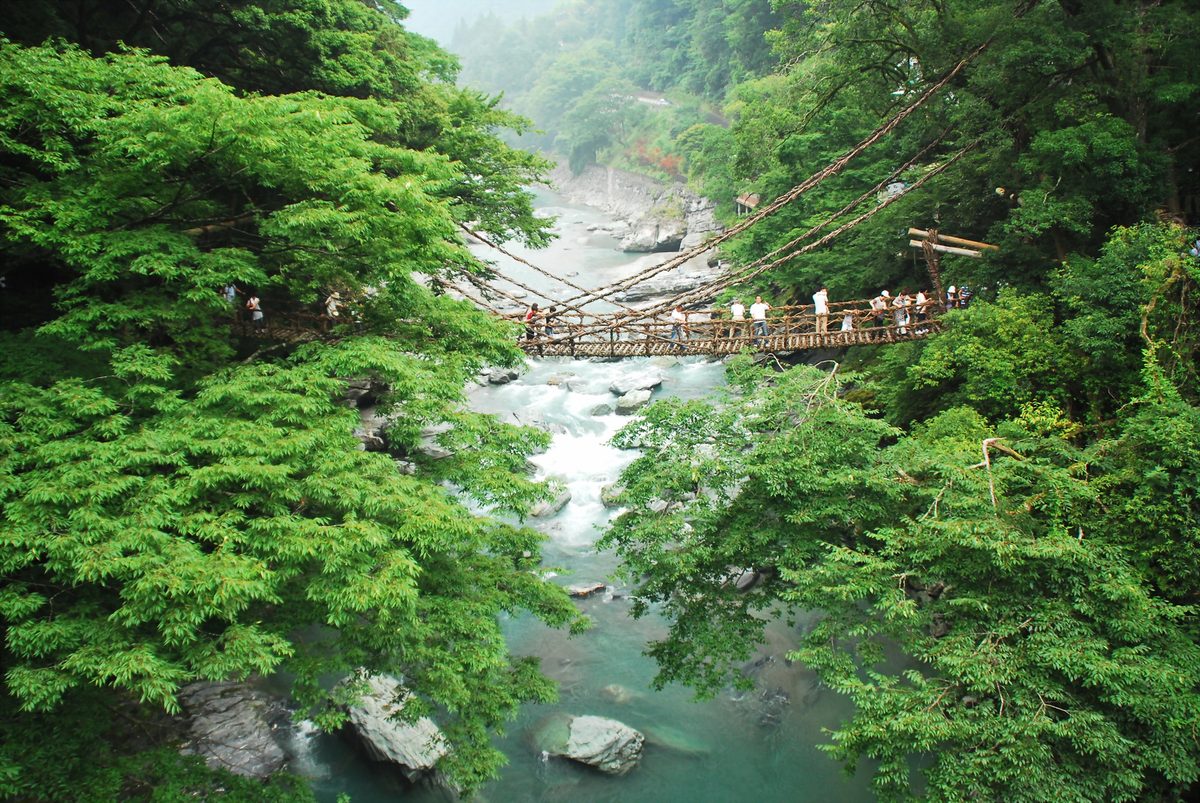
Kazurabashi Vine Bridge
A 45m suspension bridge made entirely of wild vine stems (shirakuchi kazura), rebuilt every three years. Originally built by Heike clan refugees to enable cutting if pursued — you feel the vine gaps underfoot.