
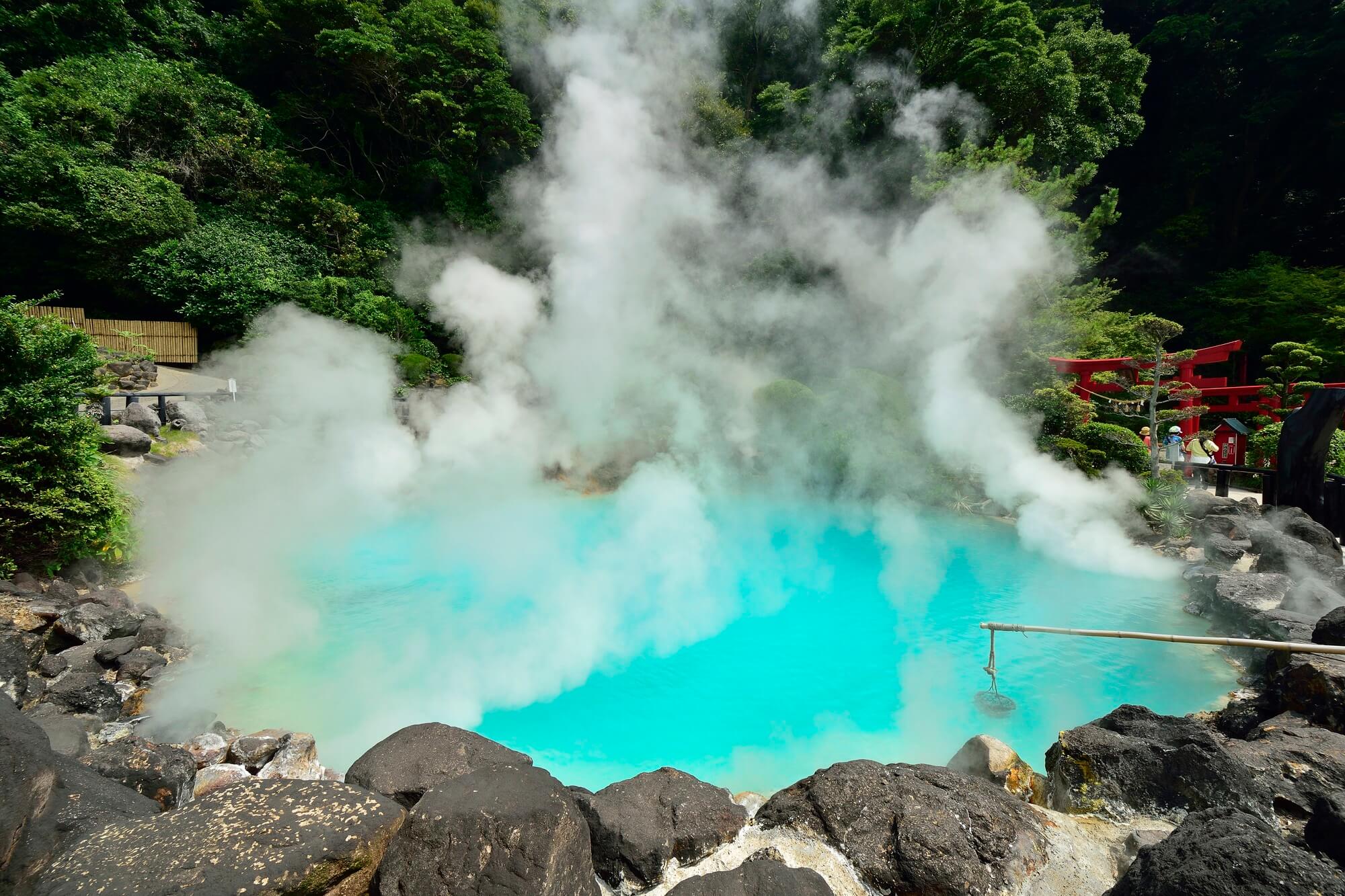
Beppu Jigoku (Hell) Tour
Eight 'hells' of boiling springs in otherworldly colors: blood red, cobalt blue, milk white. The Umi Jigoku (Sea Hell) is strangely beautiful — and you can eat eggs boiled in its steam.
3–4 hours
¥2,400 adults (common ticket for 7 hells; valid 2 days). As of Feb 2025
8:00–17:00 year-round; all 7 hells included on one combo ticket
Year-round; misty winter is most atmospheric
About 20–30 min by bus from Beppu Station (Kameoi Bus to Kannawa / Umi Jigoku stop)
Location
Why Visit
- 1
Cobalt blue Umi Jigoku — looks like a tropical sea
- 2
Blood-red Chinoike Jigoku used in old Japanese myths
- 3
Sand baths where hot steam rises through the beach
Local Tips
Don't skip Chinoike (Blood Pond Hell) and Tatsumaki (Waterspout Hell) — the most dramatic. The hells are for viewing, not bathing; for soaking, head to Hyotan Onsen or Takegawara nearby. Beppu has more onsen per capita than anywhere on earth — explore beyond the tourist circuit.
Add to your AI itinerary
Let AI build a multi-day trip around this spot.
Advertisement
More in Oita
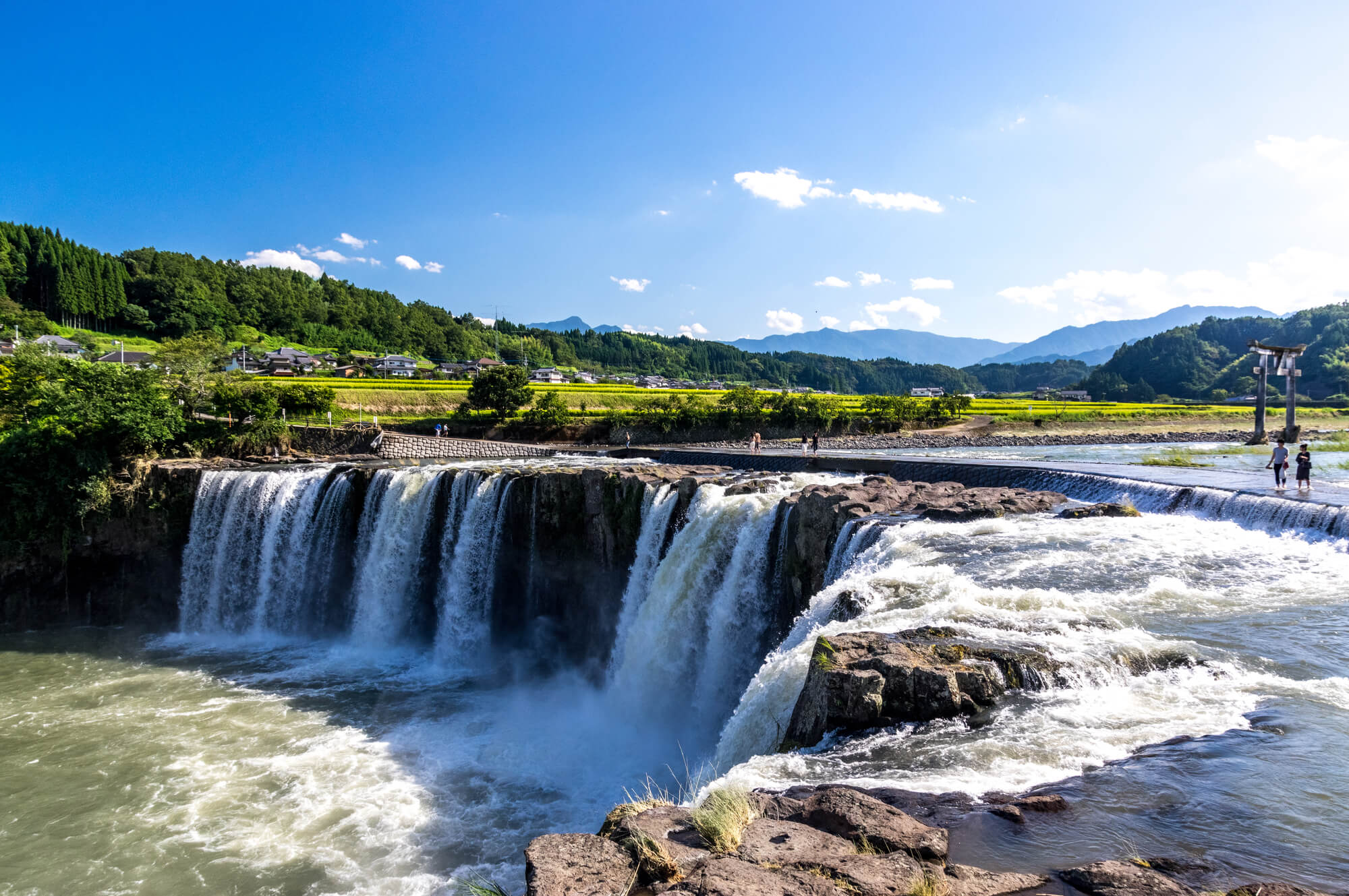
Harajiri Falls
Japan's widest waterfall — a 120m curtain of water dropping 20m over hexagonal basalt columns shaped by ancient Aso volcanic flows. Called "East Asia's Niagara," it's most spectacular after heavy rain when the entire rock face disappears under white water.
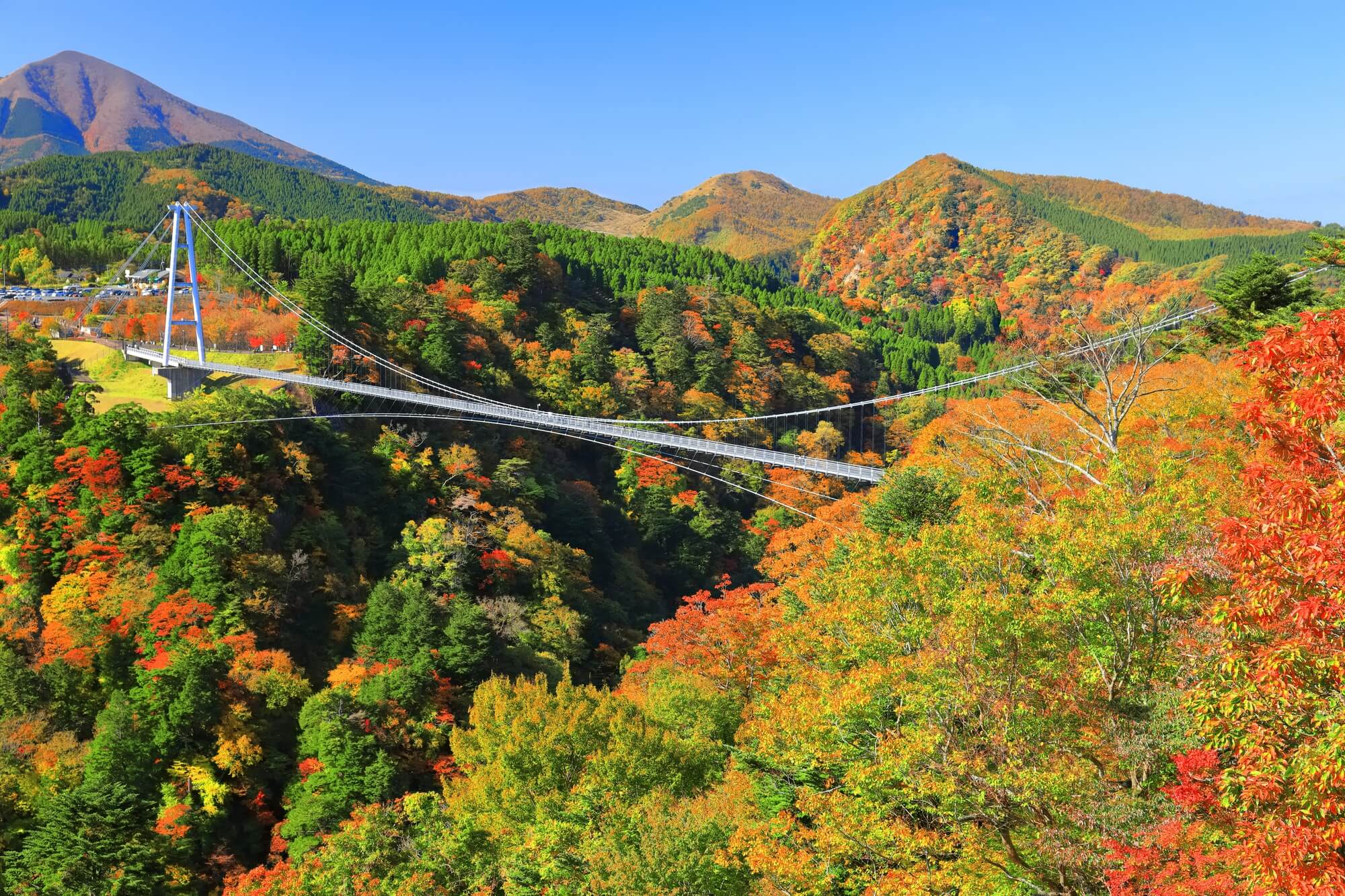
Kokonoe "Yume" Grand Suspension Bridge
Japan's highest pedestrian suspension bridge hangs 173m above a forested river gorge. Walk the 390m span as the canyon drops away beneath you. In autumn, the gorge becomes a blazing sea of red and orange maples — visible from both ends of the bridge.
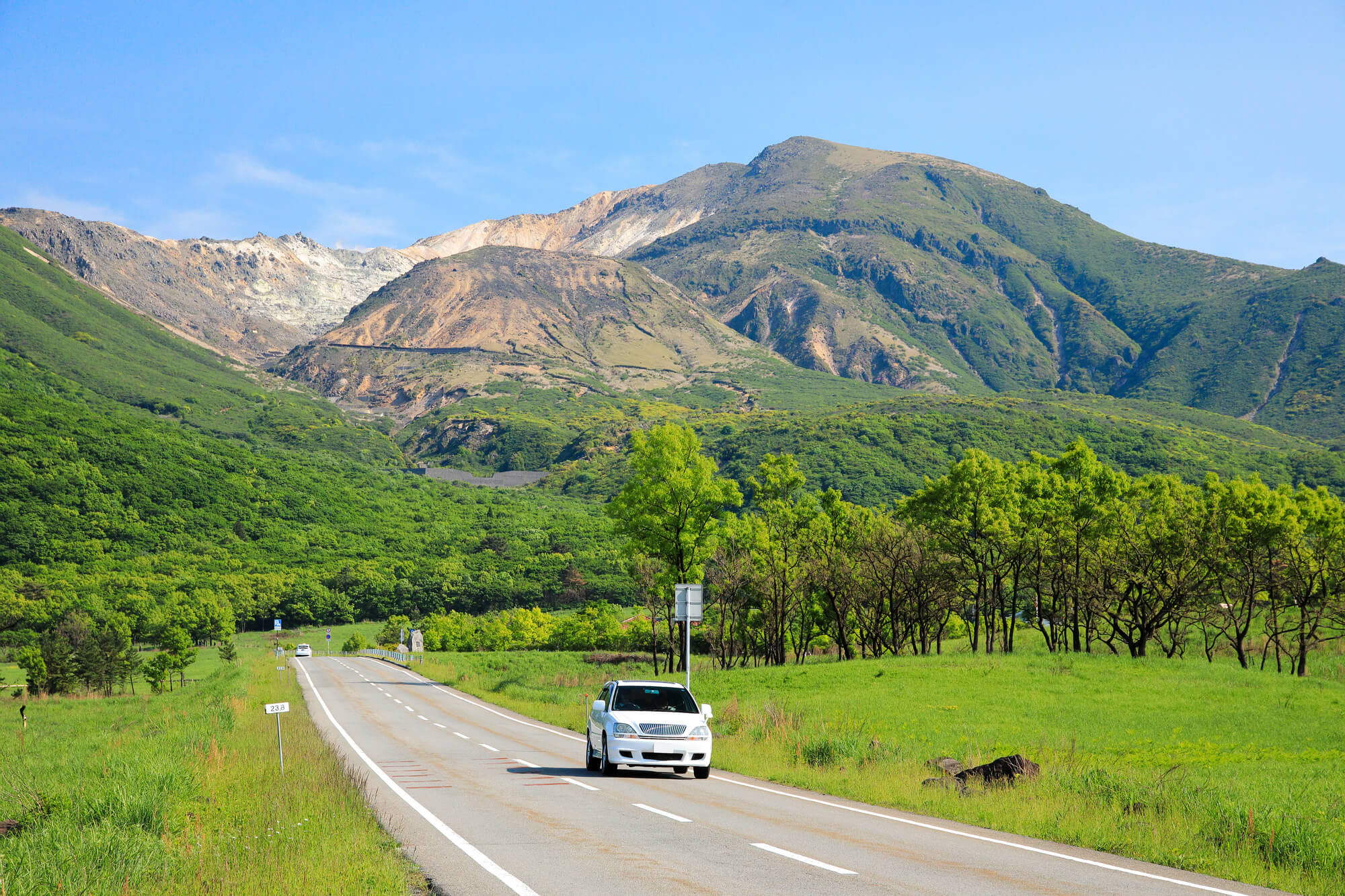
Kuju Highlands (Hana Mitate)
Japan's largest highland wildflower meadow. In late summer, millions of susuki silver grass plumes sway across volcanic hills. In spring, millions of wild azaleas paint the slopes pink.