
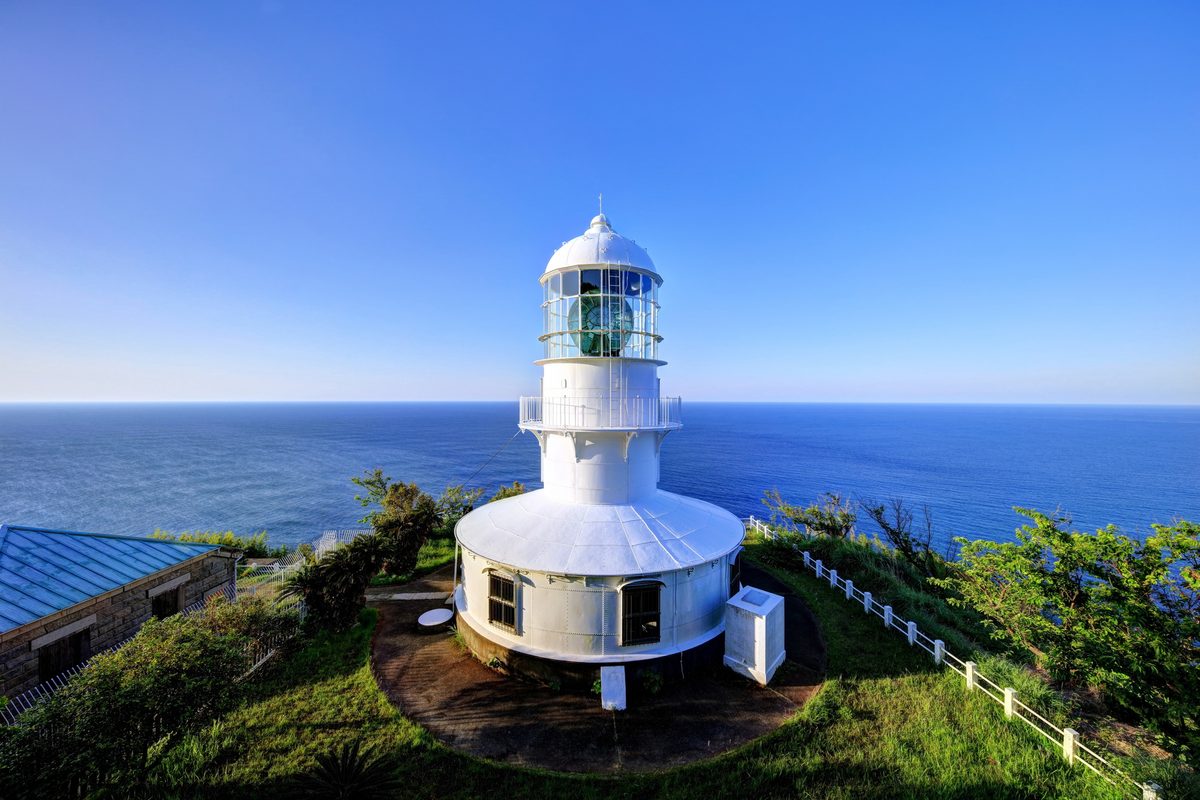
Cape Muroto
The remote southern cape where Kobo Daishi (founder of Shingon Buddhism) achieved spiritual awakening in a sea cave at age 24. The exposed volcanic rock formations and crashing Pacific give a genuinely primeval feeling.
3–4 hours
Free
Cape always open; lighthouse exterior only (interior open only during annual lighthouse festival, e.g. around Nov).
Year-round
Train from Kochi Station to Nahari Station (about 1h 30min), then bus to Muroto area (about 60 min). No direct bus from Kochi Station. Limited bus service; check timetable
Location
Why Visit
- 1
The cave where Daishi meditated (Mikurodo) is open — you can sit in the same spot
- 2
Exposed ocean crust (pillow lava) visible at the cliff base — rare surface appearance of deep-ocean rock
- 3
Pilgrimage temples 24 and 25 sit on the cape — authentic walking-pilgrim activity
Local Tips
Muroto is where Kobo Daishi attained enlightenment — the cape has genuine spiritual weight. Hotsumisaki-ji Temple (Temple 24 of the 88) sits just above the cape. The drive down the coast from Kochi takes 2 hours — allow a full day. The UNESCO Geopark coastline makes the geology as interesting as the culture.
Add to your AI itinerary
Let AI build a multi-day trip around this spot.
Advertisement
More in Kochi
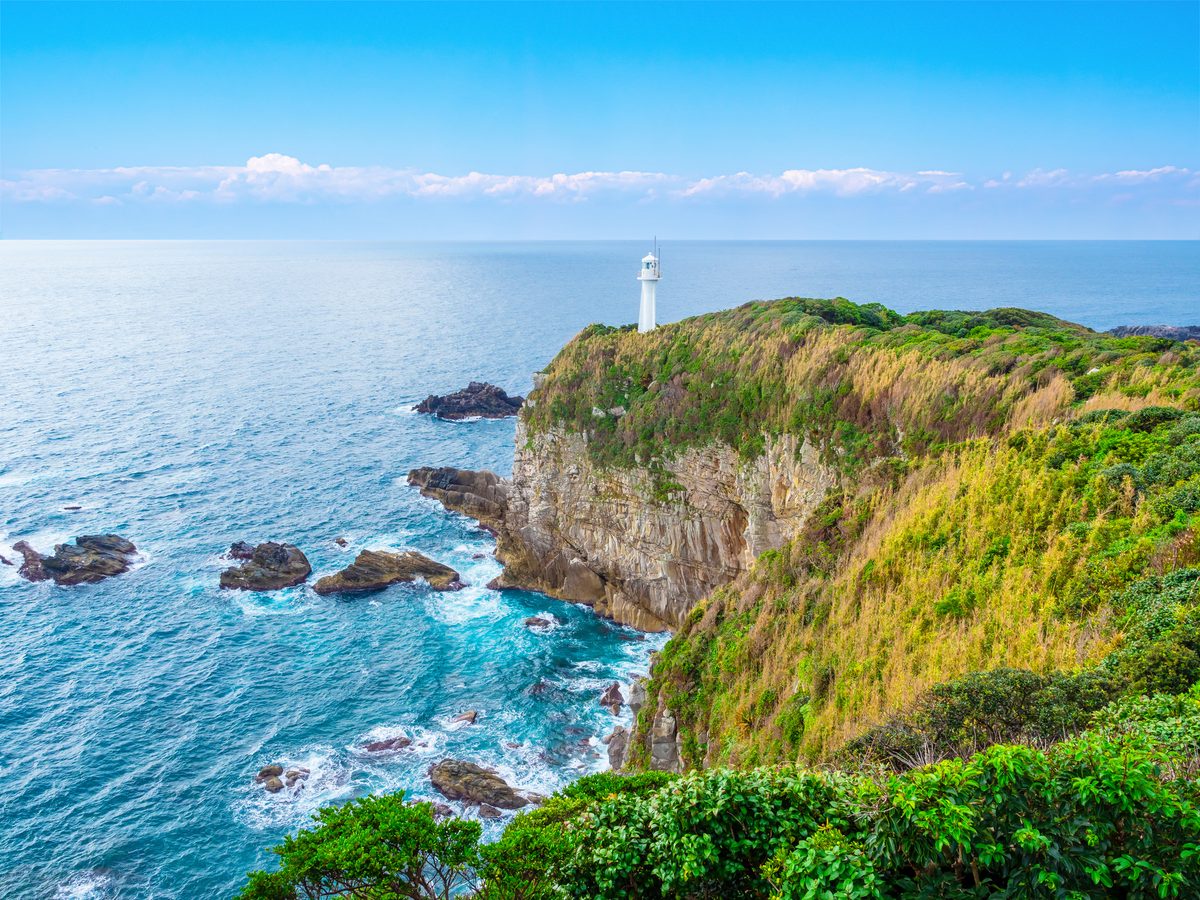
Cape Ashizuri
The southernmost tip of Shikoku — a dramatic 80m sea cliff where waves from the open Pacific hit with full force. The 38th temple of the Shikoku pilgrimage sits here.
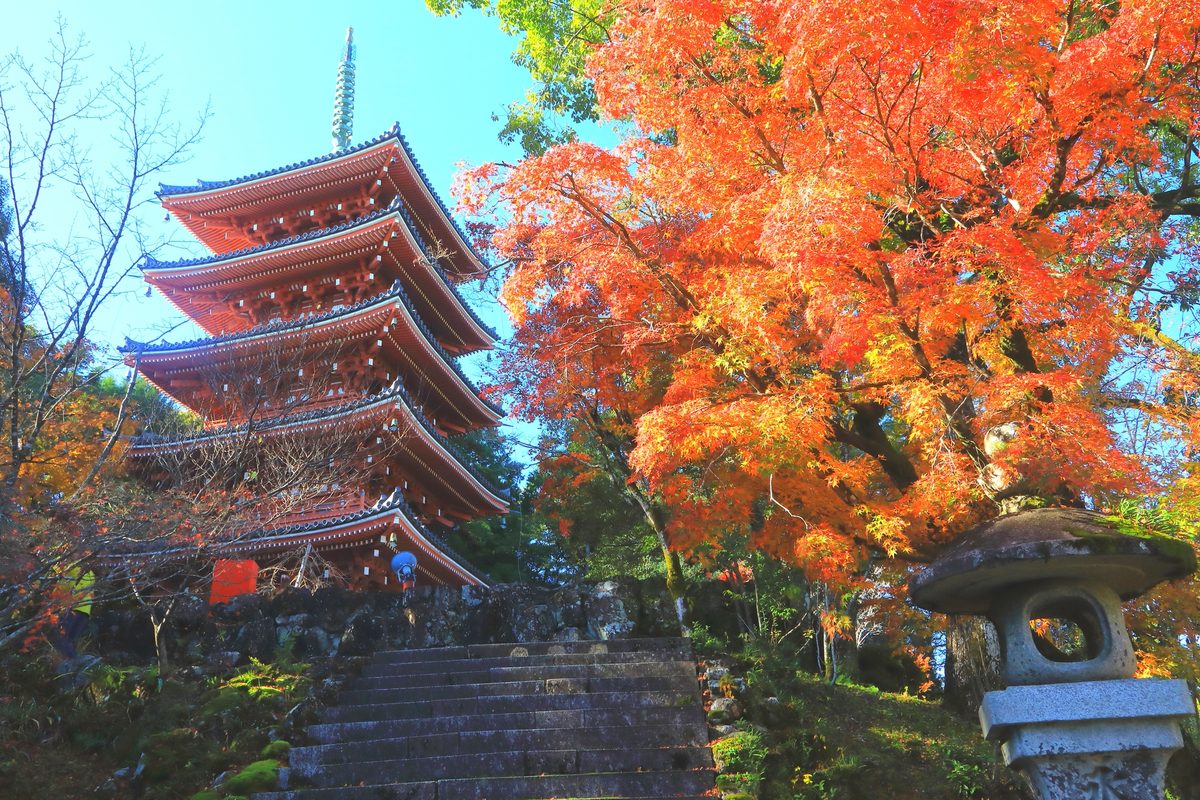
Chikurin-ji Temple
One of Kochi's most famous temples and the 31st stop on the Shikoku 88 Temple Pilgrimage, Chikurin-ji is widely visited for its peaceful mossy grounds, five-storied pagoda, and historic garden. A mainstream spiritual landmark for travelers seeking major cultural heritage close to the city.
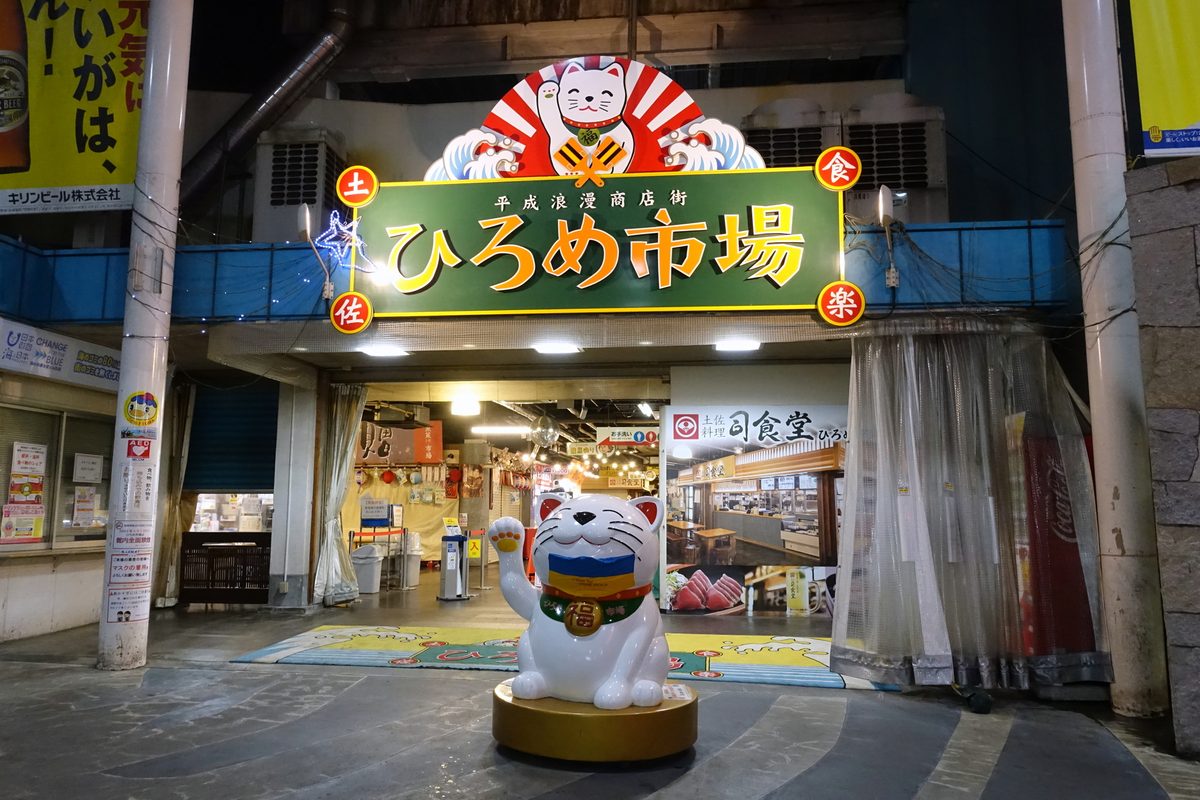
Hirome Market
Kochi's beloved covered market — open since 1998 but feels like a 50-year institution. Locals come daily for katsuo no tataki (seared bonito) and sake, sitting elbow-to-elbow at communal tables.