
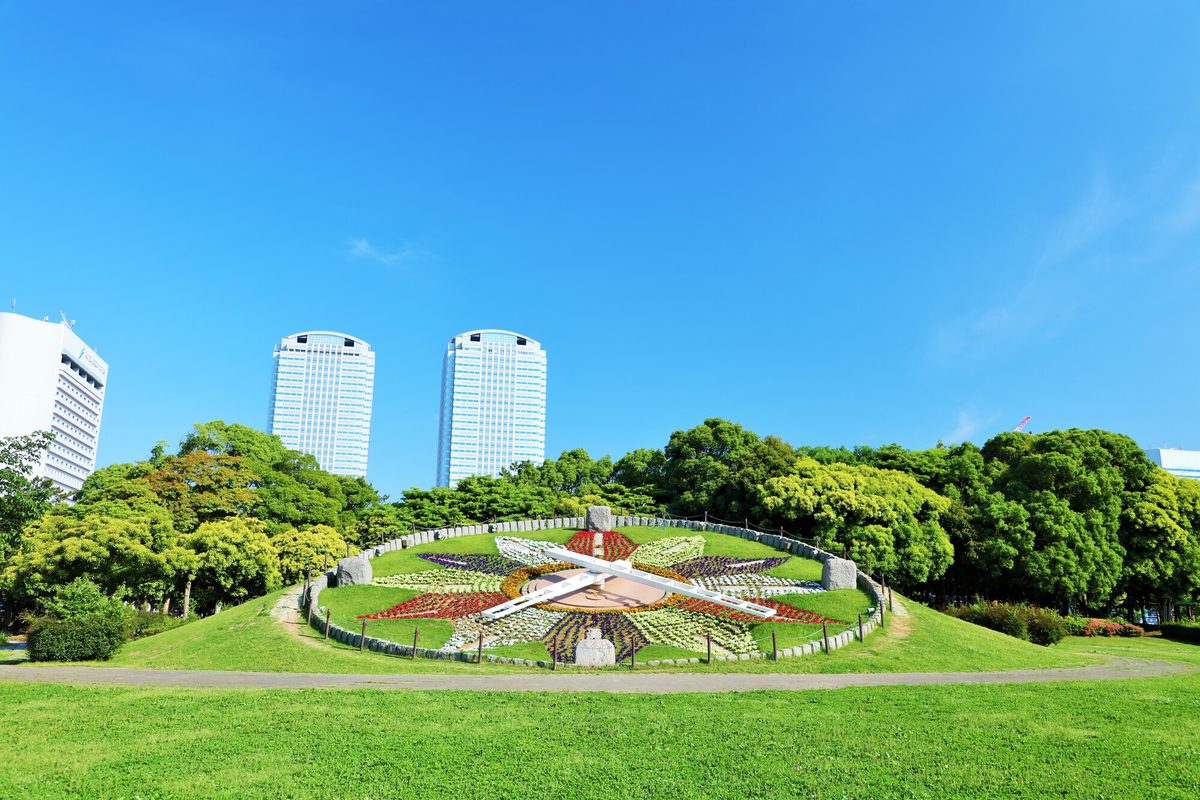
Makuhari Seaside Park
A 85-hectare waterfront park on Tokyo Bay with the finest cosmos flower fields (autumn) and spring tulip gardens in the greater Tokyo area. The seaside promenade with distant Fuji views and the contrast of flower fields against the bay and Makuhari convention towers makes for surprisingly photogenic scenery in an otherwise suburban area.
1.5–2 hours
Free
Park: always open; seasonal flower events: spring and summer
Late September–October (cosmos), April (tulips)
Kaihin-Makuhari Station on JR Keiyo Line (20 min from Tokyo Station)
Location
Why Visit
- 1
Japan's finest large-scale cosmos field (1 million flowers) from late September to late October
- 2
Tokyo Bay views with the Fuji silhouette on clear winter mornings
- 3
Free entry on non-event days — the most affordable flower spectacle near Tokyo
Local Tips
Best known as a convention district, Makuhari Seaside Park surprises with its large beach, open coastal promenade, and seasonal tulip and poppy fields in spring. A useful base for Chiba Lotte Marines baseball games at the adjacent stadium. The park is virtually empty on weekday mornings — a peaceful escape from Chiba city.
Add to your AI itinerary
Let AI build a multi-day trip around this spot.
Advertisement
More in Chiba
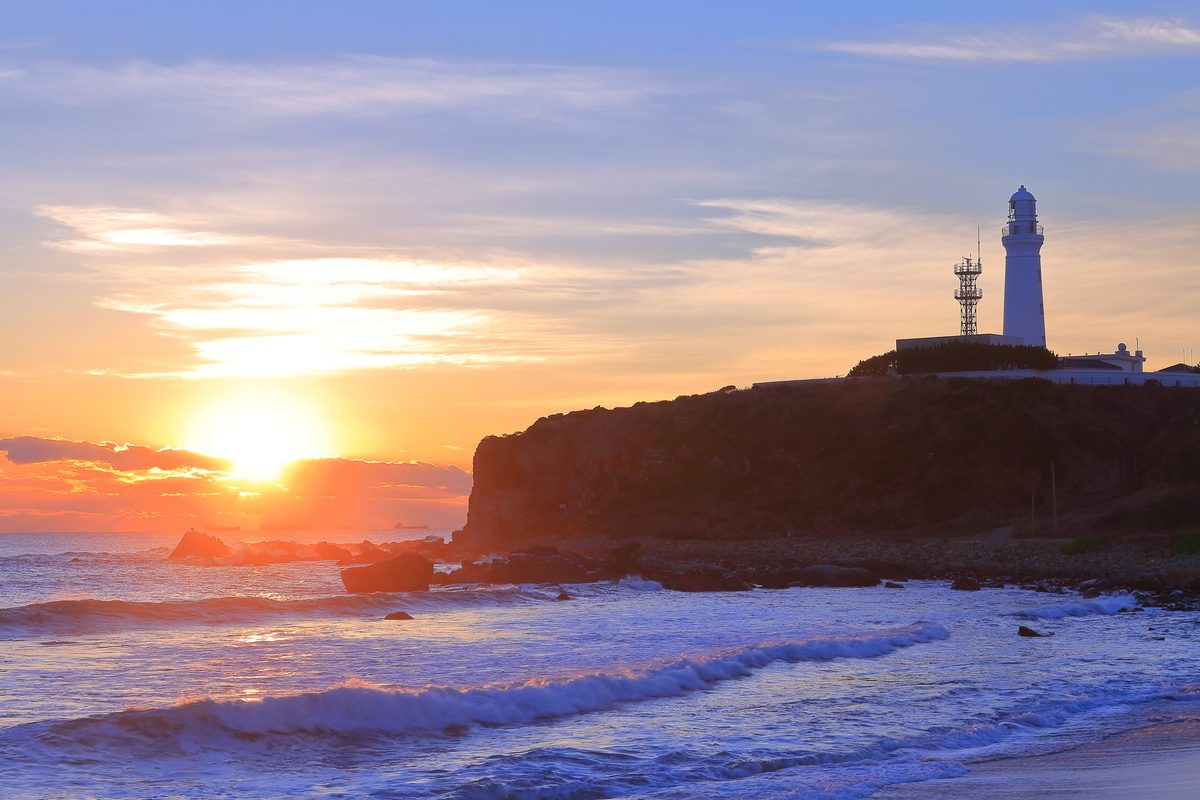
Cape Inubosaki & Choshi Port
The easternmost point of the Kanto region — a lighthouse-topped cape where the Kuroshio Current meets the Oyashio Current, creating Japan's richest inshore fishing waters. Choshi Port is Japan's #1 sardine and saury landing port; the morning market sells fresh-grilled aji (horse mackerel) from open braziers on the harbour quay.
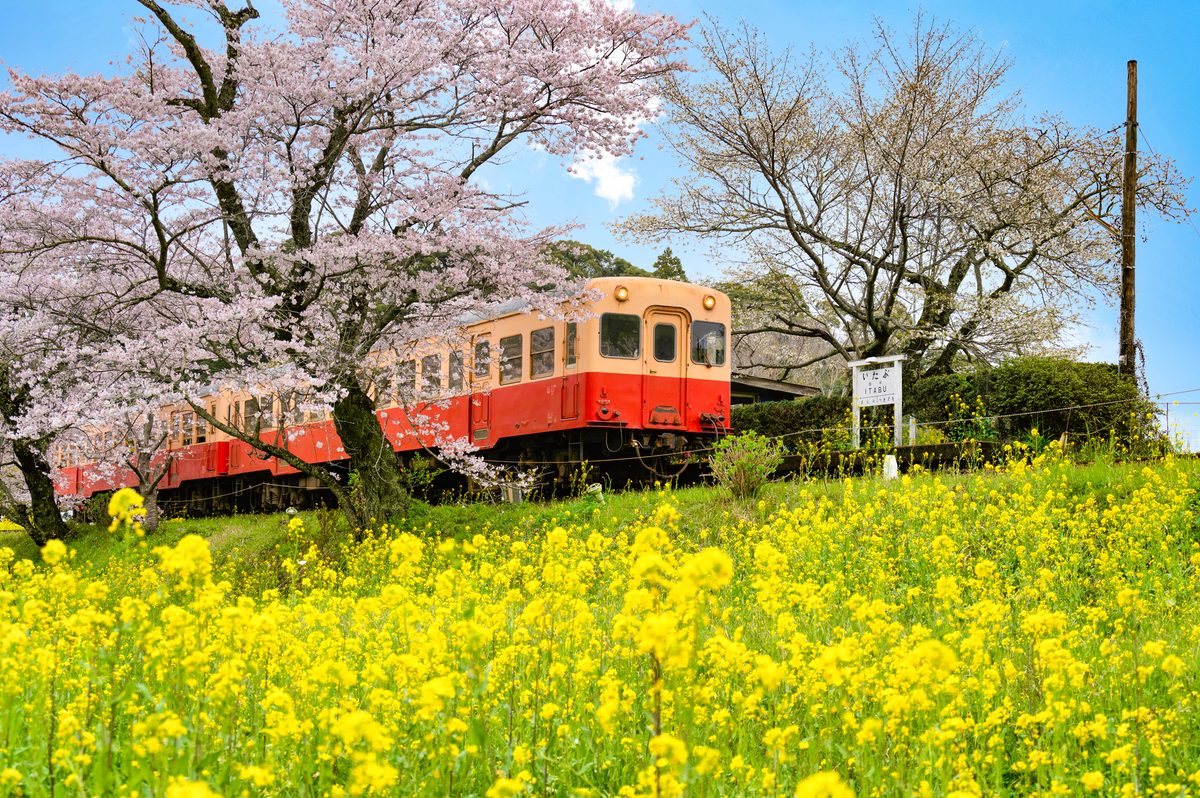
Isumi Railway — Rapeseed Blossom Line
A tiny rural railway of 26km running through the rice paddies and cedar valleys of inland Boso Peninsula. In spring, the entire right-of-way is lined with rapeseed (nanohana) blossoms between the stations. Heritage diesel cars painted in vivid colours pass cherry trees and plum orchards — the finest spring countryside train ride near Tokyo.
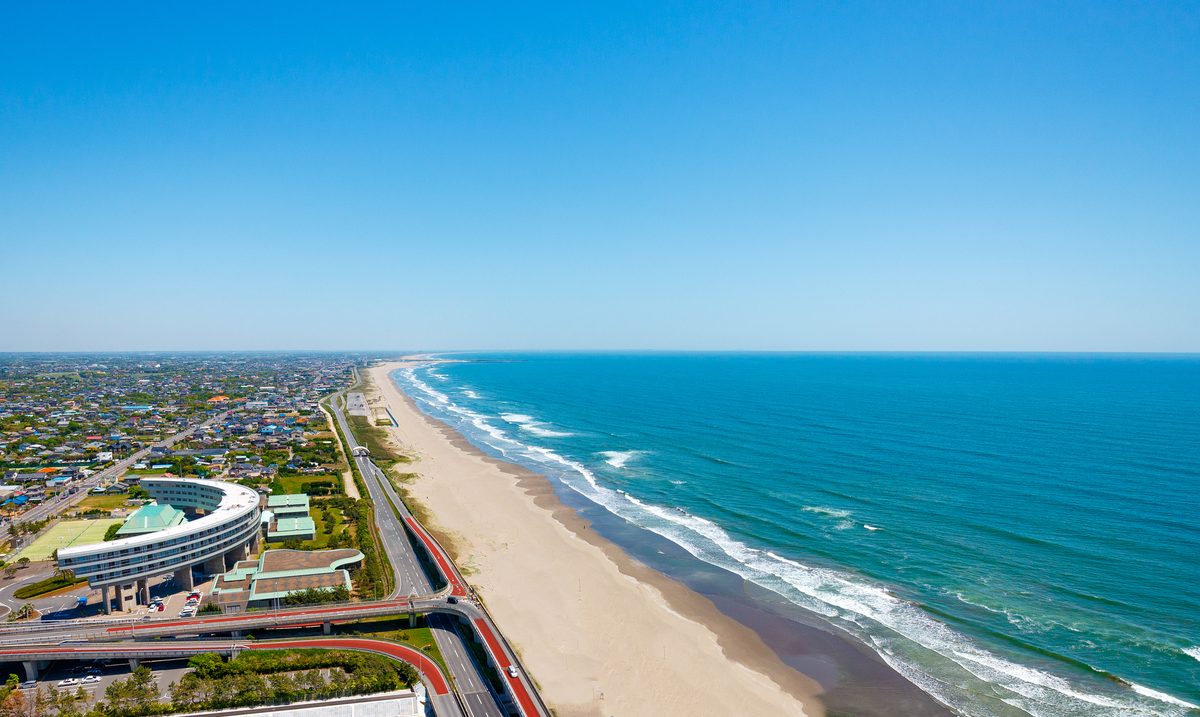
Kujukuri Beach
A 66km straight sandy beach — Japan's second longest — facing the Pacific Ocean on the Boso Peninsula's eastern coast. The consistent surfable waves, the wide open beach with no buildings on the ocean side, and the inoshishi (wild boar) that occasionally wander down from the coastal forest make this a wild Pacific experience.