
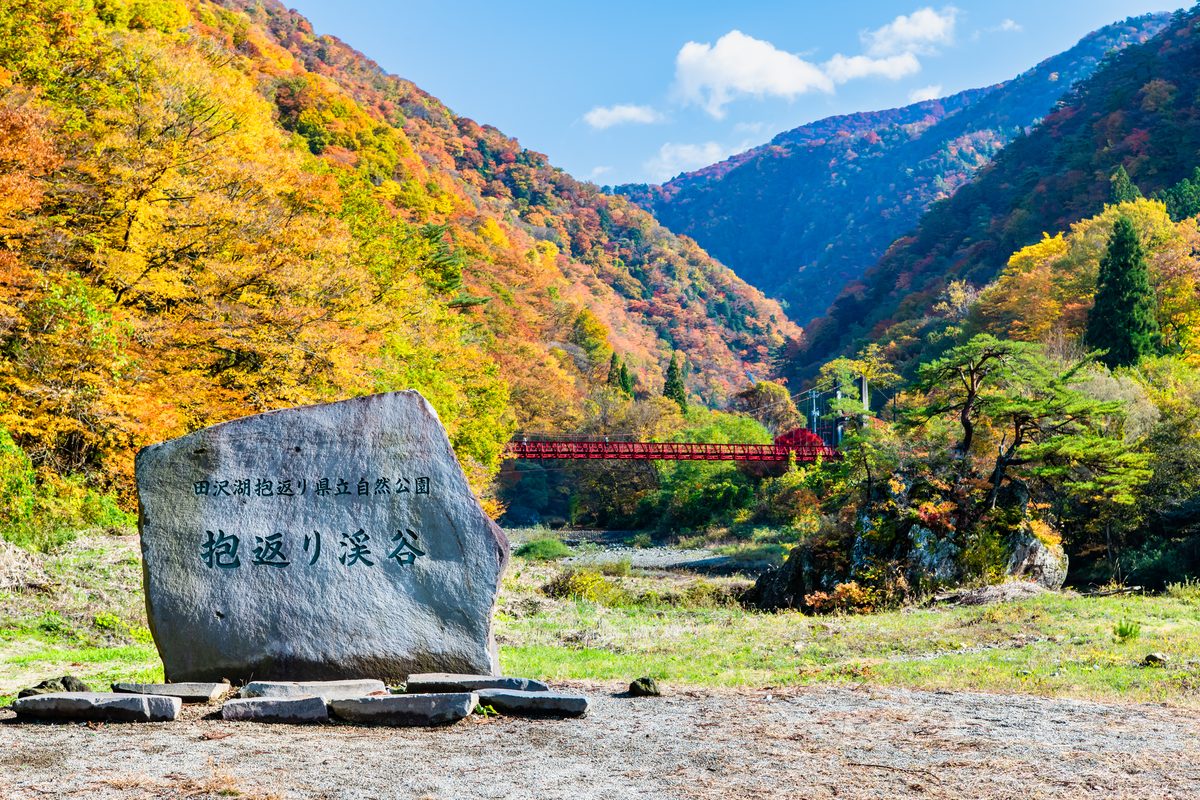
Dakigaeri Gorge
"Hold me and turn around" gorge — a narrow granite canyon so tight that hikers must press against the rockface to pass. The emerald river reflects maple, beech and Japanese cedar creating tunnels of colour in autumn.
2–3 hours
Free
Always open; gorge may be partially closed after heavy rain
May–June (green); October–November (autumn)
15-min drive from Kakunodate Station
Location
Why Visit
- 1
The Miroku Falls waterfall drops 30 metres into an electric-green pool visible from a swinging suspension bridge
- 2
Autumn sees the narrowest sections framed by crimson maple overhanging the white granite
- 3
A 4-km trail follows the gorge to its upper reaches where the canyon opens into forest
- 4
Spring meltwater makes the river roar through the narrow slot; summer cools the air by 5°C
Local Tips
The water turns an otherworldly aquamarine in summer when snowmelt feeds the stream. The suspension bridge 1km in gives the best view downstream. Combine with Tazawako Lake (30 min by car) for a full Akita nature day.
Add to your AI itinerary
Let AI build a multi-day trip around this spot.
Advertisement
More in Akita
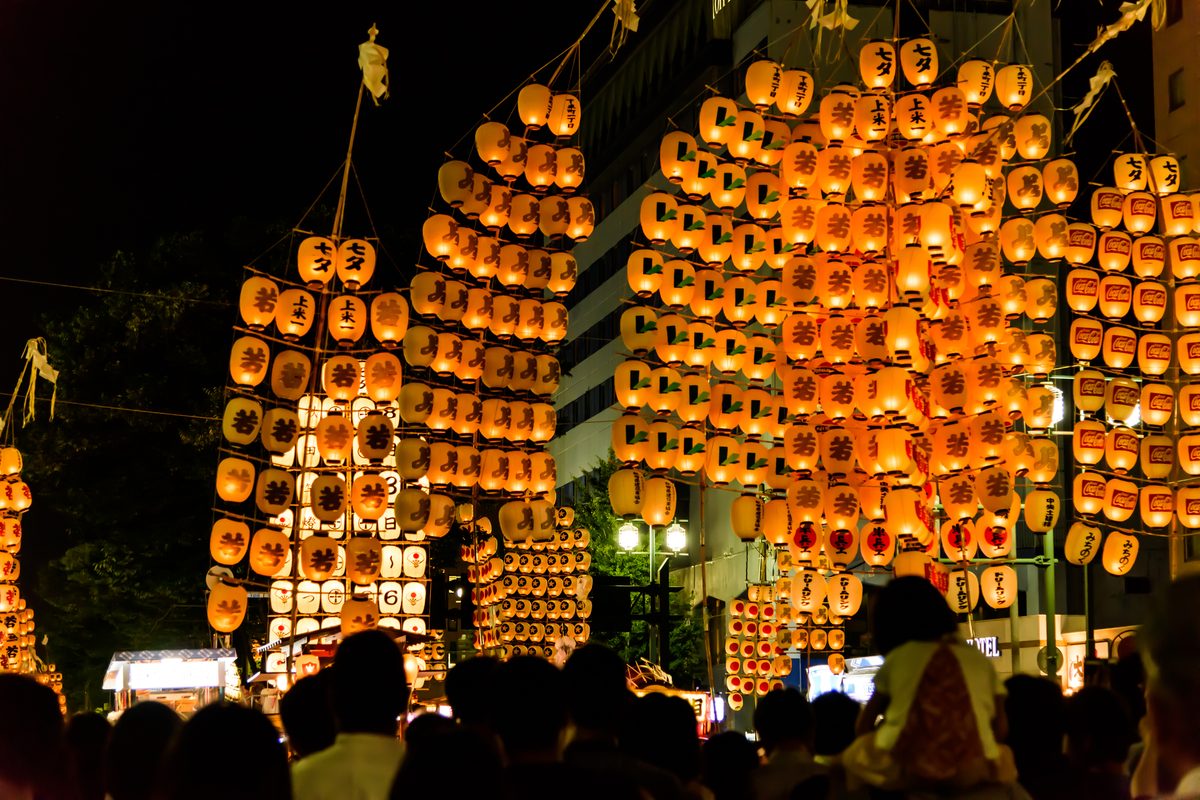
Akita Kanto Festival
The Akita Kanto Festival, held every August, is one of the great summer festivals of Tohoku and a designated Important Intangible Folk Cultural Property of Japan. Performers balance towering bamboo poles hung with dozens of glowing paper lanterns — some poles reaching 12 metres and weighing 50 kilograms — on their foreheads, shoulders, lower backs, and even hips. The sight of thousands of lanterns swaying against the night sky is genuinely breathtaking. Each evening, the main boulevard fills with performers and spectators, and the collective skill on display has been refined over 270 years.
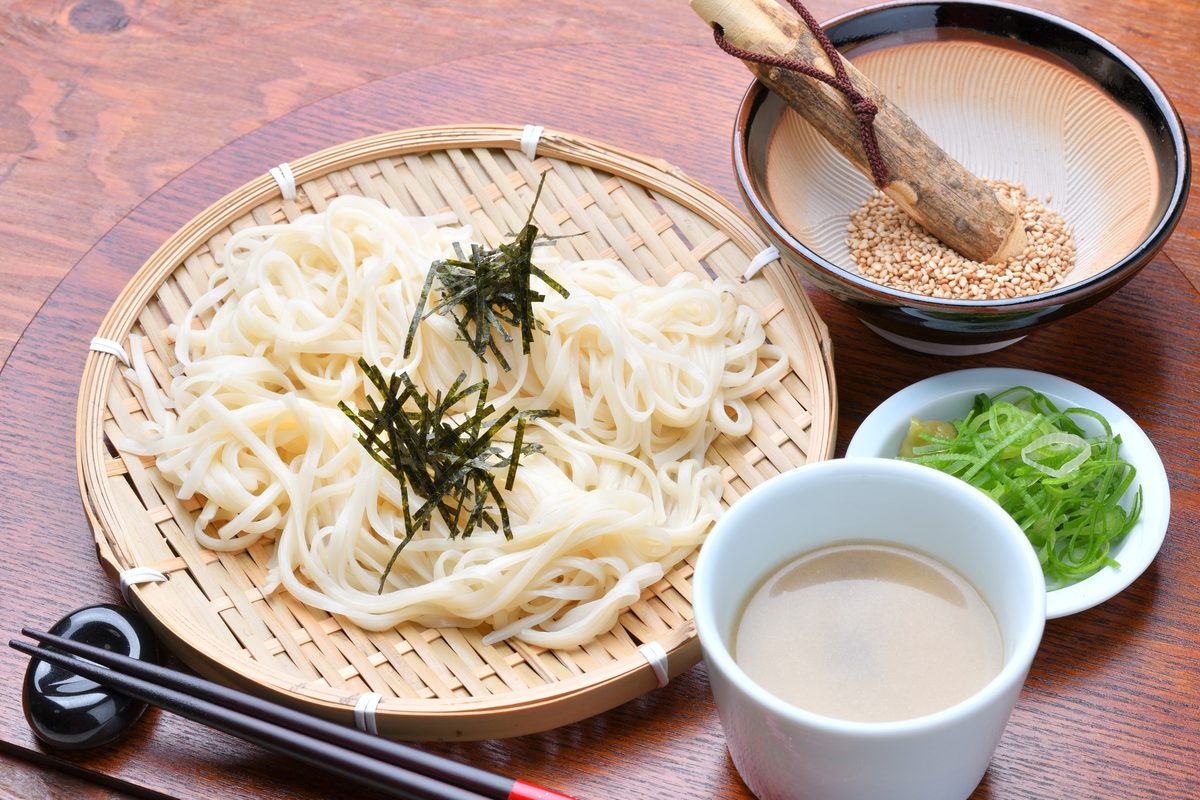
Inaniwa Udon — Silken Noodles of Akita
Inaniwa udon, produced in the small village of Inaniwa in southern Akita, is one of Japan's three great udon styles and has been made by hand using the same technique for over 350 years. Unlike the thick, chewy udon of Kagawa, Inaniwa noodles are thin, flat, and silky smooth, with a delicate bite that feels almost refined. The noodles are hand-stretched and dried over several days without machines. Eating them in their home region — hot in a light dashi broth or chilled in summer — is a markedly different experience from packaged versions sold elsewhere in Japan.
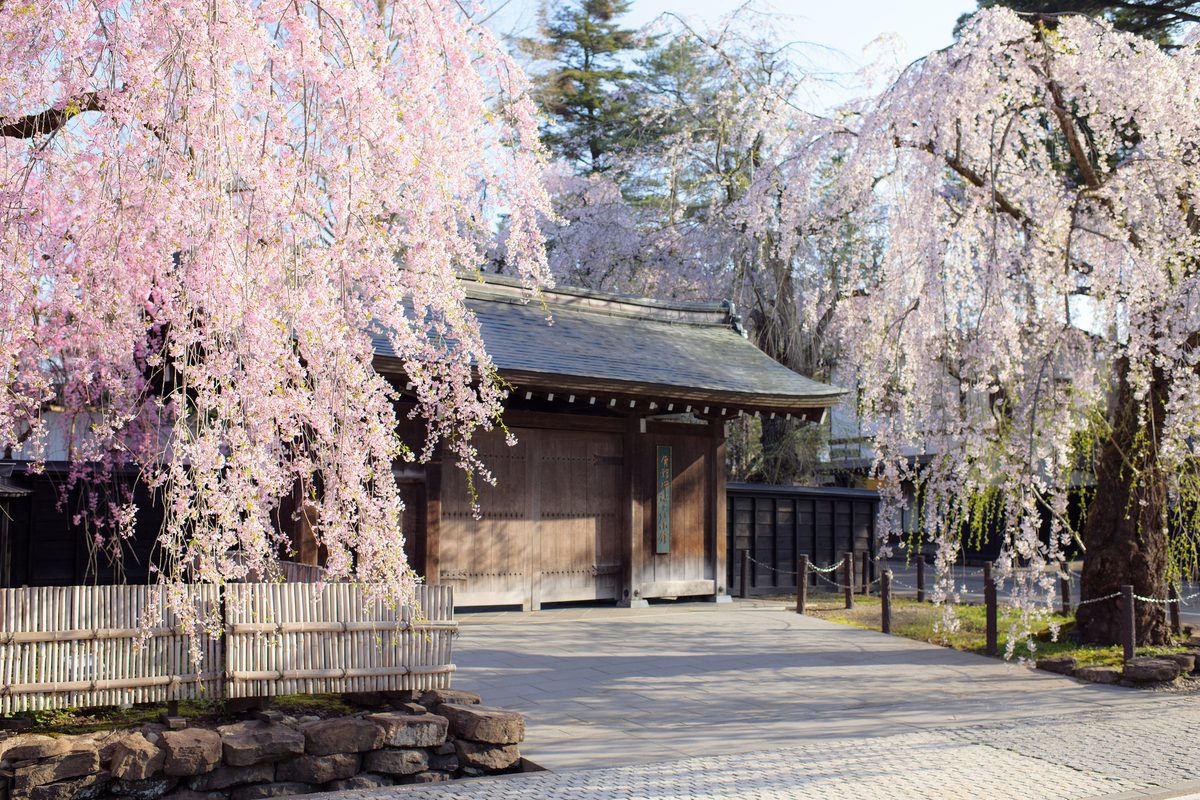
Kakunodate Samurai District
Japan's best-preserved samurai district outside Kyushu — a long avenue of black-walled samurai residences beneath weeping cherry trees, unchanged since the Edo period. Called the "Little Kyoto of Tohoku".