
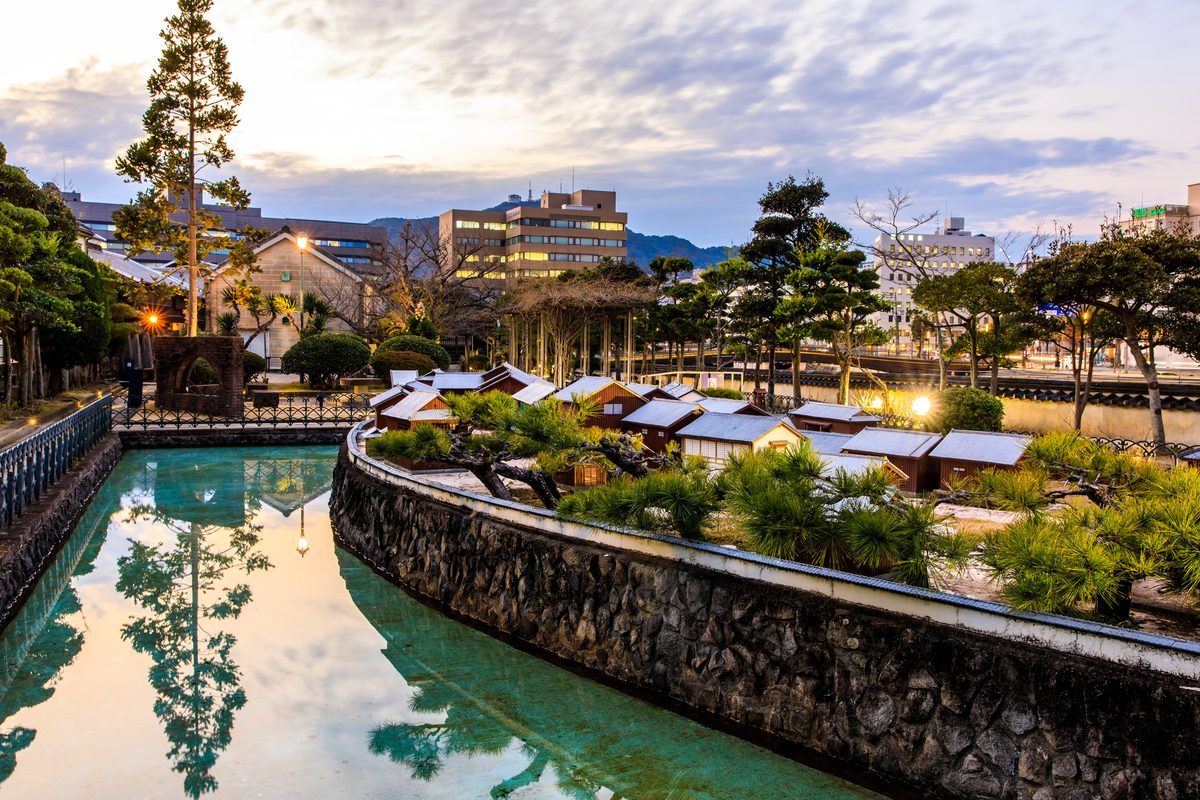
Dejima Dutch Trading Post
For 200 years during Japan's isolation period, this tiny fan-shaped artificial island was the only point of contact between Japan and the Western world. Dutch traders lived here under strict conditions; their books, clocks, and scientific instruments slowly changed Japan. The island has been meticulously reconstructed to its 1820s appearance, complete with furnished warehouses, a VOC flag, and Dutch gardens.
1–1.5 hours
¥520 adults (as of 2025); ¥1,100 from Apr 2026 (see official site)
8:00–21:00 (last entry 20:40); open year-round
Year-round
10 min walk from Nagasaki Station or tram to Dejima stop
Location
Why Visit
- 1
The scale model in Building 3 shows exactly what Dejima looked like in the 1800s — use it to orient yourself
- 2
Dutch texts brought through Dejima eventually launched Japanese Western medicine, astronomy, and painting
- 3
The mini-Dejima replica model shop sells surprisingly affordable hand-crafted souvenirs made by local artisans
Local Tips
Dejima is fully reconstructed — every building has exhibits inside. The Dutch-period scale model near the entrance is the best way to understand the original layout. Evening lighting makes the facades particularly atmospheric. Combine with Glover Garden for a full Nagasaki colonial history day.
Add to your AI itinerary
Let AI build a multi-day trip around this spot.
Advertisement
More in Nagasaki
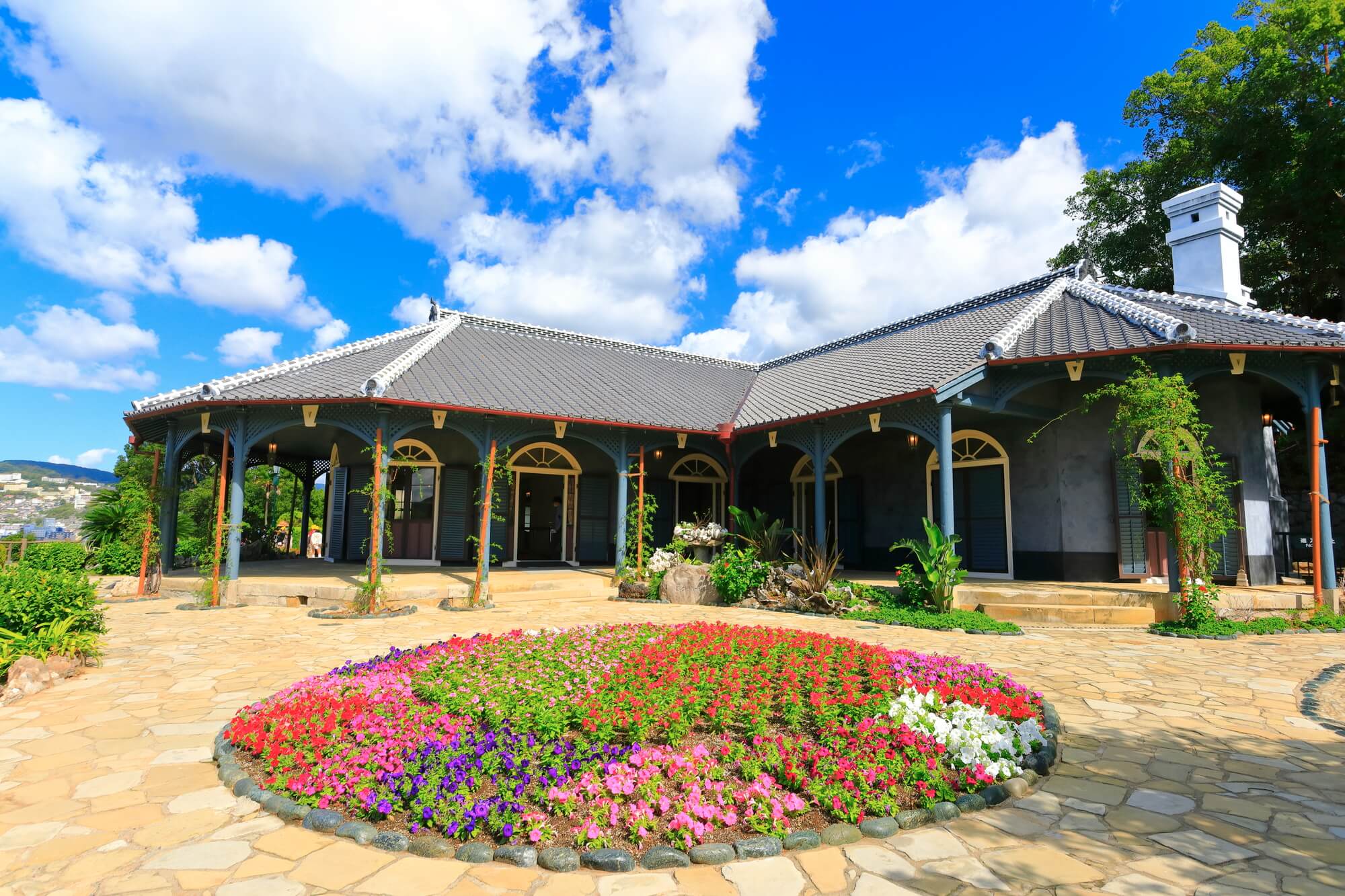
Glover Garden
An open-air hilltop museum of Western-style residences built by Meiji-era foreign merchants. Thomas Glover's stone villa (1863) is Japan's oldest surviving Western-style house, with sweeping harbor views.
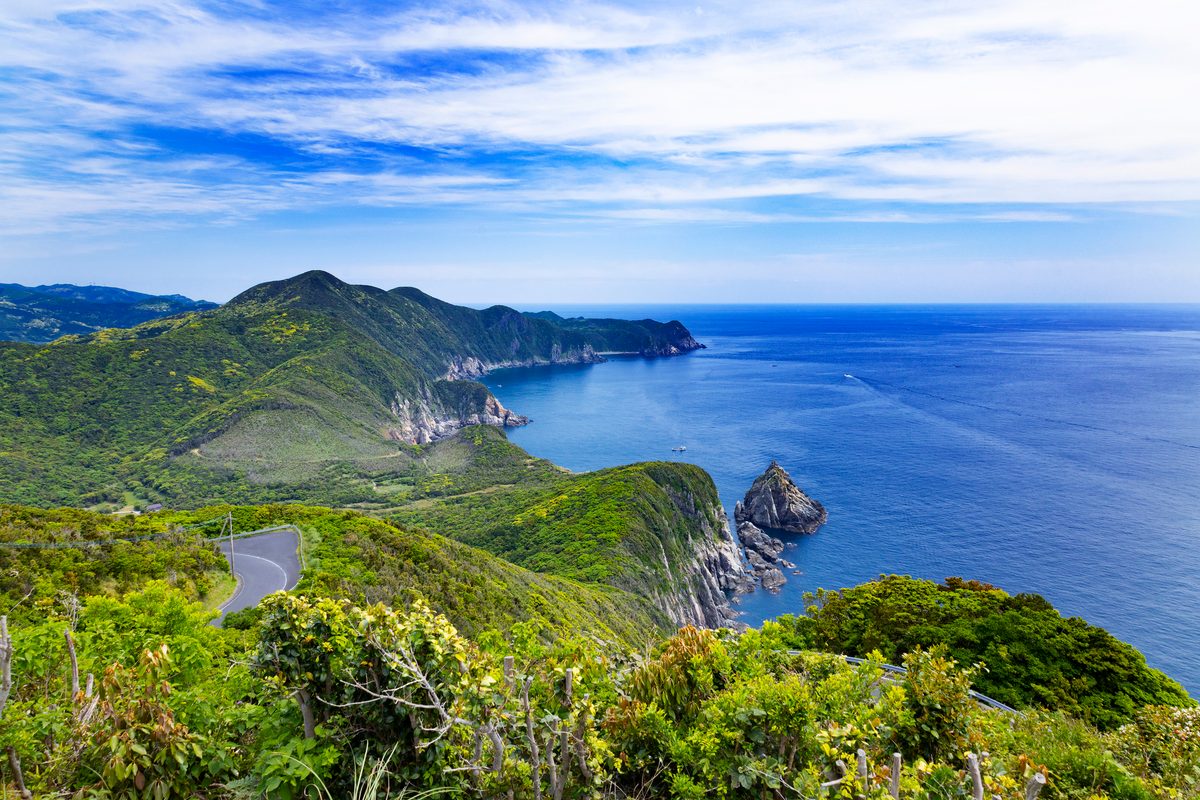
Goto Islands
An archipelago of 140 islands where 30,000 "hidden Christians" (kakure kirishitan) secretly maintained their faith for 250 years under the death penalty. The UNESCO-listed churches, set in fishing villages against a backdrop of spectacularly clear emerald sea, represent one of the world's most extraordinary stories of religious perseverance.
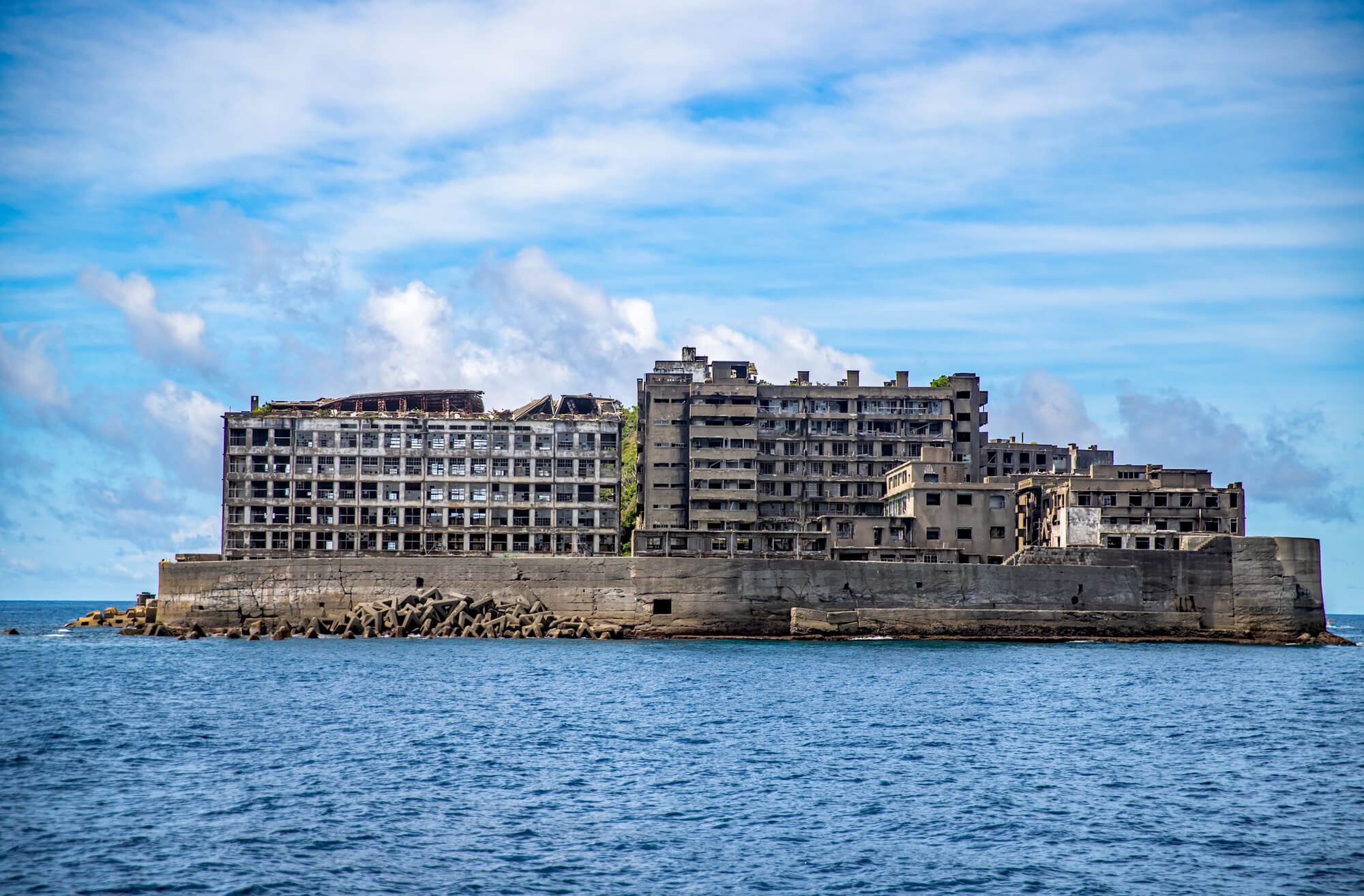
Hashima (Gunkanjima)
The haunting abandoned island known as "Battleship Island" — a former undersea coal mine that once housed 5,000 people in the world's highest population density. Now a UNESCO World Heritage site.