
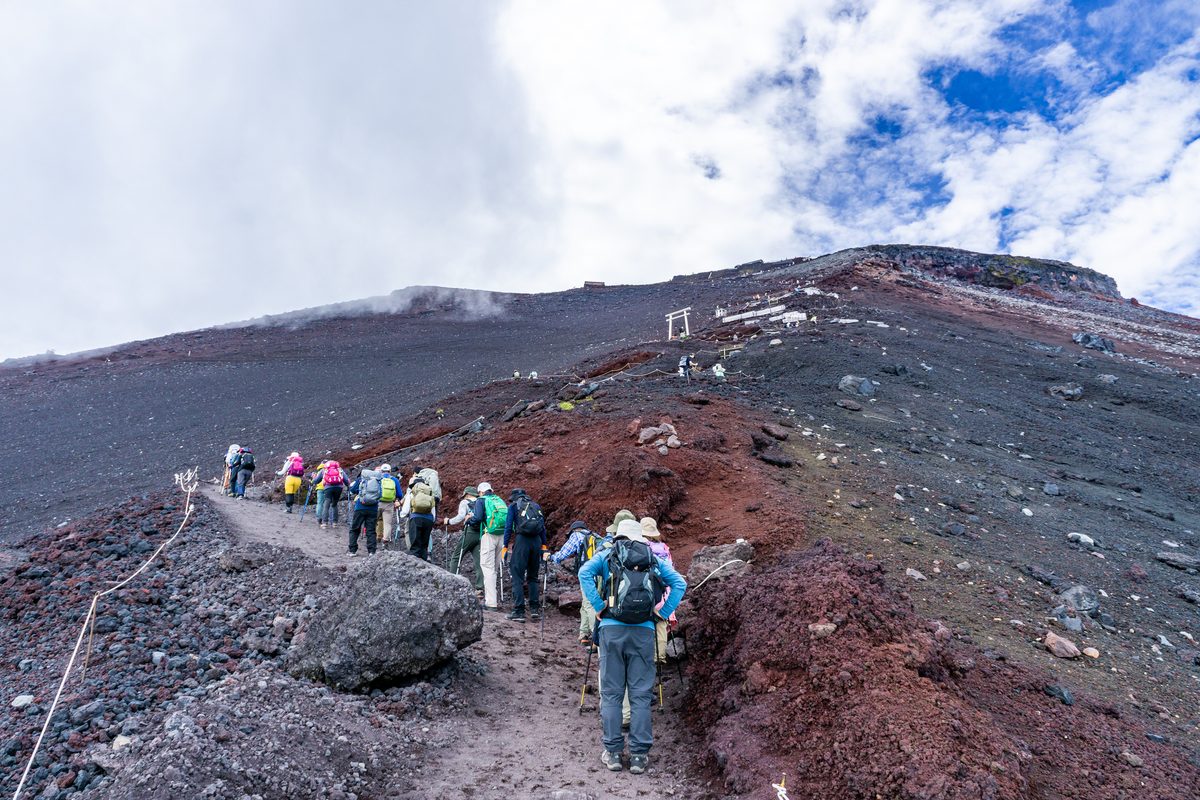
Mt Fuji Climbing Season
The world's most climbed volcanic mountain — 200,000 people ascend each year during the official season (July–early September). The Yoshida Trail from the Yamanashi side is the most traditional route, passing 60 shrines and torii gates. The crater rim circuit, Ohachimeguri, takes 90 minutes around the summit caldera at 3,776 metres.
7–10 hours (round trip)
¥4,000 (passage fee as of 2025; mandatory for Yoshida route). Check official climbing site for latest rules and booking.
Climbing season: early July–early September; Yoshida Trail: most used; Fujinomiya Trail: steepest, clearest views
July–early September (climbing season only)
Fuji Subaru Line 5th Station by bus from Kawaguchiko (Fujikyū Bus, approx. 50 min); check timetable and road opening.
Location
Why Visit
- 1
The summit (3,776m) offers a view of the entire Kanto Plain, Fuji Five Lakes, and Suruga Bay simultaneously
- 2
The Yoshida Trail passes 60 shrine torii gates — it is a Shinto pilgrimage as much as a hike
- 3
Sunrise from the summit (Goraikou) is a once-in-a-lifetime experience — arrive by 4am
Local Tips
Start no later than 20:00 from the 5th Station for a summit sunrise (goraiko) — the most popular and rewarding Fuji experience. The summit can be -5°C even in August; bring insulated layers, gloves, and a rain jacket regardless of weather at the base. The ¥2,000 conservation fee is mandatory. Altitude sickness affects some climbers above 3,000m — ascend slowly.
Add to your AI itinerary
Let AI build a multi-day trip around this spot.
Advertisement
More in Yamanashi
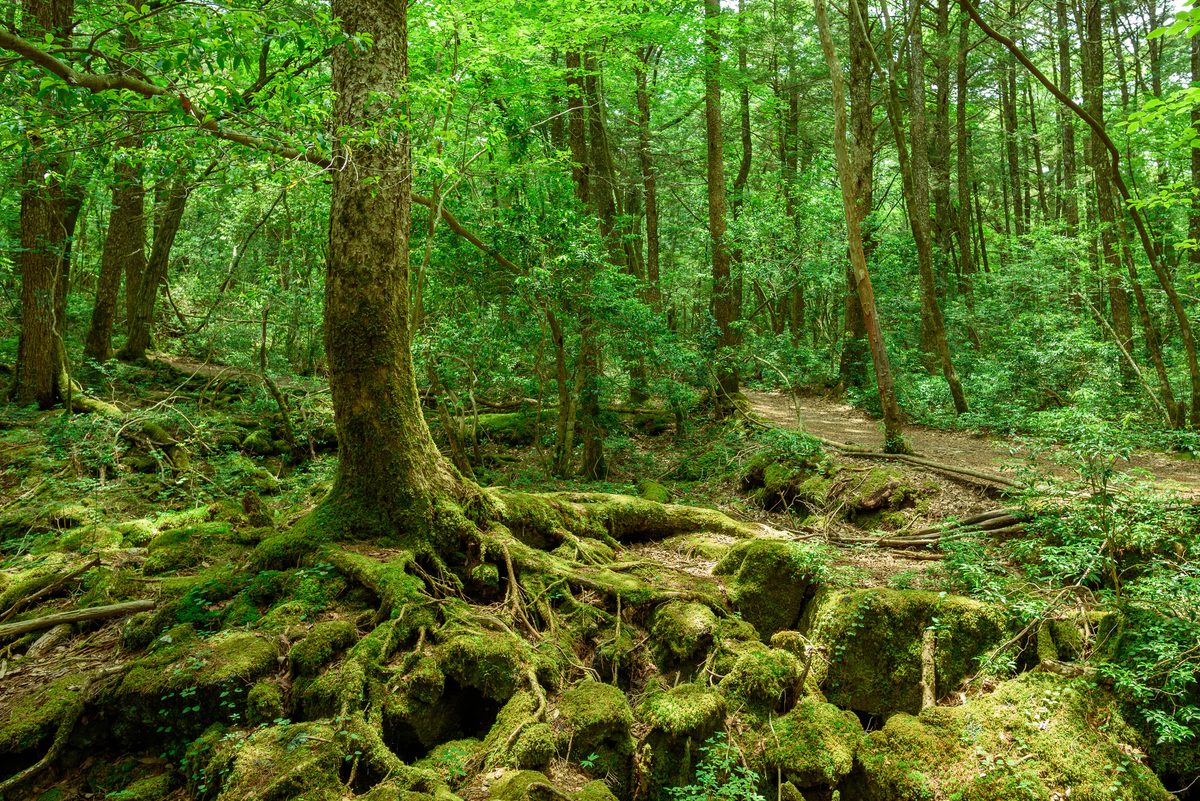
Aokigahara Forest (Sea of Trees)
A vast ancient forest growing on a 1,200-year-old lava field at the base of Mt Fuji — the lava formed in the 864 CE Jogan eruption and the forest has grown over it ever since. Ice caves and wind caves within the forest maintain sub-zero temperatures year-round, perfectly preserving ice stalactites in summer. The forest is also famous for its eerie magnetic compass anomalies.
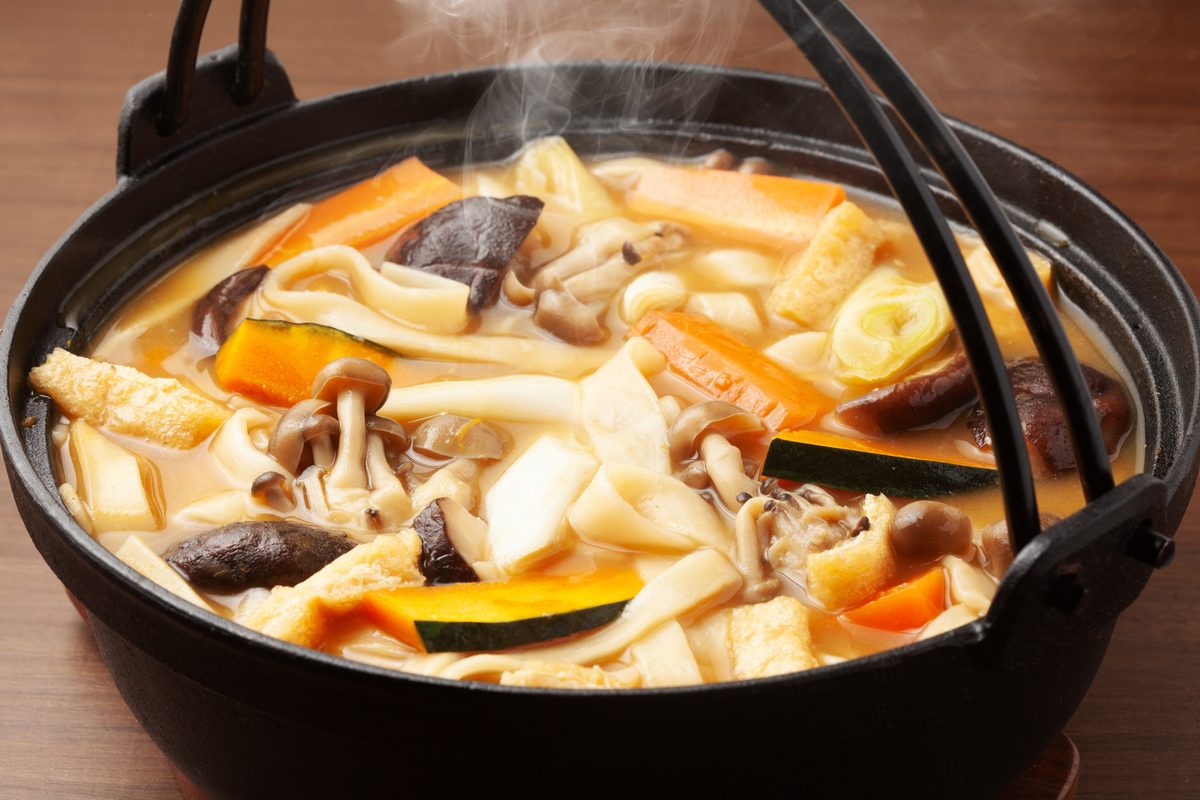
Hoto — Yamanashi's Winter Dish
Hoto is Yamanashi's signature dish — thick flat noodles (wider than udon) simmered with pumpkin, mushrooms, and root vegetables in a rich miso broth. Eaten since the Sengoku period (Takeda Shingen reportedly made it for his troops), it is exclusively a cold-season comfort food available October–April. The Kosaku restaurant chain invented the definitive version.
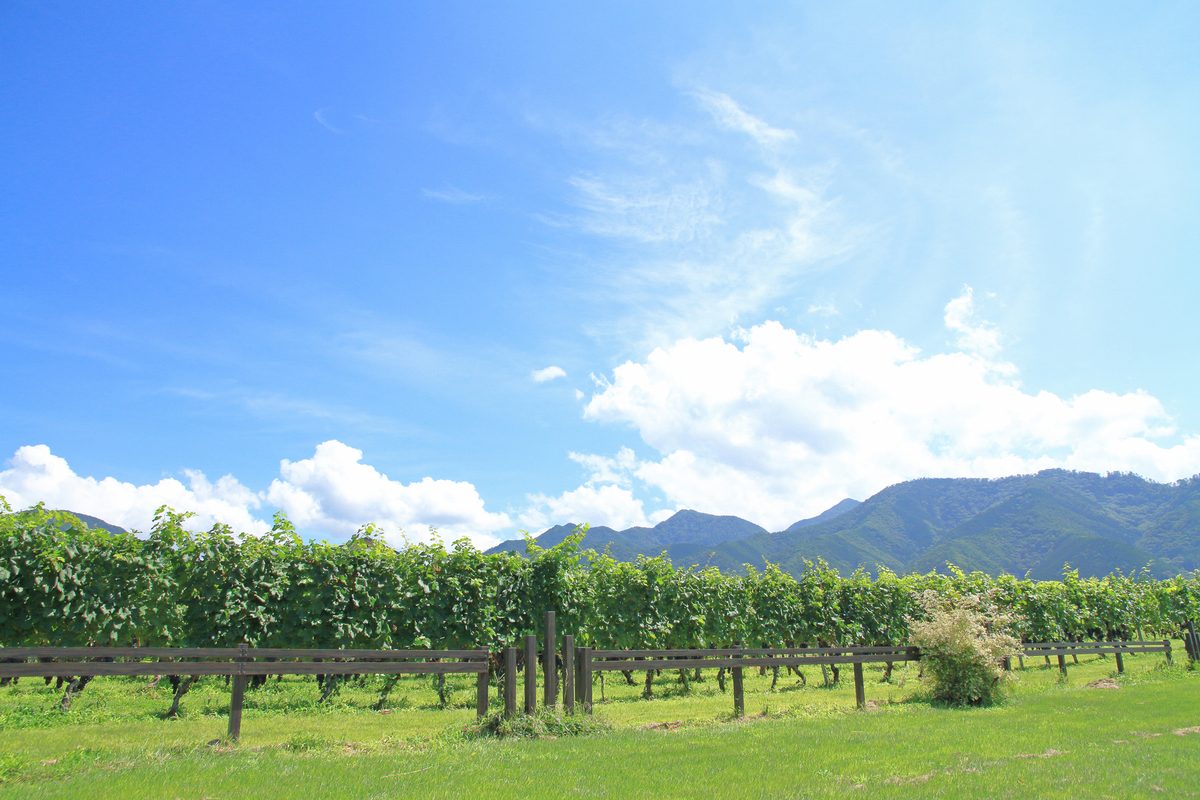
Katsunuma Wine Country
Japan's wine capital — the Katsunuma Valley produces 40% of Japan's wine on terraced hillsides visible from the Chuo Line train. The local Koshu grape (pink-skinned, crisp and mineral) is Japan's signature variety, classified as a European-style vinifera grape in 2010. Forty wineries offer tastings in walking distance from Katsunuma-Budokyo Station.