
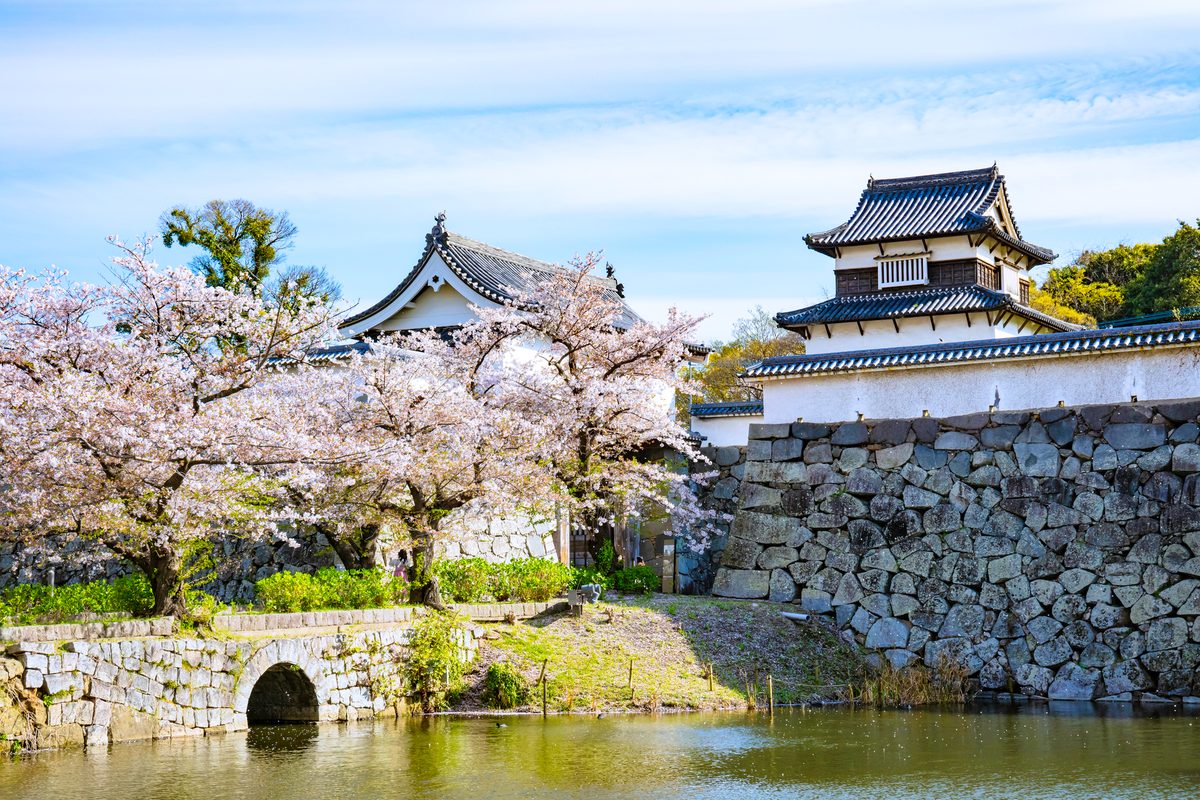
Fukuoka Castle Ruins & Maizuru Park
The remains of one of Kyushu's largest castles, built in 1607 for the powerful Kuroda clan. The stone walls, moats, and surviving turrets still impress despite the main tower's disappearance. In spring, 1,300 cherry trees turn the castle grounds into one of Fukuoka's best hanami (cherry blossom viewing) spots — and it's completely free.
1–1.5 hours
Grounds free; museum (Fukuoka Castle History Museum) free
Park: always open; Fukuoka Castle Museum (Mukashi Tanboukan) and Korokan Site Museum: 9:00–17:00, closed year-end and New Year (Dec 29–Jan 3).
Late March–early April (cherry blossoms) or autumn
15 min walk from Akasaka subway station or Tenjin
Location
Why Visit
- 1
Combine with adjacent Ohori Park — a lake park modeled on West Lake in Hangzhou, perfect for morning runs
- 2
The Fukuoka Castle Museum has a scale model showing how the full castle looked — it was larger than Osaka Castle
- 3
The Tamon Yagura turret (one of two survivors) can be entered on weekends for the best stone wall views
Local Tips
Late March to early April turns Maizuru Park into one of Fukuoka's finest cherry blossom spots. The keep is gone but the stone walls and turrets remain substantial. Ohori Park (5 min walk) and the Fukuoka Art Museum can be combined for a full morning without backtracking.
Add to your AI itinerary
Let AI build a multi-day trip around this spot.
Advertisement
More in Fukuoka
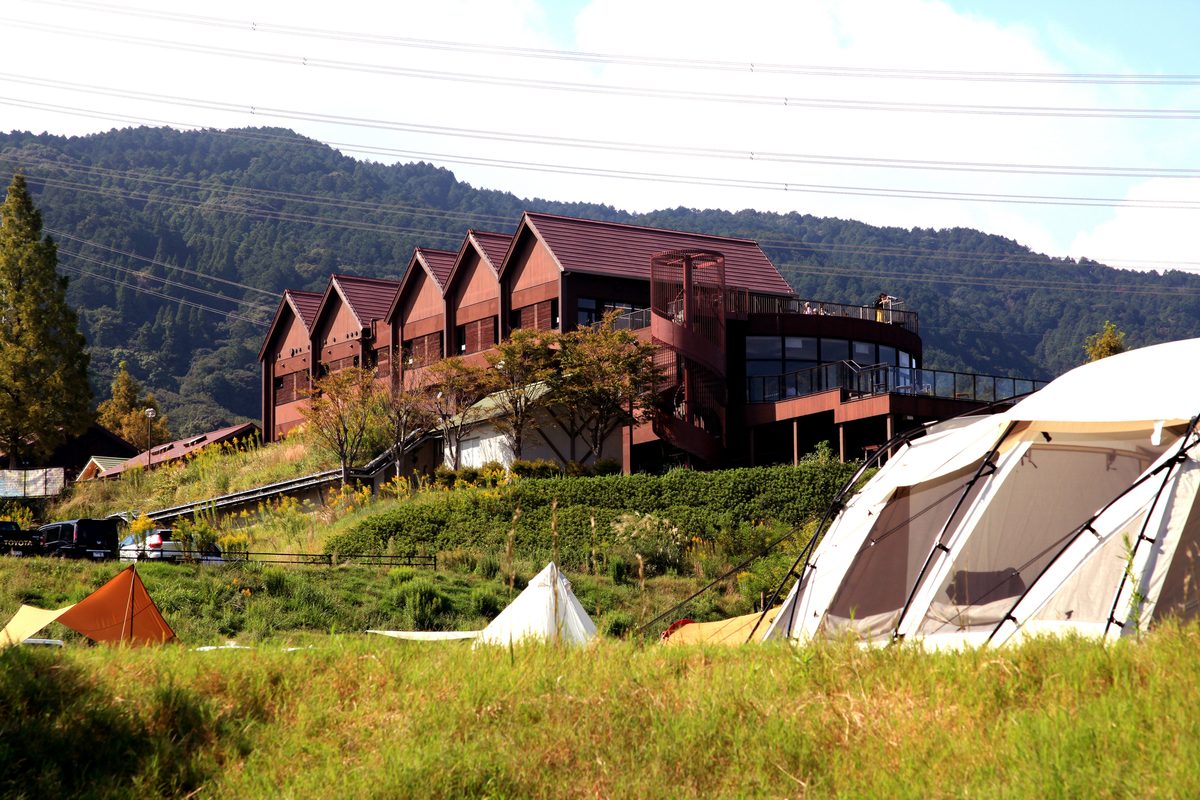
Aburayama Forest Park
Fukuoka's green lung — a forested mountain park just 30 minutes from the city center with mountain biking trails, a kids' forest museum, scenic viewpoints, and glamping facilities. On weekends it attracts Fukuoka's athletic community for trail running and mountain biking; on weekdays it's blissfully quiet.
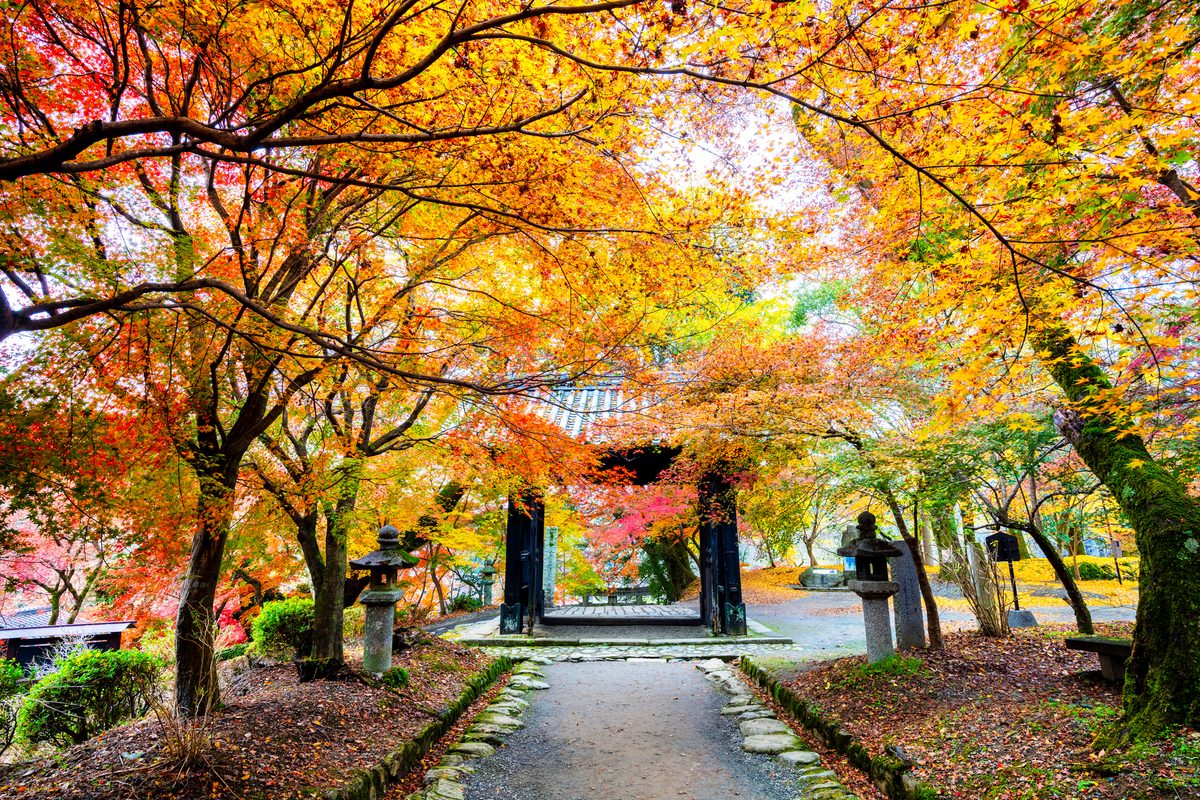
Akizuki Castle Ruins
A serene castle-town deep in the mountains 60km from Fukuoka, preserved by accident of geography — the Kuroda clan seat that never had to modernize. The approach road lined with 200-year-old cherry trees is among Kyushu's most beautiful.
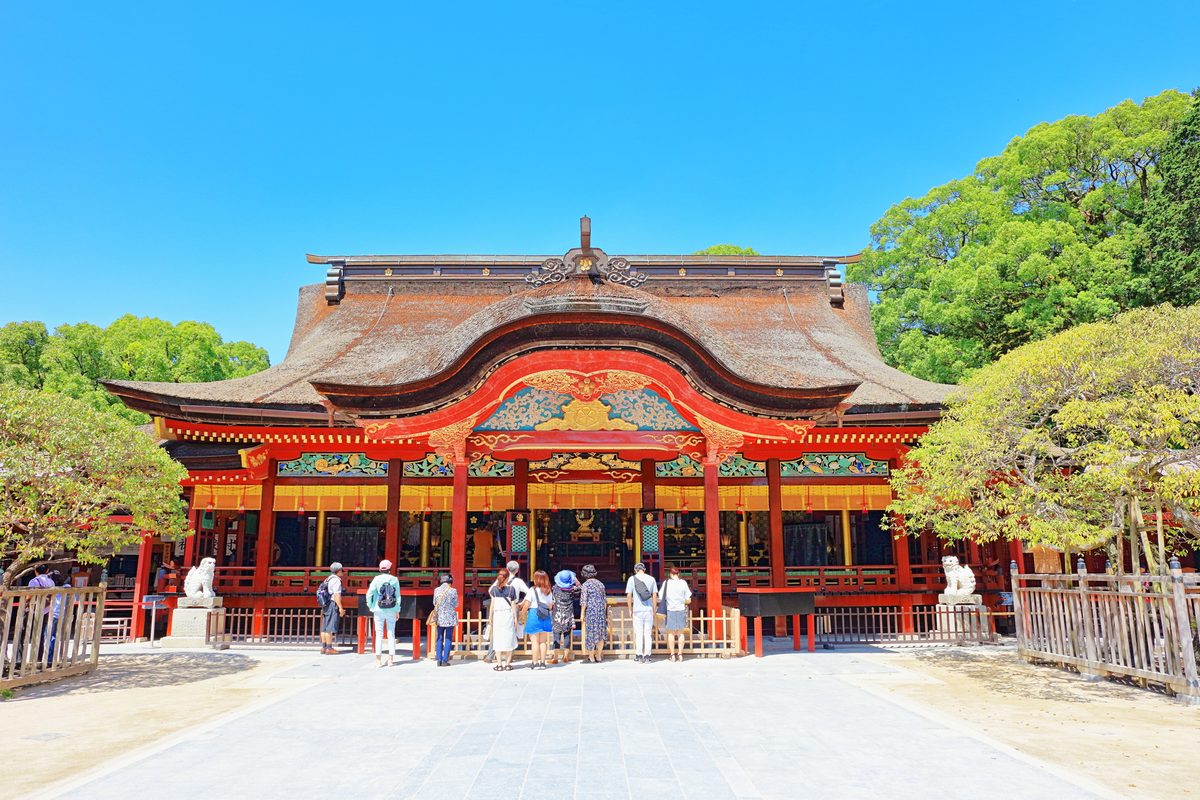
Dazaifu Tenmangu
One of Japan's most important Shinto shrines, dedicated to Sugawara no Michizane, the deity of learning. Surrounded by 6,000 plum trees that burst into bloom each February.