
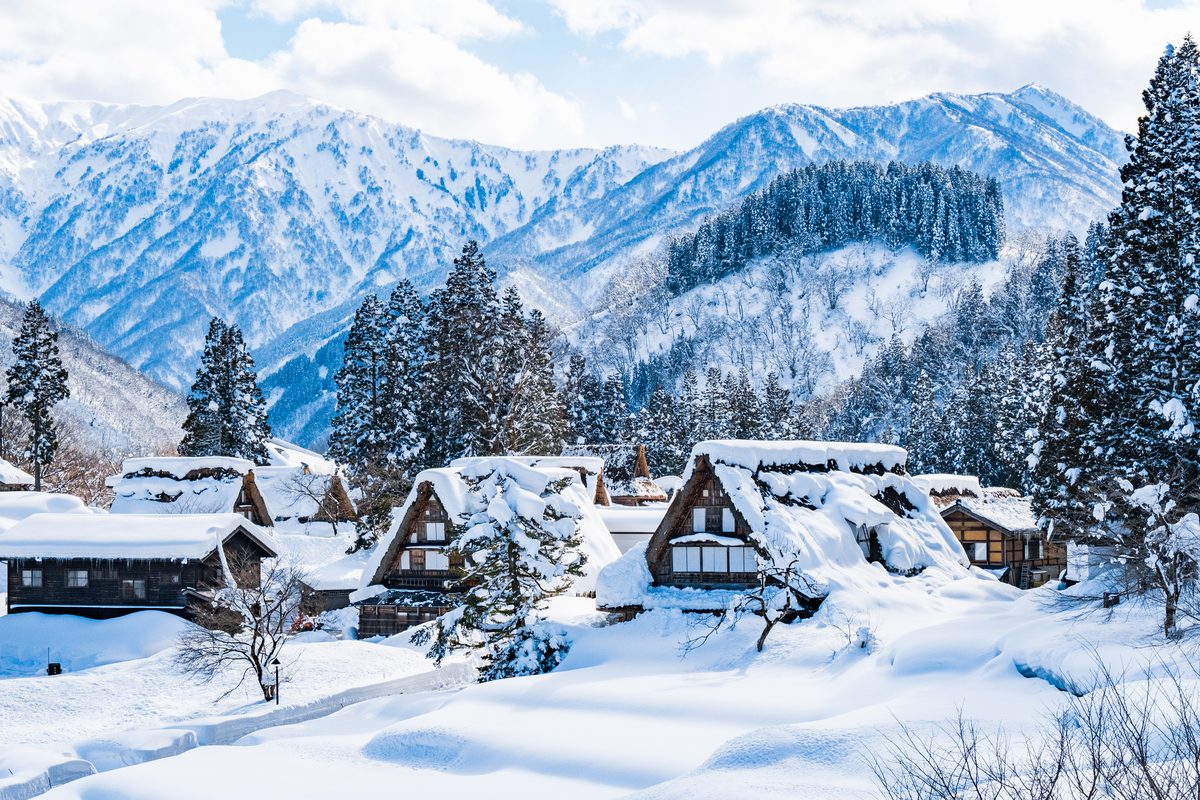
Gokayama — Ainokura Village
A UNESCO World Heritage village of gassho-zukuri thatched farmhouses — sister designation to nearby Shirakawa-go but even more remote and almost entirely tourist-free on weekdays. The Ainokura hamlet of 20 farmhouses sits in a narrow mountain valley with no convenience stores or chain restaurants — a genuine time capsule of mountain life.
Half day–overnight
Free entry; parking ¥500 (car), ¥100 (motorcycle)
Village always accessible; Ainokura Folklore Museum: 8:30–17:00 when open (currently under temporary closure; check for 2026 reopening).
December–February (snow), April–May, October
Bus from Takaoka Station (JR Hokuriku Shinkansen, 90 min)
Location
Why Visit
- 1
UNESCO World Heritage — sister village to Shirakawa-go but receives a fraction of the visitors
- 2
Ainokura's 20 farmhouses have no shops or chain establishments — completely authentic mountain village
- 3
You can stay overnight in a gassho-zukuri farmhouse minshuku (from ¥10,000 with dinner)
Local Tips
Gokayama is even quieter than nearby Shirakawa-go — fewer tour buses and a more authentic atmosphere. Ainokura has 23 surviving gassho-zukuri farmhouses, several still inhabited. Stay overnight in a farmhouse guesthouse to experience the snow-covered village after day visitors leave.
Add to your AI itinerary
Let AI build a multi-day trip around this spot.
Advertisement
More in Toyama
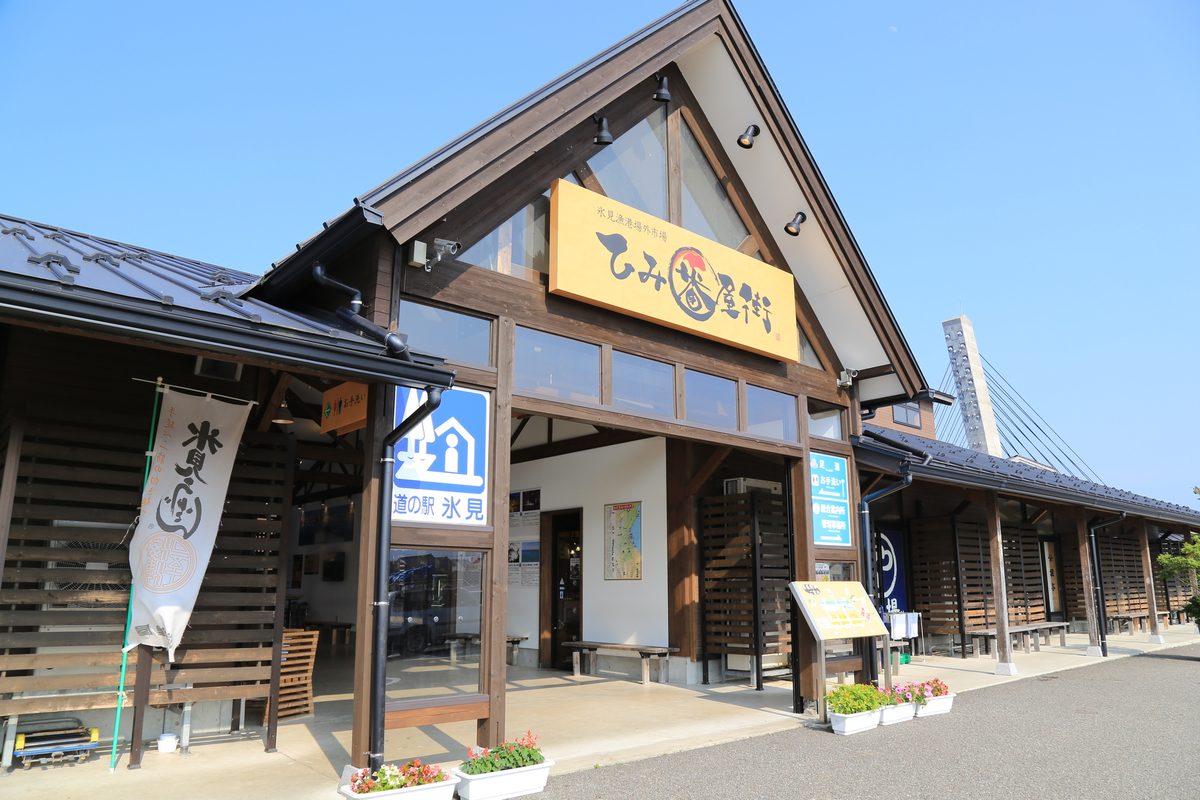
Himi Fisherman's Wharf
Himi is Japan's most celebrated fishing port for buri (wild yellowtail tuna) — the cold winter buri from Toyama Bay, fed on rich upwelling nutrients, are prized above all others. The Icchome Ichiba market beside the harbour serves buri shabu-shabu, crab, and fresh shiro-ebi in a glass building overlooking the Tateyama mountain range and the sea simultaneously.
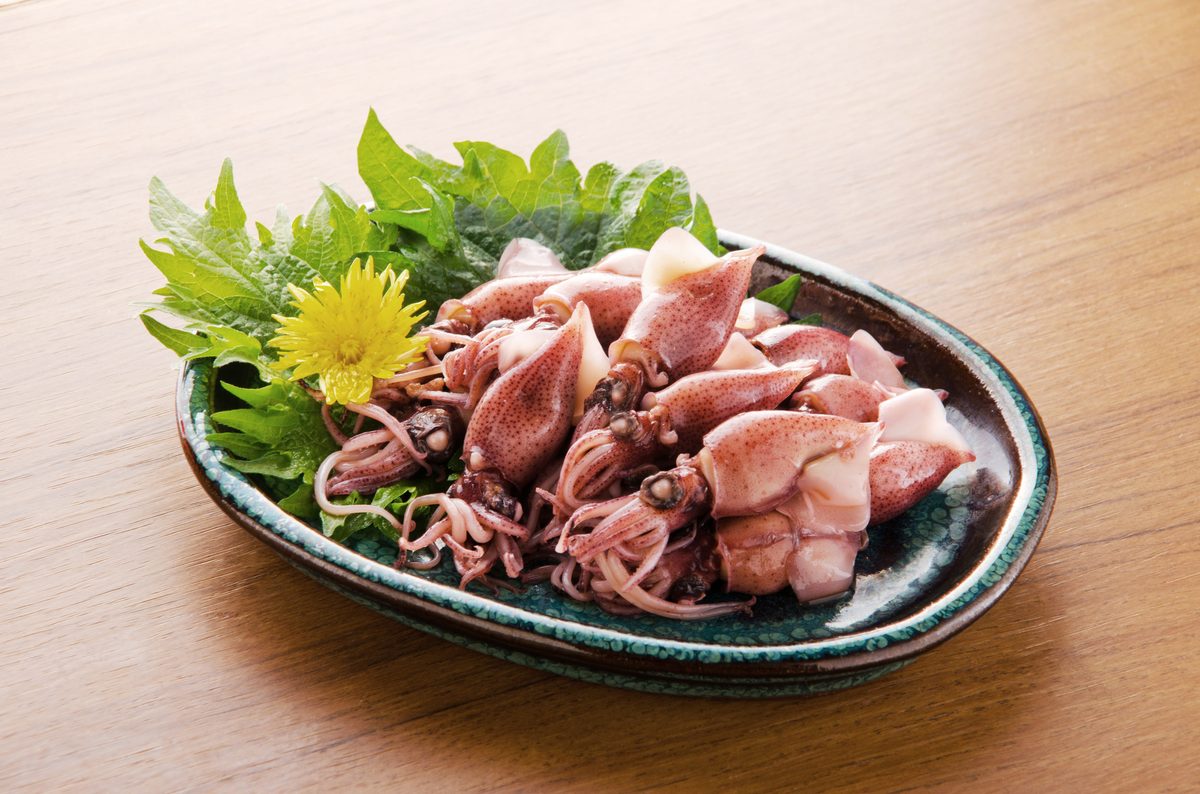
Hotaruika — Firefly Squid Season
Every spring (March–June), Toyama Bay hosts the world's largest aggregation of hotaruika (firefly squid) — bioluminescent squid that glow blue while spawning in shallow water at dawn. The Namerikawa coast dawn spectacle is one of Japan's most extraordinary natural phenomena, and the fresh firefly squid served same-morning at local restaurants is impossible to find anywhere else.
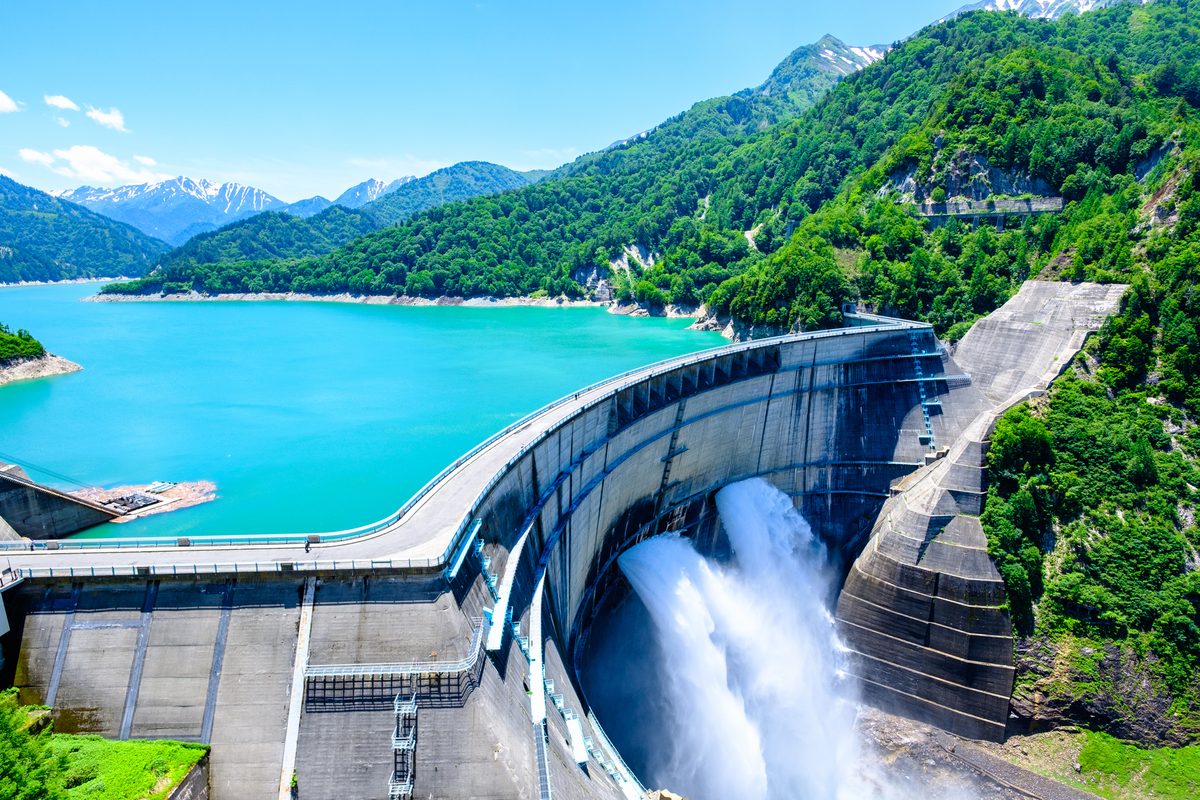
Kurobe Dam
Japan's largest dam — 186 metres tall and 492 metres wide, built between 1956–1963 at enormous human cost (171 workers died) in the heart of the Tateyama-Kurobe Alpine Route. The dam discharge in summer (late June–mid-October) is an extraordinary spectacle: 15 tonnes of water per second arching from the face. The turquoise Kurobe Lake behind it stretches 6km into the Alps.