
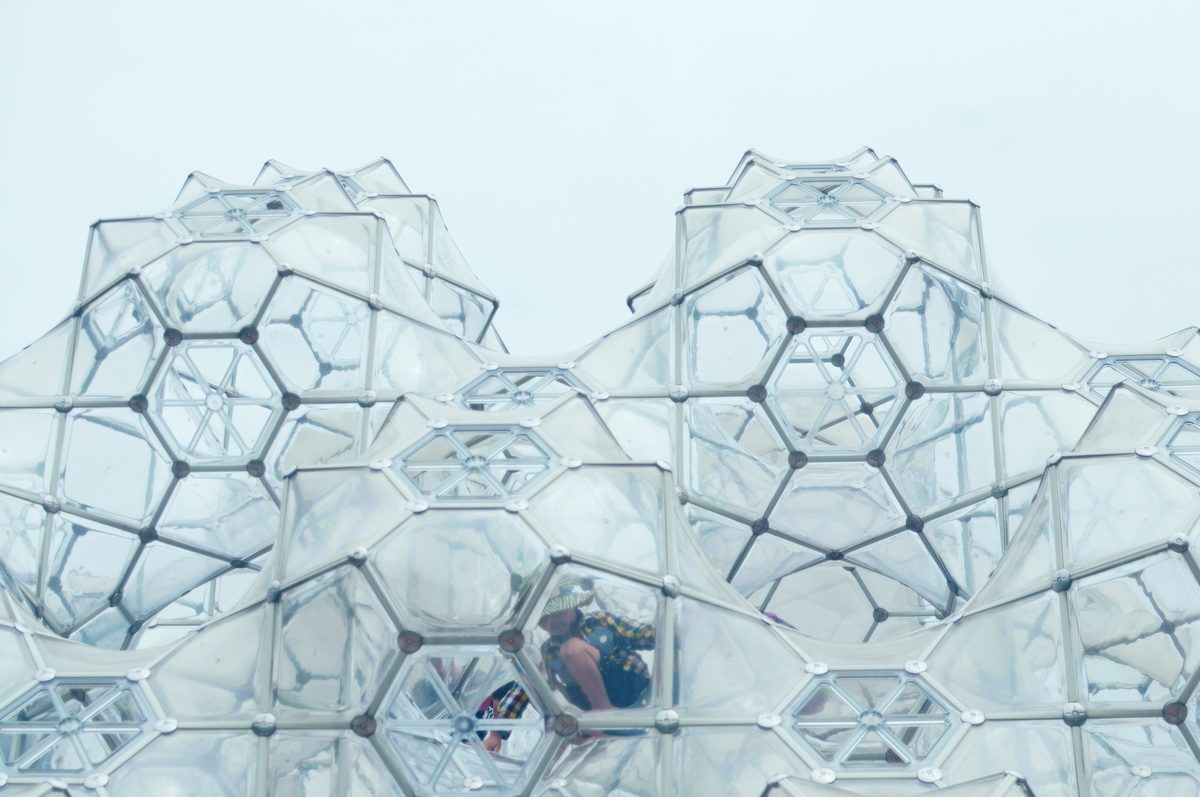
Hakone Open Air Museum
Japan's first open-air art museum — 120 sculptures by Moore, Rodin, Picasso, and Miro displayed across 7 hectares of mountain landscape, with Mt Hakone visible behind. The Picasso Pavilion houses the world's largest Picasso collection outside Spain. An outdoor foot spa of volcanic hot spring water flows through the centre of the grounds.
2–3 hours
¥2,000 (WEB ¥1,800)
9:00–17:00 year-round
Year-round
Chokoku no Mori Station on Hakone Tozan Railway (about 2hr from Shinjuku)
Location
Why Visit
- 1
120 sculptures including Moore and Rodin displayed against volcanic mountain scenery
- 2
The outdoor foot spa (ash-grey volcanic water) lets you soak while looking at modern art
- 3
The Picasso Pavilion's 300 works is Japan's largest — and rivals European collections
Local Tips
The Picasso Pavilion alone justifies the admission — over 300 works in a dedicated gallery. The outdoor sculptures include a Niki de Saint Phalle mosaic tower you can climb inside. The foot bath within the museum grounds is free with admission — a perfect mid-visit break.
Add to your AI itinerary
Let AI build a multi-day trip around this spot.
Advertisement
More in Kanagawa
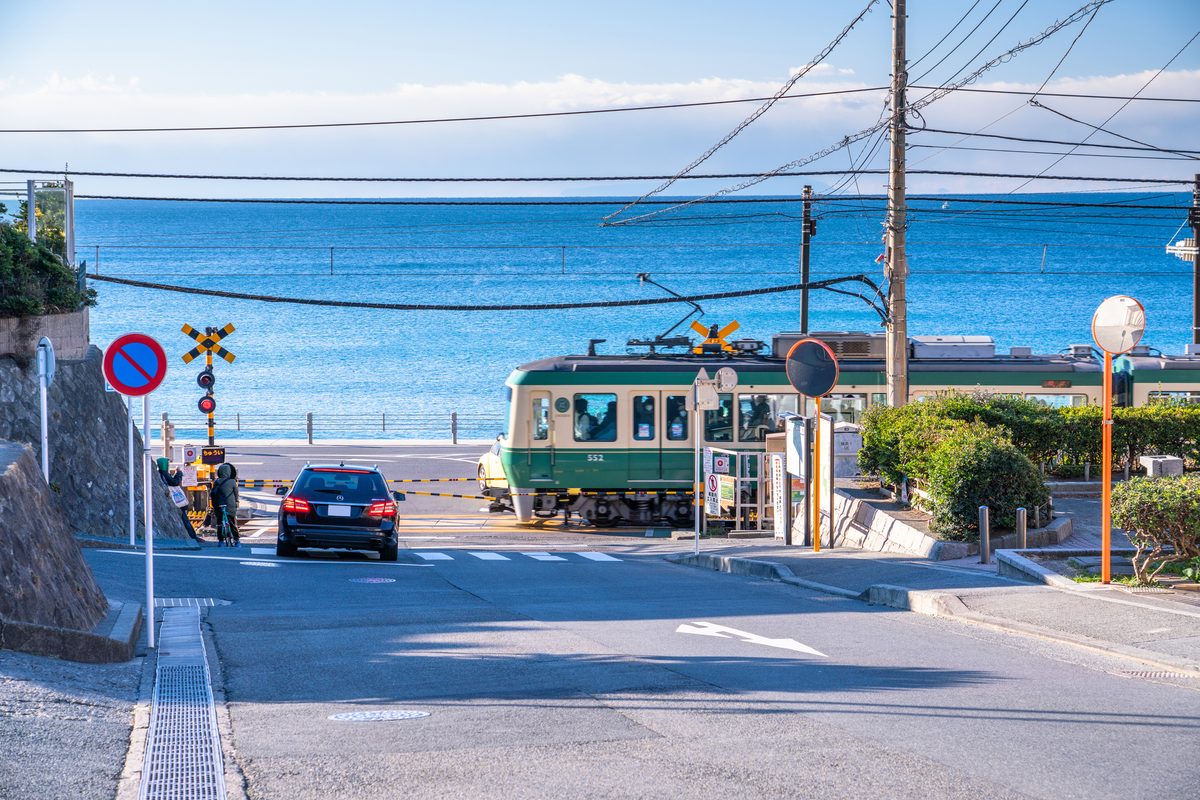
Enoshima Island
A tidal island connected to the mainland by a 600-metre bridge, sacred to Benzaiten (the goddess of everything that flows — music, water, time). The island rises 60 metres with a pagoda, sea caves, and a lighthouse park offering Mt Fuji views on clear days. The approach street (Benzaiten Nakamise) is lined with shirasu (whitebait) restaurants.
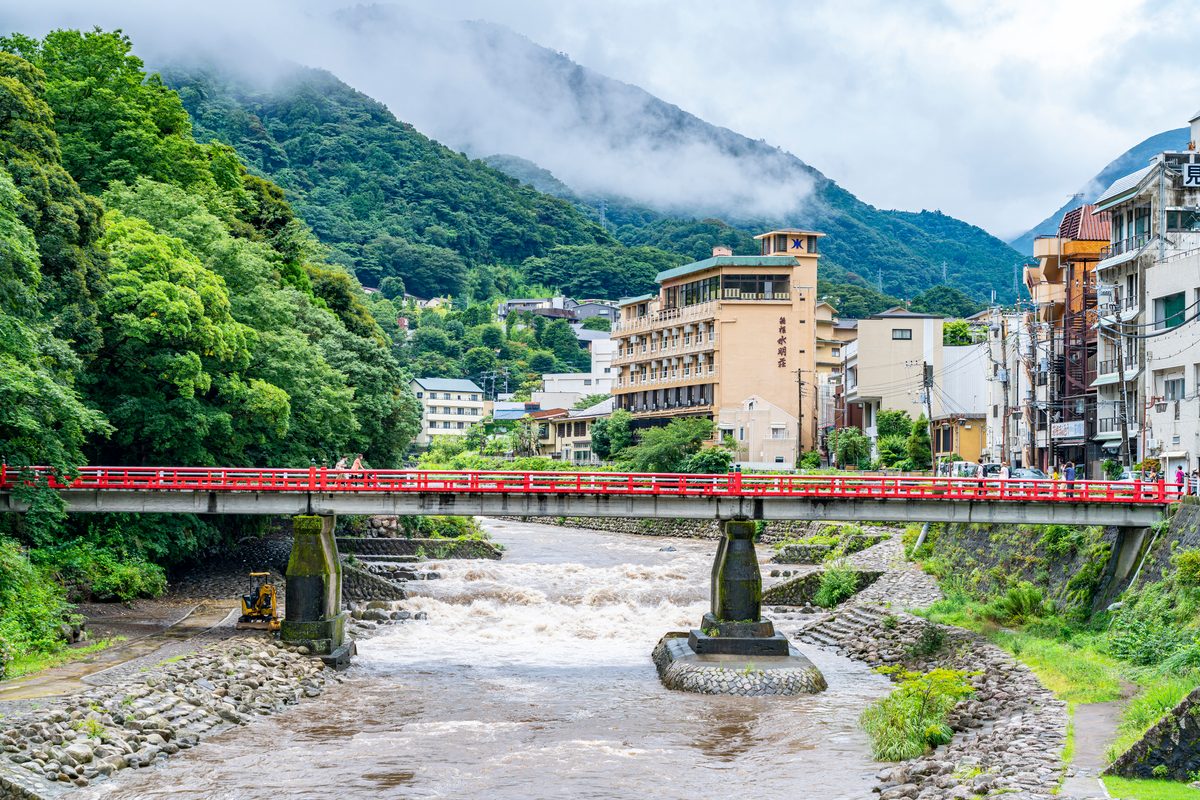
Hakone Onsen
Japan's most popular weekend escape from Tokyo — 17 distinct hot spring areas around Lake Ashi and Mt Hakone with 100+ ryokan ranging from budget minshuku to legendary kaiseki establishments. The Hakone Free Pass covers the romance car train, ropeway, pirate ship on the lake, and open-air museum — all with Mt Fuji visible on clear days.
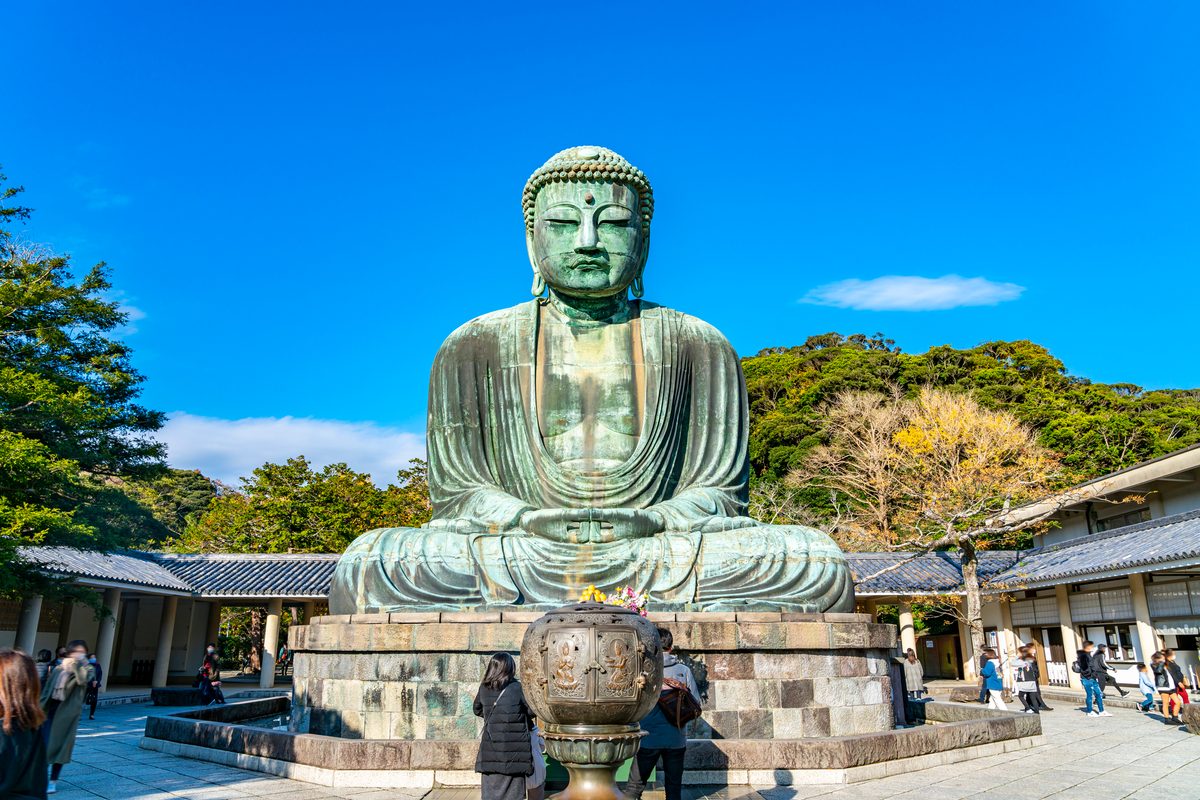
Kamakura — Great Buddha & Hase-dera
Japan's second-largest bronze Buddha (13.35m) has sat in the open air since its covering hall collapsed in a 1498 tsunami — and the sea salt and centuries have given it extraordinary patina. Nearby Hase-dera temple has 10,000 hydrangeas on the hillside and a sea-view cave of Kannon statues that defines Kamakura.