
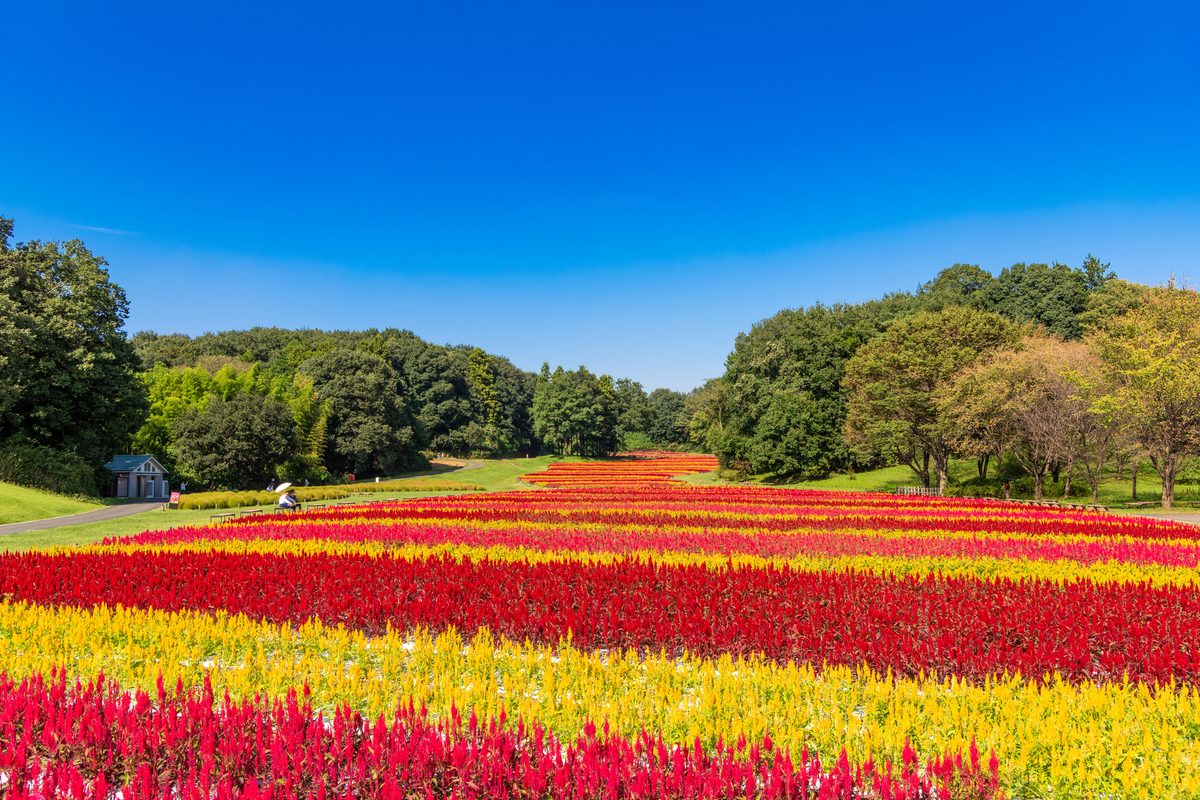
Musashi Kyuryo National Government Park
Tokyo's nearest large national park — 304 hectares of rolling hills and forests in the Kanto Hills, blanketed in shibazakura (moss phlox) in spring and cosmos in autumn. The park sits on the old Musashi Plateau and has winding forest trails, bird-watching towers, and cycling courses that are almost empty on weekdays.
2–3 hours
¥450
9:30–17:00 (Mar–Oct); 9:30–16:30 (Nov); 9:30–16:00 (Dec–Feb); closed Mon from early Jan to end Feb and New Year's Day
Late April–May (shibazakura), September–October (cosmos)
Shinrin-koen Station (Tobu Tojo Line), then bus to south/west gate (60–70 min from Ikebukuro)
Location
Why Visit
- 1
Shibazakura (moss phlox) covers entire hillsides in pink and white in late April
- 2
304 hectares of managed forest completely free of crowds on weekdays
- 3
Cycling rentals at the entrance allow full exploration without walking
Local Tips
One of the Kanto region's most underrated parks — 304 hectares of mixed forest on ancient burial mound terrain. The nemophila (baby blue eyes) display in spring, while smaller than Hitachi, is far less crowded. The park is ideal for trail running and forest bathing. Combine with Yoshimi Hundreds of Caves (ancient burial caves, 15 min by car).
Add to your AI itinerary
Let AI build a multi-day trip around this spot.
Advertisement
More in Saitama
Chichibu — Mountain Town & Shrine
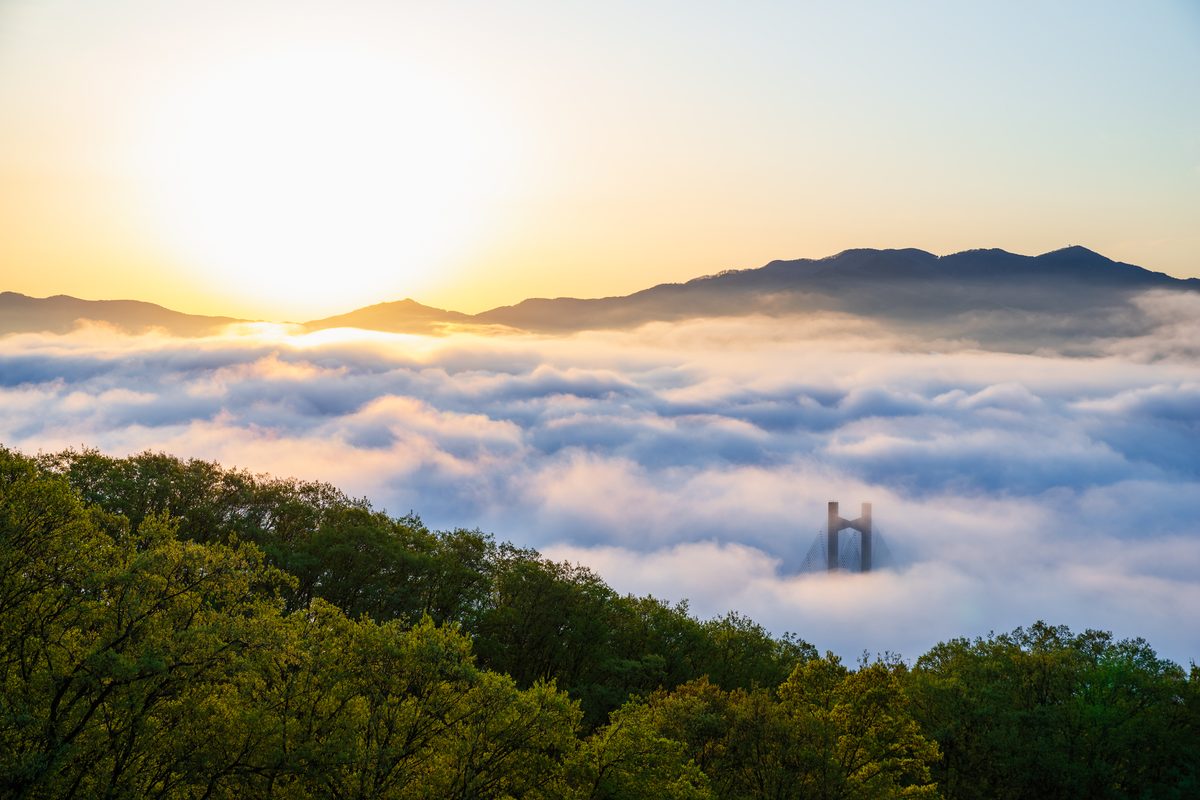
A mountain basin town set among the Oku-Chichibu ranges, home to one of Japan's three great night festivals — the Chichibu Yomatsuri (December 3) where six ornate floats and two mikoshi parade through freezing winter streets with fireworks overhead. The Chichibu Shrine (2,100 years old) is a National Important Cultural Property.
Kawagoe — Little Edo
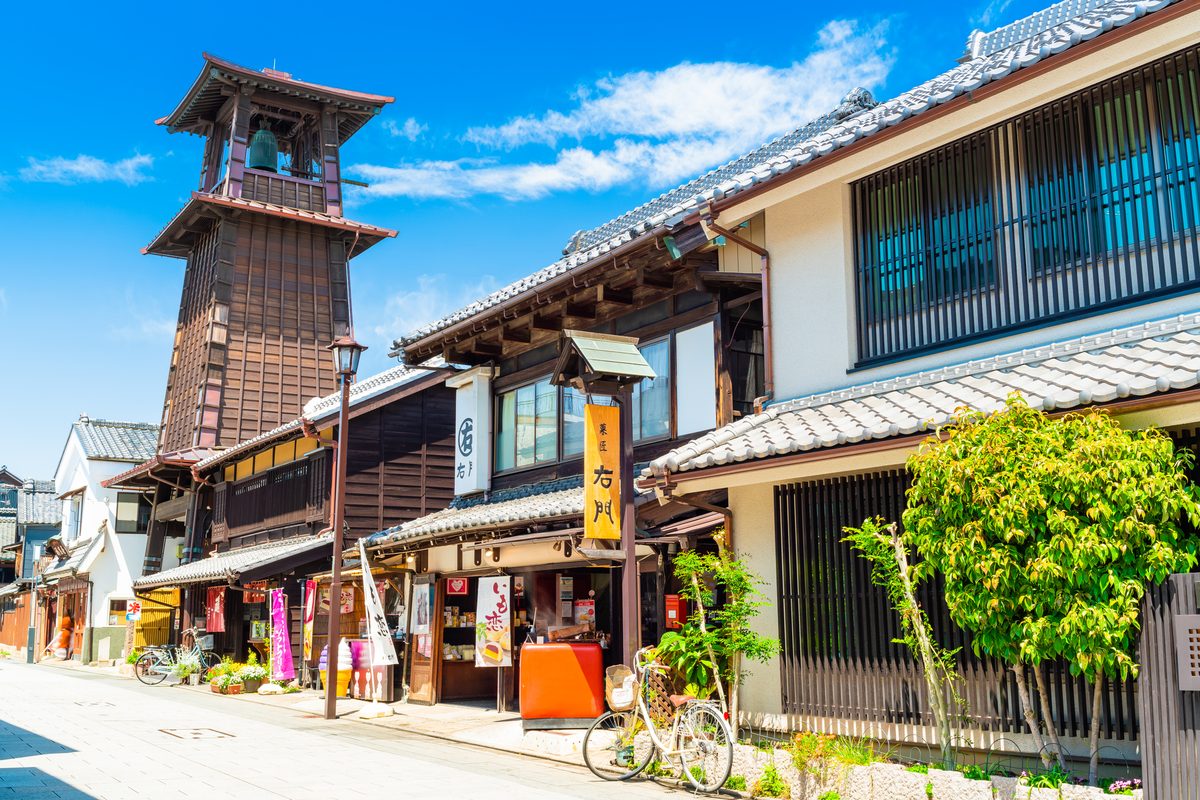
A well-preserved Edo-period merchant town 30km from Tokyo — nicknamed Koedo (Little Edo) for its kura-zukuri (black plastered storehouse) main street and the only surviving Toki no Kane (Time Bell Tower) in the Kanto region. Confectionery Street (Kashiya Yokocho) has sold traditional dagashi (cheap sweets) since the Meiji era.
Mt Tenran — Hanno
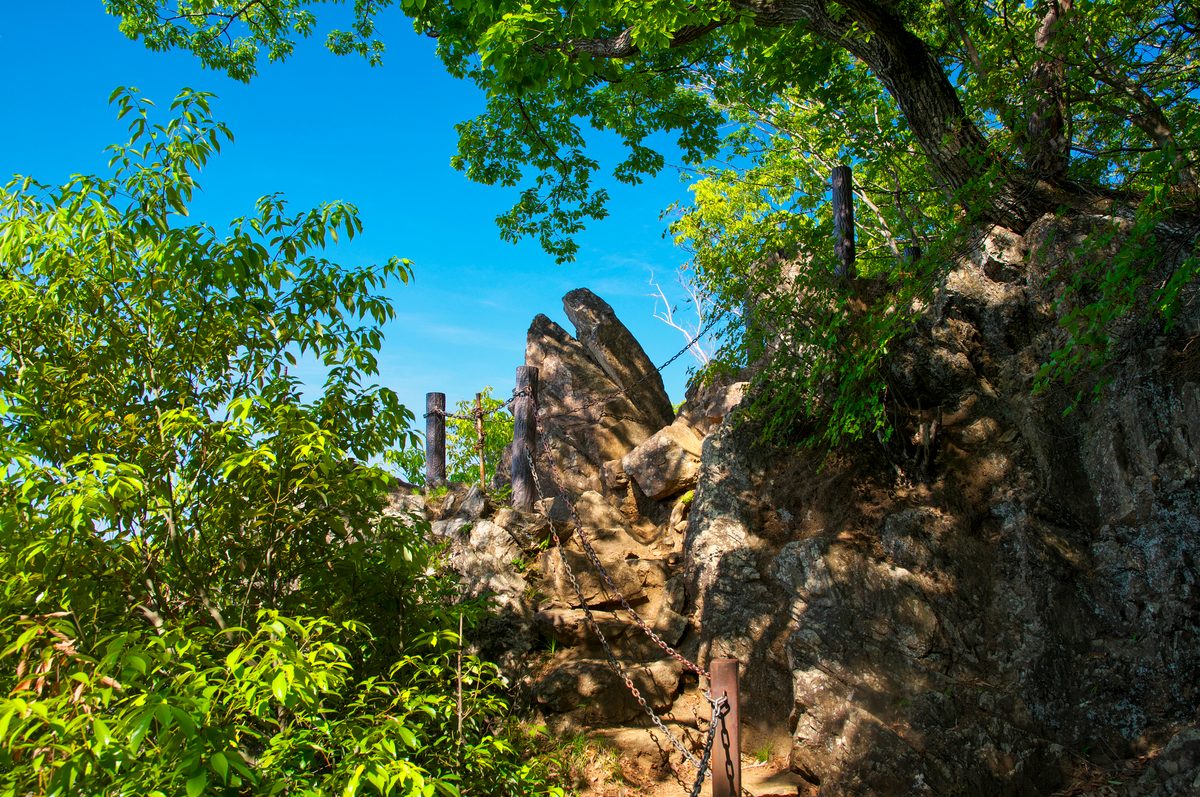
A gentle 305-metre mountain above the Iruma River valley — one of the most approachable peaks for Tokyo day-trippers, with a clear trail to the summit in 40 minutes. Emperor Hirohito walked this mountain in 1931, giving it the name "Tenran" (Emperor's View). The summit offers Chichibu mountain panoramas and city views simultaneously.