
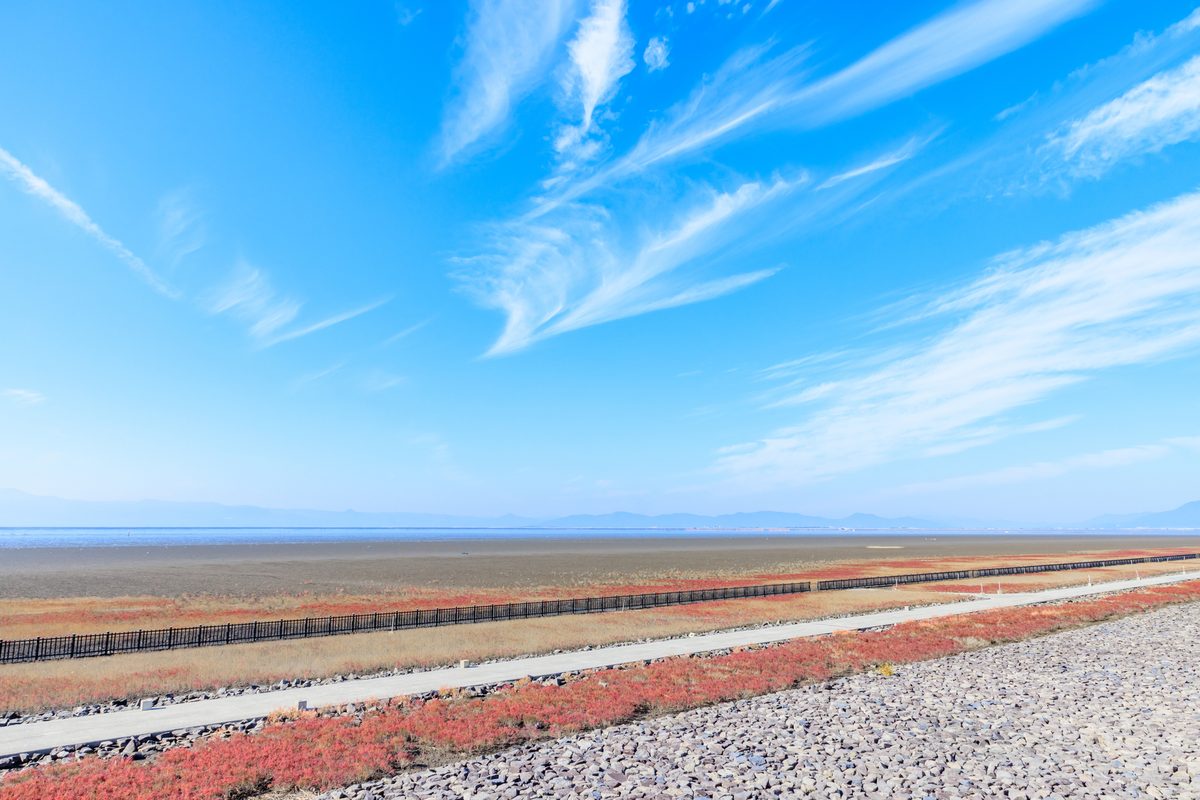
Higashiyoka Tidal Flat
A Ramsar Convention wetland on Ariake Sea — one of Japan's most biodiverse tidal flats, home to 140 species of migratory birds and the spectacle of mudskippers and fiddler crabs at low tide. In autumn, the shichimenso (salicornia) turns the mudflat a vivid red, creating an otherworldly landscape.
45 min
Free
Always open; best visited 1–2 hours before and after low tide — check tide tables for Saga/Ariake Sea
October (crimson shichimenso) or March–April (migratory birds)
Car recommended (40 min from Saga Station); limited bus service
Location
Why Visit
- 1
October is the red season — shichimenso plants covering the flat turn deep crimson simultaneously
- 2
Mudskippers (mutsugoro) are the local symbol — these fish walk on land and are unique to Ariake Sea
- 3
The adjacent road runs right along the flat — photograph at sunset when light turns everything golden
Local Tips
The Ariake Sea has Japan's largest tidal range — up to 6 metres — and the exposed mudflat at low tide stretches for kilometres. Mudskippers, horseshoe crabs, and fiddler crabs make the flats feel prehistoric. Arriving at high tide means there's nothing to see — check tides before visiting.
Add to your AI itinerary
Let AI build a multi-day trip around this spot.
Advertisement
More in Saga
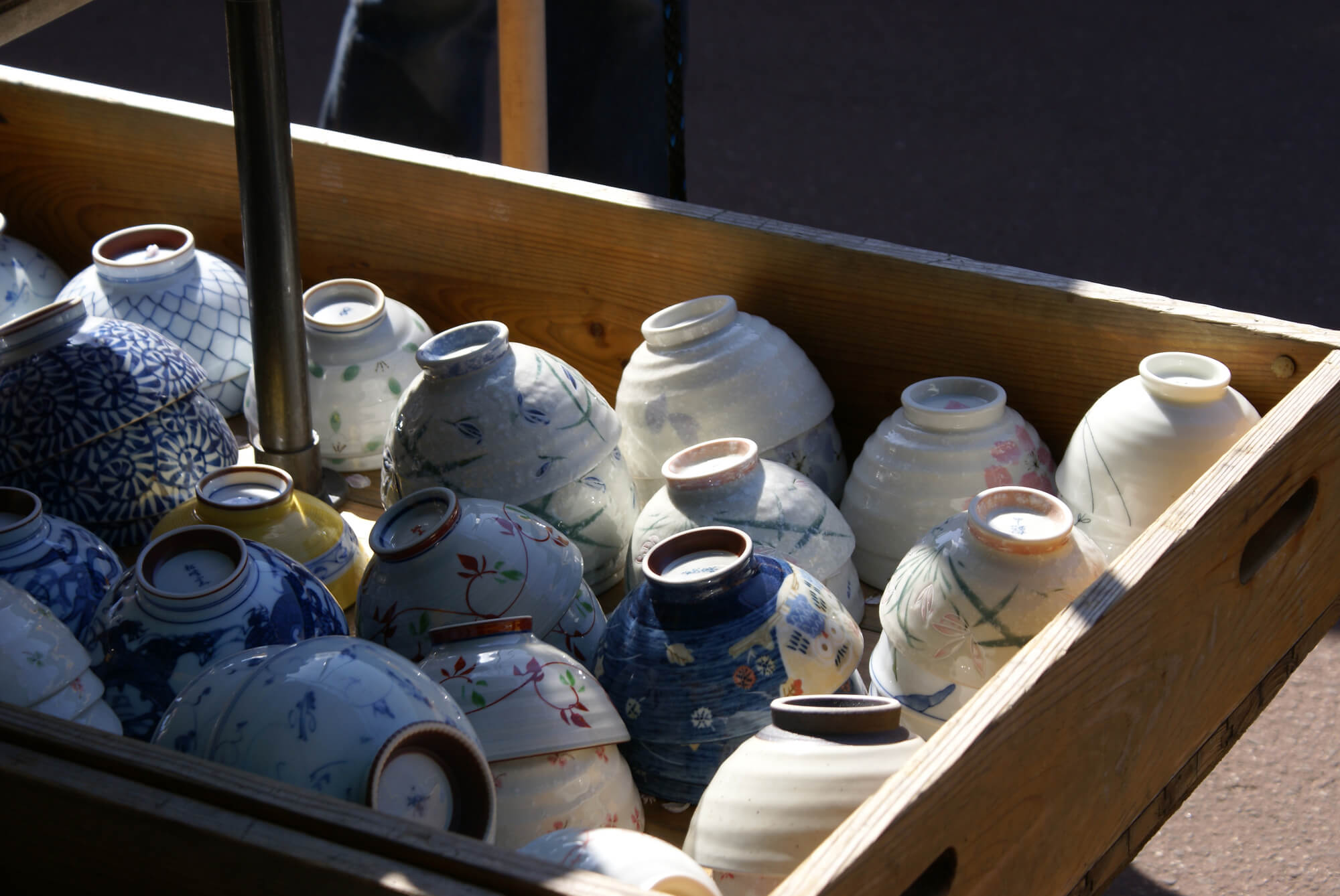
Arita Pottery Town
The birthplace of Japanese porcelain, where ceramic production began in 1616 after kaolin clay was discovered. The main street is lined with kilns, galleries, and manufacturers exporting worldwide.
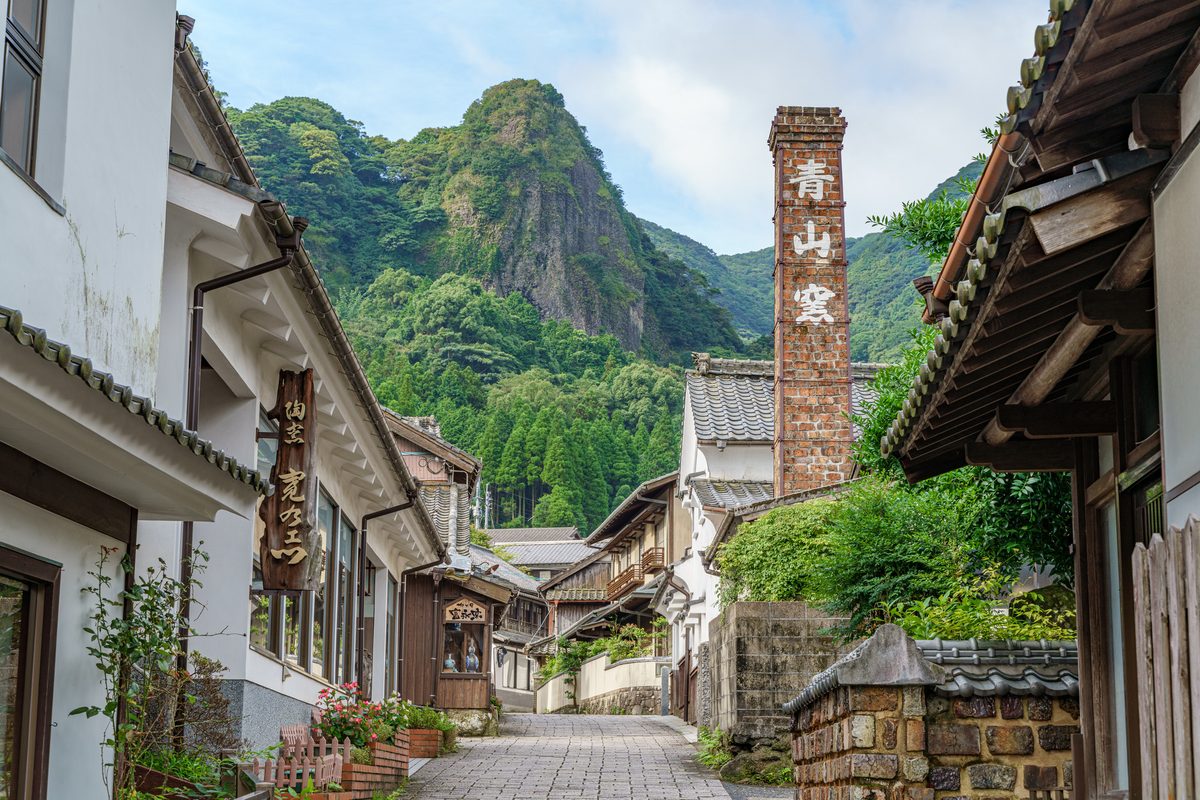
Imari Okawachi-yama Kiln Village
A hidden valley where the Nabeshima clan's secret kilns produced porcelain exclusively for the Edo shogunate and European royalty. Today 30+ kilns still operate in this quiet mountain valley — you can watch master potters at work and buy directly from the kilns that supplied Versailles.
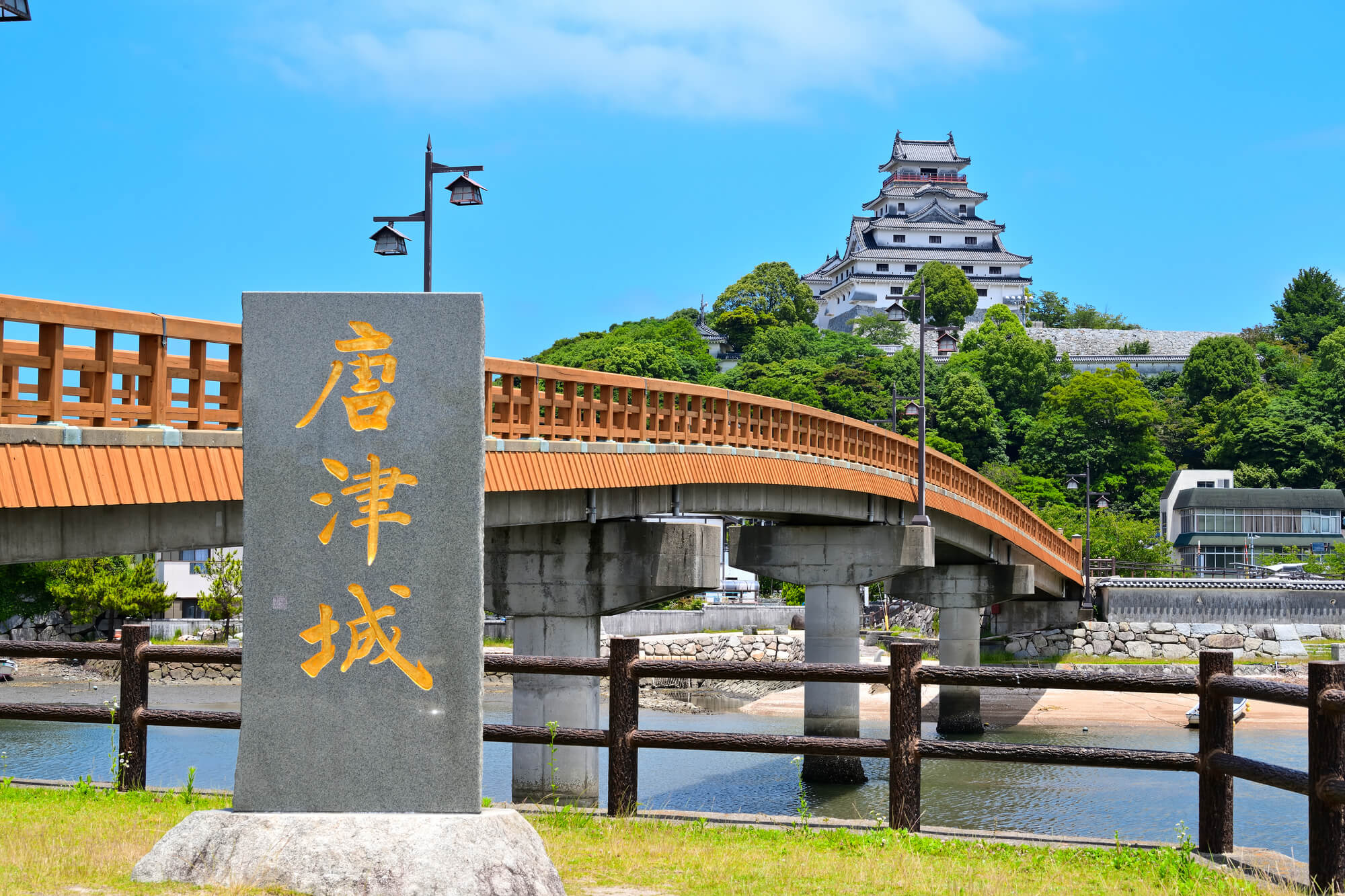
Karatsu Castle
A beautifully restored castle perched on a pine-covered promontory over Karatsu Bay, nicknamed "Dancing Crane Castle." The view over the bay from the top floor is stunning.