
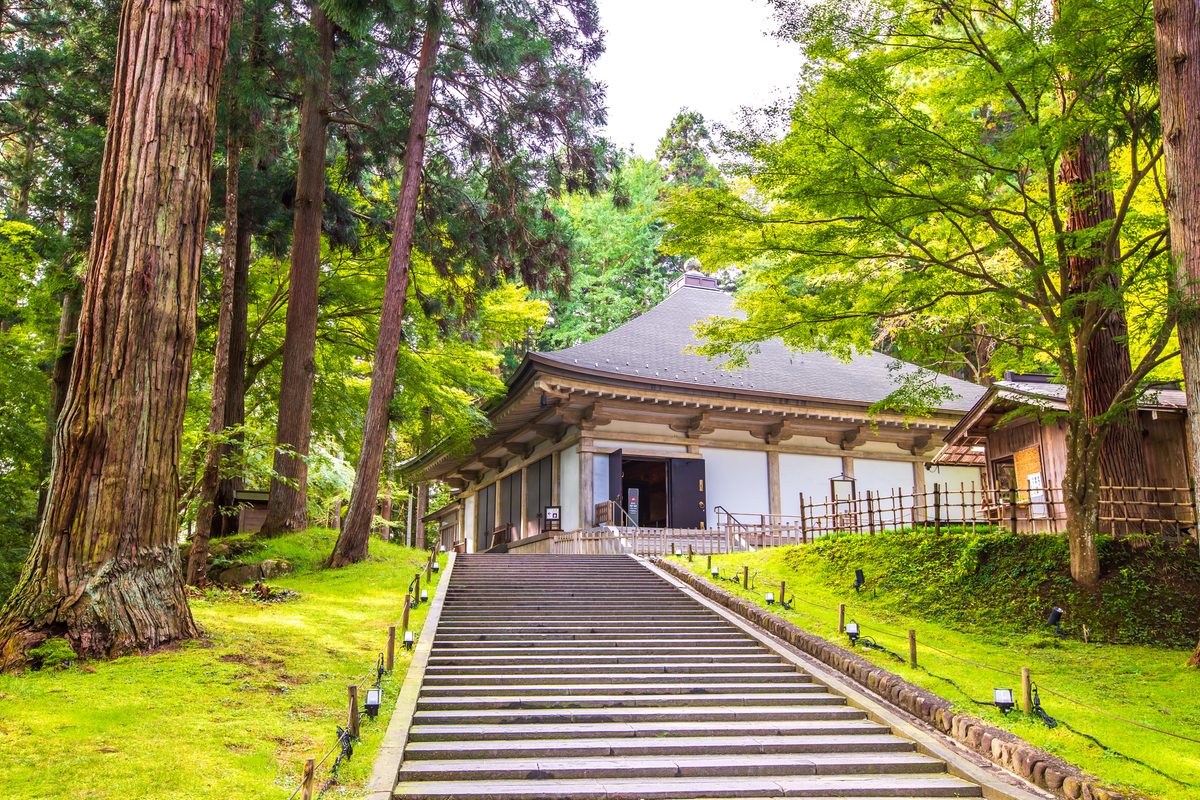
Hiraizumi Chusonji Temple
The centerpiece of the UNESCO World Heritage Hiraizumi site — an 11th-century Golden Hall (Konjikido) that houses the gilded mummies of the Fujiwara lords who built a Buddhist paradise in Tohoku to rival Kyoto.
2–3 hours
¥1,000
8:30–17:00 (Mar–Nov); 8:30–16:30 (Dec–Feb)
May, October–November
Bus from Hiraizumi Station (5 min) or 25-min walk
Location
Why Visit
- 1
The Konjikido (Golden Hall) is entirely covered in gold leaf — mummies of three Fujiwara lords rest inside
- 2
Chusonji was founded in 850 and expanded into hundreds of halls — only fragments remain, making each more precious
- 3
The surrounding beech forest path called Tsukimizaka is covered in autumn leaves each October
- 4
Motsuji Temple nearby has a near-perfect Heian-period Pure Land garden with a large central pond
Local Tips
The Konjikido (Golden Hall) is one of Japan's most extraordinary Buddhist structures — the entire interior covered in gold leaf, containing the mummified remains of the Fujiwara lords. The hall is enclosed in a protective building but the golden interior still stuns. Combine with Motsuji Temple (5 min walk) and its pure land garden for a full Hiraizumi day.
Add to your AI itinerary
Let AI build a multi-day trip around this spot.
Advertisement
More in Iwate
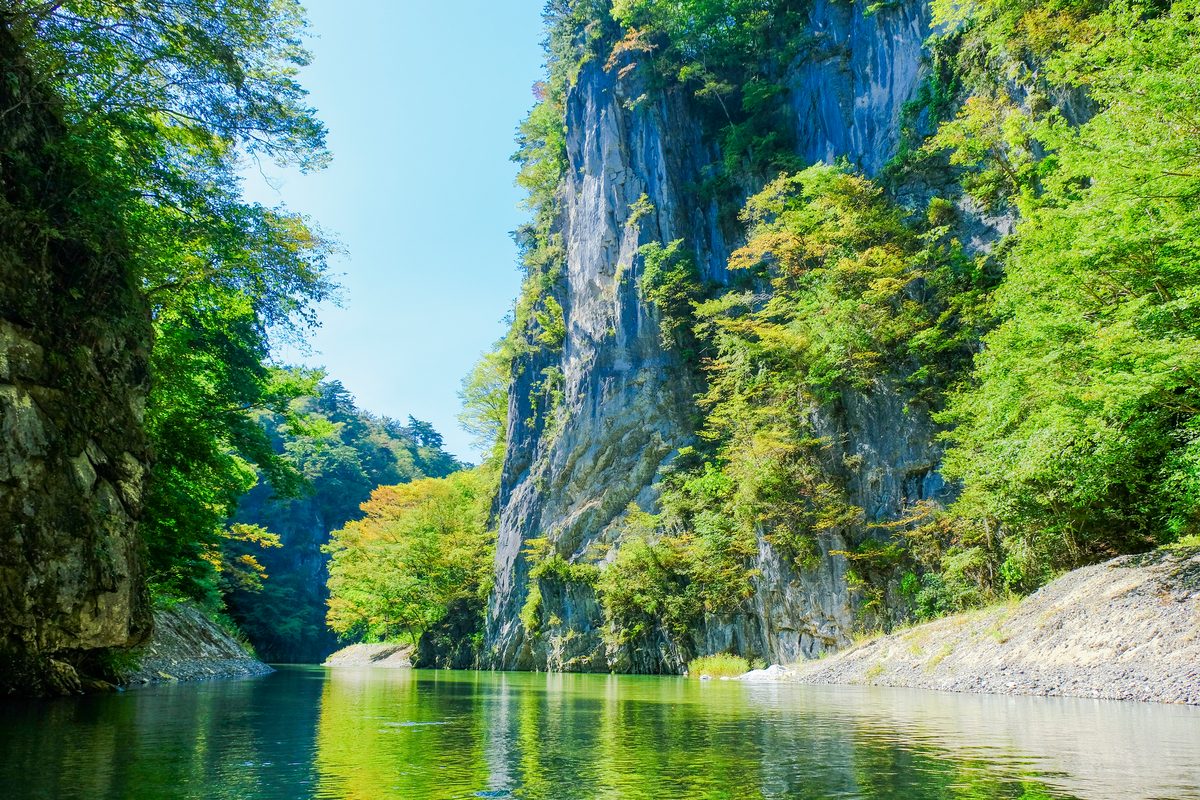
Geibikei Gorge
A narrow limestone gorge where flat-bottomed boats are poled through approximately 2 kilometres of canyon flanked by 100-metre cliffs. The boatman sings traditional Geibikei rowing songs as herons and kingfishers fly through the gorge.
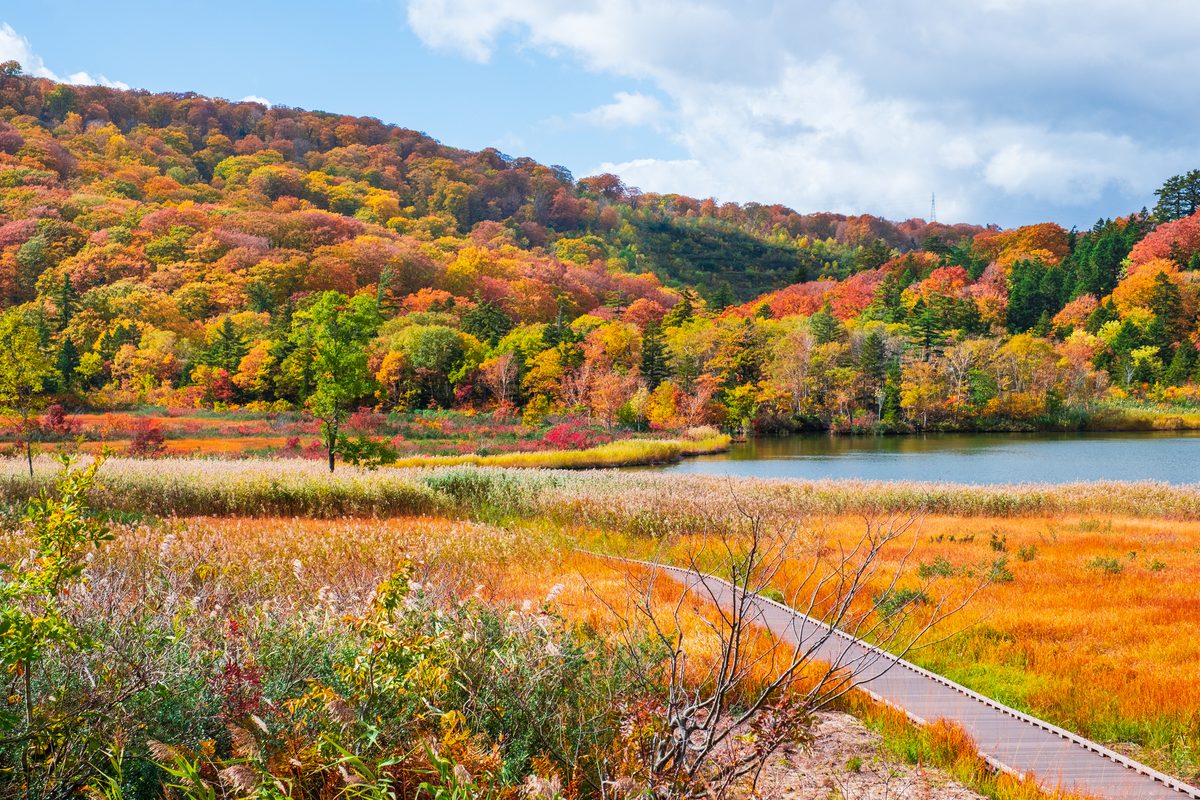
Hachimantai Plateau
A high volcanic plateau straddling Iwate and Akita, famous for the "Dragon Eye" — a crater lake that develops a circular eye-shaped opening as snow melts each June. The plateau offers hiking, skiing and vivid autumn colour.
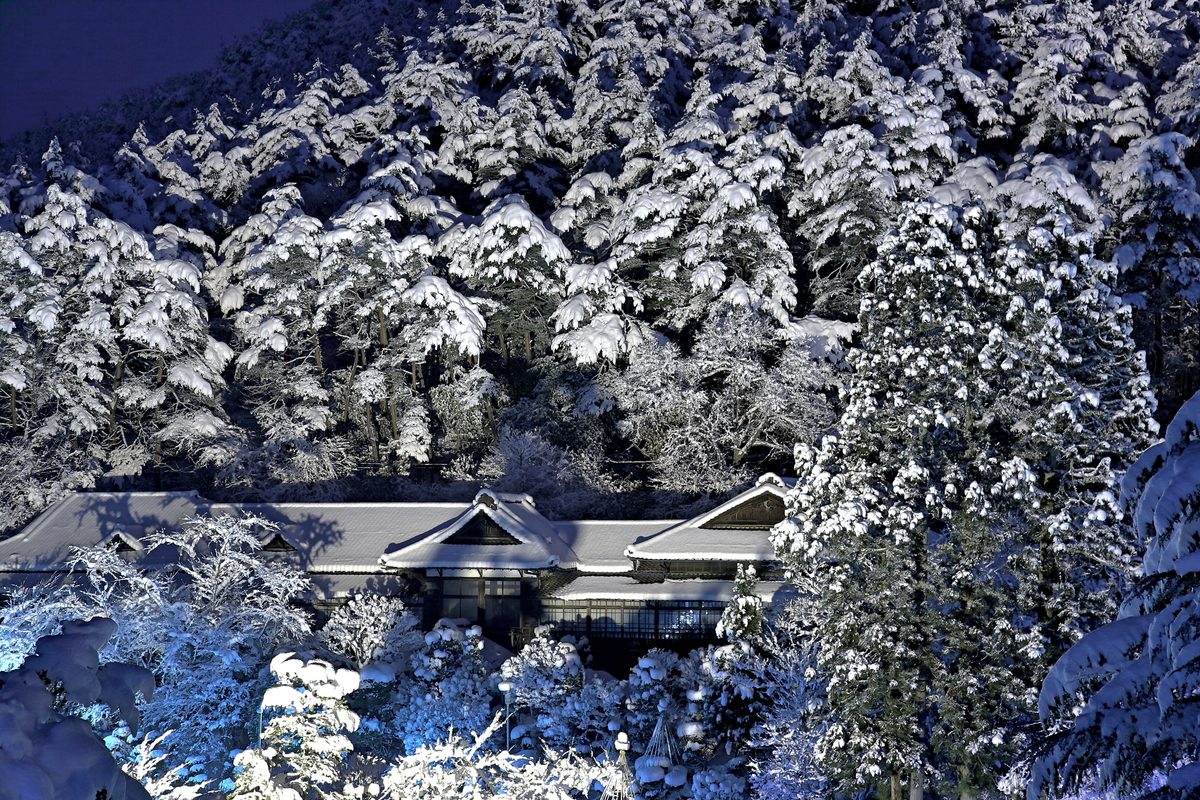
Hanamaki Onsen
A cluster of hot spring villages in the rolling hills around Hanamaki — hometown of poet and farmer Kenji Miyazawa. Ryokan here draw on centuries of spring history, surrounded by the forests Miyazawa immortalized in his stories.