
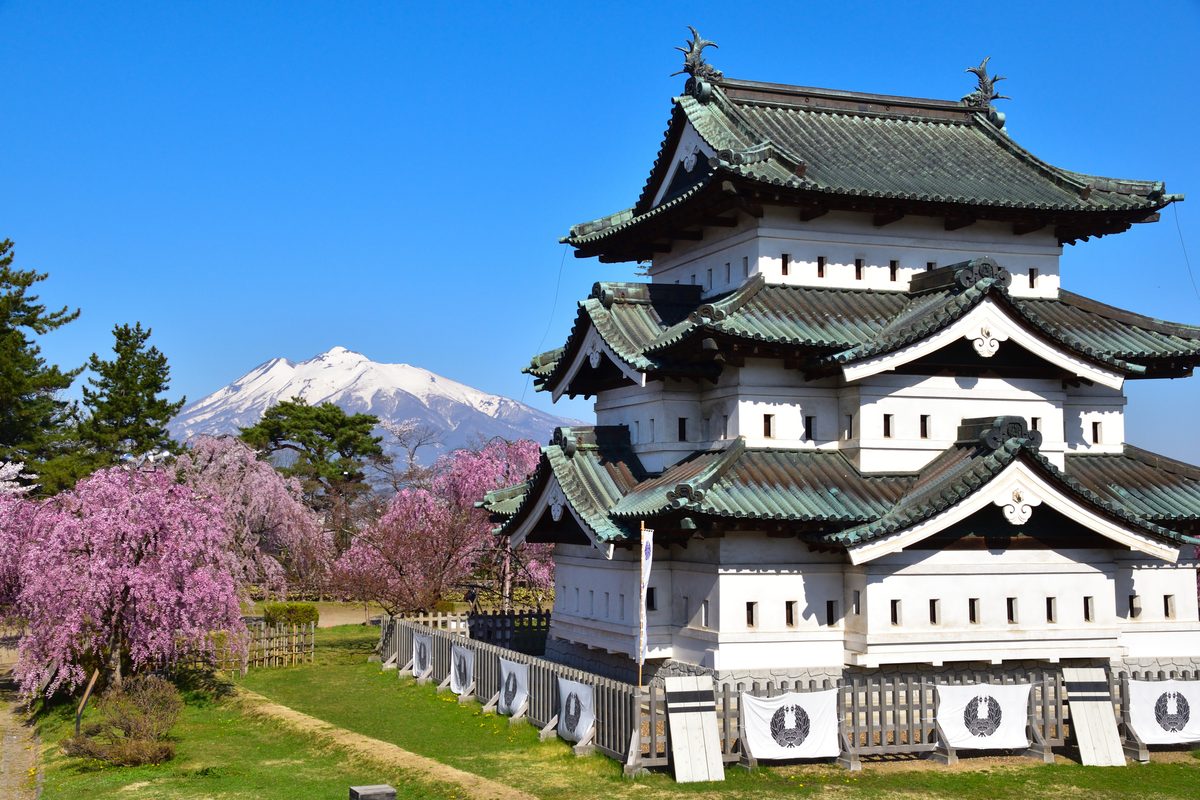
Hirosaki Castle
Japan's best-preserved original wooden castle keep, encircled by 2,600 cherry trees that transform the moat into a pink tunnel each spring. One of only twelve original castles remaining in Japan.
2–3 hours
¥320
9:00–17:00 (Apr 1–Nov 23); 7:00–21:00 during cherry festival (late Apr–early May); park free and open in winter (Nov 24–Mar 31).
Late April–May (cherry); October–November (autumn maple)
Bus from Hirosaki Station (15 min)
Location
Why Visit
- 1
The outer moat fills with fallen petals each late April — the "flower raft" scene is world-famous
- 2
Tsugaru apple orchards surround the city; the castle park has apple trees pruned by 100-year-old technique
- 3
Three concentric moats remain intact — you cross them one by one to reach the keep
- 4
The Neputa Festival in August fills the streets with giant illuminated floats
Local Tips
Hirosaki is Japan's finest cherry blossom castle — the moat fills with fallen petals (hanaikada) in late April, creating a pink carpet of blooms. The castle is currently on a moving platform being repositioned; the stone base restoration is a spectacle in itself. Snow season (Jan–Mar) transforms the park into a serene white landscape.
Add to your AI itinerary
Let AI build a multi-day trip around this spot.
Advertisement
More in Aomori
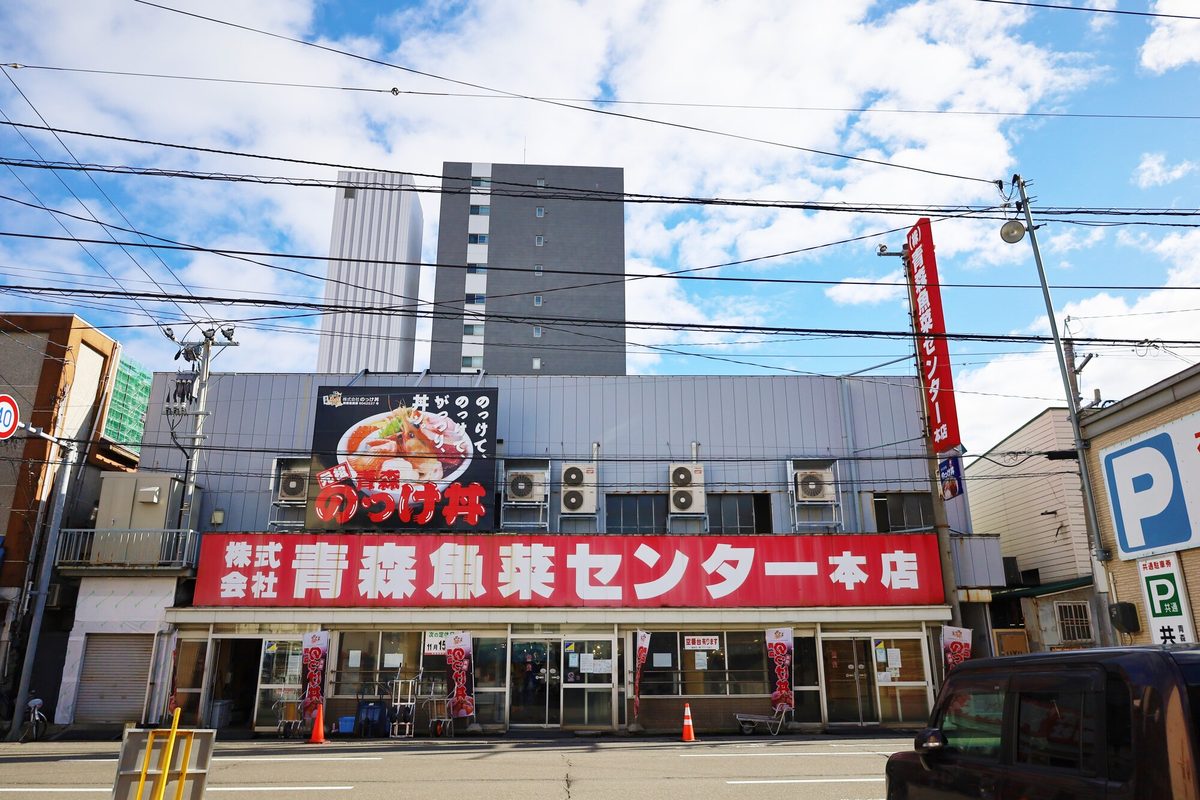
Aomori Gyosai Center (Furukawa Fish Market)
A working market a short walk from Aomori Station where the signature experience is nokkedon — a bowl of rice topped with sashimi you choose yourself from stalls selling tickets by the slice. Scallops from Mutsu Bay, tuna, sea urchin and squid are local specialties. The market opens early and fills with locals and travellers grabbing breakfast before trains and ferries.
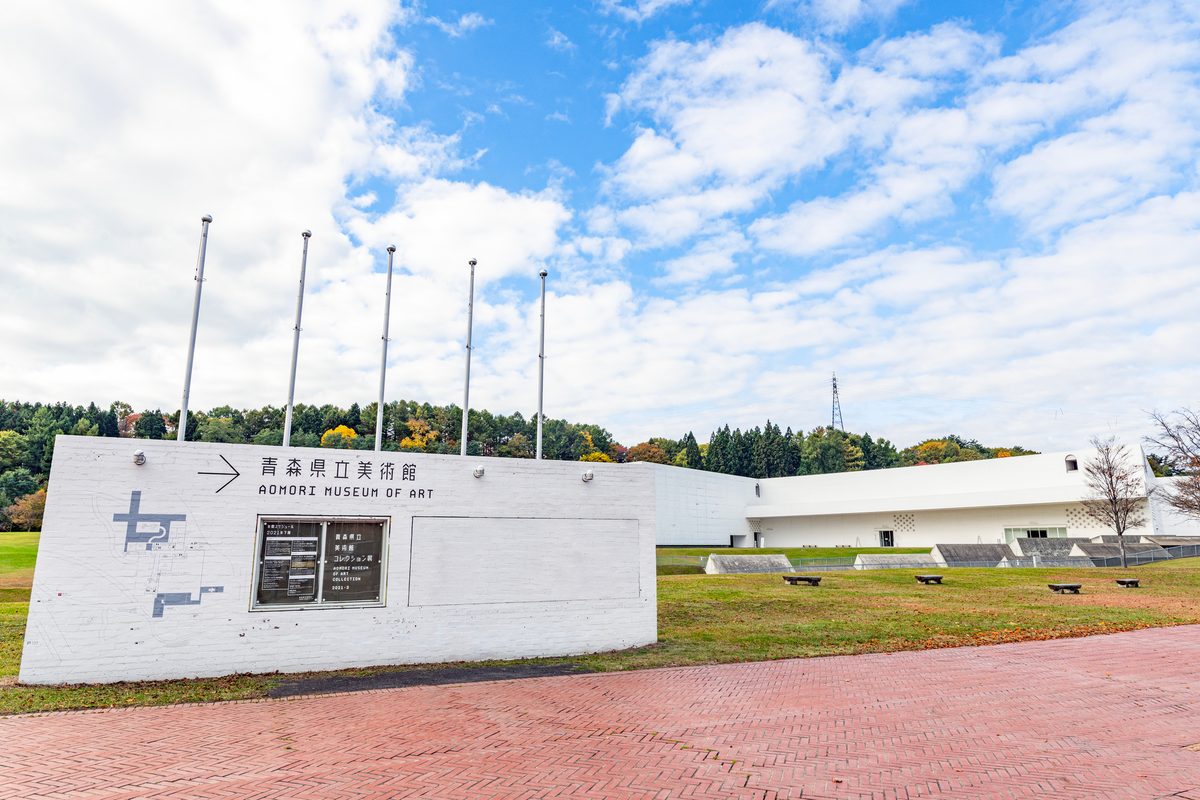
Aomori Museum of Art
A striking contemporary museum on Aomori Bay designed by Jun Aoki, known for its tall, light-filled atrium and major holdings of Marc Chagall — including stage backdrops for ballet that rank among the largest Chagall works on public display outside Russia. The collection also features works by local artists and rotating exhibitions of modern Japanese art. The building itself, with its white geometric facade, has become a symbol of the city alongside the Nebuta Museum.
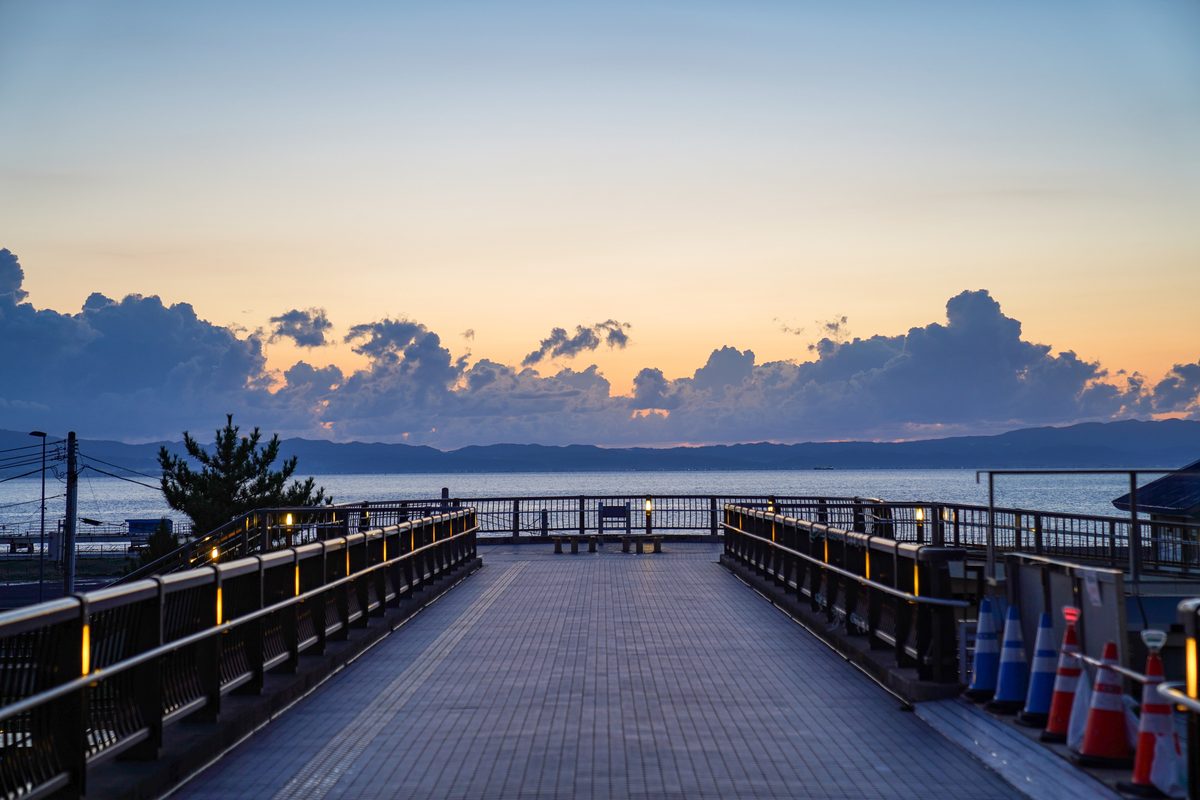
Asamushi Onsen
A historic hot-spring village on Mutsu Bay northeast of Aomori City, where ryokan and day-use baths line a quiet coast of pine and tidal flats. The water is mild and said to be gentle on the skin. Small aquarium and walking paths along the shore make it a relaxed half-day escape from the city without heading as far as Shimokita.