
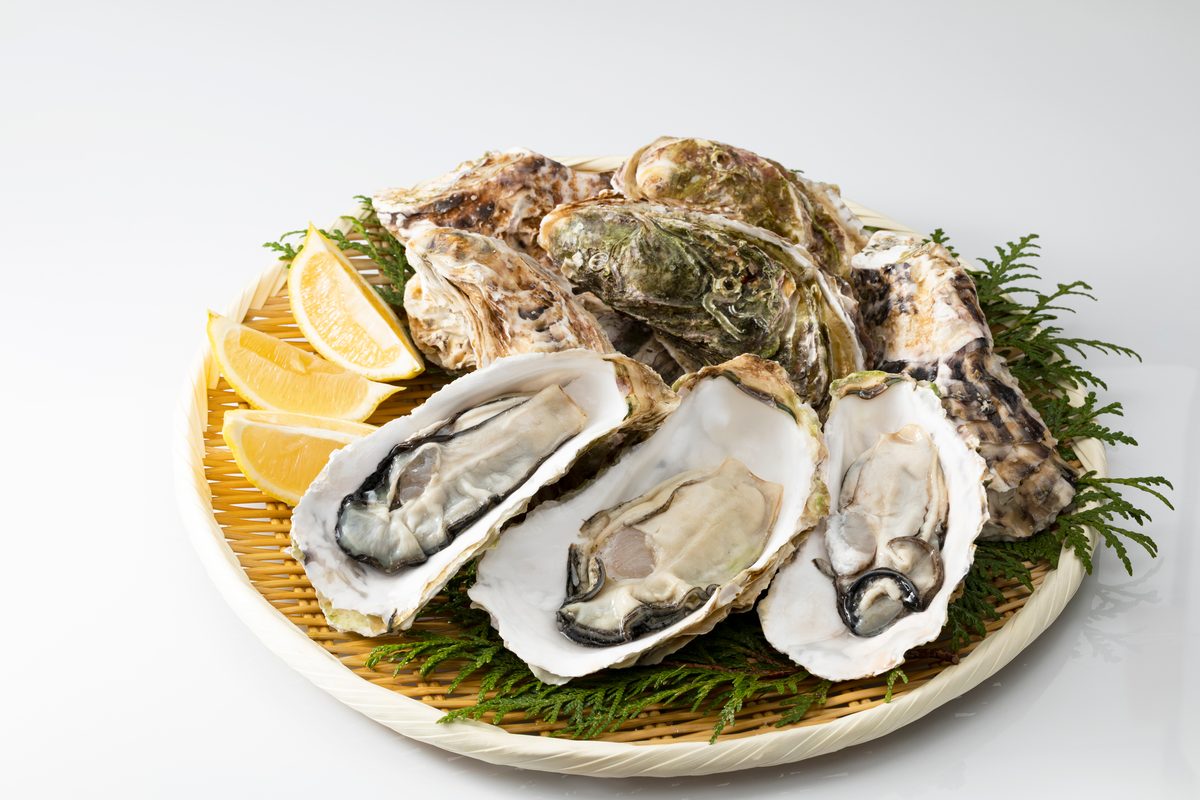
Hiroshima Oyster Experience
Hiroshima produces 60% of Japan's oysters — the Seto Inland Sea's nutrient-rich currents grow them fat and briny. Hire a grill at a waterfront shack in Miyajima or Etajima, eat them charcoal-grilled with lemon, or raw over rice.
1–3 hours
Varies by restaurant
Oyster restaurants: typically 11:00–14:00 and 17:00–22:00; oyster shacks near Miyajima open from late morning
autumn,winter
Various — Miyajima island has multiple oyster restaurants reachable by ferry
Location
Why Visit
- 1
World-class oysters — three times larger than Pacific average
- 2
Grill-your-own oyster huts on the waterfront (Oct–Apr)
- 3
Hiroshima-style oyster okonomiyaki layered with flat noodles
- 4
Farm boat tours show the cultivation process up close
Local Tips
Hiroshima produces 60% of Japan's oysters — the size and richness far exceeds what you find elsewhere. Kaki-ya near Hiroshima Station and the oyster shacks at Miyajima's ropeway base are the best casual options. Oyster season peaks November–February when the water is coldest and the oysters fattest. Even if visiting in summer, the cooked preparations (grilled, fried) remain excellent.
Add to your AI itinerary
Let AI build a multi-day trip around this spot.
Advertisement
More in Hiroshima
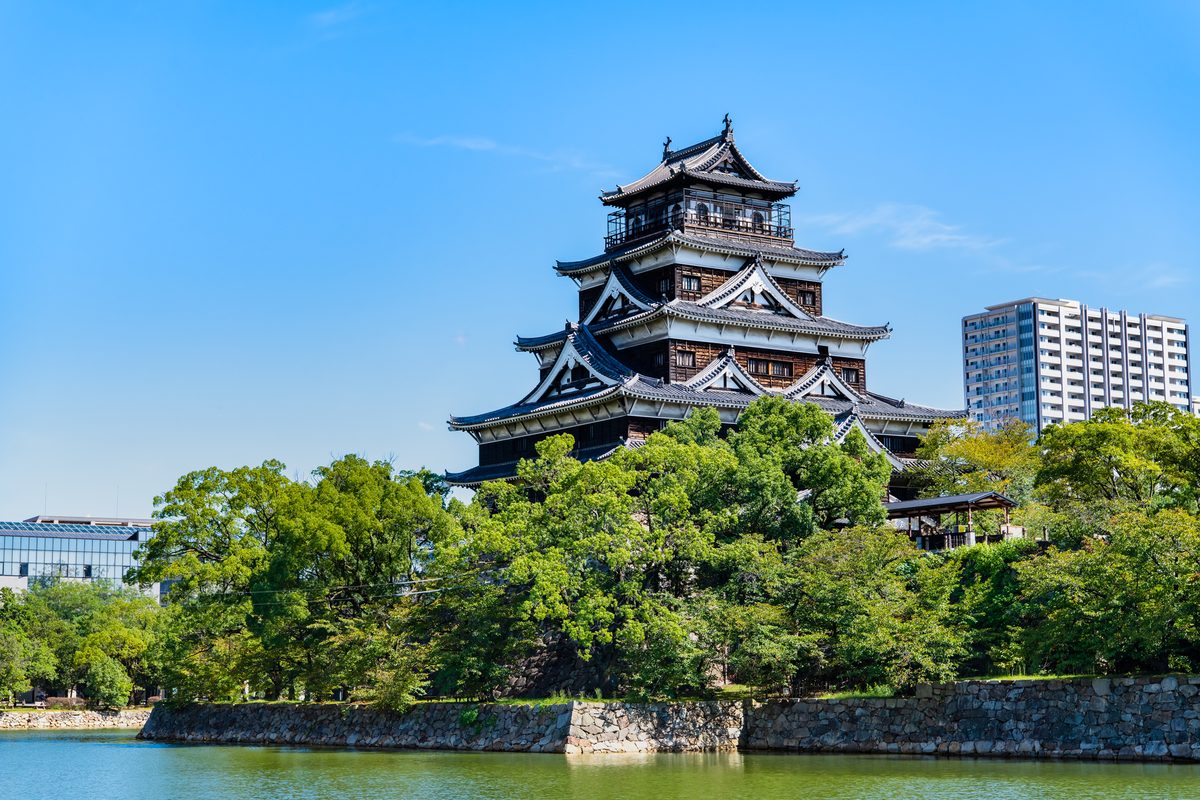
Hiroshima Castle
Rebuilt in 1958 after the atomic bomb destroyed the original, Hiroshima Castle offers exhibits on samurai life and the city's reconstruction. The surrounding moat park is one of Hiroshima's best cherry blossom destinations.
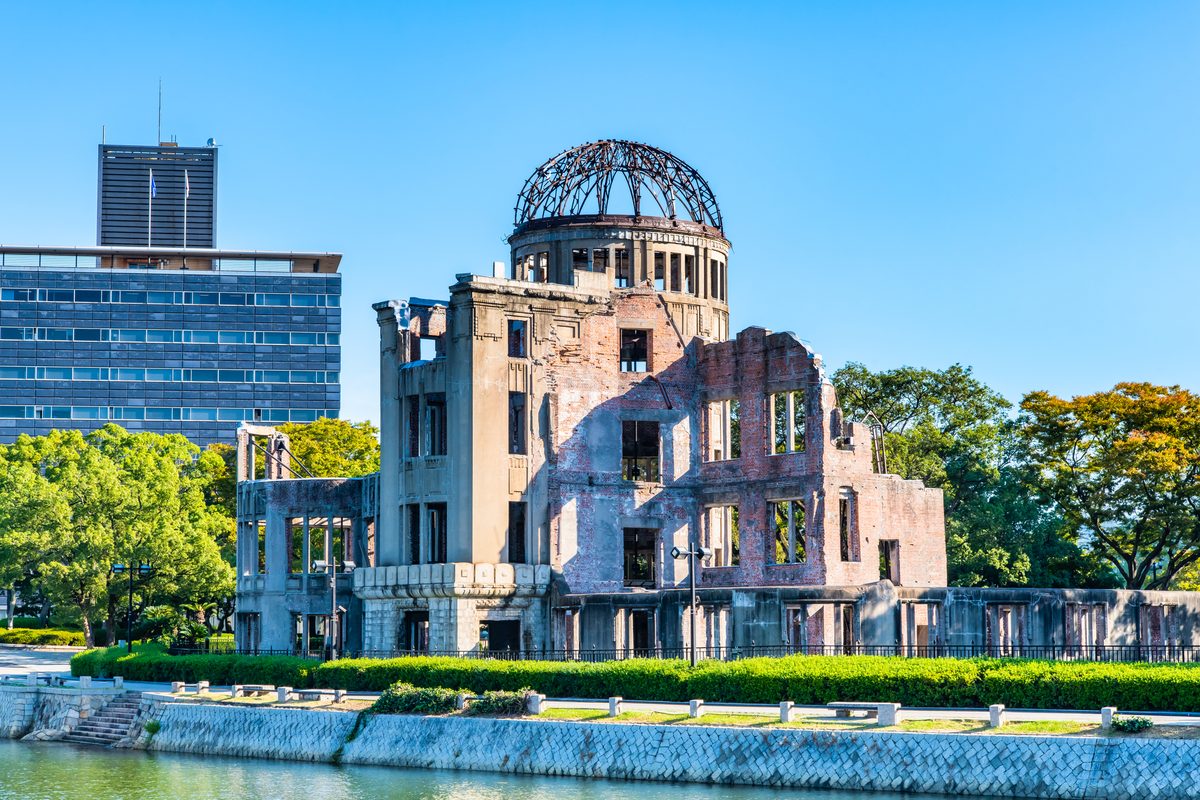
Hiroshima Peace Memorial (A-Bomb Dome)
The only structure left standing near the epicenter of the world's first atomic bomb attack on August 6, 1945. Left deliberately unrestored as a permanent witness and a plea for its non-repetition. UNESCO World Heritage Site.
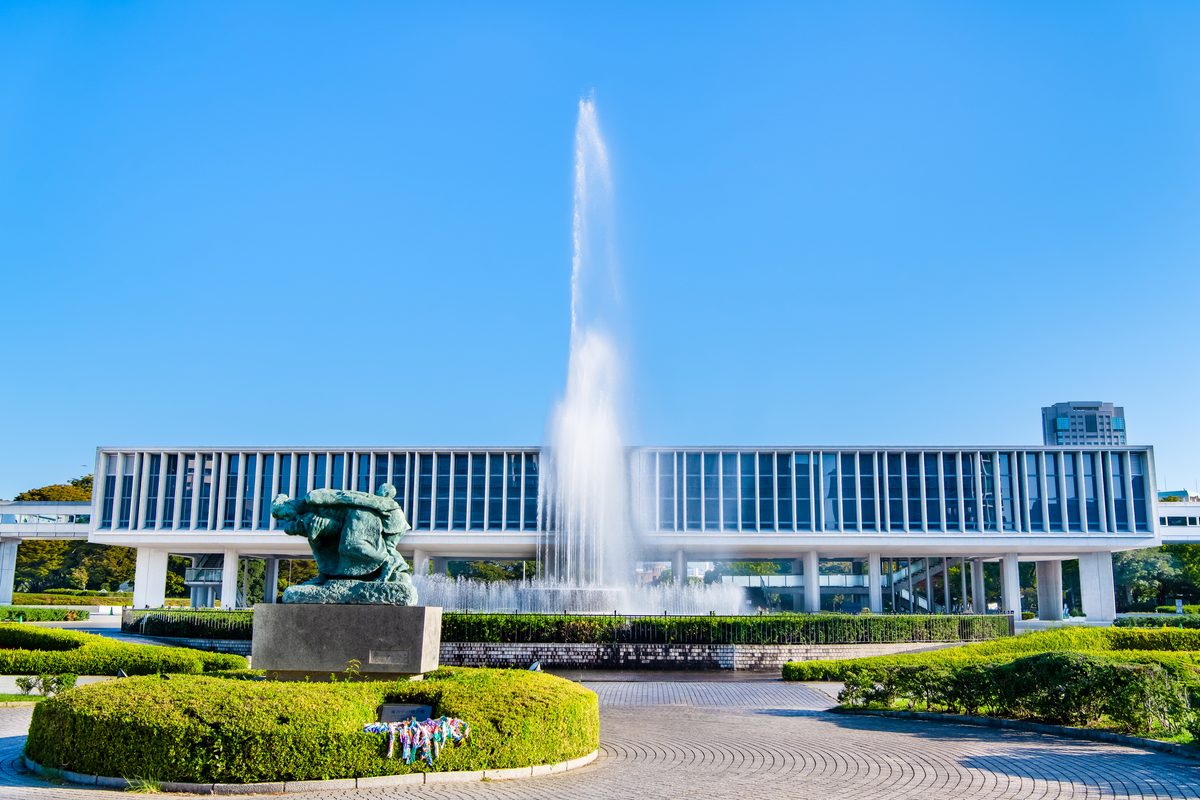
Hiroshima Peace Memorial Museum
An unflinching examination of August 6, 1945 and its aftermath — personal effects of victims, charred lunchboxes, melted glass, and shadows burned into stone. One of the world's most important museums and a transformative experience.