
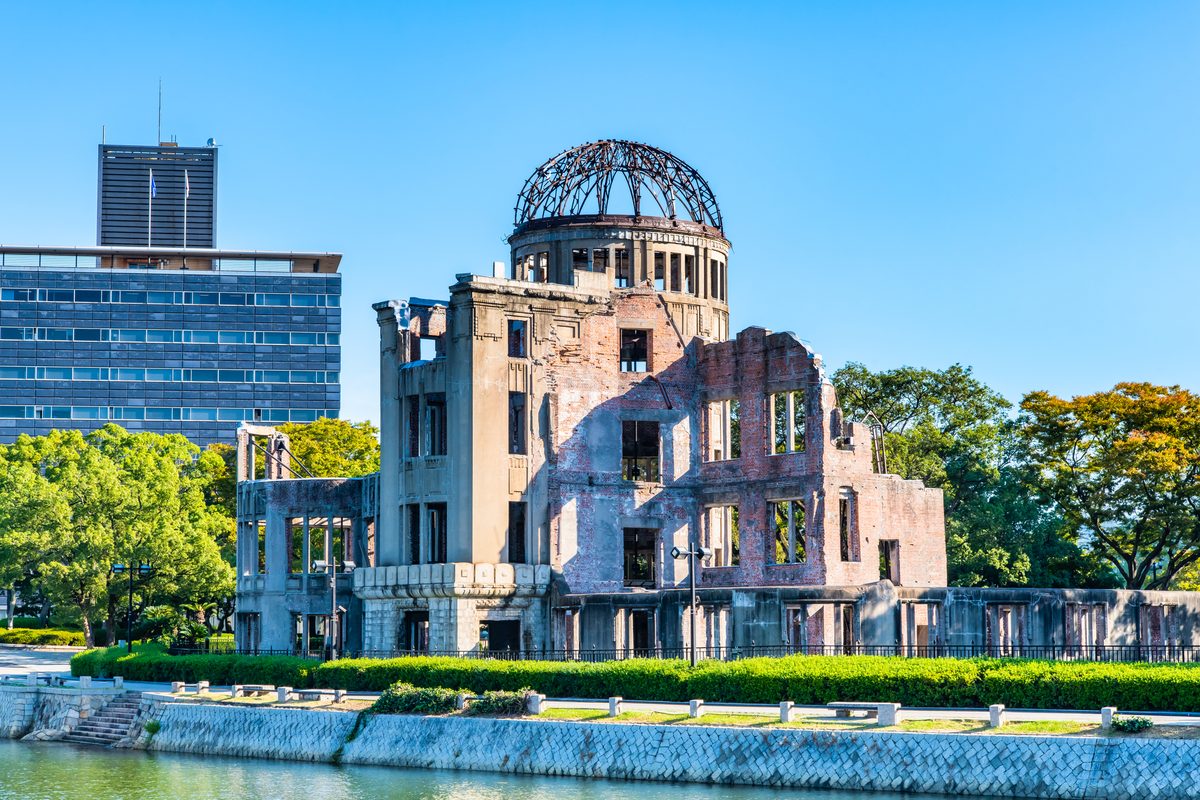
Hiroshima Peace Memorial (A-Bomb Dome)
The only structure left standing near the epicenter of the world's first atomic bomb attack on August 6, 1945. Left deliberately unrestored as a permanent witness and a plea for its non-repetition. UNESCO World Heritage Site.
30–60 min
Free (exterior)
Always open (outdoor monument)
year-round
Tram Line 2 or 6 from Hiroshima Station to Genbaku Dome-mae (approx. 25 min per official); then short walk to the dome
Location
Why Visit
- 1
UNESCO World Heritage Site — the most powerful peace symbol in Asia
- 2
Preserved exactly as the atomic blast left it
- 3
Across the river from the Peace Memorial Museum
- 4
The Peace Flame has burned continuously since 1964
Local Tips
The A-Bomb Dome is most affecting early in the morning before tour groups arrive — stand quietly and let the scale of what happened register. The dome is directly on the Motoyasu River; the view from the Aioi Bridge (the actual bomb aiming point) adds a further dimension. Cross the river to Peace Memorial Park immediately after.
Add to your AI itinerary
Let AI build a multi-day trip around this spot.
Advertisement
More in Hiroshima
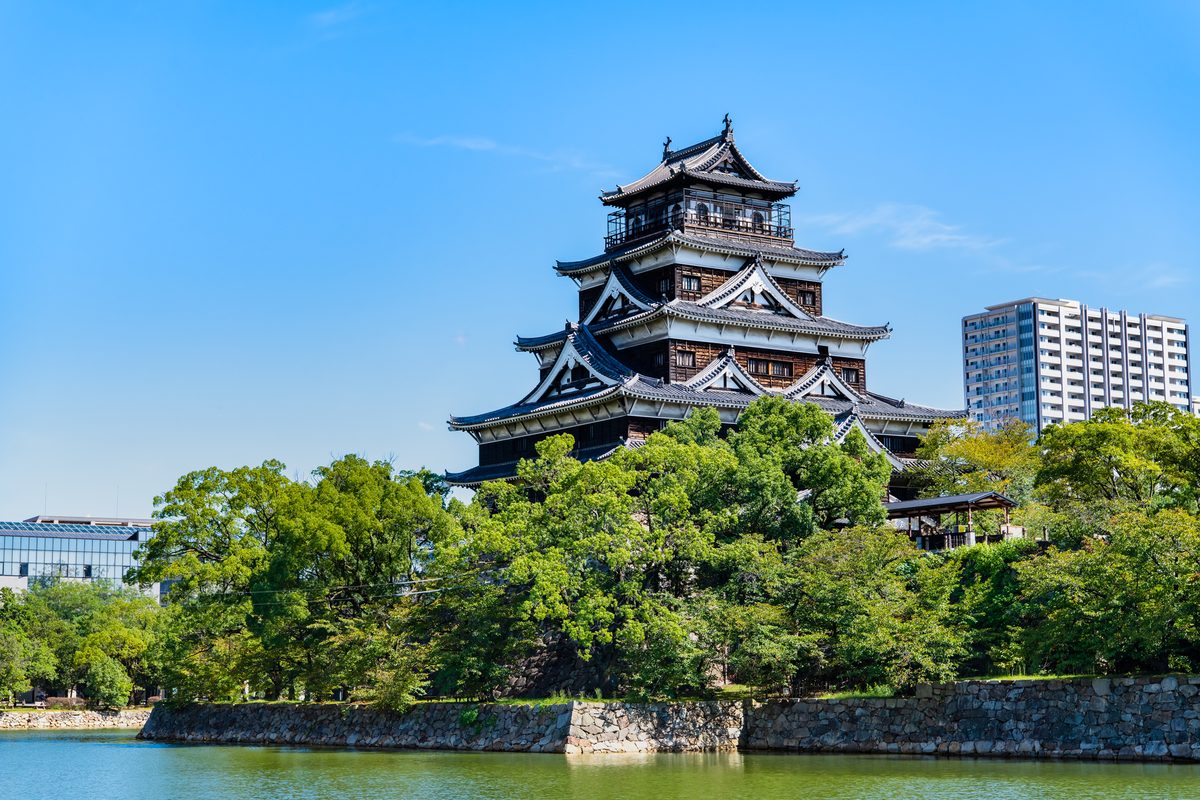
Hiroshima Castle
Rebuilt in 1958 after the atomic bomb destroyed the original, Hiroshima Castle offers exhibits on samurai life and the city's reconstruction. The surrounding moat park is one of Hiroshima's best cherry blossom destinations.

Hiroshima Oyster Experience
Hiroshima produces 60% of Japan's oysters — the Seto Inland Sea's nutrient-rich currents grow them fat and briny. Hire a grill at a waterfront shack in Miyajima or Etajima, eat them charcoal-grilled with lemon, or raw over rice.
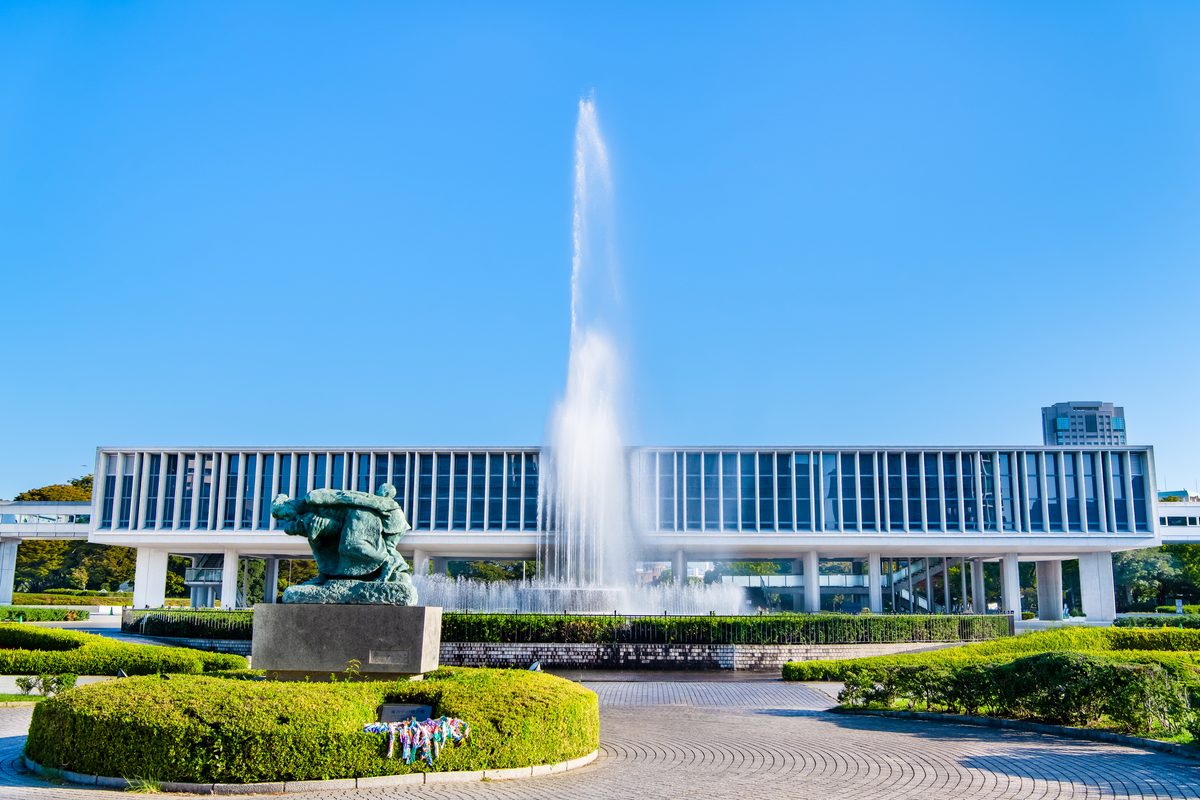
Hiroshima Peace Memorial Museum
An unflinching examination of August 6, 1945 and its aftermath — personal effects of victims, charred lunchboxes, melted glass, and shadows burned into stone. One of the world's most important museums and a transformative experience.