
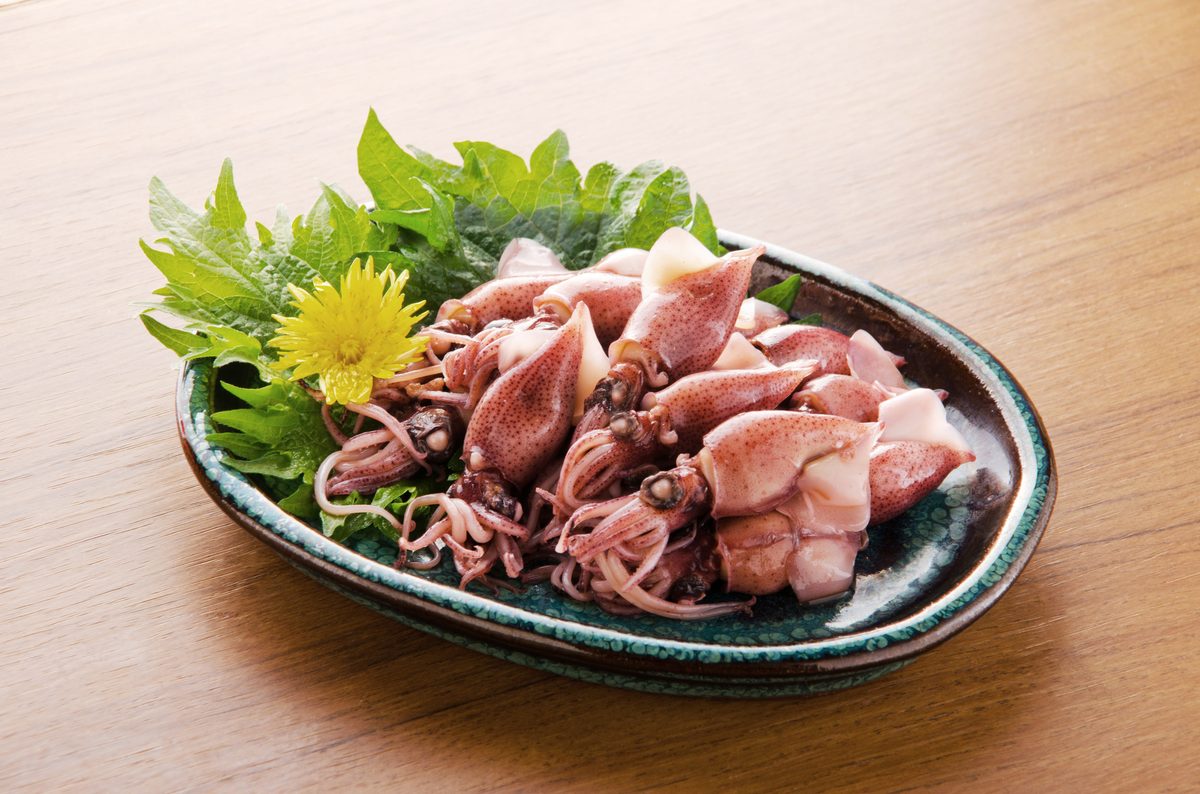
Hotaruika — Firefly Squid Season
Every spring (March–June), Toyama Bay hosts the world's largest aggregation of hotaruika (firefly squid) — bioluminescent squid that glow blue while spawning in shallow water at dawn. The Namerikawa coast dawn spectacle is one of Japan's most extraordinary natural phenomena, and the fresh firefly squid served same-morning at local restaurants is impossible to find anywhere else.
2–3 hours (pre-dawn departure)
Museum ¥820 (Mar 20–May 31), ¥620 (Jun 1–Mar 19)
Museum: 9:00–17:00; shore viewing of wild squid: March–May, best at night during high tide
Late March–late May (peak April)
Namerikawa Station on Toyama Chiho Railway (from Toyama, 25 min)
Location
Why Visit
- 1
Millions of glowing blue squid visible from shore at dawn — one of Japan's rarest natural phenomena
- 2
Sashimi and shabu-shabu of same-morning caught hotaruika served at Namerikawa harbour restaurants
- 3
The Hotaruika Museum has a live tank of glowing squid in complete darkness
Local Tips
The firefly squid (hotaruika) season runs March through May when millions wash ashore bioluminescent at night. The best shore viewing is at Namerikawa Port — arrive at high tide (check the Toyama tide table) between midnight and 4am. The Hotaruika Museum in Namerikawa has excellent specimens year-round. Spring sashimi of raw firefly squid is a Toyama delicacy.
Add to your AI itinerary
Let AI build a multi-day trip around this spot.
Advertisement
More in Toyama
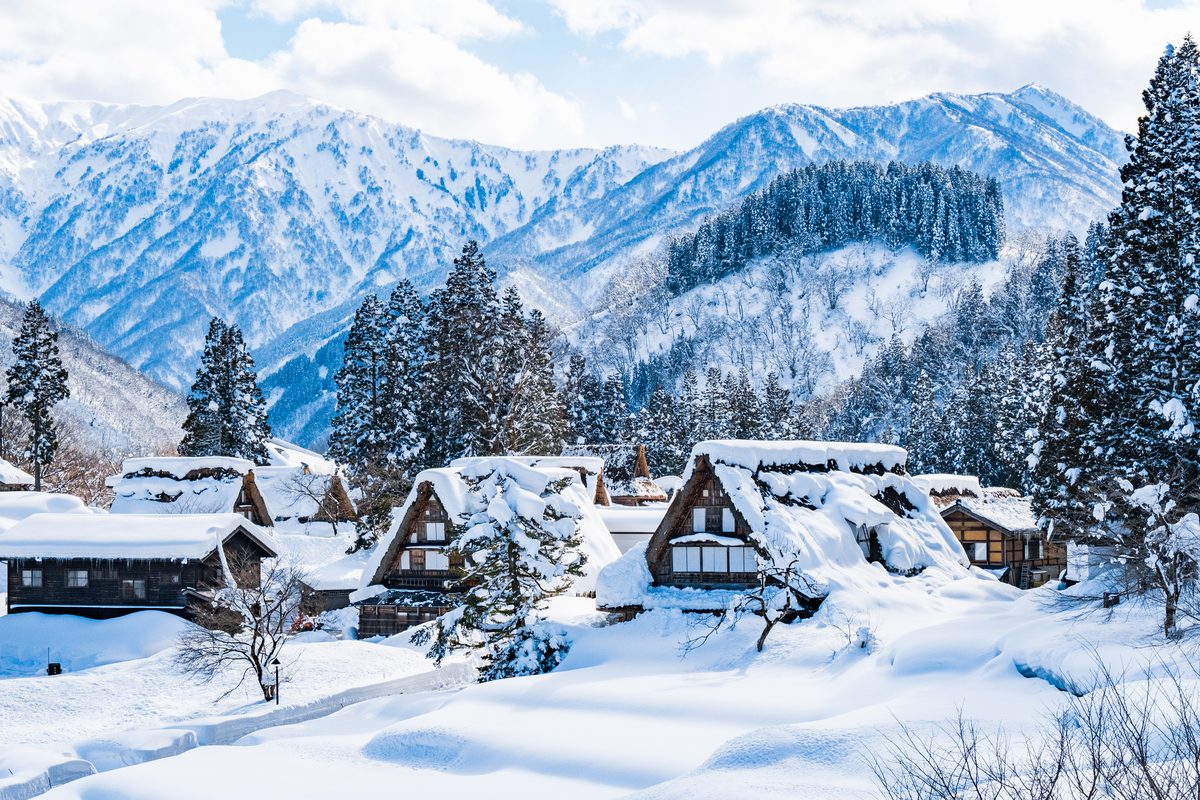
Gokayama — Ainokura Village
A UNESCO World Heritage village of gassho-zukuri thatched farmhouses — sister designation to nearby Shirakawa-go but even more remote and almost entirely tourist-free on weekdays. The Ainokura hamlet of 20 farmhouses sits in a narrow mountain valley with no convenience stores or chain restaurants — a genuine time capsule of mountain life.
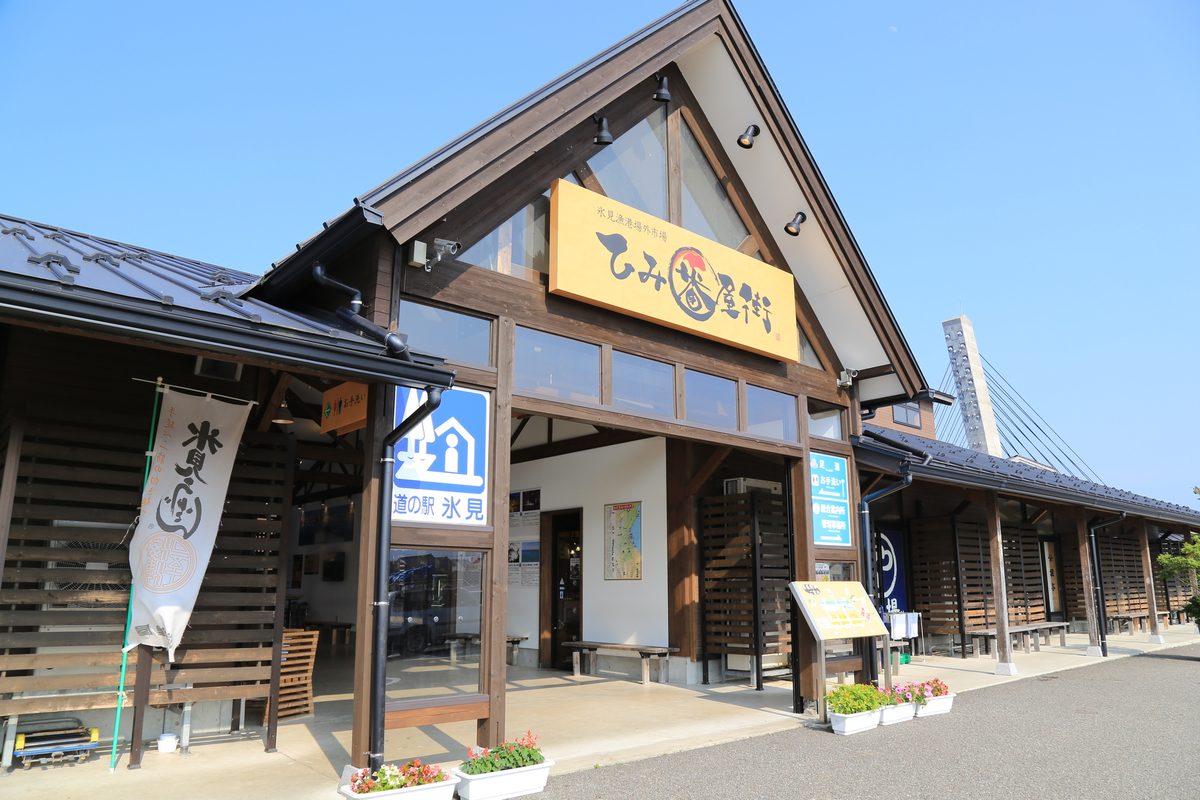
Himi Fisherman's Wharf
Himi is Japan's most celebrated fishing port for buri (wild yellowtail tuna) — the cold winter buri from Toyama Bay, fed on rich upwelling nutrients, are prized above all others. The Icchome Ichiba market beside the harbour serves buri shabu-shabu, crab, and fresh shiro-ebi in a glass building overlooking the Tateyama mountain range and the sea simultaneously.
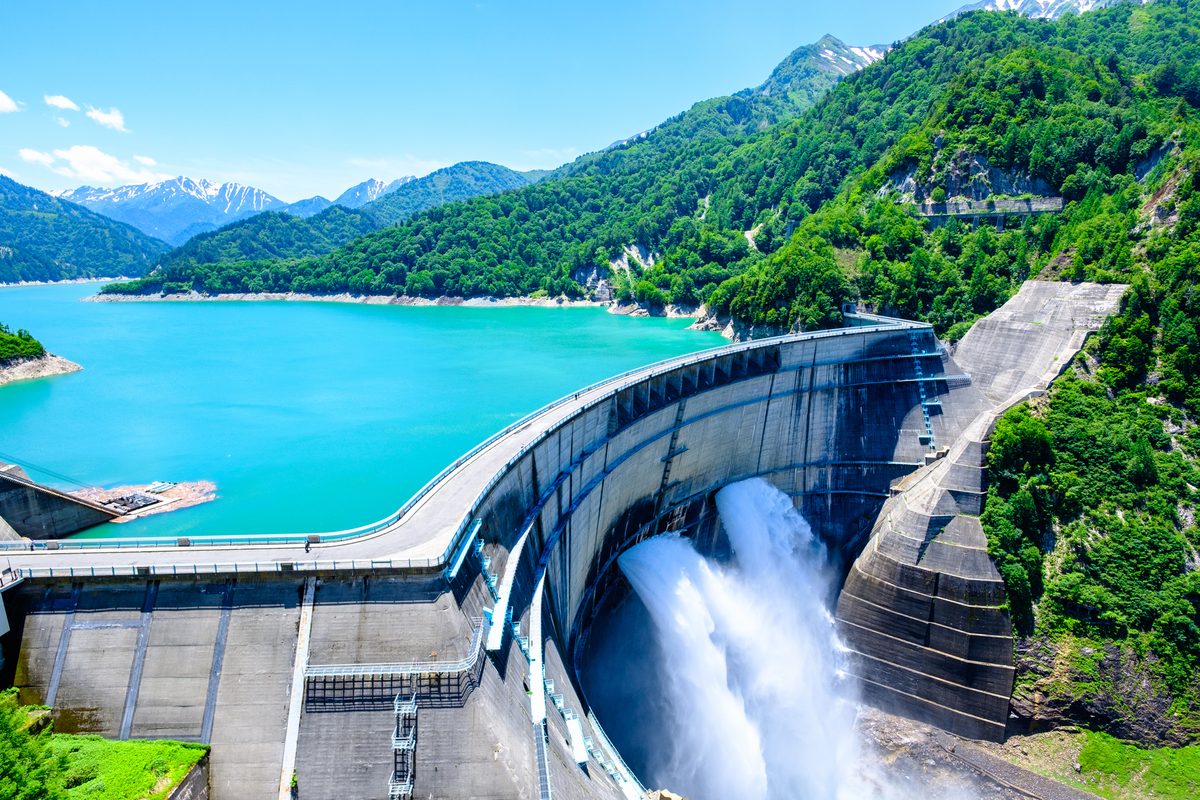
Kurobe Dam
Japan's largest dam — 186 metres tall and 492 metres wide, built between 1956–1963 at enormous human cost (171 workers died) in the heart of the Tateyama-Kurobe Alpine Route. The dam discharge in summer (late June–mid-October) is an extraordinary spectacle: 15 tonnes of water per second arching from the face. The turquoise Kurobe Lake behind it stretches 6km into the Alps.