
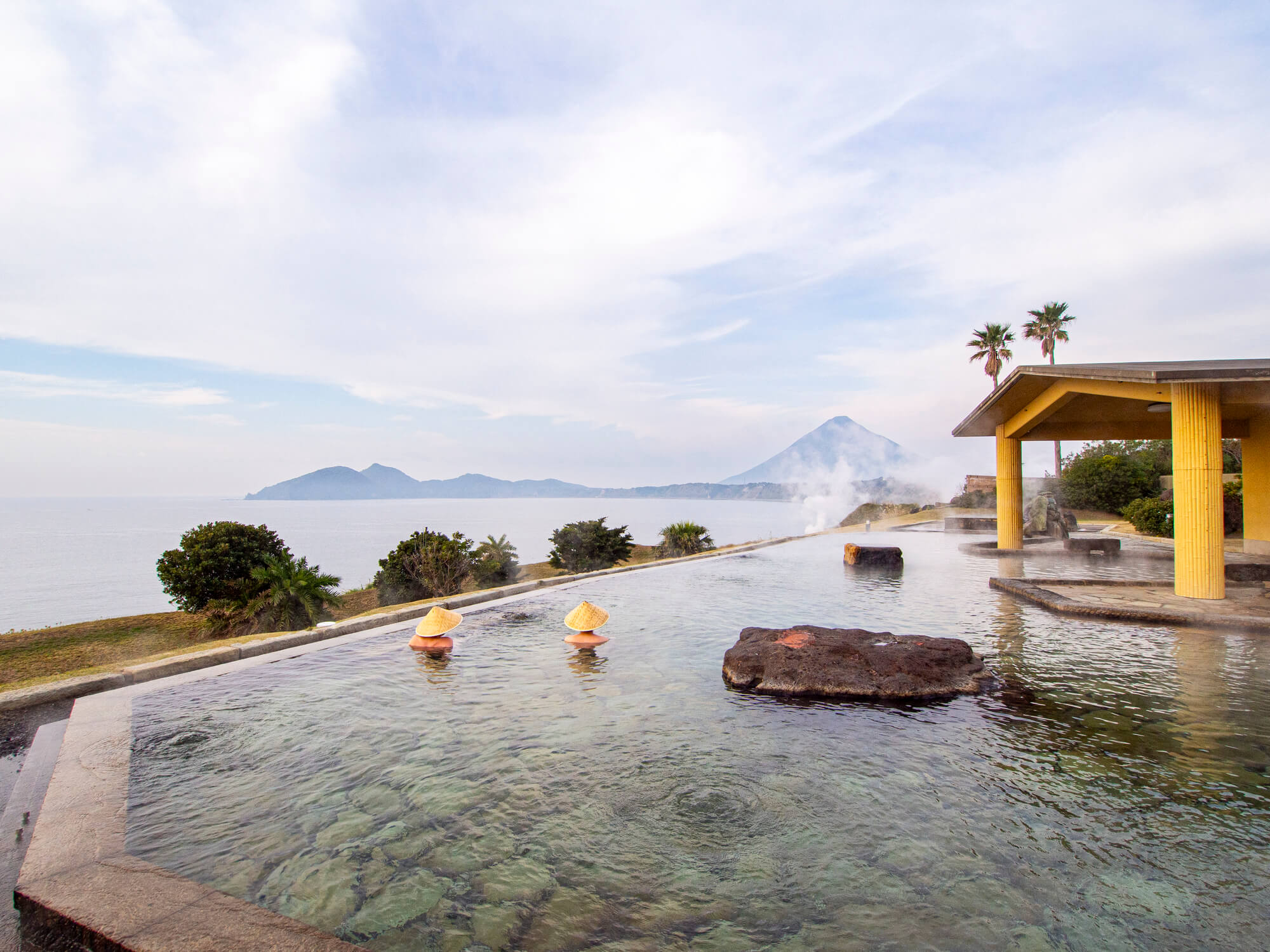
Ibusuki Sand Baths
The world's only natural geothermal sand bath. Attendants bury you in volcanic black sand heated by underground hot springs to 50°C as the ocean laps a few metres away.
1–1.5 hours
¥1,500 adults (sand bath, includes rental yukata); ¥2,000 during peak periods (e.g. GW, Aug 10–15, year-end). As of Oct 2024
Saraku (sand bath facility): 8:30–21:00 (last entry 20:30) on weekends/holidays; weekdays 8:30–12:00 and 13:00–21:00. Open year-round; check for occasional maintenance closures (Jul, Dec).
Year-round
Limited express Ibusuki-no-Tamatebako from Kagoshima-Chuo (about 50 min) to Ibusuki Station, then about 20 min walk or about 5 min by bus to Saraku
Location
Why Visit
- 1
10–15 minutes buried is the standard — sweat pours out immediately
- 2
The facility provides cotton yukatas; wear nothing underneath for the full experience
- 3
Afterward soak in the adjacent indoor onsen baths to rinse off the black sand
Local Tips
The natural geothermally heated sand baths are unique to Ibusuki — attendants bury you up to the neck in warm black sand. The sensation is deeply relaxing and very different from water onsen. Sessions last about 10 minutes; shower and indoor bath facilities included. Come early on weekends as wait times can exceed an hour.
Add to your AI itinerary
Let AI build a multi-day trip around this spot.
Advertisement
More in Kagoshima
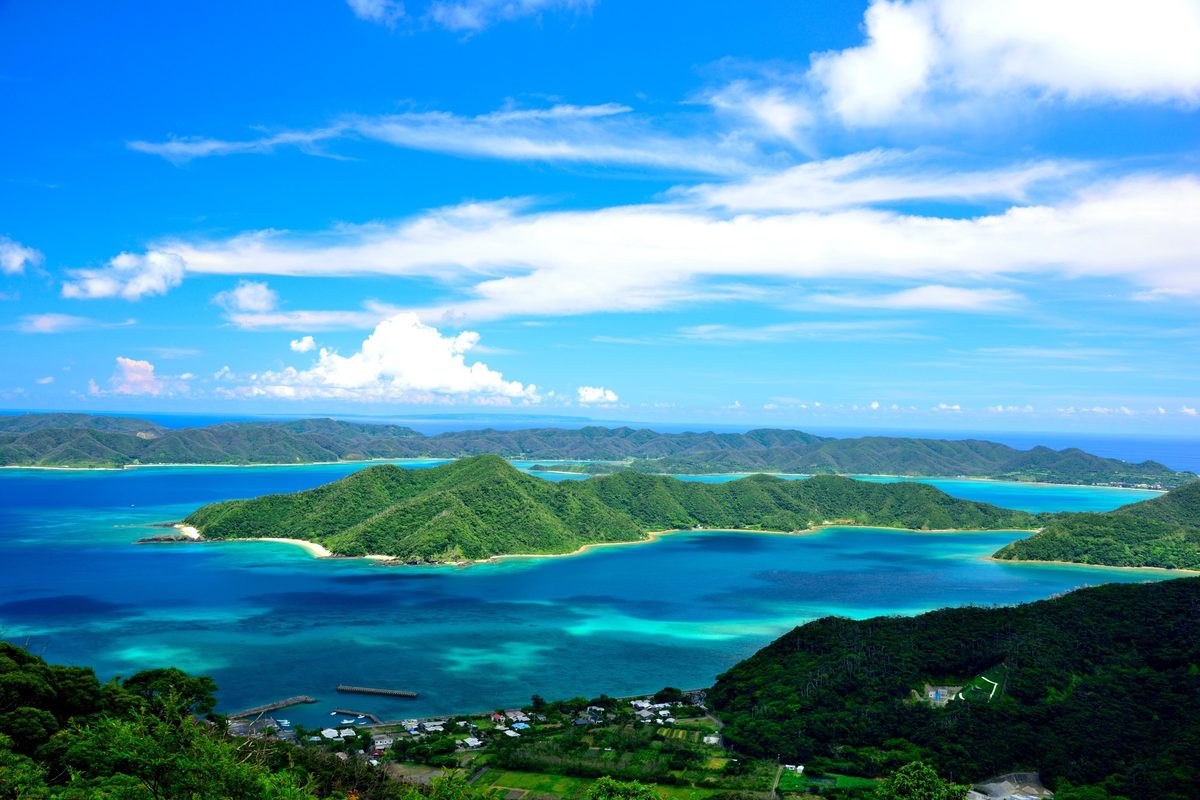
Amami Oshima
A subtropical island midway between Kyushu and Okinawa with UNESCO World Heritage rainforest, mangrove kayaking, and some of the clearest sea in Japan. Amami has its own distinct culture — different music, food, and weaving tradition (Oshima Tsumugi silk) — and far fewer foreign visitors than Okinawa.
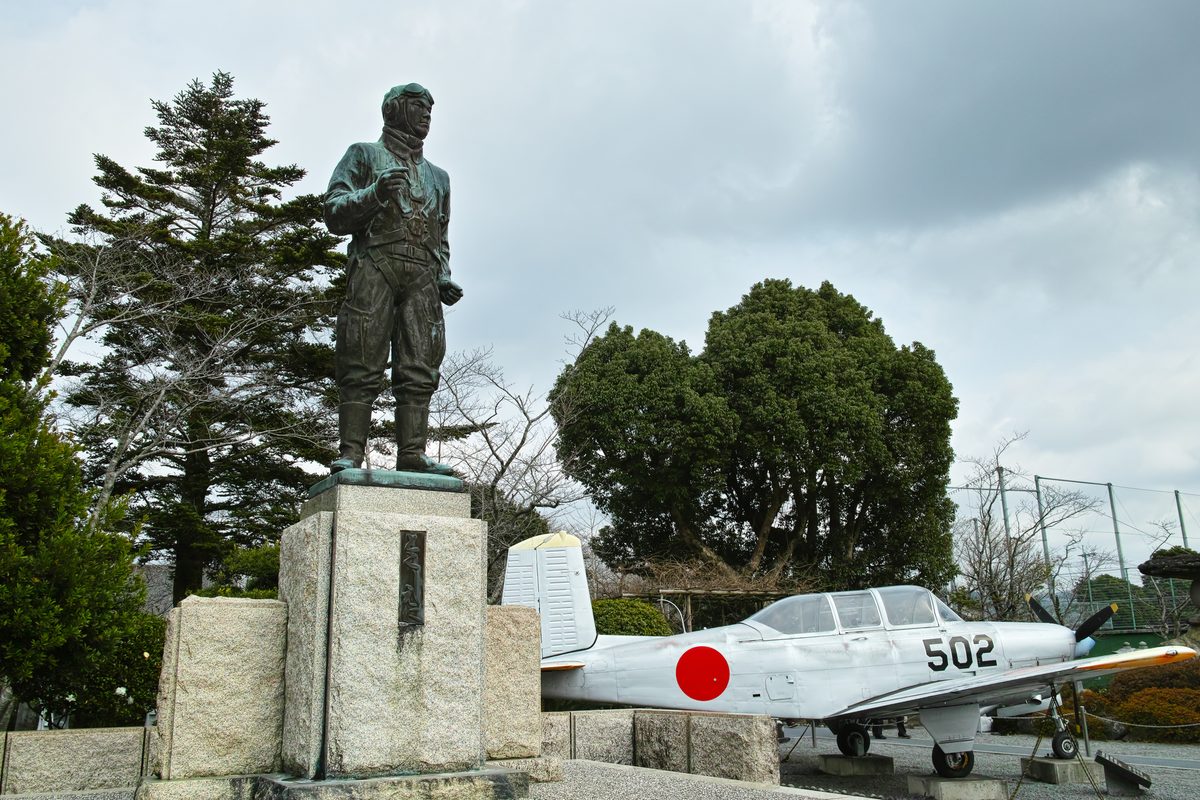
Chiran Peace Museum for Kamikaze Pilots
The most humanizing war museum in Japan. Chiran was a major kamikaze base — 1,036 young pilots departed from here for their final missions in 1945. The museum preserves their handwritten farewell letters (many expressing love for family, not ideology), personal photographs, and the Zero fighters they flew. Profoundly moving regardless of background.
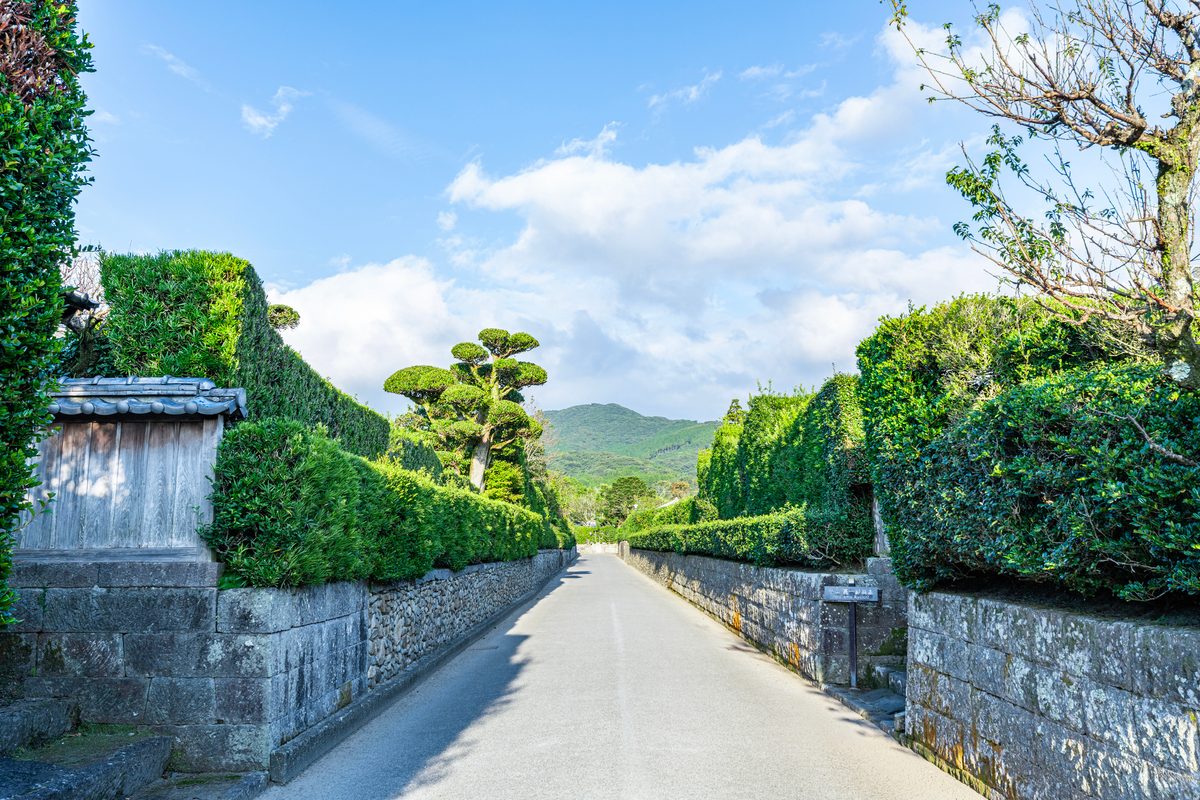
Chiran Samurai Residence District
Seven perfectly preserved samurai residences with stone-walled gardens in the "Little Kyoto of Satsuma." Each garden is a distinct masterwork of Japanese landscape design — rock arrangements, clipped hedges, and borrowed scenery using Chiran's forested mountains. The moss-covered stone walls along the approach lane are among the most photogenic in all of Japan.