
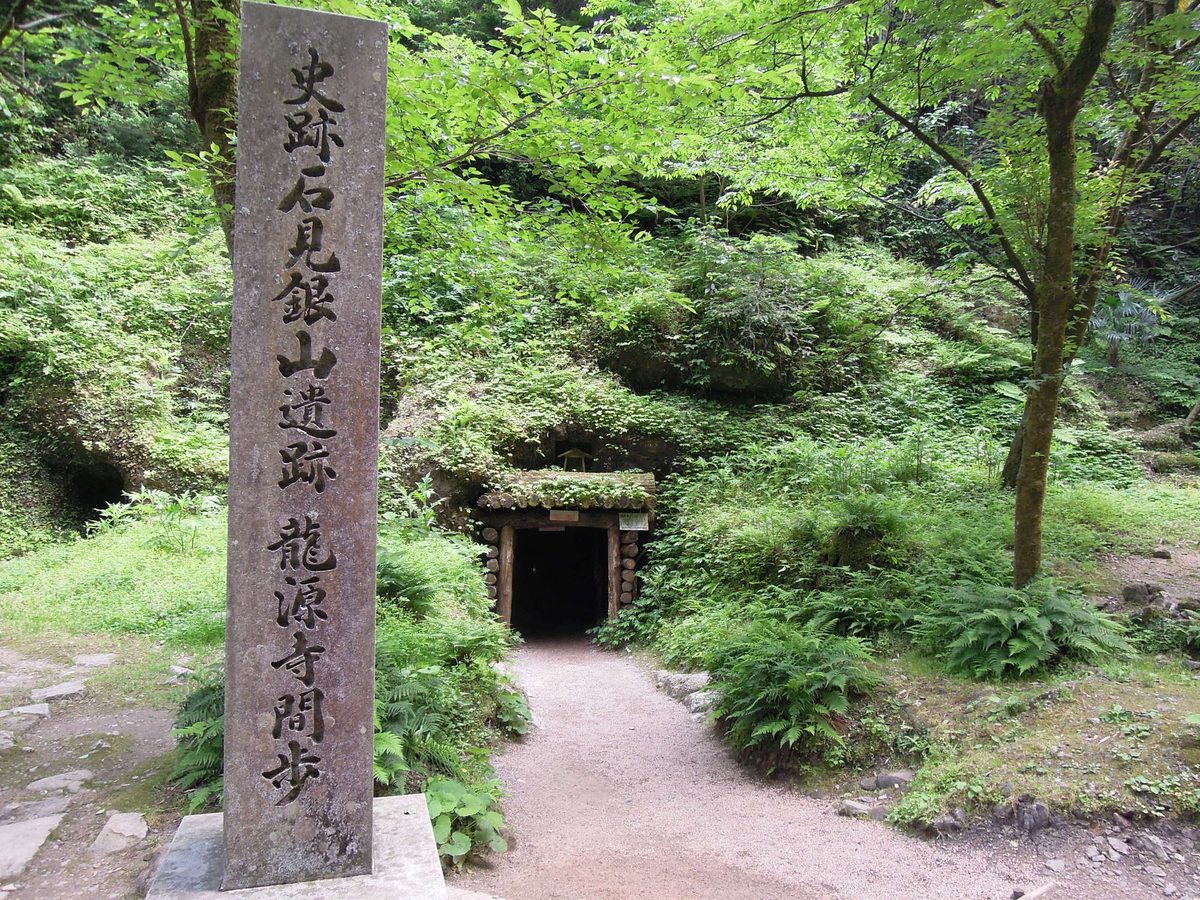
Iwami Ginzan Silver Mine
A UNESCO World Heritage mining town that once produced a third of the world's silver. Forest-covered mine tunnels, a preserved merchant town, and mountain temples create a quietly haunting atmosphere.
Half–full day
Town free; Ryūgenji tunnel (mine) ¥500 (adult), ¥250 (junior high & elementary). As of Apr 2024
Town always accessible. Ryugenji Mabu tunnel: 9:00–17:00 (Mar–Nov, last entry 16:50), 9:00–16:00 (Dec–Feb, last entry 15:50); closed Jan 1.
April–November
Bus from Oda-shi Station (JR), about 30 min to Omori area; limited service. Park-and-ride from World Heritage Center recommended
Location
Why Visit
- 1
Enter the original 16th-century mine tunnel — 600m navigable on foot
- 2
Omori merchant street has craft workshops and sake producers
- 3
The landscape is entirely untouched — remarkable for a major historic site
Local Tips
This UNESCO-listed silver mine produced a third of the world's silver output at its 17th-century peak. The preserved mine town (Omori) is a quiet, elegant historic streetscape. Rent a bicycle to reach the mine entrance (15 min from Omori). The small museums throughout the town add context to a genuinely impressive historical site.
Add to your AI itinerary
Let AI build a multi-day trip around this spot.
Advertisement
More in Shimane
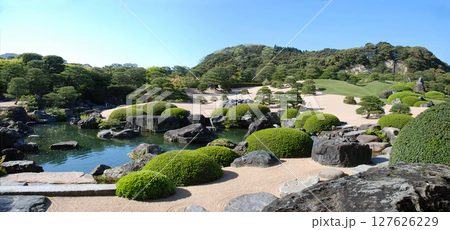
Adachi Museum of Art
Ranked Japan's best garden by the Journal of Japanese Gardening for 20 consecutive years. The 50,000m² living landscape is framed through gallery windows like painted scrolls.
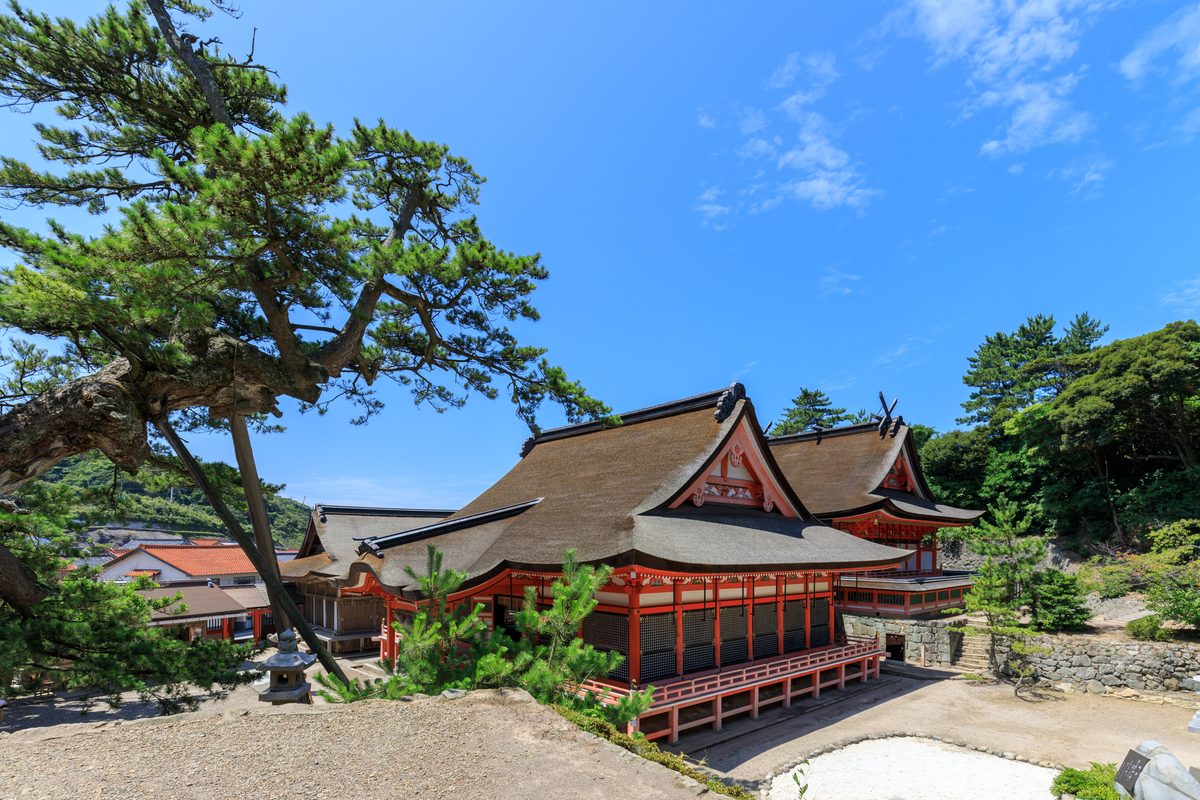
Hinomisaki Shrine & Lighthouse
A vermillion shrine complex on a wild cape — said to guard Japan from the west after sunset. A dramatic white lighthouse stands 44m above on the adjacent cliff.
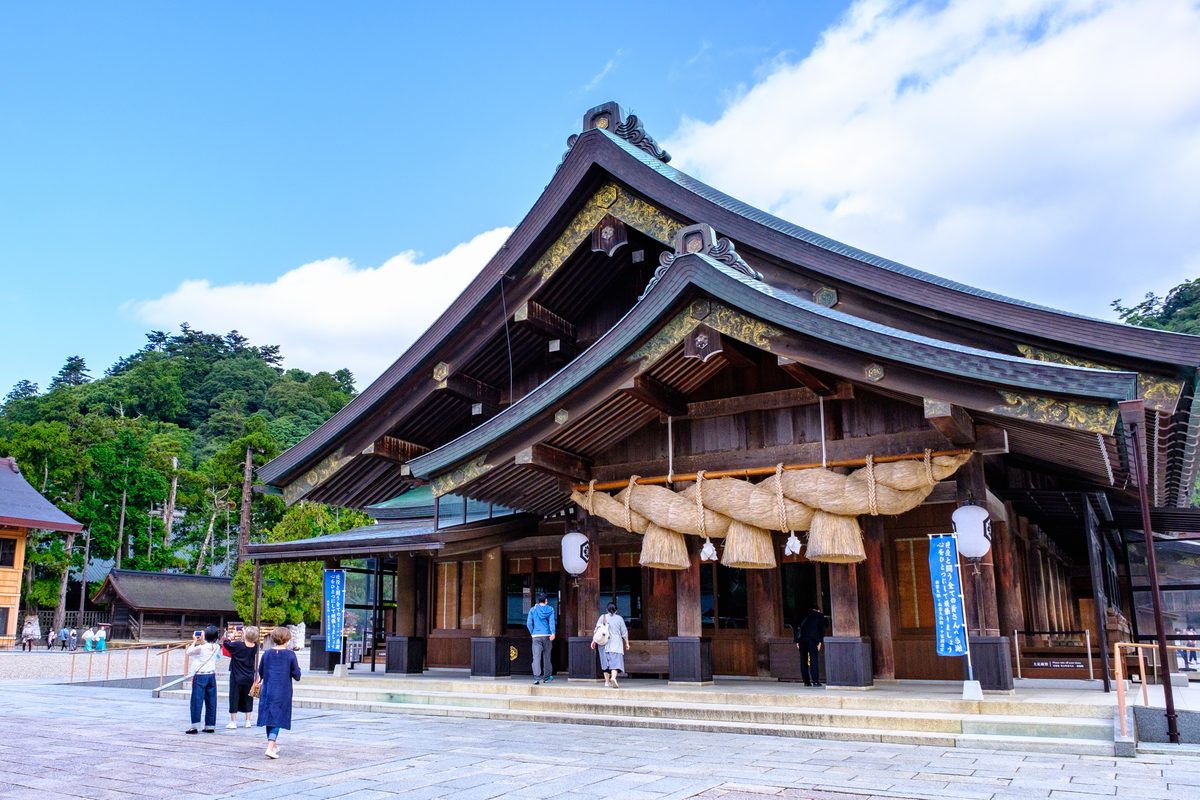
Izumo Grand Shrine
Japan's oldest and most sacred Shinto shrine — predating written history. All eight million Shinto deities are said to gather here every October to arrange marriages.