
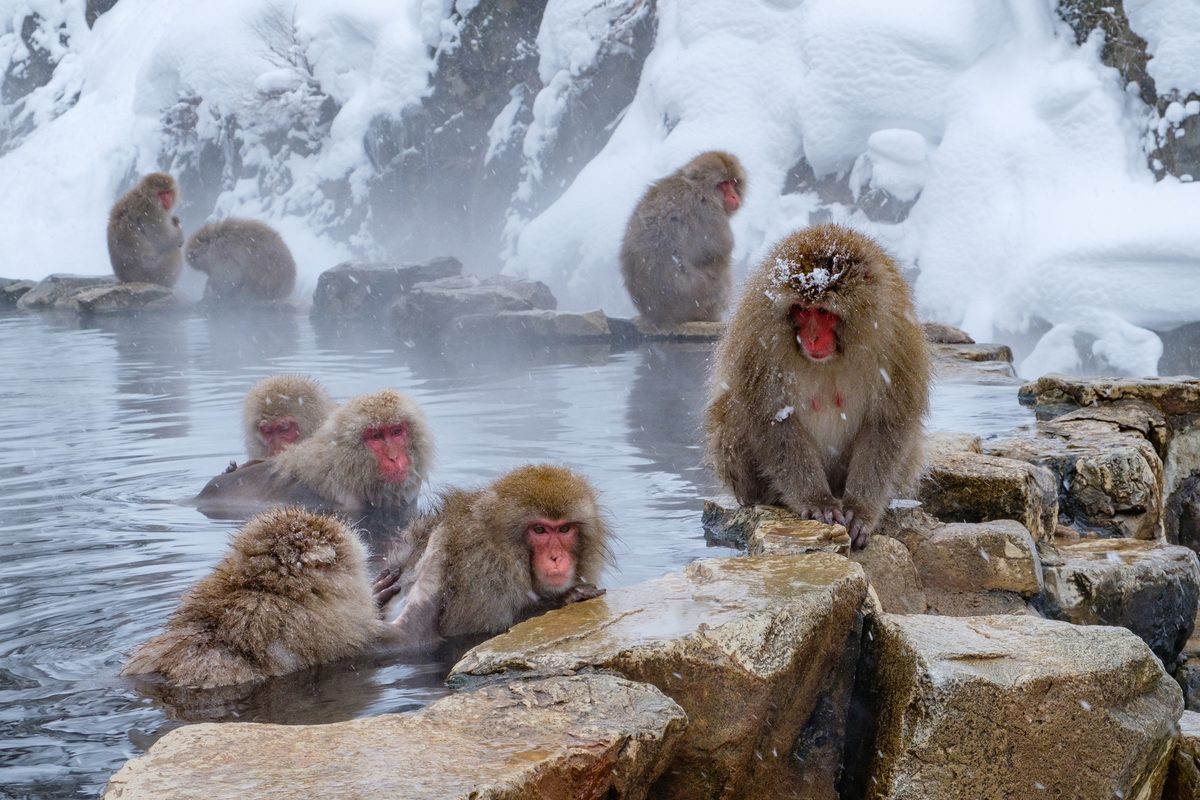
Jigokudani Monkey Park
The only place in the world where wild Japanese macaques (snow monkeys) bathe in a natural outdoor hot spring. The 30-minute forest trail approach through steam vents and deep snow heightens the surreal arrival at the thermal pool where monkeys float, groom, and sleep. Best visited on the coldest mornings when steam is thickest.
2–3 hours
¥800
Apr–Oct: 8:30–17:00; Nov–Mar: 9:00–16:00; last entry 30 min before close; access may be restricted in heavy snow Dec–Feb
November–March (snow season), Year-round (monkeys present)
Bus from Yudanaka Station to Snow Monkey Park (15 min), then 35 min walk
Location
Why Visit
- 1
Wild snow monkeys use the thermal spring from November through March — completely of their own free will
- 2
The 30-min forest trail crosses a gorge with active steam vents — the monkey pool appears suddenly through the trees
- 3
January–February offers deepest snow and most dramatic steam, with monkeys visibly warming their paws
Local Tips
The hot-spring-bathing snow monkeys are at their most photogenic December through February. The 30-minute walk from the car park through snow-covered forest is part of the experience — dress warmly. The monkeys are completely wild and unperturbed by visitors; give them space and don't make eye contact. No feeding allowed.
Add to your AI itinerary
Let AI build a multi-day trip around this spot.
Advertisement
More in Nagano
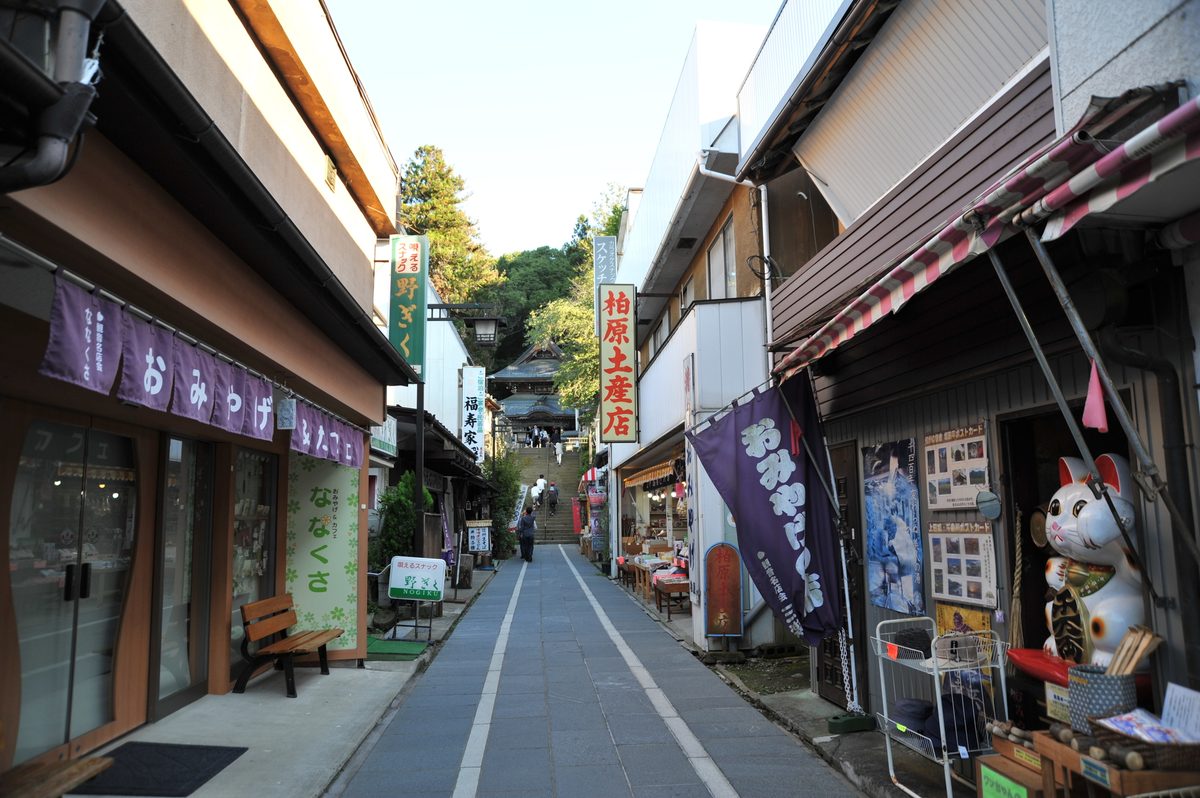
Bessho Onsen
Nagano's oldest hot spring resort and a compact cluster of Kamakura-era temples. Three free public baths dot the streets, and the Kita-Muki Kannon temple dates to 808 CE. The town is called "Little Kyoto of the Shinshu" for its atmospheric lanes and Buddhist heritage.
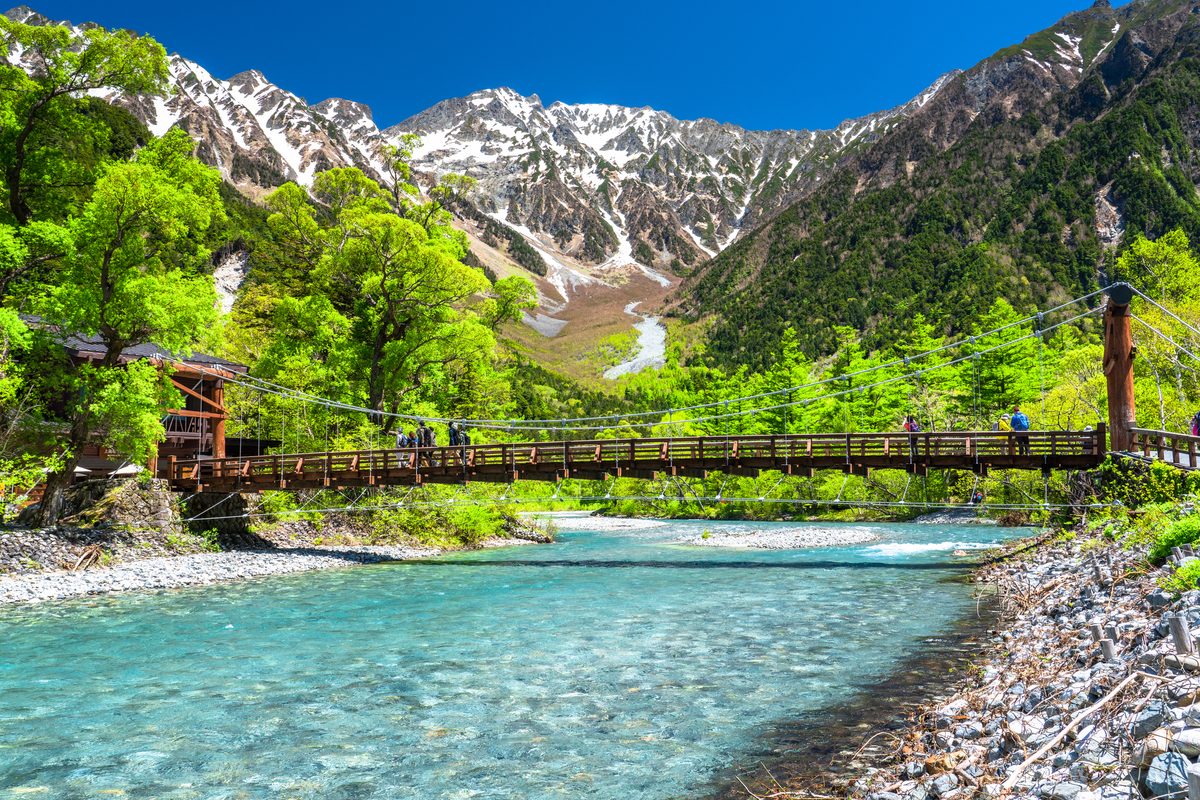
Kamikochi Alpine Valley
A pristine alpine valley at 1,500 metres, accessible only by bus or on foot (private vehicles banned since 1975), with the Azusa River winding through birch and fir forests beneath the jagged Hotaka range. The clear blue-green water of Taisho Pond reflects the volcanic Yake-dake peak. One of Japan's great wilderness walks.
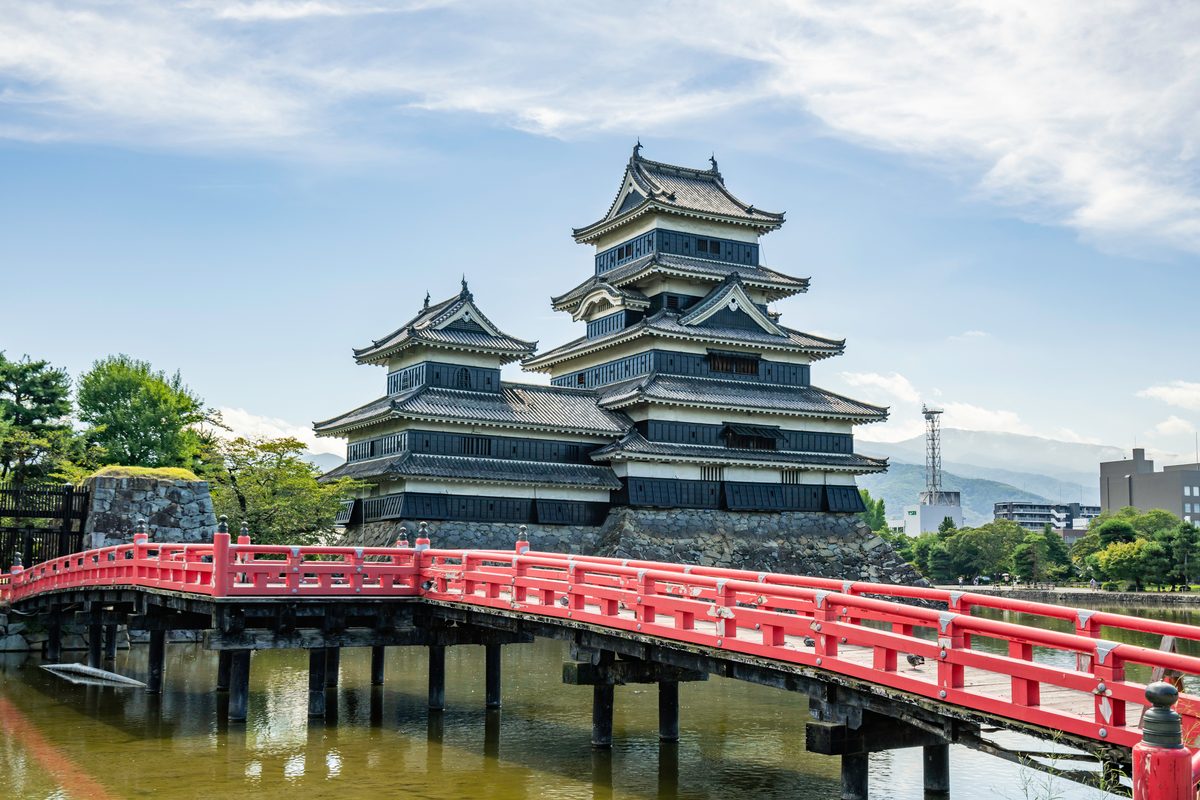
Matsumoto Castle
Japan's most dramatically sited original castle — a black-and-white six-tiered keep reflected in its surrounding moat against the Northern Alps backdrop. Built in 1594, it is one of four surviving original castles and the oldest in the country. Known as the "Crow Castle" for its black lacquered walls.