
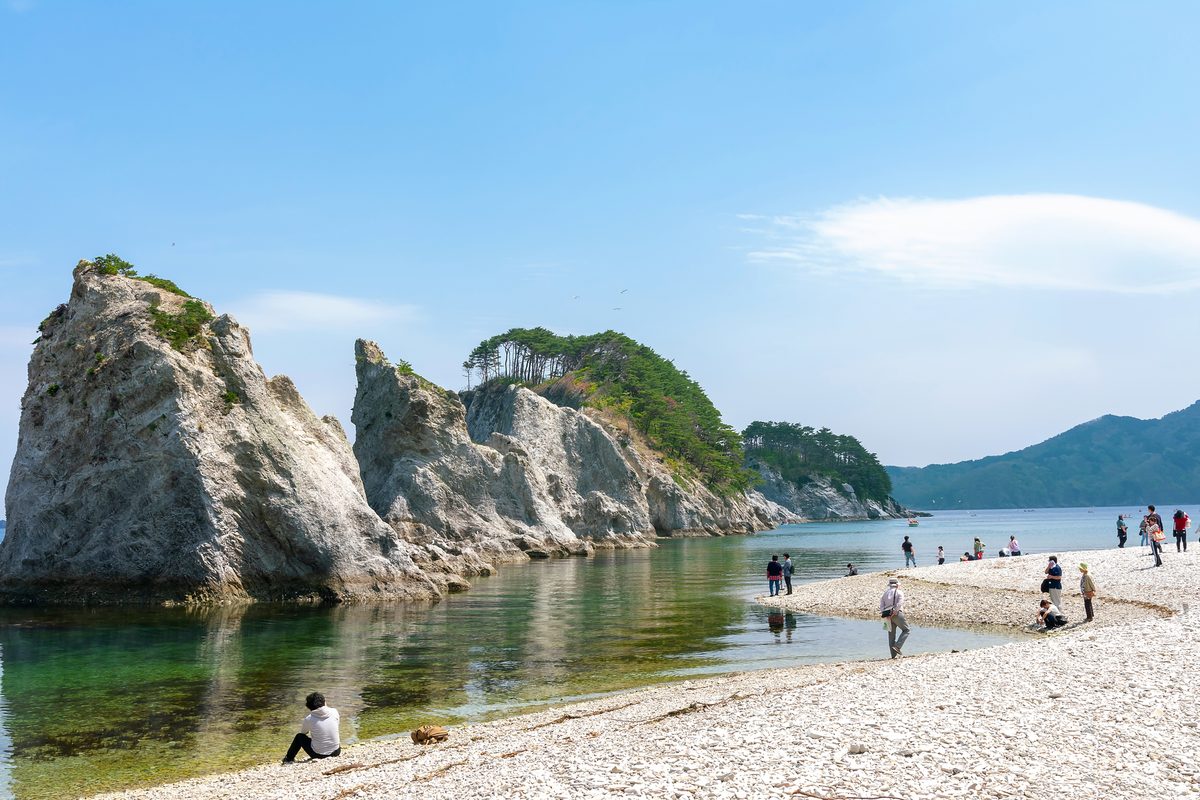
Jodogahama Beach
"Pure Land Beach" — white rhyolite rock pillars rise from crystal-clear turquoise water in a sheltered cove on the Sanriku coast. The 18th-century Buddhist monk who named it compared it to paradise.
2–3 hours
Free (boat tours ¥1,600)
Always open; boat tours: Apr–Oct, 9:00–16:00 (departures roughly hourly from Miyako Port)
June–September
Bus from Miyako Station (10 min)
Location
Why Visit
- 1
Boat tours from the visitor centre take you through the rock pillars and into sea caves
- 2
Black-tailed gulls nest on the rocks — bring food to feed them from the boat
- 3
The beach has no sand — only smooth white pebbles and transparent water
- 4
Sunrise over the Sanriku Pacific from this coast is one of Japan's most dramatic
Local Tips
The white rhyolite rocks and pine trees framing crystal-clear water create an otherworldly landscape — the name ('Pure Land Beach') captures the feeling well. The glass-bottomed boat tour reveals the underwater rock formations and sea life. The surrounding Sanriku coastline has been fully rebuilt since 2011 — the resilience of the local communities is evident throughout.
Add to your AI itinerary
Let AI build a multi-day trip around this spot.
Advertisement
More in Iwate
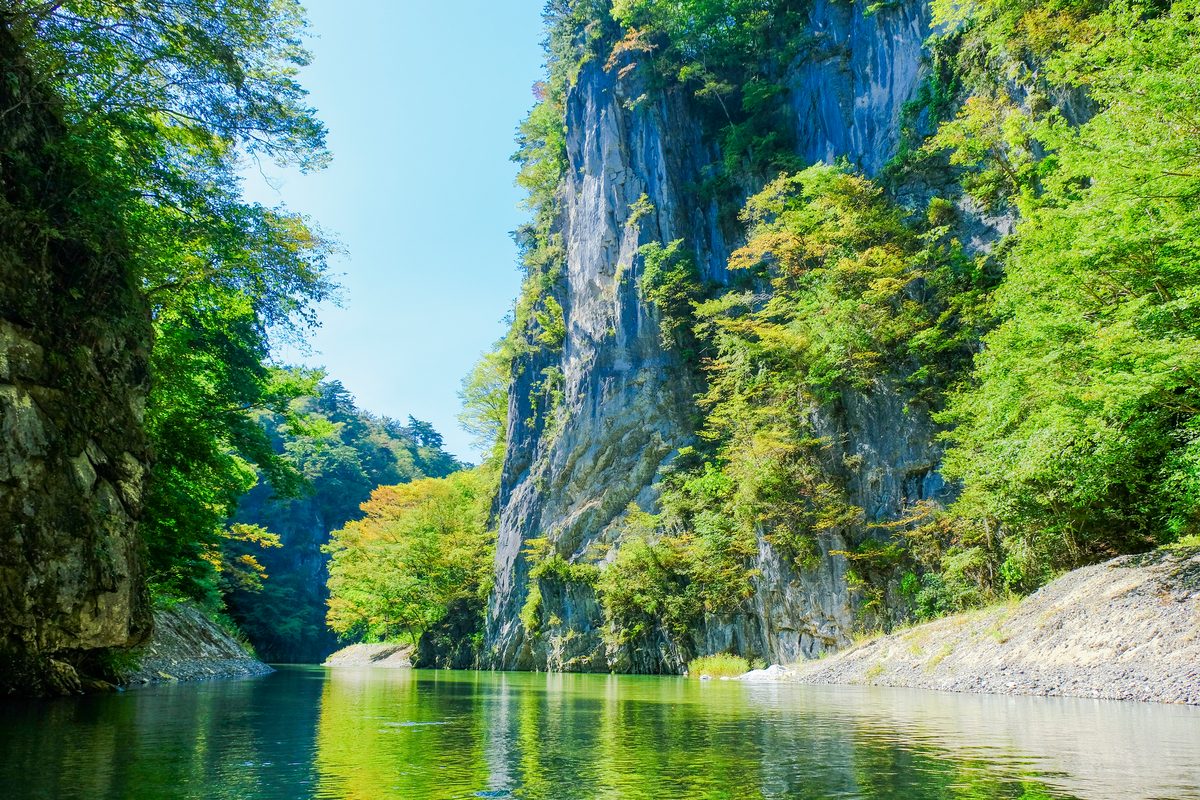
Geibikei Gorge
A narrow limestone gorge where flat-bottomed boats are poled through approximately 2 kilometres of canyon flanked by 100-metre cliffs. The boatman sings traditional Geibikei rowing songs as herons and kingfishers fly through the gorge.
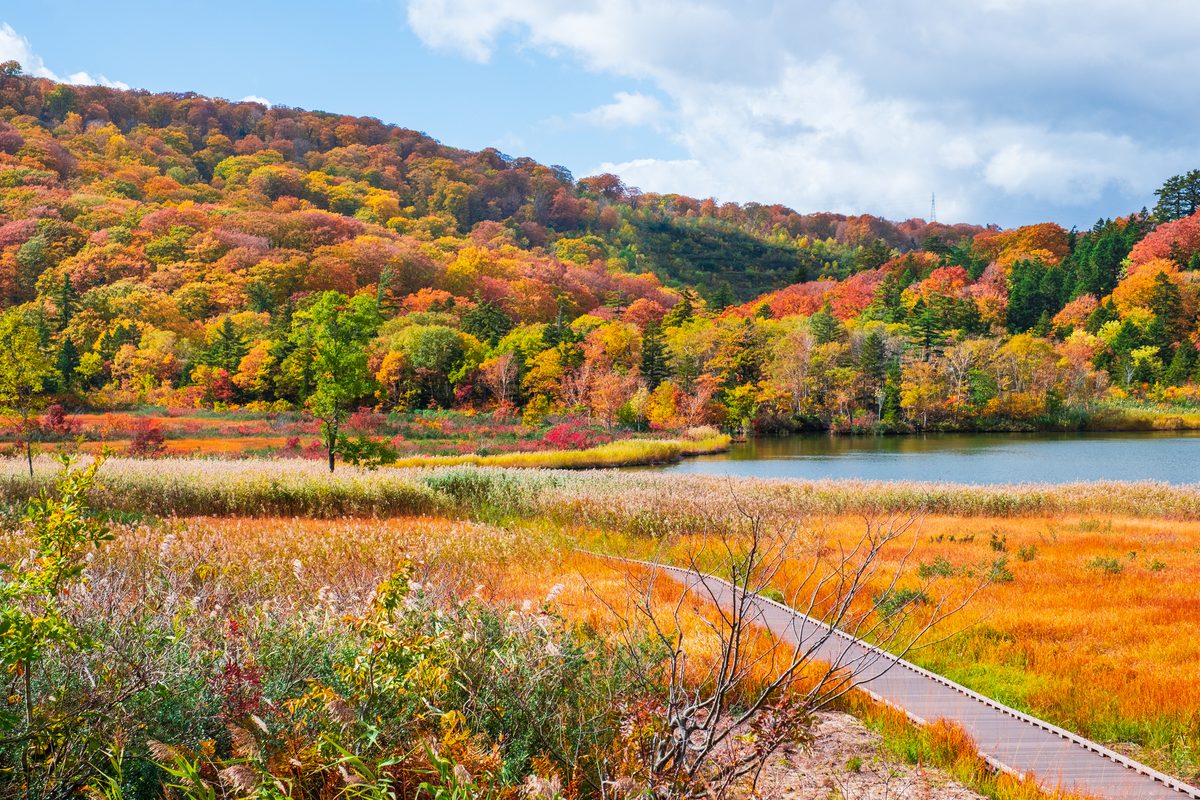
Hachimantai Plateau
A high volcanic plateau straddling Iwate and Akita, famous for the "Dragon Eye" — a crater lake that develops a circular eye-shaped opening as snow melts each June. The plateau offers hiking, skiing and vivid autumn colour.
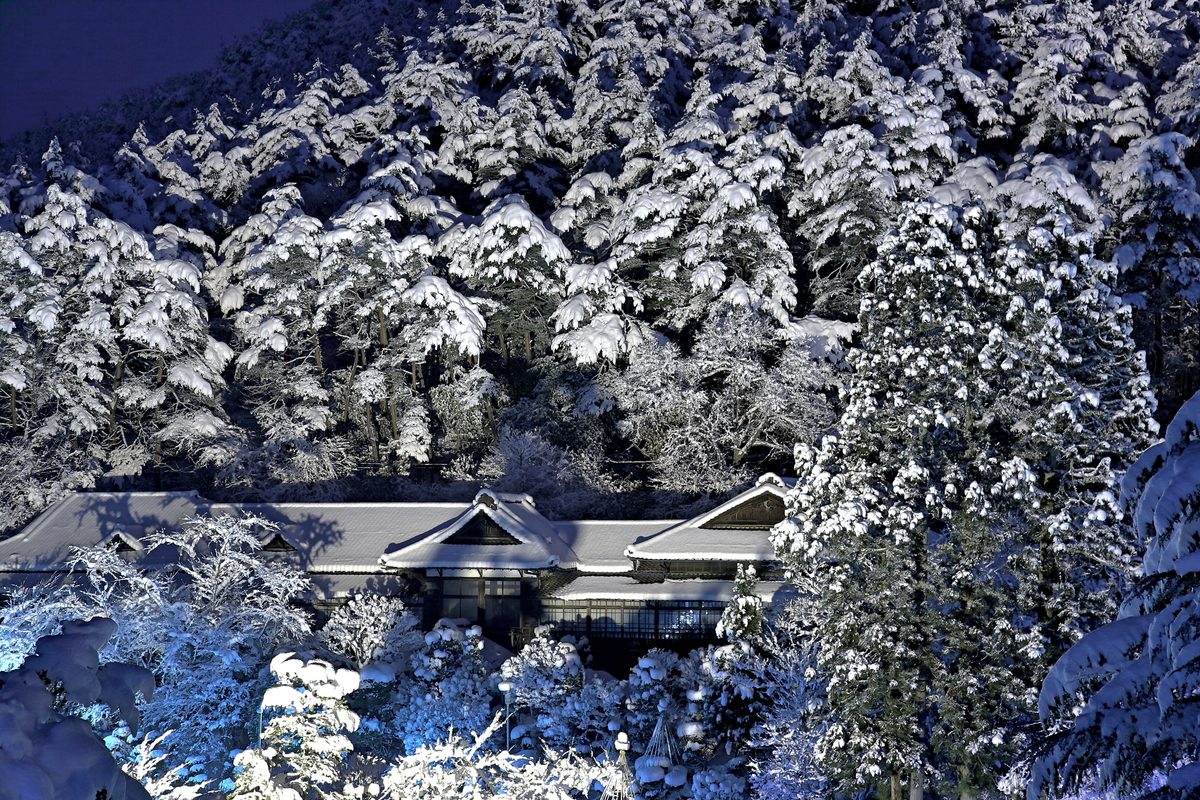
Hanamaki Onsen
A cluster of hot spring villages in the rolling hills around Hanamaki — hometown of poet and farmer Kenji Miyazawa. Ryokan here draw on centuries of spring history, surrounded by the forests Miyazawa immortalized in his stories.