
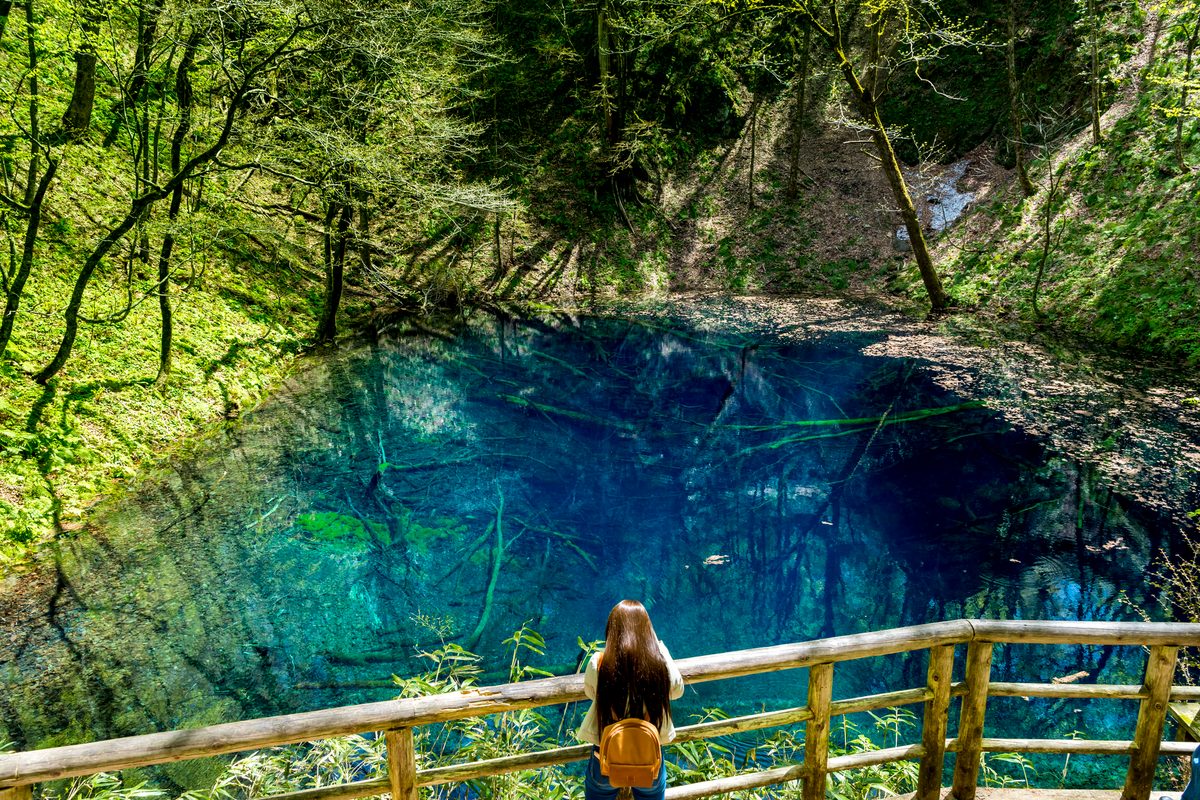
Juniko (Twelve Lakes)
Thirty-three mysterious forest lakes hidden in an ancient beech forest in the Shirakami-Sanchi UNESCO World Heritage area. The jewel is Aoike (Blue Pond) — a perfectly still pool of such vivid turquoise that it seems painted.
2–3 hours
Free
Trails: May–Nov (closed Dec–Apr due to snow); typically 8:00–17:00
May–November; October (autumn)
Seasonal bus from Juniko Station (10 min); bus service is very limited — car recommended
Location
Why Visit
- 1
Aoike (Blue Pool) is 7m deep but transparent to the bottom — the blue is caused by light scattering, not algae
- 2
The Shirakami-Sanchi surrounding the lakes is the largest primeval beech forest in East Asia
- 3
Thirty-three lakes formed in a single earthquake in 1704 — the forest grew around them undisturbed
- 4
Almost no visitors outside of summer — the beech forest in autumn turns gold above the still lakes
Local Tips
The Aoike (Blue Pond) is the centrepiece — a blue so saturated it appears unnatural and varies in shade depending on cloud cover. The forest trail connects 12 lakes in about 90 minutes. No food stalls inside — bring water and snacks. Aomori's Shirakami-Sanchi UNESCO beech forest surrounds the lakes and adds to the sense of wilderness.
Add to your AI itinerary
Let AI build a multi-day trip around this spot.
Advertisement
More in Aomori
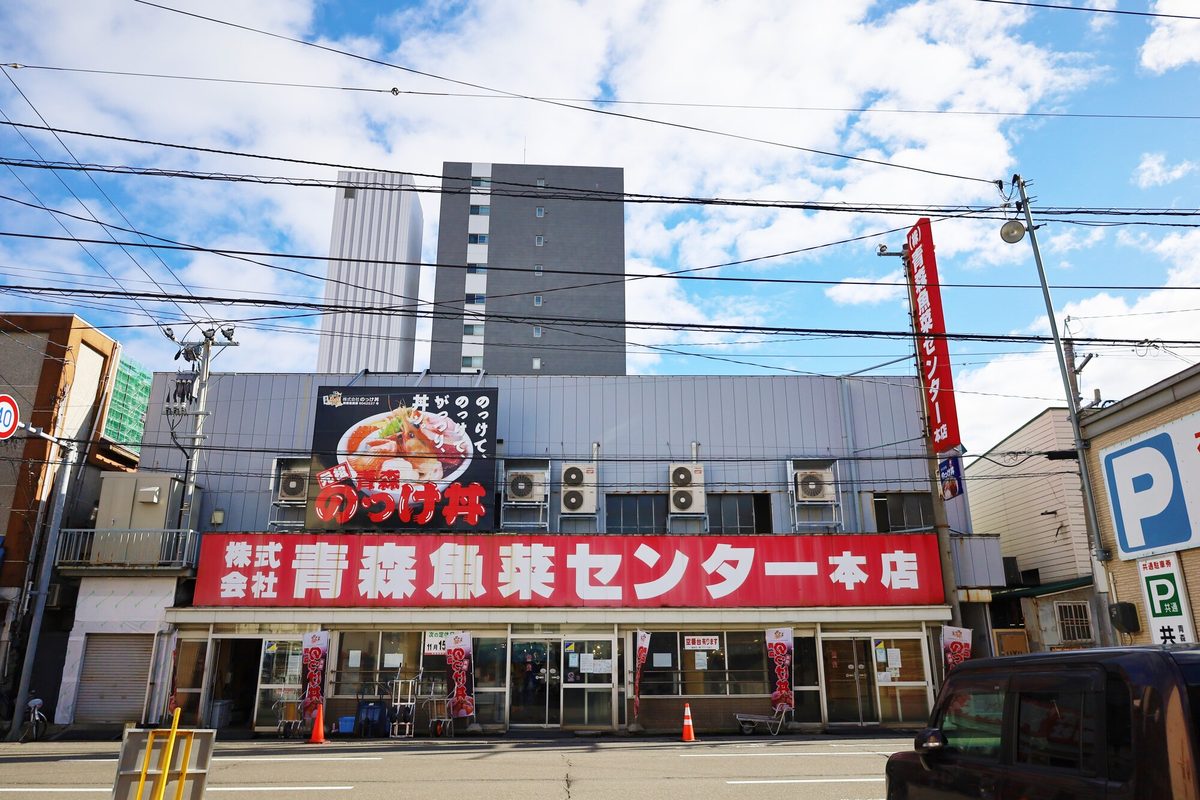
Aomori Gyosai Center (Furukawa Fish Market)
A working market a short walk from Aomori Station where the signature experience is nokkedon — a bowl of rice topped with sashimi you choose yourself from stalls selling tickets by the slice. Scallops from Mutsu Bay, tuna, sea urchin and squid are local specialties. The market opens early and fills with locals and travellers grabbing breakfast before trains and ferries.
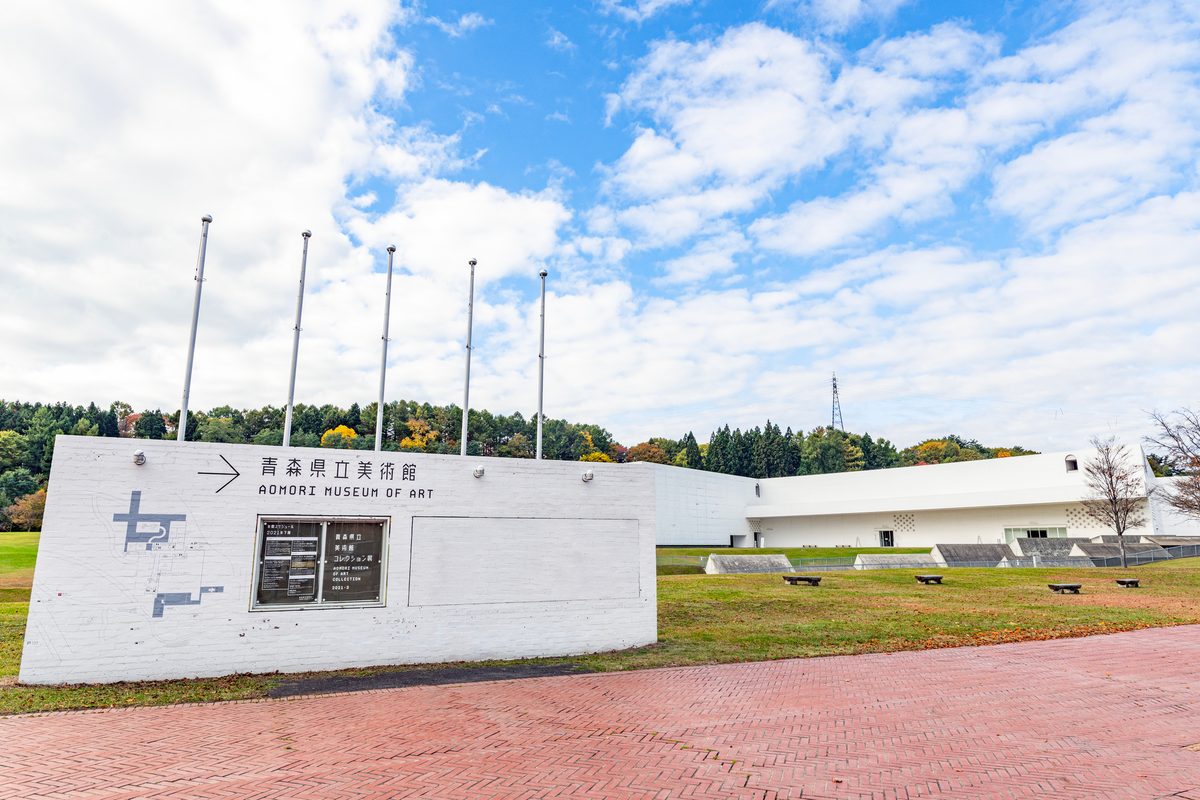
Aomori Museum of Art
A striking contemporary museum on Aomori Bay designed by Jun Aoki, known for its tall, light-filled atrium and major holdings of Marc Chagall — including stage backdrops for ballet that rank among the largest Chagall works on public display outside Russia. The collection also features works by local artists and rotating exhibitions of modern Japanese art. The building itself, with its white geometric facade, has become a symbol of the city alongside the Nebuta Museum.
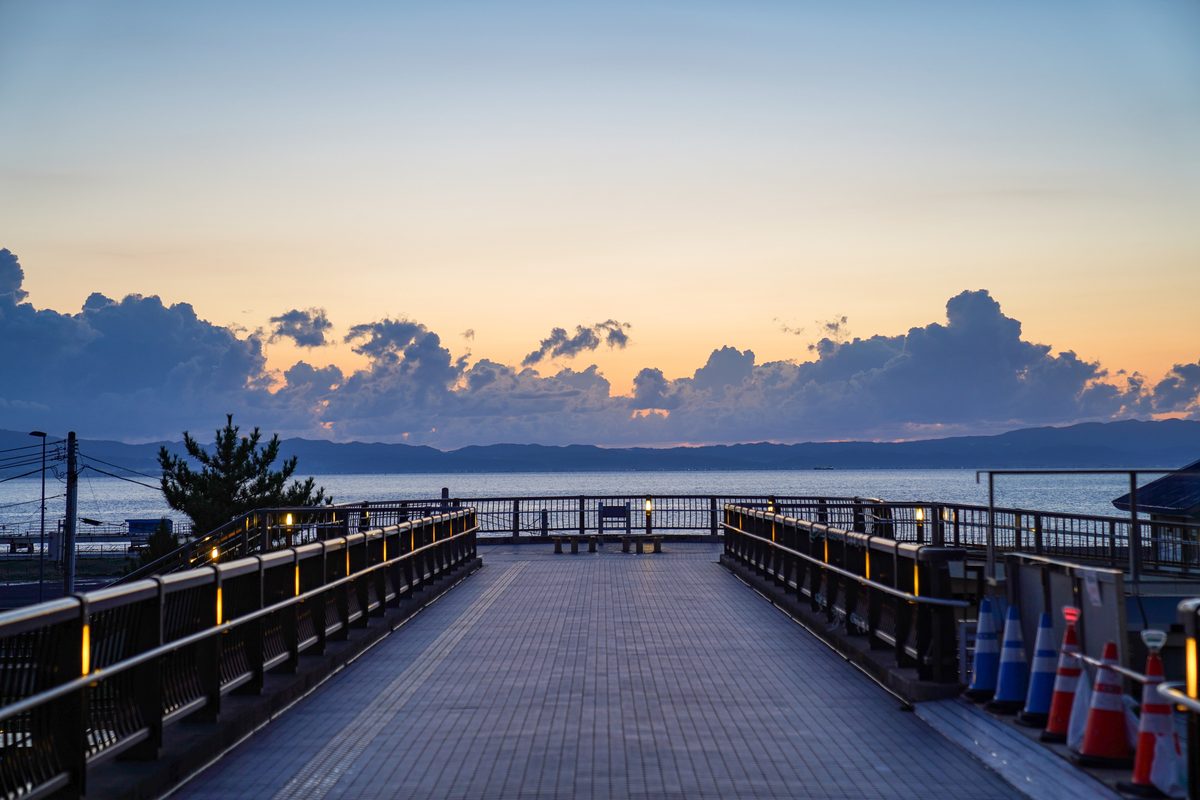
Asamushi Onsen
A historic hot-spring village on Mutsu Bay northeast of Aomori City, where ryokan and day-use baths line a quiet coast of pine and tidal flats. The water is mild and said to be gentle on the skin. Small aquarium and walking paths along the shore make it a relaxed half-day escape from the city without heading as far as Shimokita.