
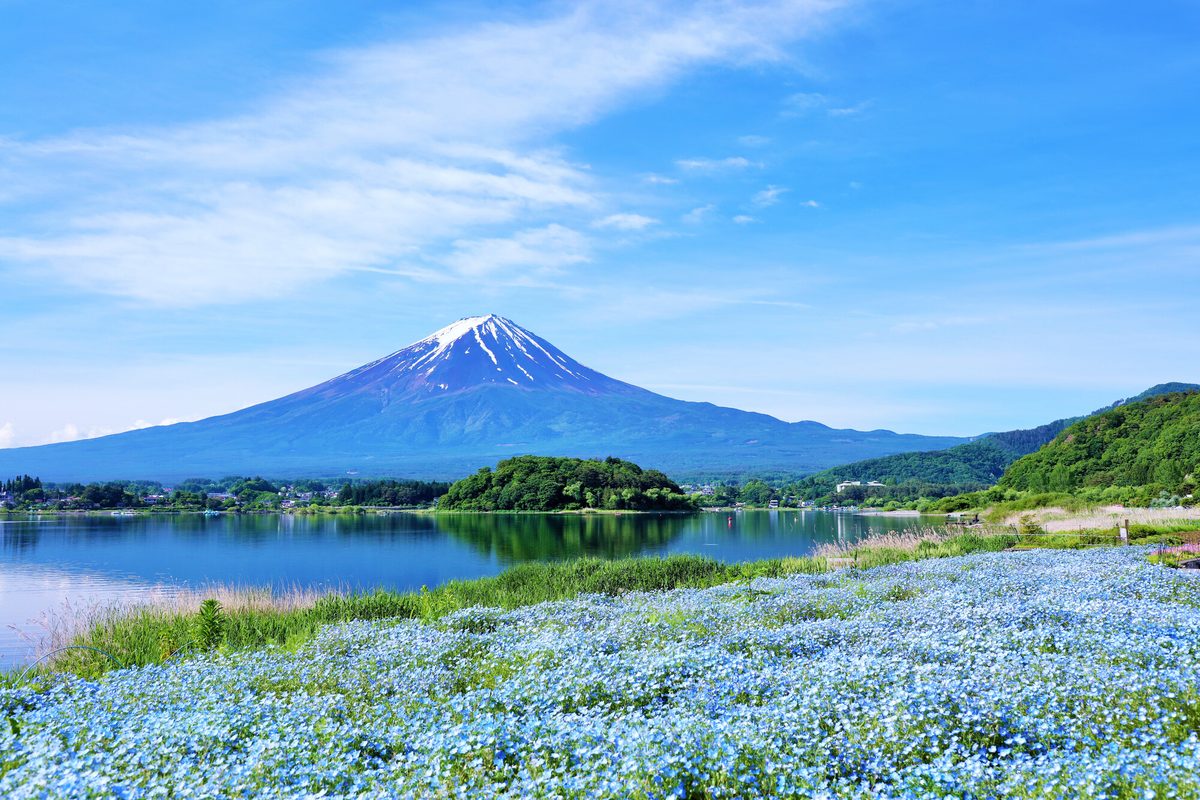
Lake Kawaguchiko
The most accessible of the Fuji Five Lakes — an hour from Shinjuku and the source of Japan's most iconic image: Mt Fuji reflected perfectly in still water at dawn. The northern shore road at dawn, before tour buses arrive, gives the classic "upside-down Fuji" reflection. The Chureito Pagoda above Fujiyoshida frames Fuji between cherry blossoms in April.
Half day–full day
Free
Lake: always accessible; best Mt Fuji views: Oct–Feb (clearest air); Kawaguchiko Music Forest and other facilities: 9:00–17:00
Late March–April (cherry), October–December (clearest Fuji views)
Kawaguchiko Station on Fujikyuko Line (direct limited express from Shinjuku, approx. 2 hrs; check timetable).
Location
Why Visit
- 1
The Chureito Pagoda cherry blossom + Fuji composition (April) is Japan's most reproduced photograph
- 2
Dawn at Kawaguchiko's northern shore gives the "Sakasa Fuji" (inverted Fuji) reflection in still water
- 3
The lake is 857m above sea level — Fuji's summit appears relatively close and overwhelming in scale
Local Tips
The north shore of Kawaguchiko (around Ubuyagasaki peninsula) gives the most photogenic view of Mt Fuji reflected in the water — best at dawn in calm, windless conditions. Mt Fuji disappears into clouds by mid-morning on most summer days. The Kawaguchiko Herb Festival and maple corridor are excellent in their respective seasons.
Add to your AI itinerary
Let AI build a multi-day trip around this spot.
Advertisement
More in Yamanashi
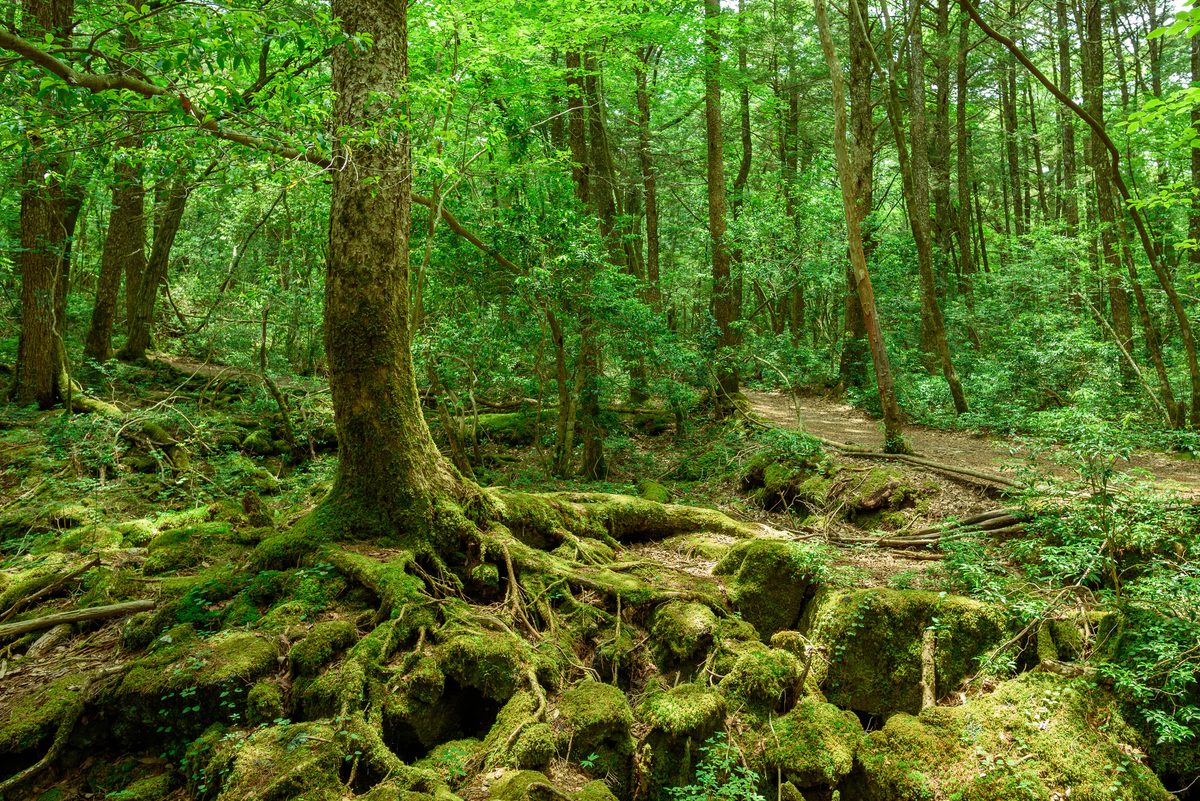
Aokigahara Forest (Sea of Trees)
A vast ancient forest growing on a 1,200-year-old lava field at the base of Mt Fuji — the lava formed in the 864 CE Jogan eruption and the forest has grown over it ever since. Ice caves and wind caves within the forest maintain sub-zero temperatures year-round, perfectly preserving ice stalactites in summer. The forest is also famous for its eerie magnetic compass anomalies.
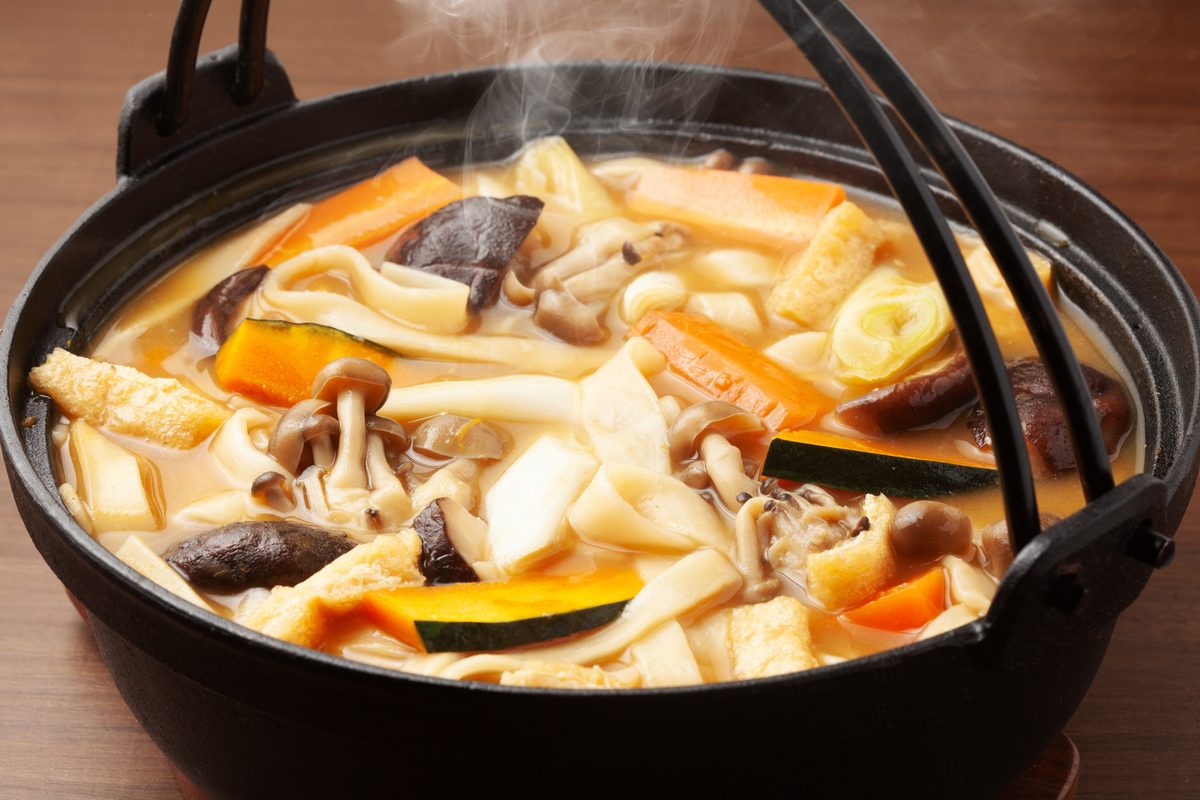
Hoto — Yamanashi's Winter Dish
Hoto is Yamanashi's signature dish — thick flat noodles (wider than udon) simmered with pumpkin, mushrooms, and root vegetables in a rich miso broth. Eaten since the Sengoku period (Takeda Shingen reportedly made it for his troops), it is exclusively a cold-season comfort food available October–April. The Kosaku restaurant chain invented the definitive version.
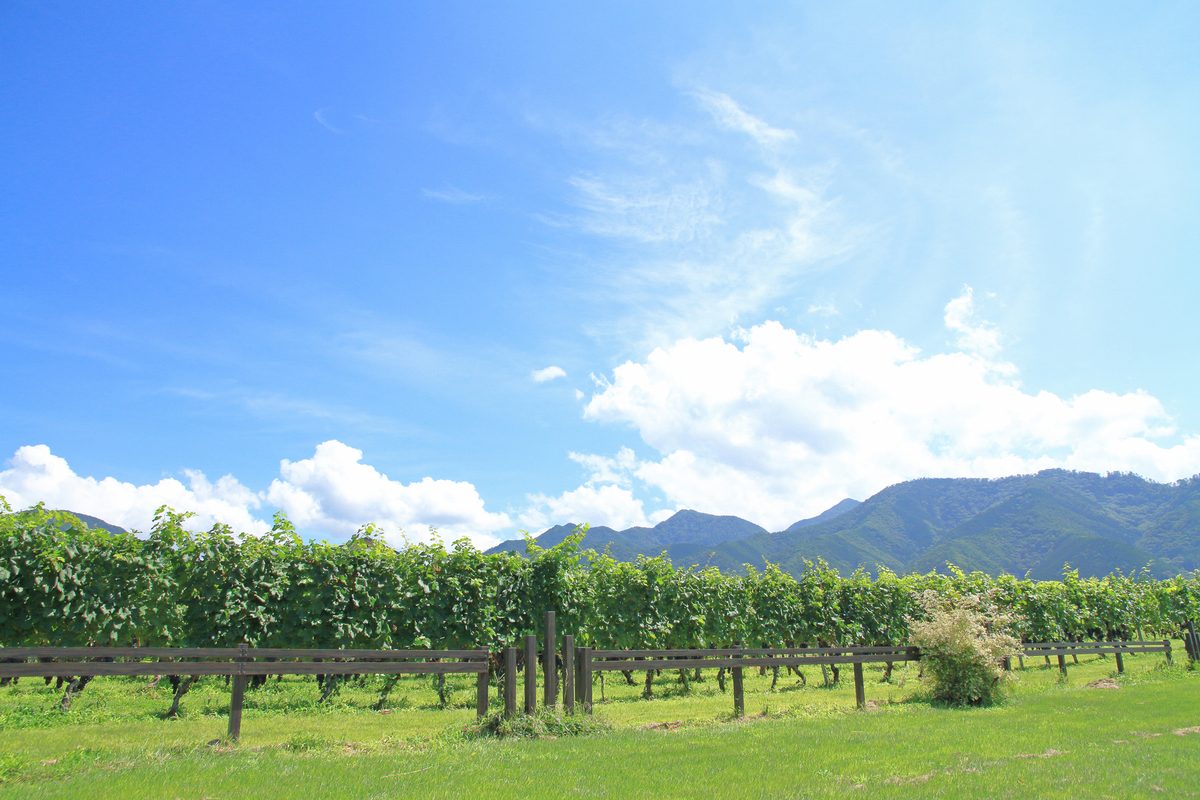
Katsunuma Wine Country
Japan's wine capital — the Katsunuma Valley produces 40% of Japan's wine on terraced hillsides visible from the Chuo Line train. The local Koshu grape (pink-skinned, crisp and mineral) is Japan's signature variety, classified as a European-style vinifera grape in 2010. Forty wineries offer tastings in walking distance from Katsunuma-Budokyo Station.