
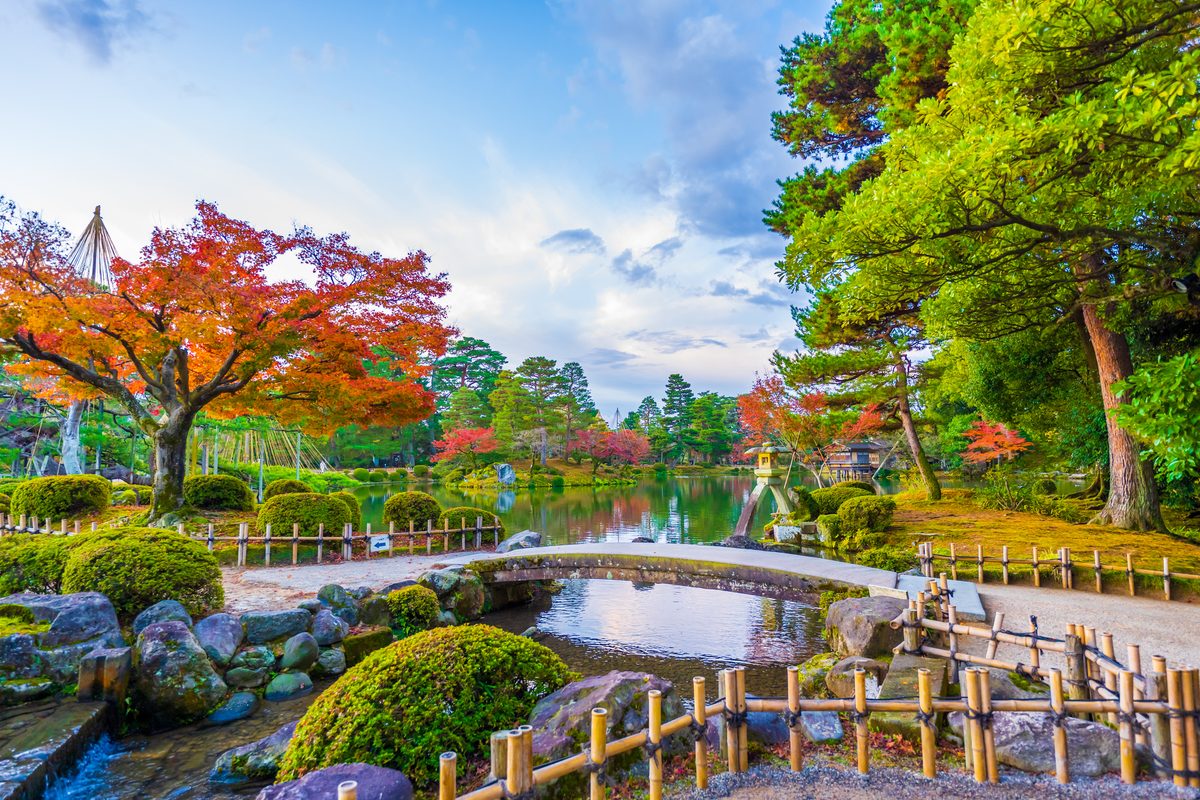
Kenroku-en Garden
One of Japan's three great landscape gardens, developed over 180 years by the Maeda clan beside Kanazawa Castle. The name means "garden with six attributes" (spaciousness, seclusion, artifice, antiquity, waterways, panoramas) — all present simultaneously. The famous two-legged stone lantern (Kotojitoro) reflected in the pond has become Kanazawa's symbol.
1–2 hours
¥320
7:00–18:00 (Mar–Oct); 8:00–17:00 (Nov–Feb); free entry before 8:00 in summer
April (cherry), November–March (yukitsuri)
Bus from Kanazawa Station (approx. 15 min) to Kenrokuen-shita, then short walk
Location
Why Visit
- 1
Kenroku-en is one of only three gardens in Japan rated "perfect" by Edo-period landscape criteria
- 2
The Kotojitoro lantern (1837) stands in water on two mismatched legs — the most reproduced image in Kanazawa
- 3
Winter snow covering (yukitsuri — straw rope cones protecting tree branches) from November is extraordinarily beautiful
Local Tips
One of Japan's three great gardens. The name (Kenroku-en = 'six attributes combined') refers to the Chinese ideal of garden perfection. Early morning entry is free — a 45-minute walk before the crowds arrive is the best way to experience it. Winter yukitsuri (snow rope supports on pine trees) are the most iconic image of Kanazawa.
Add to your AI itinerary
Let AI build a multi-day trip around this spot.
Advertisement
More in Ishikawa
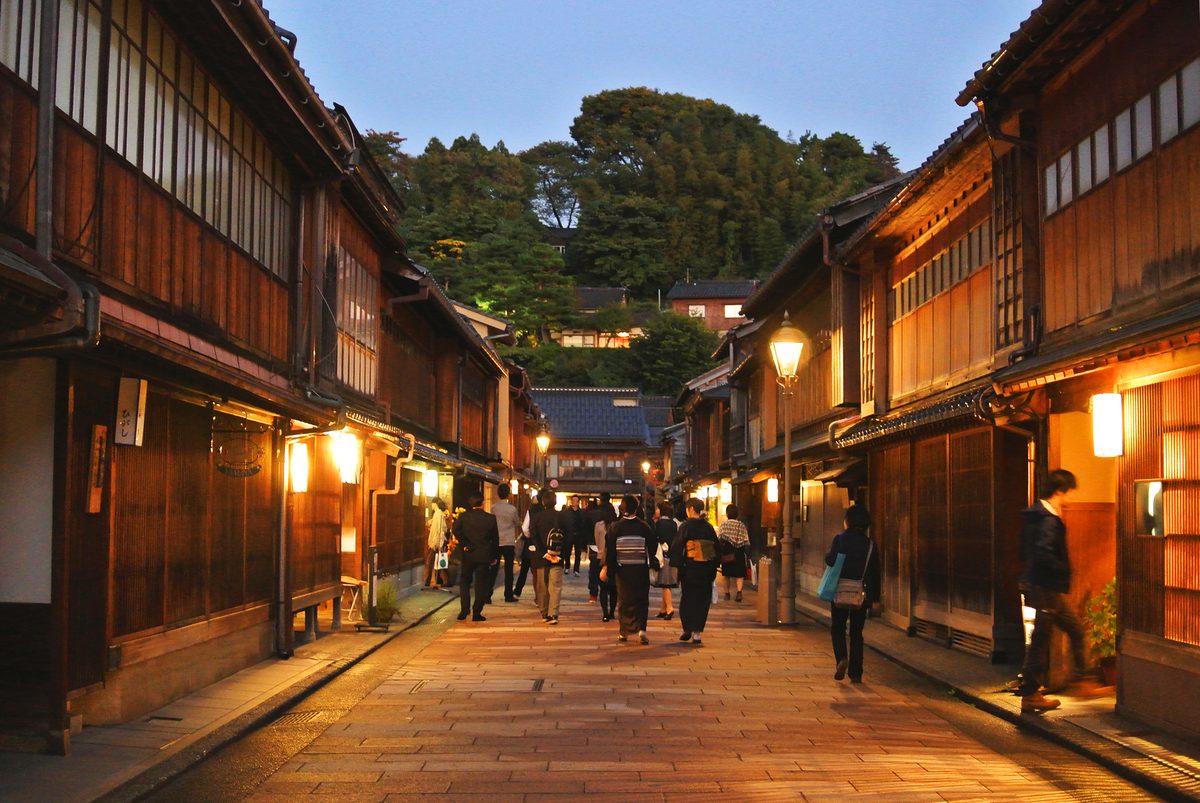
Higashi Chaya District
Kanazawa's most intact geisha teahouse quarter, established by the Maeda clan in 1820 and little changed since. The ochaya (teahouses) with their latticed facades and inner gardens still operate — some as galleries and gold-leaf shops, a few as active geisha venues accessible by reservation. Kanazawa retains more active geisha than anywhere outside Kyoto.
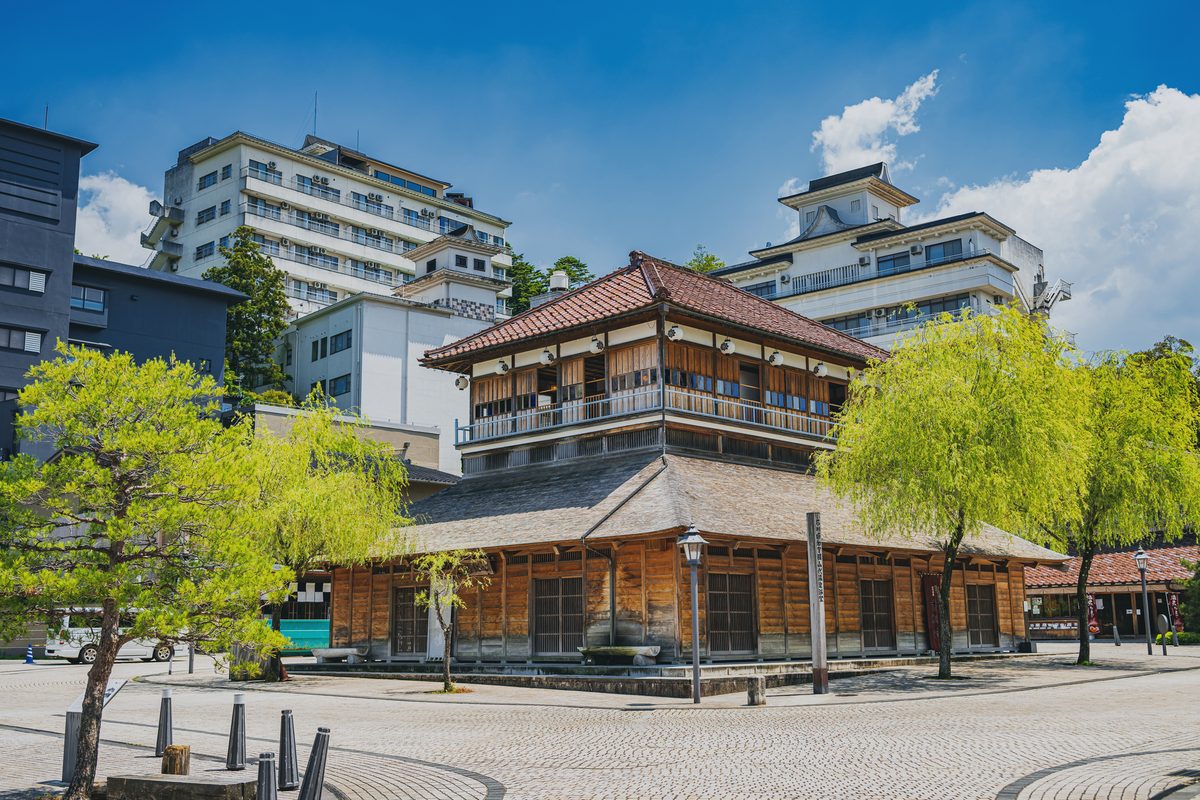
Kaga Onsen (Katayamazu)
A cluster of four historic spa towns (Yamanaka, Yamashiro, Awazu, Katayamazu) collectively known as Kaga Onsen. Katayamazu sits on the shore of Lake Shibayama with ryokan building over the water's edge. The combined bathing district has been operating since the 9th century and serves Noto Peninsula crab.
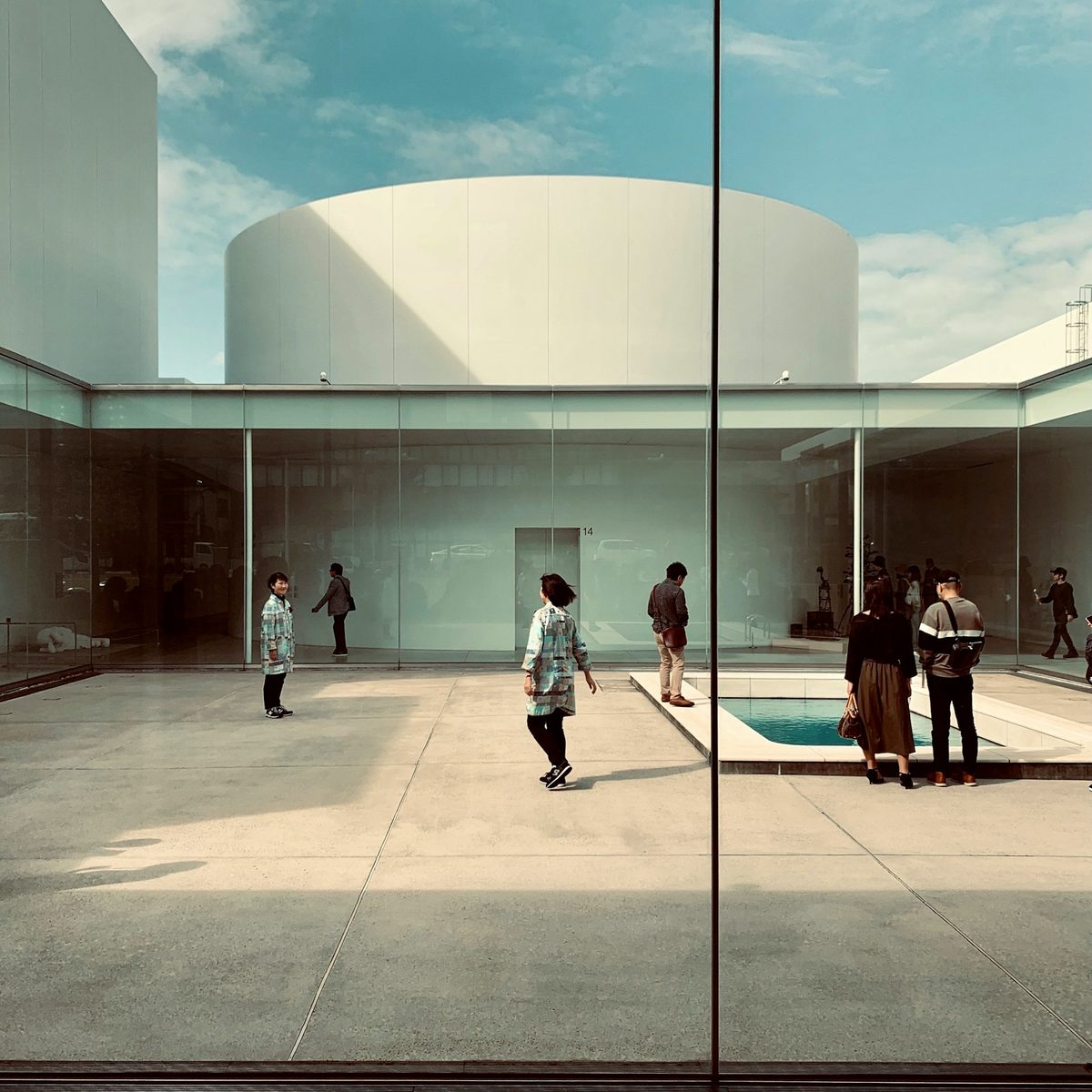
Kanazawa 21st Century Museum
One of Japan's most visited contemporary art museums — a circular glass building with no front or back, designed so visitors wander freely through interactive exhibitions. Leandro Erlich's Swimming Pool installation lets visitors stand both on top and below the water simultaneously.