
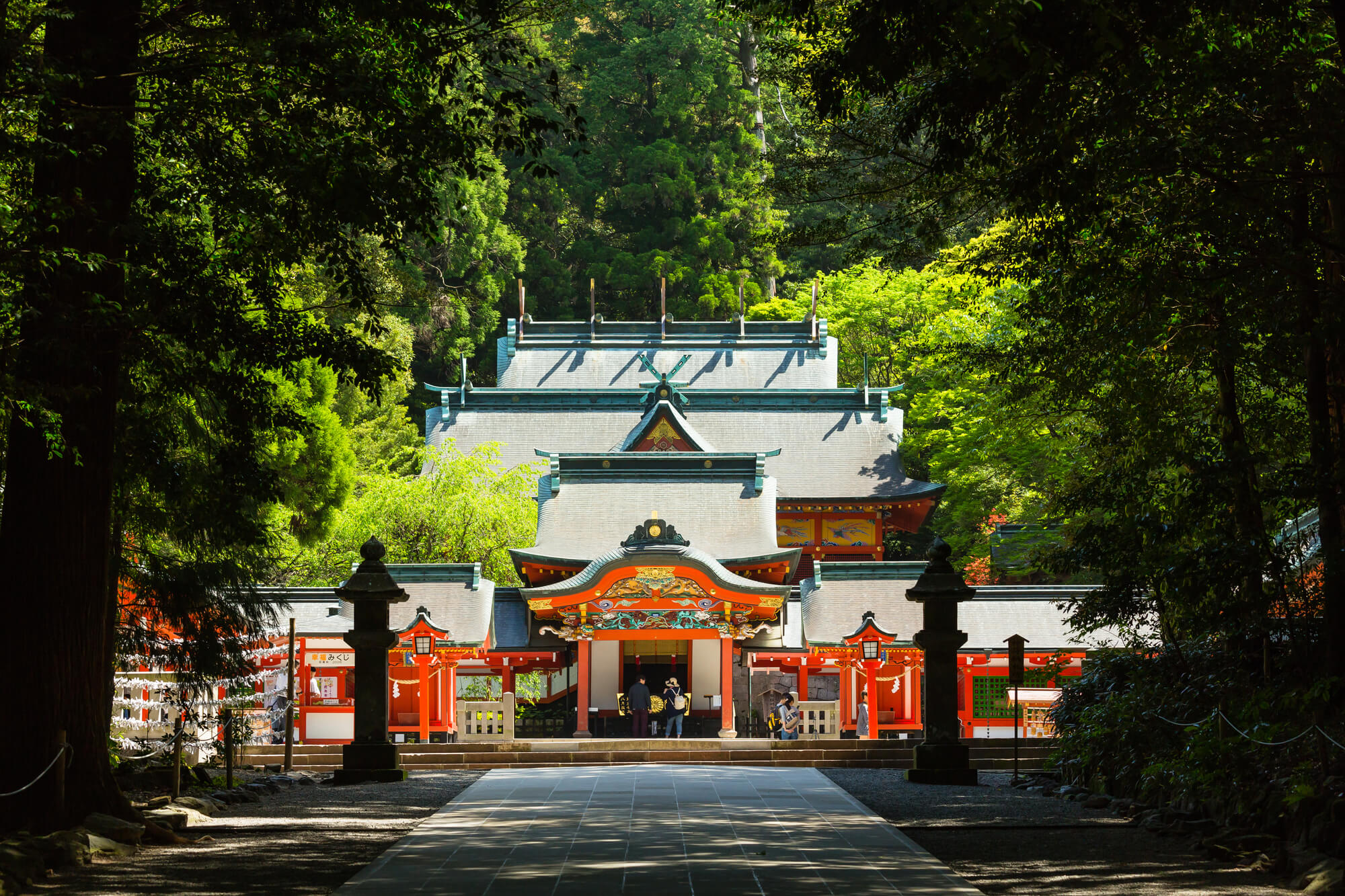
Kirishima Jingu Shrine
One of Kyushu's oldest and most powerful shrines, dedicated to Ninigi-no-Mikoto who descended from heaven to begin the divine lineage of Japanese emperors. Set at 600m altitude in misty volcanic highlands.
1–1.5 hours
Free
Grounds: 24 hours. Offering counter (amulets, goshuin): 8:00–17:00.
November–December (autumn leaves) or spring
Bus from JR Kirishima-Jingu Station (~20 min)
Location
Why Visit
- 1
The approach path through ancient cedar trees creates one of Kyushu's most atmospheric shrine entries
- 2
Nearby Kirishima-Kinkowan National Park has hiking trails connecting several volcanic peaks
- 3
Combine with Kirishima Onsen for a mountain hot spring stay
Local Tips
One of Kyushu's most atmospheric mountain shrines — the approach through cedar forest and the distant view of active volcanoes gives Kirishima a spiritual intensity rare even in Japan. The Ebino Plateau hiking trails start 20 minutes by bus from the shrine. Combine with Ibusuki Sand Baths for a full southern Kagoshima day.
Add to your AI itinerary
Let AI build a multi-day trip around this spot.
Advertisement
More in Kagoshima
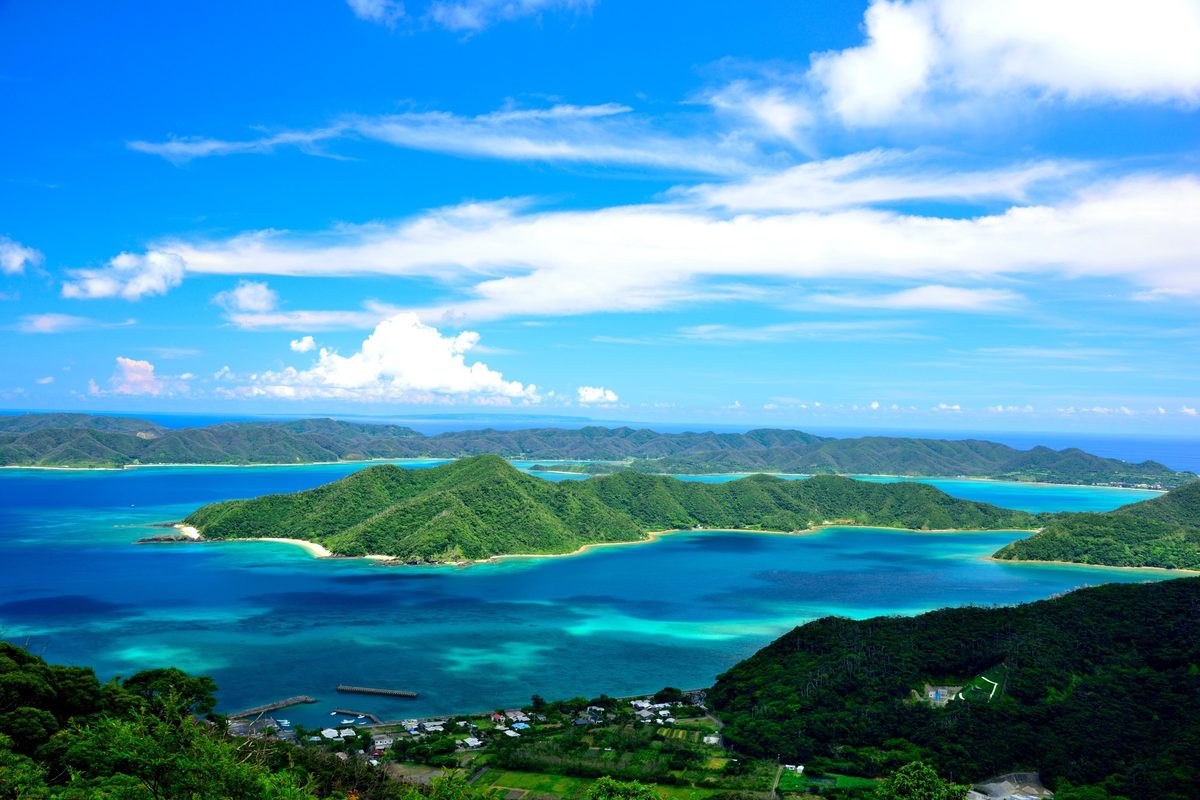
Amami Oshima
A subtropical island midway between Kyushu and Okinawa with UNESCO World Heritage rainforest, mangrove kayaking, and some of the clearest sea in Japan. Amami has its own distinct culture — different music, food, and weaving tradition (Oshima Tsumugi silk) — and far fewer foreign visitors than Okinawa.
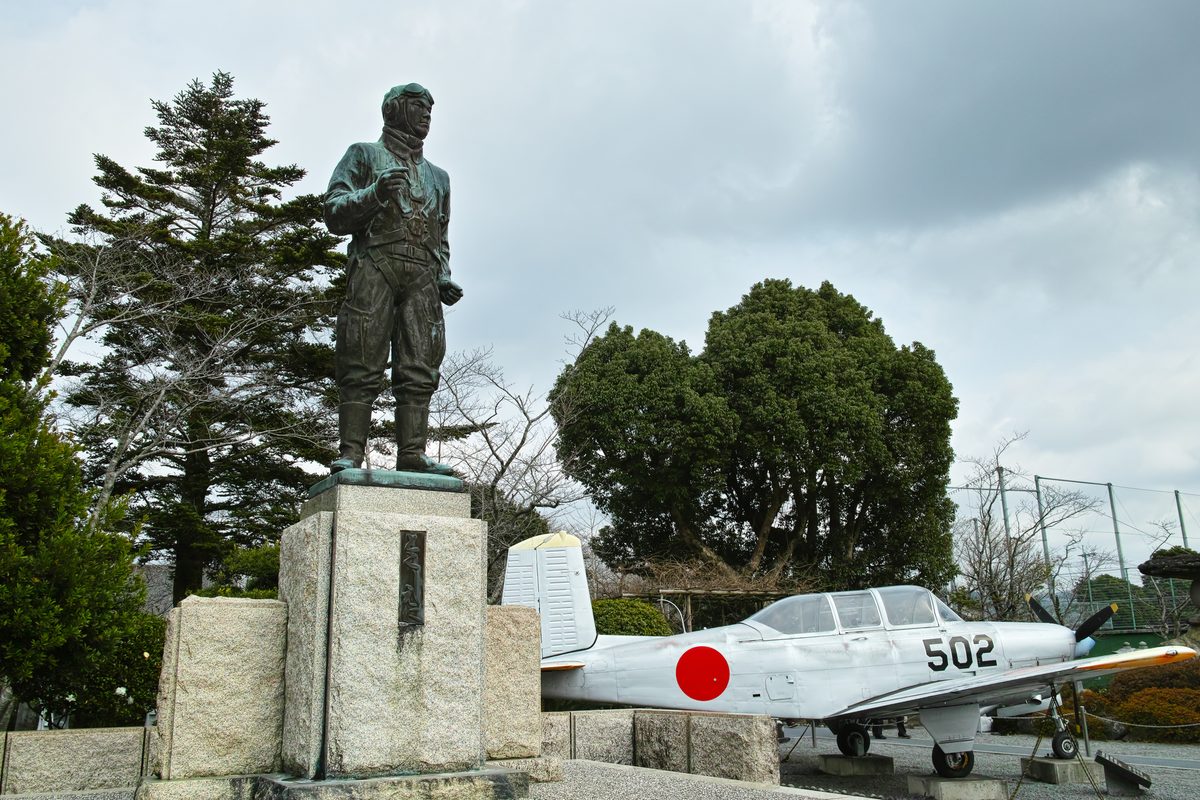
Chiran Peace Museum for Kamikaze Pilots
The most humanizing war museum in Japan. Chiran was a major kamikaze base — 1,036 young pilots departed from here for their final missions in 1945. The museum preserves their handwritten farewell letters (many expressing love for family, not ideology), personal photographs, and the Zero fighters they flew. Profoundly moving regardless of background.
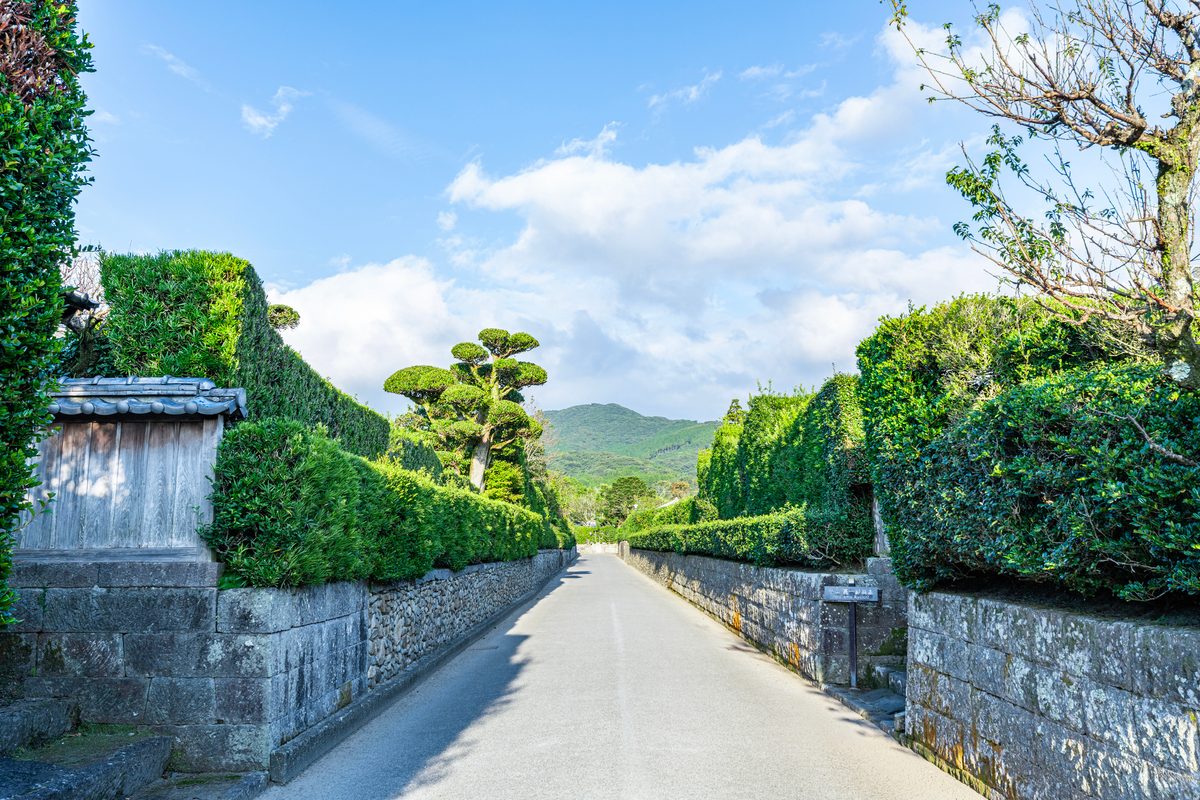
Chiran Samurai Residence District
Seven perfectly preserved samurai residences with stone-walled gardens in the "Little Kyoto of Satsuma." Each garden is a distinct masterwork of Japanese landscape design — rock arrangements, clipped hedges, and borrowed scenery using Chiran's forested mountains. The moss-covered stone walls along the approach lane are among the most photogenic in all of Japan.