
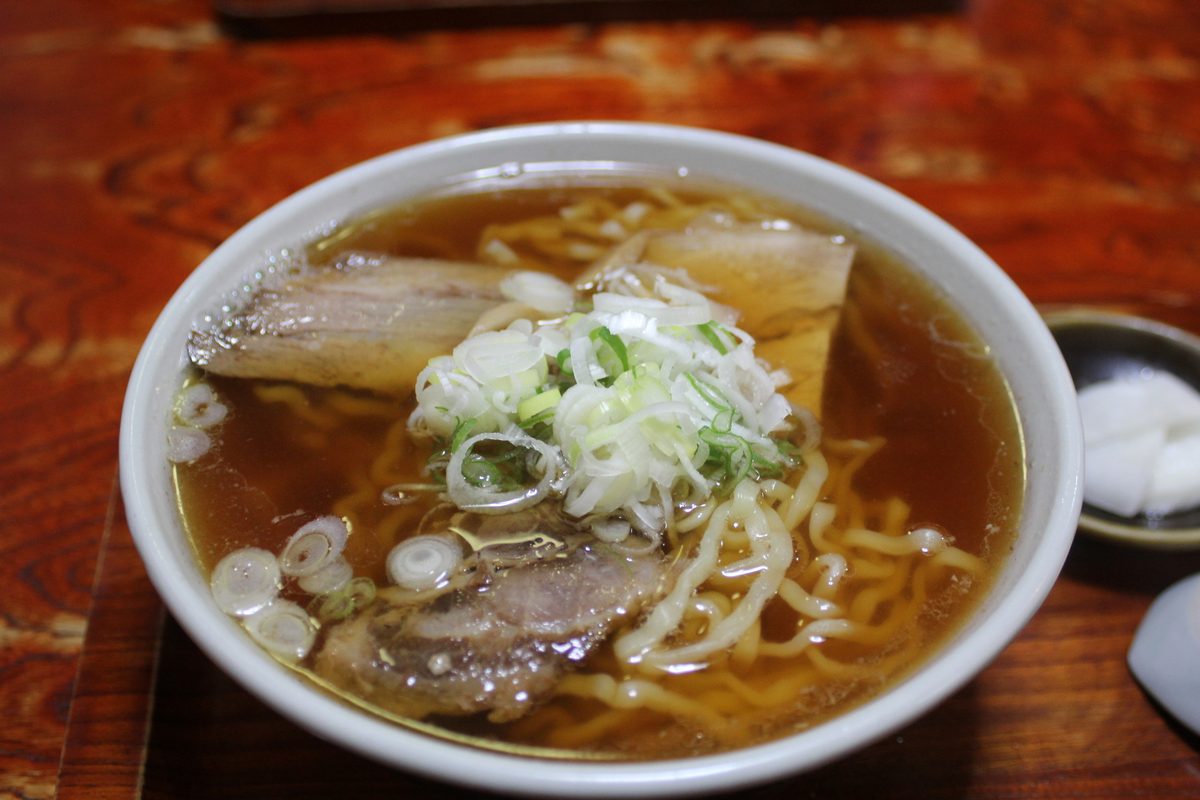
Kitakata Ramen Town
A small rice-farming city with one of the highest densities of ramen shops per person in Japan — approximately 100 shops for around 47,000 residents. Kitakata ramen uses wide, flat, curly noodles in a light soy-pork broth, and locals eat it for breakfast.
2–3 hours
Free; ramen ¥700–¥900/bowl
Most ramen shops: 7:00–15:00 (many open for breakfast); shops close early when sold out — arrive by 11:00
Year-round
Kitakata Station (JR Banetsu West Line, 20 min from Aizu-Wakamatsu)
Location
Why Visit
- 1
Asahi-ka is the original Kitakata ramen restaurant — opened 1938 and still using the same recipe
- 2
The flat curly noodles are made with well water from beneath the city — mineral content gives them their unique chew
- 3
"Asa-ra" (morning ramen) — eating ramen before 9am — is a genuine local tradition
- 4
The kura (storehouse) architecture in the old town reflects the city's sake and soy sauce merchant history
Local Tips
Kitakata ramen is one of Japan's big three ramen styles — thick, flat, curly noodles in a light soy broth. The city has more ramen shops per capita than anywhere in Japan, and locals eat it for breakfast. Minokichi-ya and Bannai Shokudo are the most respected traditional shops. Combine with a sake brewery tour (Kitakata is also famous for its fresh spring water and sake).
Add to your AI itinerary
Let AI build a multi-day trip around this spot.
Advertisement
More in Fukushima
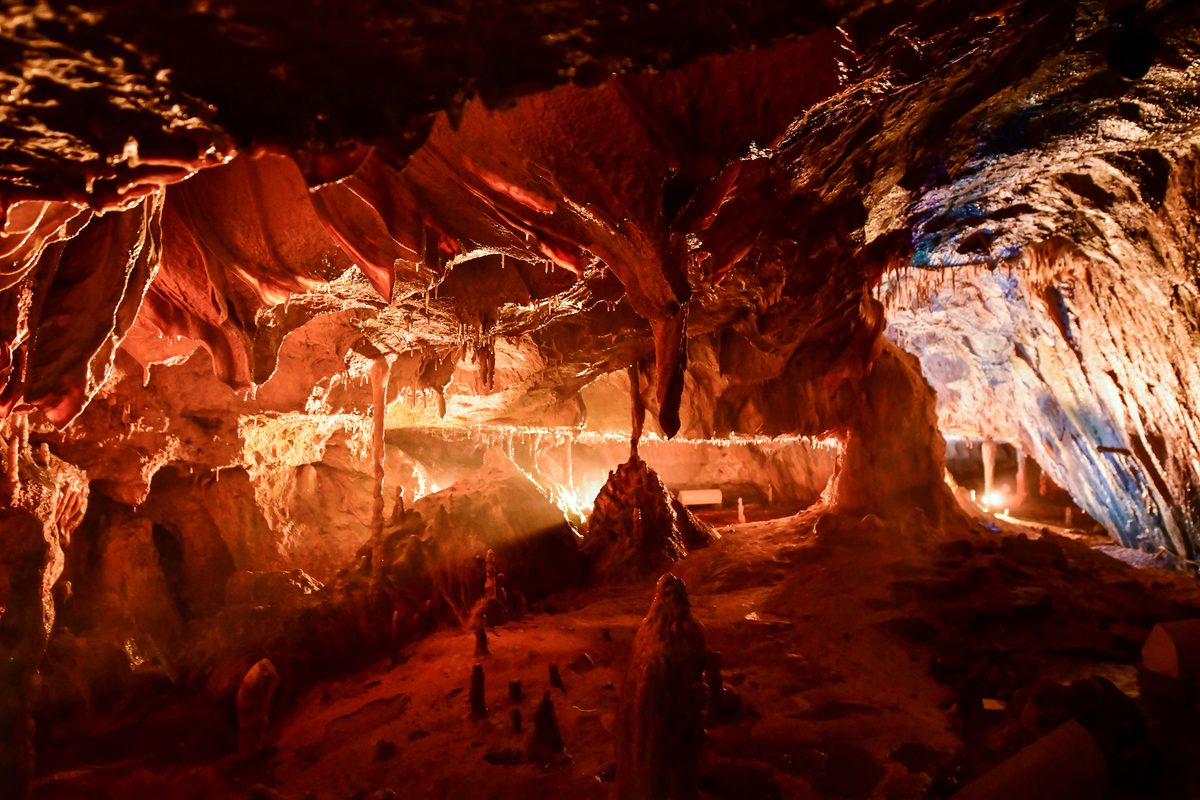
Abukuma Cave
Abukuma Cave is one of the largest limestone caverns in eastern Japan, formed over 80 million years and stretching more than 3 kilometres beneath the hills of central Fukushima. Approximately 600 metres are open to the public along a well-lit standard course, where stalactites, stalagmites, and flowstone formations of extraordinary delicacy fill illuminated chambers. An additional adventure course — requiring a helmet and crawling through narrow passages — takes visitors into sections rarely seen in Japanese show caves. The cave maintains a year-round temperature of around 15°C, making it refreshingly cool in summer and pleasantly mild in winter.
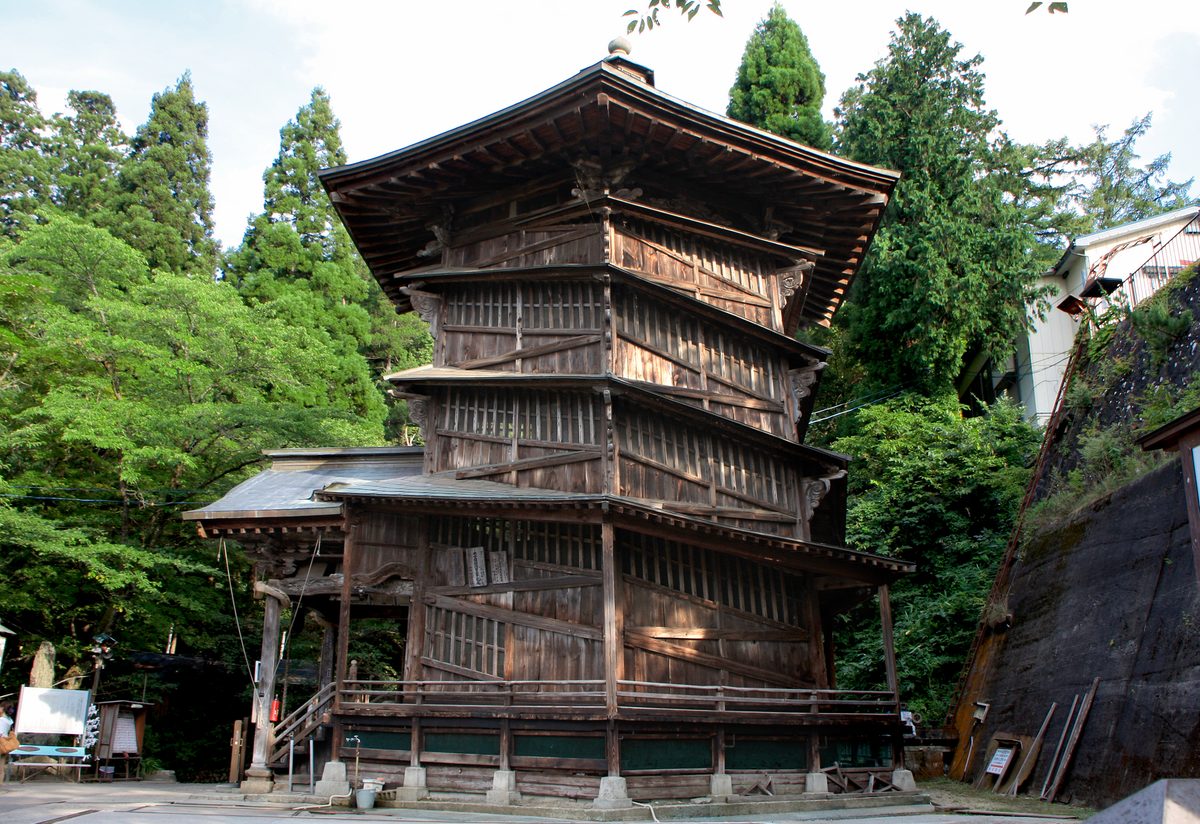
Aizu Sazaedo
A unique double-helix wooden temple built in 1796 whose ascending and descending ramps spiral around a central axis without ever crossing — 33 Kannon statues line the route, allowing a complete pilgrimage without retracing steps.
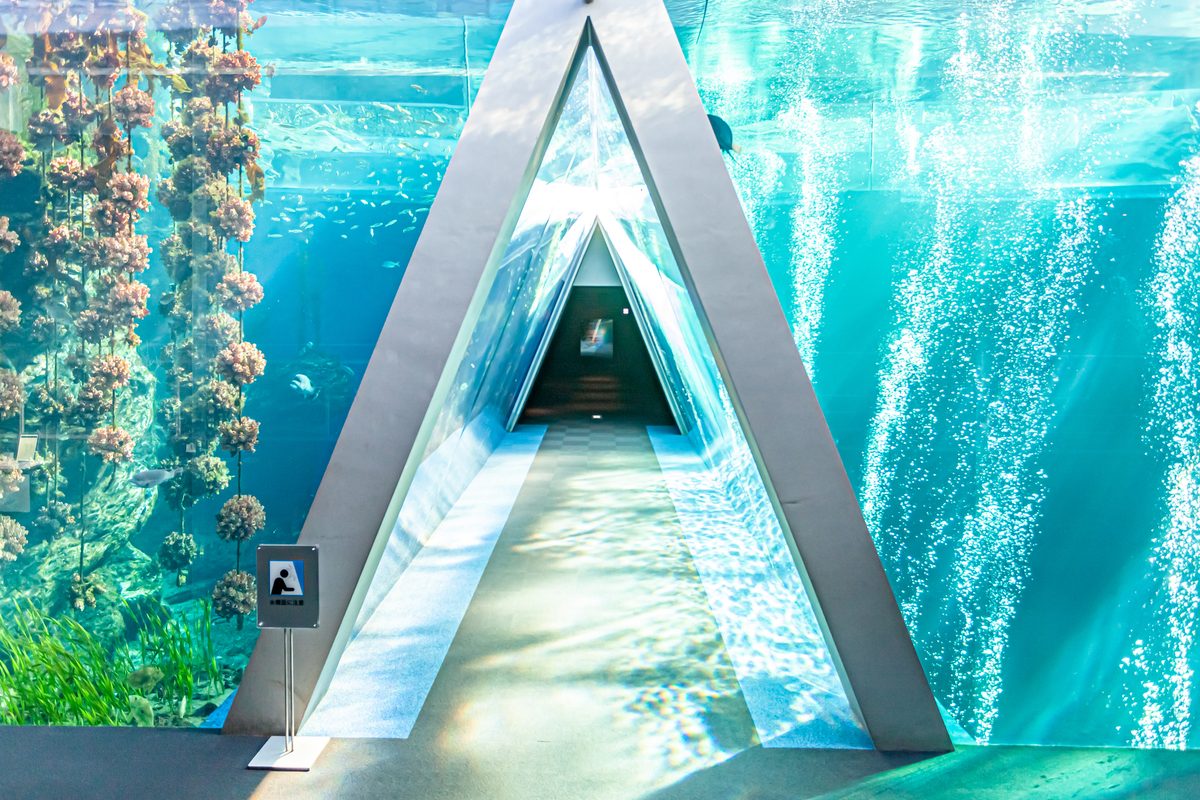
Aquamarine Fukushima
Aquamarine Fukushima is one of Japan's most conceptually distinctive aquariums, built around the theme of the Kuroshio and Oyashio ocean currents that collide off the Fukushima coast, creating one of the world's most biologically rich seas. The centrepiece is a vast tunnel tank through which visitors walk beneath schools of tuna, rays, and sharks. Unlike conventional aquariums, Aquamarine also incorporates rice paddy exhibits, river ecosystems, and a beachside outdoor zone, reflecting the connection between land and sea that defines the Hamadori coast. Hands-on programs include touch pools, fishing experiences, and behind-the-scenes tours, making it one of the most engaging aquariums in Tohoku.