
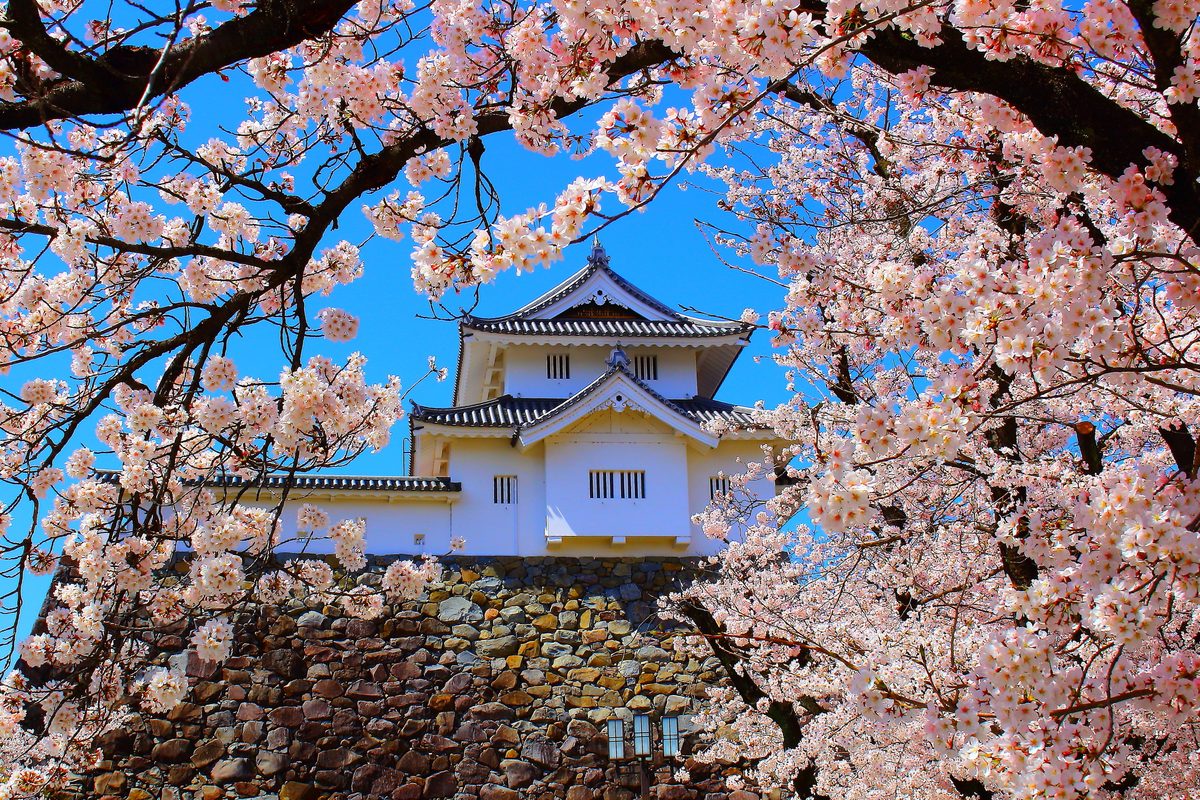
Kofu Castle & Shingen's Domain
The seat of Takeda Shingen — Japan's most romanticised warlord — in the Kofu Basin surrounded by the Southern Alps. The reconstructed Kofu Castle (Maizuru-jo) stands on a volcanic rock outcrop above the city with panoramic views of Mt Fuji and the Yatsugatake range. The Takeda Shrine nearby was the clan's family shrine for 200 years.
1–1.5 hours
Free
Park: 5:30–22:00; castle ruins: always accessible; Kai Zenkoji Temple: 9:00–16:30
March–April (cherry blossoms), Year-round
Kofu Station on JR Chuo Line (approx. 1 hr 40 min from Shinjuku by limited express), then about 3 min on foot.
Location
Why Visit
- 1
Takeda Shingen ruled the basin from here — Japan's greatest general who never lost a battle on the field
- 2
The volcanic rock foundation makes this one of Japan's most dramatic castle bases
- 3
Takeda Shrine (700m away) holds the family armour and clan treasures
Local Tips
The Maizuru Castle stone ruins give excellent views of the Kofu basin and Southern Alps. The ruins are immediately beside Kofu Station — easy 10-minute walk. Shingen-ko Festival in April fills the city with samurai processions. Pair with Enzan Erinji Temple (45 min) and Katsunuma wine country for a full Yamanashi inland day.
Add to your AI itinerary
Let AI build a multi-day trip around this spot.
Advertisement
More in Yamanashi
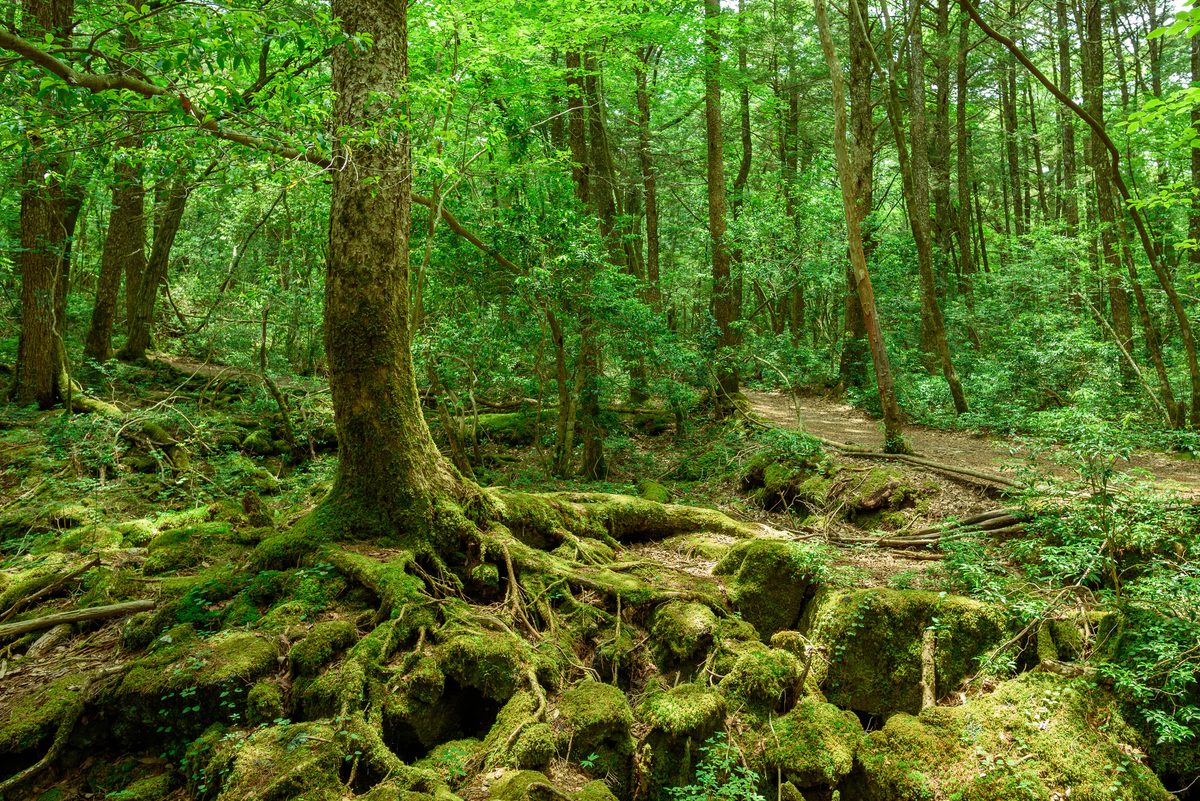
Aokigahara Forest (Sea of Trees)
A vast ancient forest growing on a 1,200-year-old lava field at the base of Mt Fuji — the lava formed in the 864 CE Jogan eruption and the forest has grown over it ever since. Ice caves and wind caves within the forest maintain sub-zero temperatures year-round, perfectly preserving ice stalactites in summer. The forest is also famous for its eerie magnetic compass anomalies.
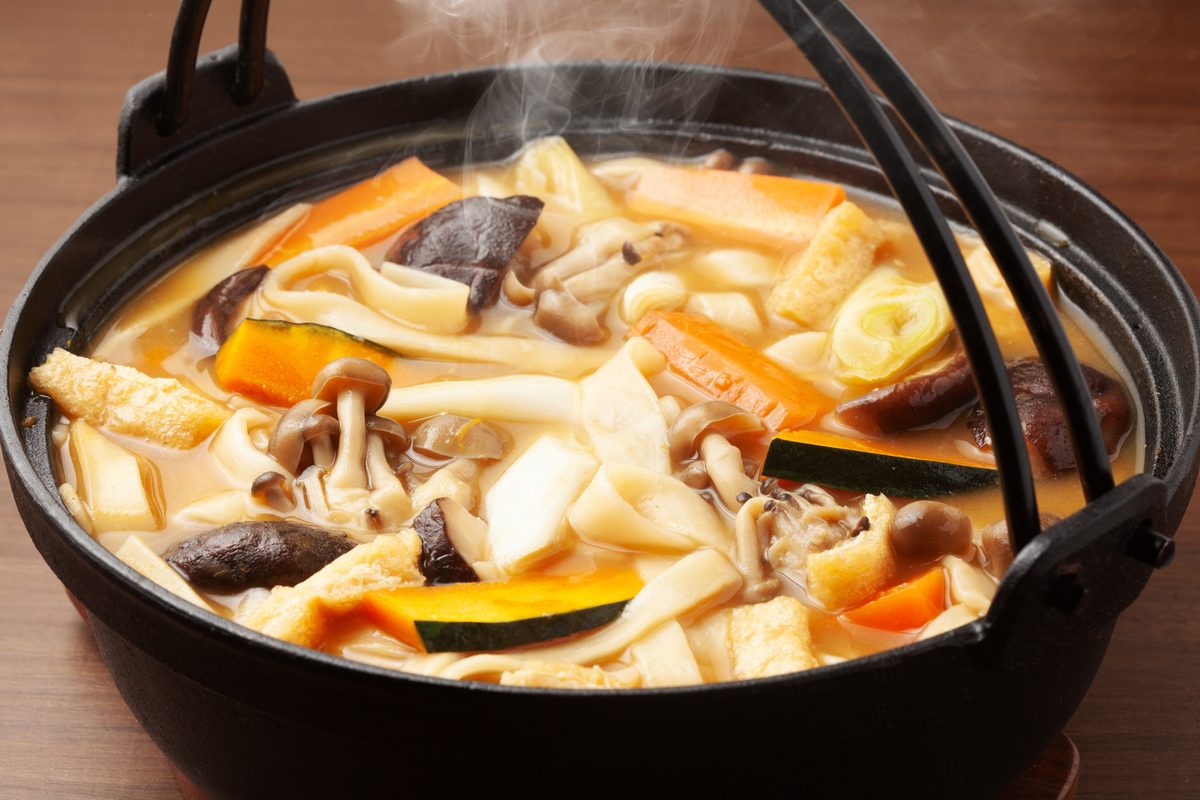
Hoto — Yamanashi's Winter Dish
Hoto is Yamanashi's signature dish — thick flat noodles (wider than udon) simmered with pumpkin, mushrooms, and root vegetables in a rich miso broth. Eaten since the Sengoku period (Takeda Shingen reportedly made it for his troops), it is exclusively a cold-season comfort food available October–April. The Kosaku restaurant chain invented the definitive version.
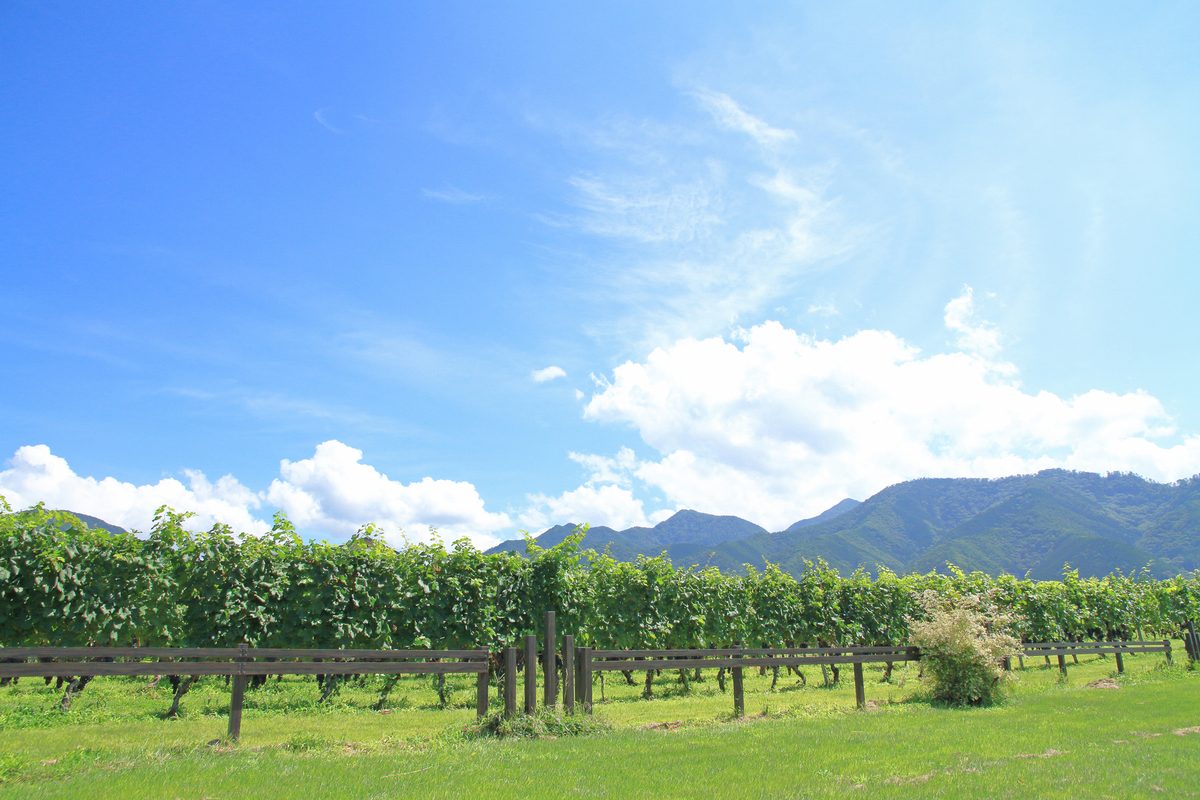
Katsunuma Wine Country
Japan's wine capital — the Katsunuma Valley produces 40% of Japan's wine on terraced hillsides visible from the Chuo Line train. The local Koshu grape (pink-skinned, crisp and mineral) is Japan's signature variety, classified as a European-style vinifera grape in 2010. Forty wineries offer tastings in walking distance from Katsunuma-Budokyo Station.