
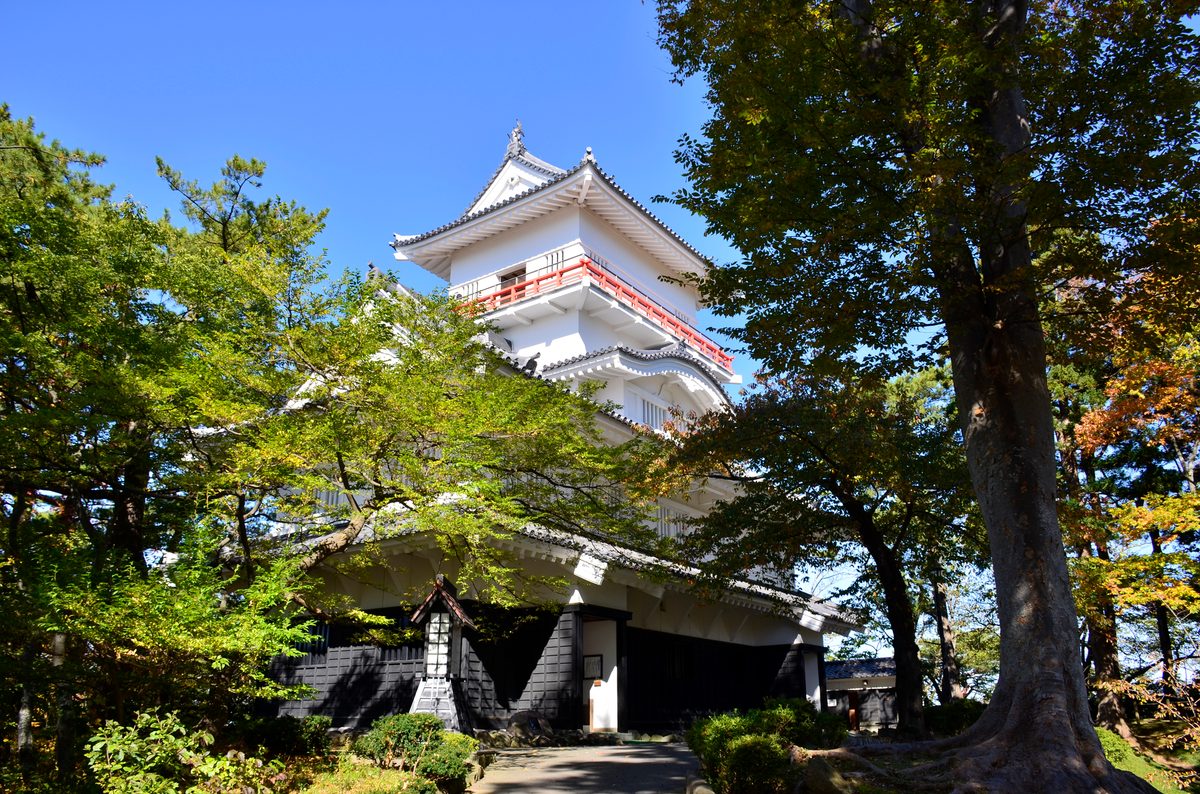
Kubota Castle Ruins (Senshu Park)
Kubota Castle, the seat of the Satake clan who ruled the Akita domain for over 260 years, stood at the heart of present-day Akita city from 1604. Unlike many Japanese castles, Kubota was deliberately built without stone walls or a keep, relying instead on earthen ramparts and water features — a reflection of the Satake clan's political caution during the Edo period. Today the grounds form Senshu Park, one of Akita's finest green spaces, with a reconstructed turret (Osumi-yagura) offering city views. Cherry blossoms in spring and autumn foliage make it a year-round destination for locals and visitors alike.
1–2 hours
Free (park); Osumi-yagura turret ¥150 (free for high school students and under)
Park: open 24 hours; Osumi-yagura: 9:00–16:30 (closed in winter)
April–May (cherry blossoms), October–November (autumn foliage)
15-minute walk from Akita Station (JR Akita Shinkansen). The park entrance is on the east side of the castle grounds.
Location
Why Visit
- 1
Seat of the Satake clan for 260+ years — one of Japan's few castles built without a stone keep.
- 2
Reconstructed Osumi-yagura turret with panoramic views over Akita city.
- 3
Senshu Park is one of Japan's top 100 cherry blossom viewing spots.
- 4
Adjacent Akita Museum of Art (Foujita Museum) houses major works by Tsuguharu Foujita.
Local Tips
Combine with the Akita Museum of Art (Hirayama World) next door for a half-day itinerary. The castle grounds are especially beautiful in late April when the cherry trees are in full bloom — arrive early to avoid weekend crowds.
Add to your AI itinerary
Let AI build a multi-day trip around this spot.
Advertisement
More in Akita
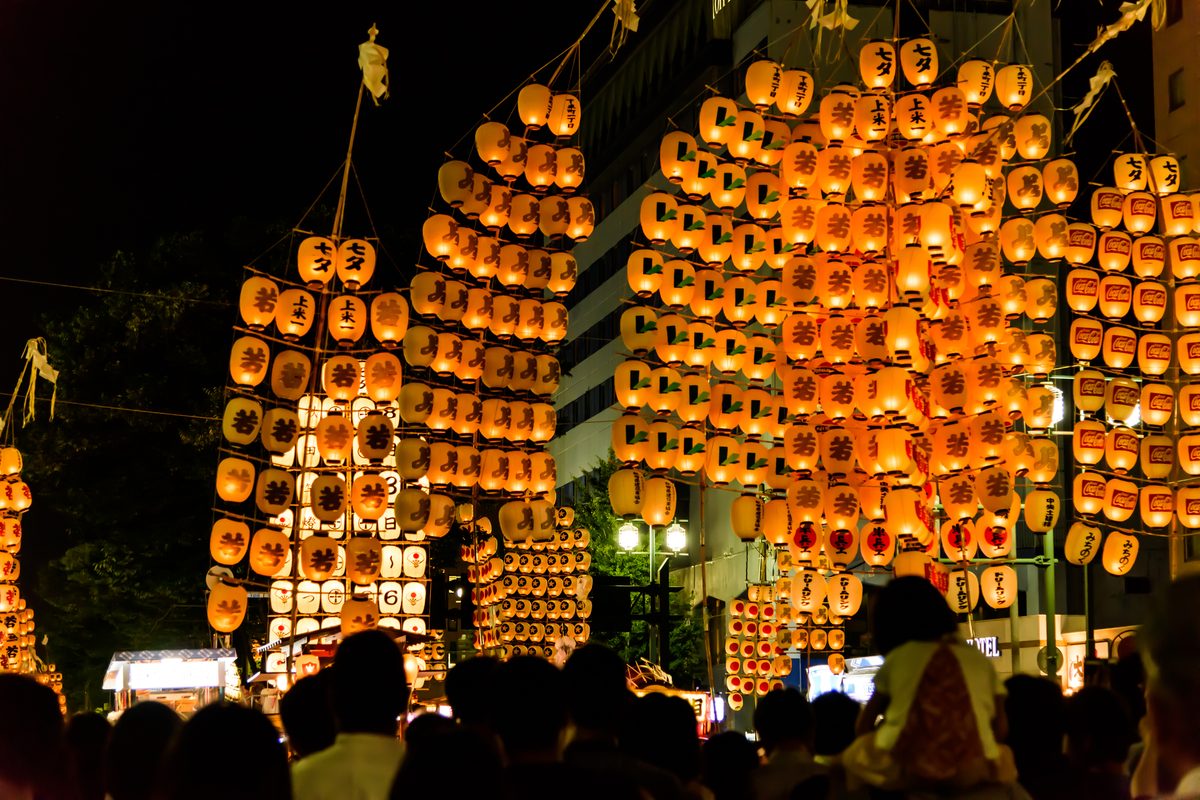
Akita Kanto Festival
The Akita Kanto Festival, held every August, is one of the great summer festivals of Tohoku and a designated Important Intangible Folk Cultural Property of Japan. Performers balance towering bamboo poles hung with dozens of glowing paper lanterns — some poles reaching 12 metres and weighing 50 kilograms — on their foreheads, shoulders, lower backs, and even hips. The sight of thousands of lanterns swaying against the night sky is genuinely breathtaking. Each evening, the main boulevard fills with performers and spectators, and the collective skill on display has been refined over 270 years.
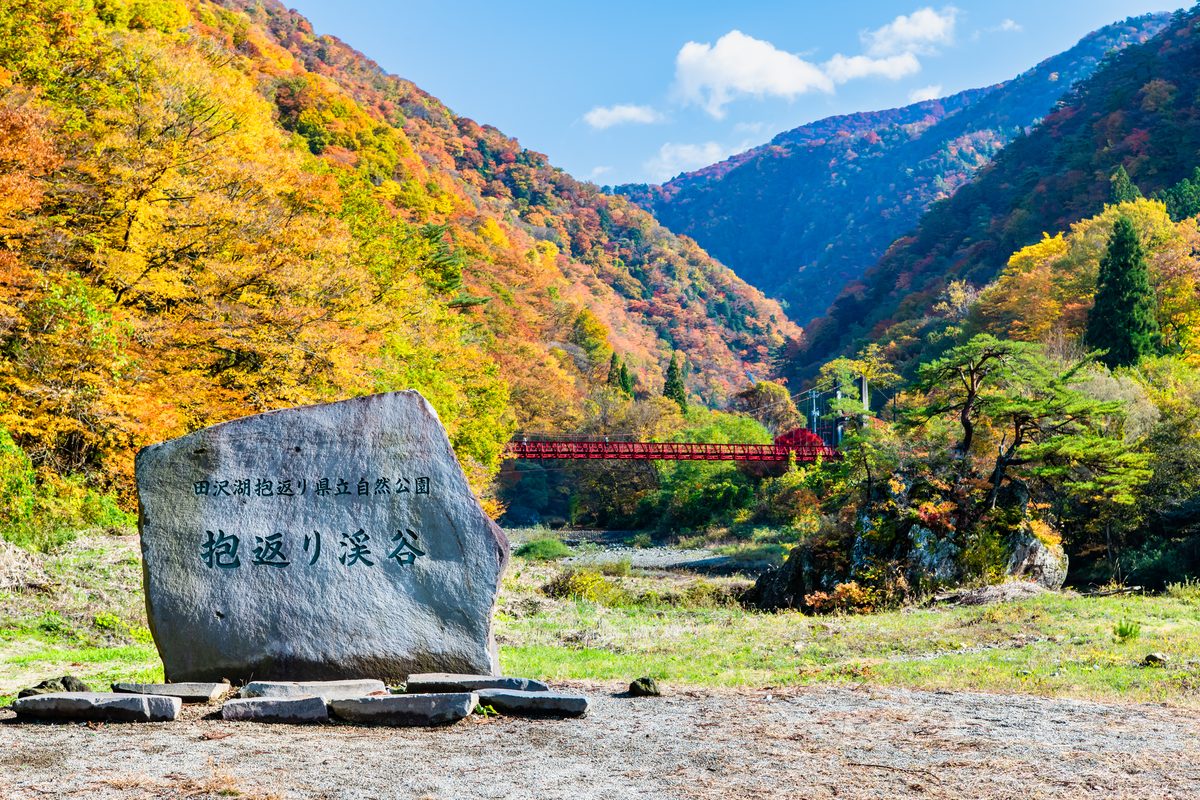
Dakigaeri Gorge
"Hold me and turn around" gorge — a narrow granite canyon so tight that hikers must press against the rockface to pass. The emerald river reflects maple, beech and Japanese cedar creating tunnels of colour in autumn.
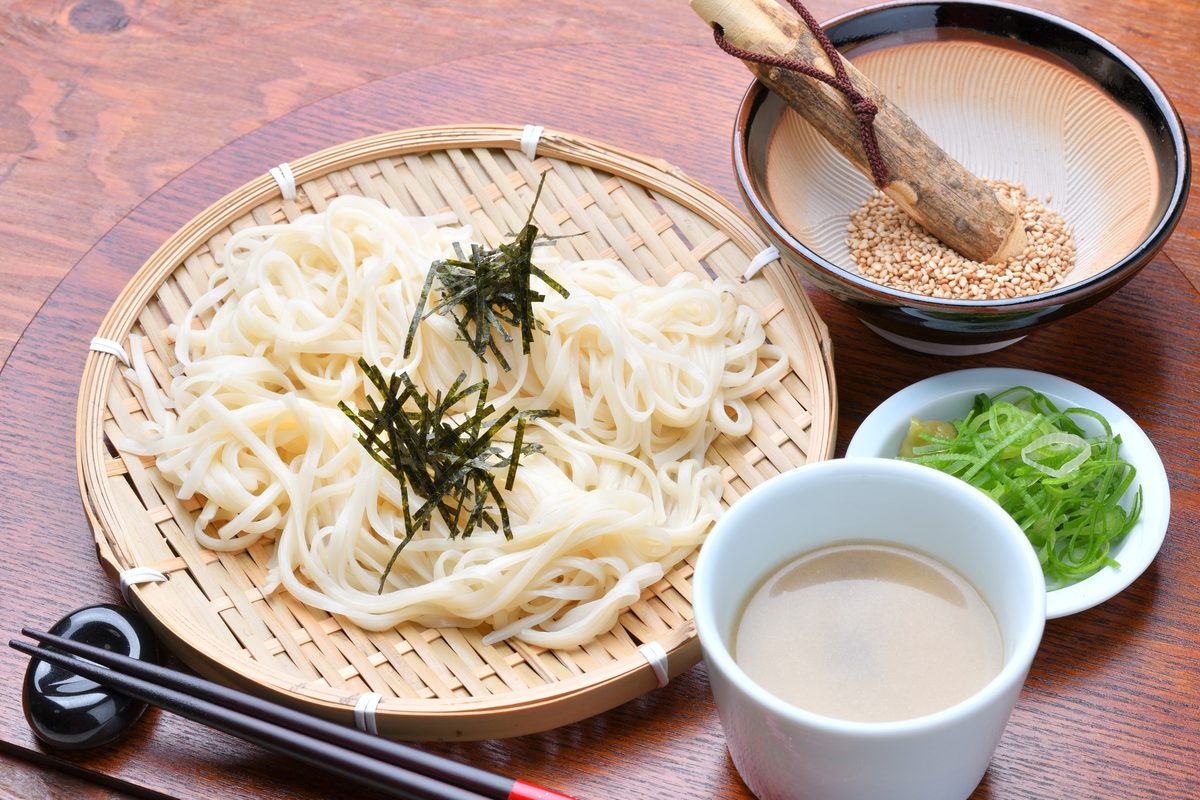
Inaniwa Udon — Silken Noodles of Akita
Inaniwa udon, produced in the small village of Inaniwa in southern Akita, is one of Japan's three great udon styles and has been made by hand using the same technique for over 350 years. Unlike the thick, chewy udon of Kagawa, Inaniwa noodles are thin, flat, and silky smooth, with a delicate bite that feels almost refined. The noodles are hand-stretched and dried over several days without machines. Eating them in their home region — hot in a light dashi broth or chilled in summer — is a markedly different experience from packaged versions sold elsewhere in Japan.